How to care for rattan and bamboo furniture without damaging natural fibers
a[data-rs-seo-link]{text-decoration:underline!important;color:#1a56db!important;cursor:pointer!important;}a[data-rs-seo-link]{text-decoration:underline!important;color:#1a56db!important;cursor:pointer!important;}
The short answer for natural rattan and bamboo care
Rattan and bamboo furniture lasts longer when it is kept clean, protected from prolonged direct sun, and dry enough to prevent mildew. The safest routine is straightforward: remove dust with a soft brush or vacuum, wipe only when needed with a barely damp cloth and mild soap, dry the piece promptly with airflow, and avoid pressure washing, steam cleaning, or leaving natural fibers outdoors uncovered. Rattan is a climbing palm commonly used for cane and woven furniture, while bamboo is a woody grass used as poles, strips, panels, and woven material. Both are plant-based materials that can swell, crack, loosen, or stain when cleaned or stored the wrong way. For more home material care topics, visit the Care and Maintenance section.
The guidance below follows practical furniture care principles supported by public material references, including USDA Forest Products Laboratory information on moisture and finishes, FAO descriptions of bamboo and rattan as non-wood forest materials, and EPA and CDC advice on moisture control and mold cleanup safety.
Know what you are cleaning before you start
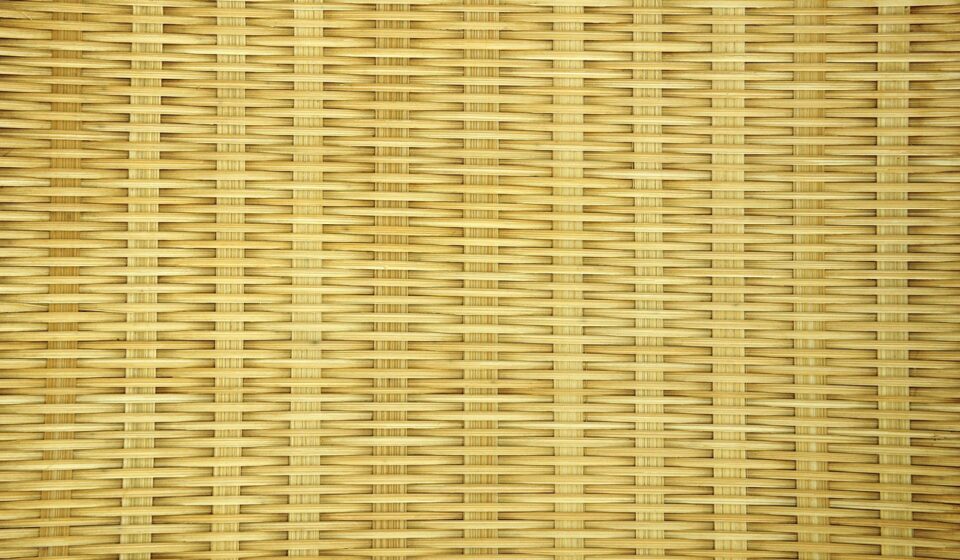
The terms rattan, bamboo, cane, and wicker are often used together, but they are not the same thing. Wicker is a weaving method, not a single material. A wicker chair may be made from rattan, bamboo, willow, reed, seagrass, paper fiber, or synthetic resin. Rattan usually refers to the flexible stems of climbing palms, valued because they can be bent and woven. Bamboo is different: it is a woody grass with hollow or segmented culms in many species, and it is often used as round poles, split strips, laminated boards, or decorative panels.
This distinction matters in maintenance. Natural rattan is flexible, but prolonged dryness and heavy wetting can make it brittle, stained, or distorted. Bamboo can be strong and hard, but its outer surface, nodes, joints, bindings, and finish can still be damaged by standing water or abrasive scrubbing. In both cases, the finish may be providing much of the protection. A glossy sealed bamboo chair, a lacquered rattan frame, and an unfinished woven basket-style seat should not be treated as identical surfaces.
Natural fibers versus synthetic rattan
Many outdoor patio sets sold as rattan are actually synthetic resin wicker over aluminum or steel frames. Those pieces usually tolerate more water than natural rattan and bamboo furniture. Natural fiber furniture should be treated more like wood and woven craft material than like plastic patio furniture. If the surface feels warm, fibrous, matte, cane-like, or slightly porous, use a low-moisture cleaning method unless the manufacturer clearly states otherwise.
Indoor, covered outdoor, and exposed outdoor use
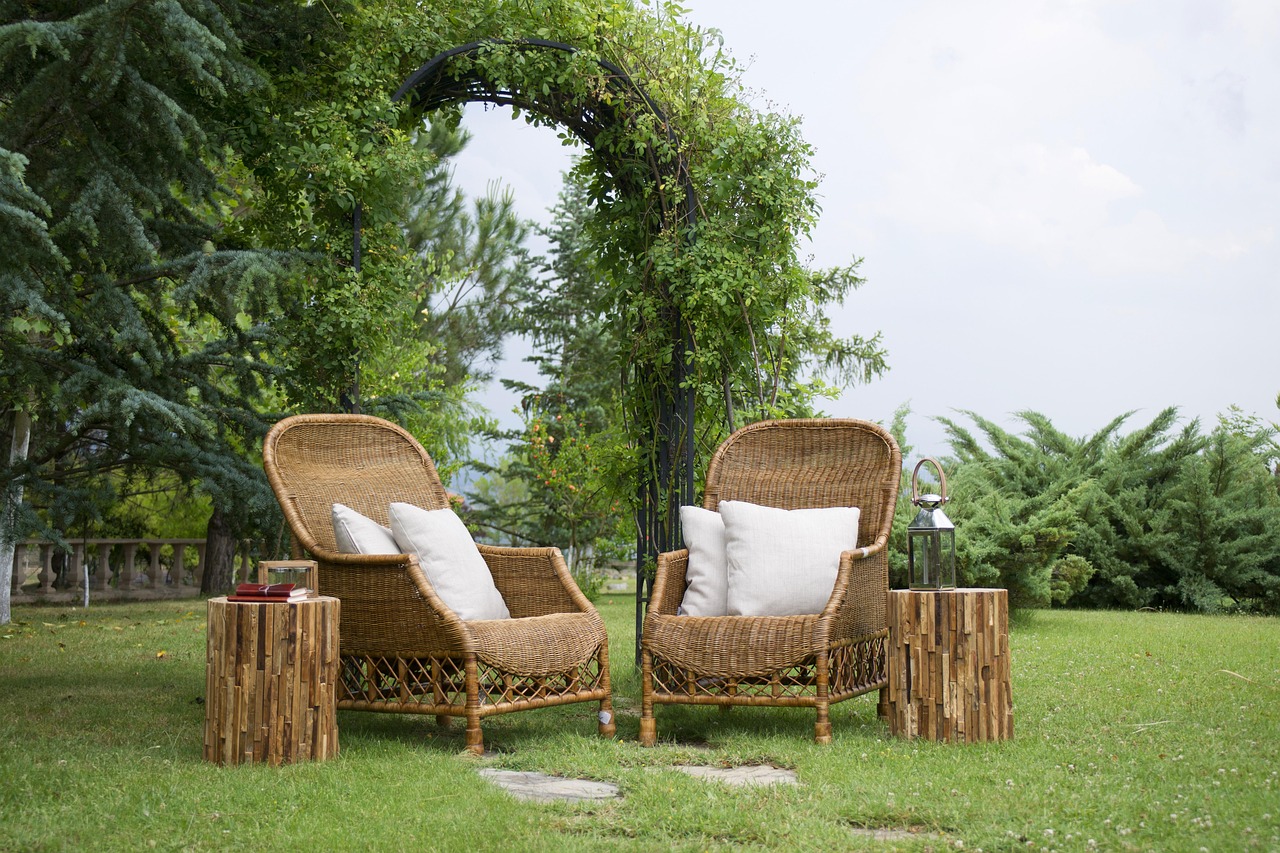
Natural rattan and bamboo perform best indoors or in covered, well-ventilated outdoor spaces. A screened porch, sunroom, or covered balcony is usually safer than an open patio. Rain, sprinkler spray, wet cushions, ground moisture, and intense sunlight can all shorten service life. Even when a piece is marketed for outdoor use, the care routine should still focus on moisture control and finish protection.
Routine cleaning without overwetting the weave
The most common cleaning mistake is adding water before removing dry debris. Woven furniture traps dust, grit, pet hair, crumbs, and pollen in small crevices. If water is applied first, that debris can turn into residue that is harder to remove and may settle deeper into the weave. Start dry, then use light damp cleaning only where needed.
- Remove cushions and loose accessories. Clean fabric separately according to its care label, and do not put damp cushions back on the frame.
- Vacuum with a brush attachment. Use low suction when possible. Work with the direction of the weave rather than forcing the nozzle against it.
- Brush tight crevices. A soft toothbrush, paintbrush, or natural-bristle detail brush can lift dirt from joints, bindings, and woven corners.
- Wipe with a lightly damp cloth. Use warm water with a small amount of mild dish soap for greasy spots. The cloth should be wrung out, not dripping.
- Rinse with a second damp cloth. Remove soap residue without flooding the surface.
- Dry promptly. Place the piece in shade with good airflow. A fan is useful indoors. Avoid high heat from hair dryers, heaters, or direct midday sun.
For normal indoor use, quick dusting every week or two is usually more useful than occasional aggressive washing. Deep cleaning is best kept for visible grime, seasonal refreshes, or furniture coming out of storage.
| Task | Suggested frequency | Why it matters |
|---|---|---|
| Dust or vacuum crevices | Weekly to biweekly | Prevents grit from abrading fibers and finish |
| Wipe contact areas | Monthly or as needed | Removes body oils, fingerprints, and spills |
| Inspect joints and bindings | Every 2 to 3 months | Finds loose wrapping before it spreads |
| Check for mildew or musty odor | During humid seasons | Allows early cleaning and drying |
| Review finish condition | Twice a year | Identifies dull, cracked, or worn protective coatings |
Moisture and sunlight are the biggest long-term risks
Rattan and bamboo furniture is sensitive to moisture changes because the material, and many traditional binders, are plant-based. Too much water can lead to swelling, staining, odor, mildew, and glue failure. Too little humidity, especially near heating vents or in very dry rooms, can make old cane and bindings brittle. The goal is not to keep the piece wet; it is to avoid extremes.
After spills, blot immediately with an absorbent cloth. Do not scrub the liquid across the weave. If the spill reaches a seam, joint, or wrapped binding, use airflow to dry that area thoroughly. Public mold guidance from EPA emphasizes fast drying of wet materials, and that principle is especially relevant to woven furniture because moisture can remain hidden inside crevices.
Sunlight creates a different problem. The USDA Forest Products Laboratory notes in its wood finishing guidance that finishes help protect surfaces from water, sunlight, and weathering. Rattan and bamboo are not the same as lumber, but the practical lesson is similar: finishes and shade matter. Long exposure to strong sunlight can fade color, dry fibers, and weaken coatings. Rotate furniture occasionally in bright rooms, use curtains during intense afternoon sun, and keep natural pieces out of uncovered outdoor exposure when possible.
Better placement choices
- Keep natural rattan and bamboo away from direct contact with damp floors, wet grass, or concrete that often holds moisture.
- Use breathable covers rather than airtight plastic wraps for storage.
- Leave space behind furniture placed against exterior walls so air can circulate.
- Avoid placing pieces directly beside radiators, fireplaces, heat vents, or dehumidifiers running at close range.
- Use coasters, trays, and plant saucers to prevent ring marks and moisture transfer.
How to handle stains, mildew, and loose fibers
Treat stains according to severity. For light marks, use a damp cloth with mild soap and dry the area immediately. For sticky residue, repeat gentle wiping rather than switching to abrasive pads. For oily stains, blot first, then use a small amount of mild soap solution. Always test in an inconspicuous area, especially on stained, painted, lacquered, or vintage furniture.
Mildew needs more caution. A musty smell, dark specks, or fuzzy surface growth usually means moisture has been present too long. Move the piece to a ventilated area before cleaning. Wear gloves and avoid breathing dust from moldy material. CDC safety guidance warns never to mix bleach with ammonia or other cleaners. On delicate natural rattan and bamboo, strong bleach solutions may lighten color or damage finishes, so routine care should focus first on drying, ventilation, and gentle cleaning. If growth is widespread, returns quickly, or affects cushions and hidden padding, professional assessment or disposal may be safer than repeated household cleaning.
Loose fibers and lifted wrapping should be stabilized early. Do not pull a raised strand to see how far it goes. Trim only broken splinters that are clearly detached, and use a small amount of appropriate wood or craft adhesive only where the structure allows. For valuable vintage furniture, a conservation-minded repairer is preferable because original cane patterns, bindings, and finishes can be difficult to match. See also: Building Materials.
When a piece may be beyond simple cleaning
Some damage cannot be solved with soap and water. Deep black staining under the finish, soft or spongy cane, persistent odor after full drying, cracked structural poles, rust bleeding from an internal metal frame, and loose joints that shift under body weight are warning signs. In these cases, cleaning may improve appearance but not safety. Seating furniture should be inspected carefully before use if the frame flexes, creaks, or sags.
Protective finishes and seasonal maintenance
Many rattan and bamboo pieces are sealed with lacquer, varnish, shellac, paint, stain, wax, or oil-based products. The right maintenance approach depends on the existing finish. A sealed glossy surface may need only gentle cleaning and an occasional polish approved for that finish type. A raw or lightly sealed woven surface may absorb products unevenly, so heavy oiling can leave sticky residue and attract dust.
Avoid cooking oils, heavy silicone sprays, and unknown solvent blends. They can darken fibers, soften coatings, or create a film that is difficult to refinish later. If the finish looks dry or dull, test a small hidden area with a product intended for natural wicker, cane, or finished wood. Let the test area dry fully before treating visible sections. For painted pieces, touch up chips before moisture reaches the fiber underneath. For clear-coated bamboo poles, inspect around nodes and joints because cracks often begin where stress and moisture collect.
Seasonal maintenance is especially useful for furniture moved between indoor and covered outdoor spaces. Before warm, humid weather, clean dust from the weave, check the underside for mildew, and make sure feet or glides keep the frame off damp flooring. Before storage, clean and dry the piece completely. Store it in a dry, ventilated area rather than under a non-breathable plastic sheet in a humid garage.
What to avoid with rattan and bamboo furniture
- Do not pressure wash natural fibers. High-pressure water can break strands, force water into joints, and lift finish.
- Do not soak the furniture. A quick damp wipe is different from saturating woven material.
- Do not steam clean natural cane or bamboo joints. Heat and moisture together can soften finishes and adhesives.
- Do not use abrasive pads. They can scratch glossy bamboo, remove stain, and roughen rattan fibers.
- Do not leave wet cushions on the frame. Trapped moisture is one of the easiest ways to create stains and odor.
- Do not assume all rattan is outdoor rattan. Natural rattan and synthetic resin wicker require different care.
- Do not apply strong chemicals without testing. Bleach, ammonia, alcohol, and solvents can discolor or damage finishes.
A practical care routine for busy households
For a simple routine, use three levels. For weekly care, dust with a soft brush or vacuum and wipe spills immediately. For monthly care, clean hand-contact areas with a barely damp cloth and inspect joints. For seasonal care, remove cushions, clean the full frame, check the underside and feet, dry thoroughly, and review whether the finish still repels light moisture.
This routine works because it addresses the main causes of damage: trapped dirt, excess moisture, sunlight, neglected joints, and worn finishes. It also avoids the common overcorrection of washing natural furniture too aggressively. With rattan and bamboo furniture, steady light maintenance is usually better than heavy restoration after damage appears.
Frequently asked questions
Can rattan and bamboo furniture be used outdoors?
Natural rattan and bamboo can be used in covered outdoor areas, but they are not ideal for constant rain, sprinkler exposure, or harsh sun. If the piece is synthetic resin wicker, it may tolerate outdoor conditions better. Check the material and finish before deciding where to place it.
How do I clean dust from tight woven areas?
Use a vacuum with a soft brush attachment, then loosen remaining dust with a small paintbrush or soft toothbrush. Work gently with the weave. Avoid sharp tools that can cut fibers or lift bindings.
Is vinegar safe for rattan or bamboo furniture?
A heavily diluted vinegar solution is sometimes used on household surfaces, but it is not universally safe for finished natural furniture. Acidity may dull certain finishes or affect color. Mild soap and water, used sparingly, is a safer first option for most routine cleaning.
Should I oil dry rattan?
Only use products suitable for natural wicker, cane, or the specific finish on the piece. Random oils can darken fibers, stay tacky, and collect dust. Test first in a hidden spot and avoid over-application.
What should I do if the furniture smells musty?
Move it to a dry, ventilated place, remove cushions, vacuum dust, and let the frame air out. If odor remains after careful cleaning and full drying, inspect for mildew in crevices, under bindings, and inside cushions. Persistent odor may indicate moisture damage that simple surface cleaning cannot fix.