How to care for a faux leather sofa and loveseat without causing peeling
a[data-rs-seo-link]{text-decoration:underline!important;color:#1a56db!important;cursor:pointer!important;}a[data-rs-seo-link]{text-decoration:underline!important;color:#1a56db!important;cursor:pointer!important;}
Best care approach for faux leather seating
Treat a faux leather sofa and loveseat as coated upholstery, not as natural leather. The safest routine is straightforward: remove dust with a soft cloth or vacuum brush, spot-test any cleaner, wipe with a barely damp microfiber cloth and a mild soap solution when the manufacturer allows it, then remove residue and dry the surface right away. Avoid soaking seams, scrubbing, steam, full-strength disinfectants, solvent cleaners, alcohol wipes, bleach, abrasive pads, leather oils and saddle soap unless the furniture maker specifically approves them. Peeling, cracking and tackiness are usually coating failures rather than ordinary dirt, so aggressive cleaning often makes the damage worse. For more home upkeep topics, see Zunbeng’s care and maintenance guides.
Know what you are cleaning before using any product
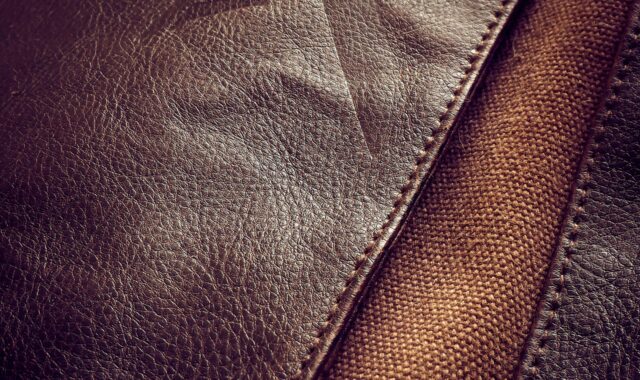
Faux leather is a product category, not a single material. A sofa may be upholstered in polyurethane, vinyl, PVC-coated fabric, bonded leather with a synthetic topcoat, microfiber with a leather-like finish, or another coated textile. These surfaces can look similar in a showroom, but they do not always respond the same way to heat, moisture, cleaners or abrasion.
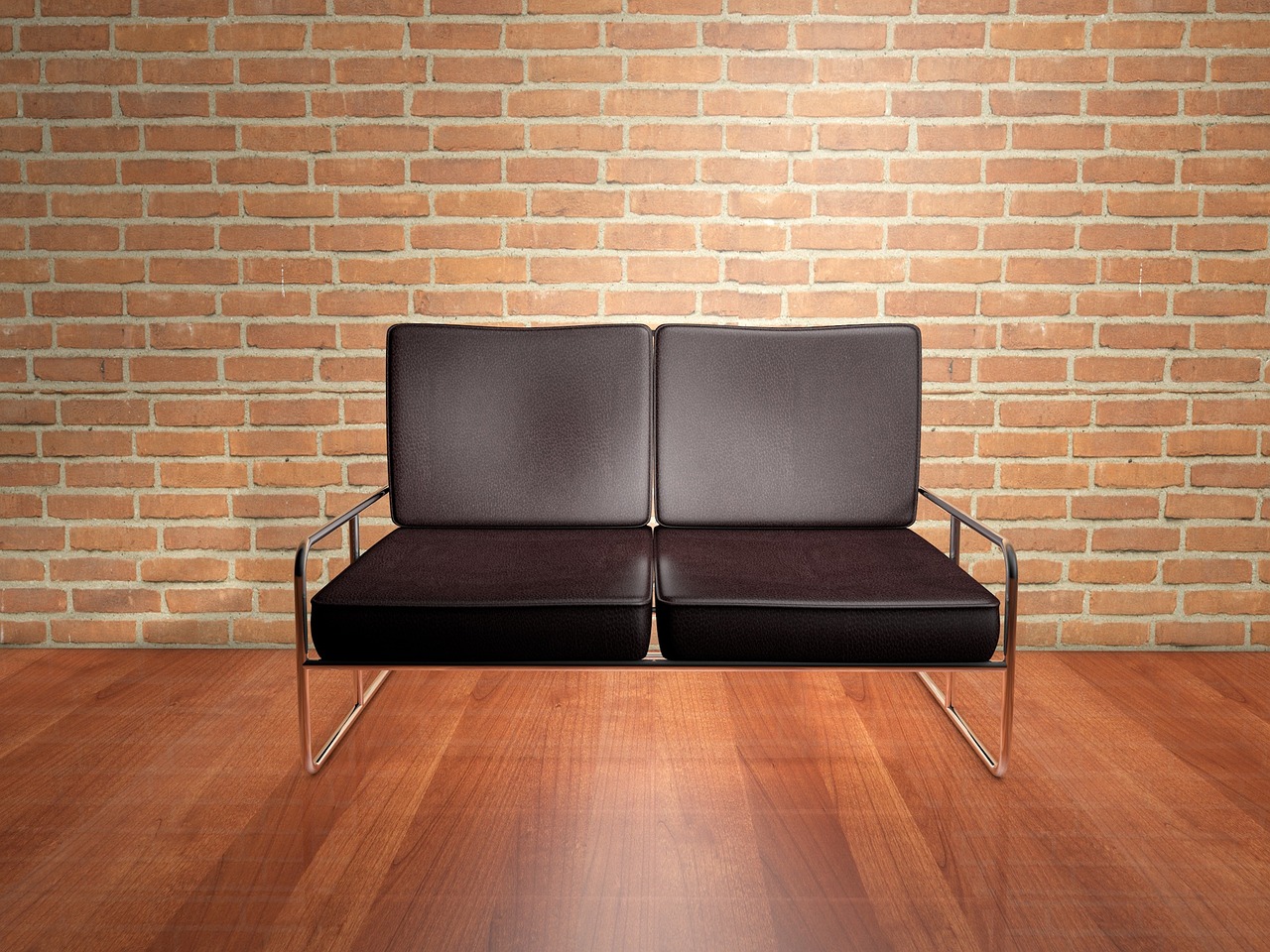
Public consumer and industry guidance generally describes imitation leather as a material that looks like leather but is not the same as animal hide. For home care, that difference matters. Natural leather can absorb some conditioners because it is a fibrous hide. Most faux leather seating has a protective film over a textile or composite backing. The aim is to keep that film clean and intact, not to feed it with oil.
Check the purchase paperwork, sewn-in tag, warranty sheet or product page for terms such as polyurethane, PU, PVC, vinyl, coated fabric, synthetic leather, vegan leather, leather look or bonded leather. If the care label conflicts with general advice, follow the label. A flammability or law label on upholstered furniture is not the same as a cleaning code, and it does not confirm which household cleaner is safe.
| Material clue | Common care risk | Practical response |
|---|---|---|
| PU or polyurethane | May become tacky, crack or peel after heat, humidity, age, abrasion or harsh chemicals | Clean gently, dry after wiping and avoid heat buildup |
| Vinyl or PVC | Can stiffen, crack or lose finish when exposed to solvents, strong cleaners or high heat | Use mild soap and water only when allowed, then dry thoroughly |
| Bonded leather | Often has a coated surface that can flake when the coating separates | Treat it as a coated surface, not as full-grain leather |
| Unknown faux leather | Cleaner compatibility is uncertain | Spot-test in a hidden area and use the least aggressive method first |
Routine cleaning that is safe for most intact surfaces
Routine maintenance should be light, frequent and low-moisture. Dirt, body oil and grit act like fine sandpaper when people sit down and slide across the cushions. Removing them early reduces surface wear, especially on center seats and front cushion edges.
- Remove crumbs and grit from seams with a vacuum upholstery brush or a soft, dry cloth.
- Check the care label and test the planned cleaner on a hidden back corner or underside flap.
- Mix a small amount of mild, non-abrasive soap with lukewarm water. The cloth should be damp, not dripping.
- Wipe one small panel at a time using light pressure. Do not scrub in circles until the finish turns dull.
- Wipe again with a second cloth dampened with clean water to remove soap residue.
- Dry immediately with a soft towel, paying attention to seams, piping and cushion edges.
- Leave the cushions uncovered until the surface feels fully dry.
For a household with regular use, weekly dusting and a gentle wipe-down every few weeks are usually more useful than one heavy deep clean each year. If the room is dusty, sunny or humid, increase dry dusting but keep wet cleaning conservative. When choosing a general household cleaner, safer-ingredient programs such as EPA Safer Choice can help narrow the options, but the cleaner still must be compatible with the exact upholstery material.
How to handle stains and spills without spreading damage
Fast response matters because faux leather is stain-resistant, not stain-proof. Liquids can run into seams, dark clothing can transfer dye, and oily residue can soften or discolor a finish over time. Start by blotting rather than rubbing.
| Problem | First response | What to avoid |
|---|---|---|
| Water, coffee or soft drink spill | Blot at once, wipe with a damp cloth if sticky, then dry the area | Do not let liquid sit in seams or under loose cushions |
| Body oils and everyday soil | Clean with mild soap solution and a microfiber cloth, then remove residue | Do not use heavy degreasers or kitchen cleaners unless approved |
| Dark denim dye transfer | Wipe early with the gentlest approved cleaner; repeat lightly if the finish remains intact | Do not scrub hard or use bleach to force the color out |
| Ink or marker | Blot lightly and check the manufacturer’s stain guidance; consider professional help | Do not assume alcohol, acetone or nail polish remover is safe |
| Greasy food | Lift solids, blot oil, then use a mild cleaner if the surface allows | Do not grind crumbs or grease into the grain pattern |
| Pet mess | Remove solids, wipe gently, dry fully and address odor with a material-safe product | Do not saturate the cushion or backing |
Many stain-removal hacks work by stripping the top layer of a surface. That is risky on faux leather because the color and sheen may be part of the coating itself. If a stain remains after gentle cleaning, a faint mark may be less costly than a larger dull patch.
Prevent peeling, cracking and tacky surfaces
Peeling is one of the most common complaints with older faux leather seating. It can be caused by a combination of coating quality, age, body oil, friction, sunlight, heat, humidity and incompatible cleaning chemicals. Industry textile guidance describes hydrolysis as polymer breakdown associated with extended exposure to heat and humidity, and polyurethane upholstery can be vulnerable depending on the resin and construction. That does not mean every PU sofa will fail quickly, but it explains why room conditions and cleaning habits matter.
Place a faux leather sofa and loveseat away from radiators, heating vents, fireplaces and strong direct sun when possible. Use curtains or blinds during the brightest part of the day. Keep indoor humidity moderate and allow air to circulate behind furniture placed near exterior walls. If the same person always sits in the same place, rotate removable cushions if the design allows it. A washable throw can protect high-friction zones, but remove it occasionally so trapped moisture does not stay against the upholstery.
Daily habits also help. Avoid sitting on the surface in wet clothing, after applying oily lotions, or with sharp hardware on pockets and belts. Trim pet nails and clean small scratches before they collect grime. If the finish is already flaking in sheets, cleaning will not bond it back to the backing. Small nicks may be improved with a color-matched repair kit, but widespread peeling usually requires panel replacement, slipcovers, reupholstery or furniture replacement.
What not to use on a faux leather sofa and loveseat
The most damaging products are often the convenient ones. A disinfecting wipe, magic eraser or strong stain remover may make one spot look cleaner for a day, then leave a dull, sticky or cracked patch later. Unless the manufacturer identifies a product type as safe for your upholstery, avoid the following:
- Bleach and strong oxidizers: They may discolor the coating, weaken stitching or leave residue that continues to react.
- Alcohol-heavy wipes and sprays: They can dry, dull or soften some finishes, especially with repeated use.
- Acetone, lacquer thinner and nail polish remover: These solvents can permanently damage coated plastics.
- Abrasive pads and melamine sponges: They can sand off the protective topcoat and change the sheen.
- Steam cleaners and hot dryers: Heat and moisture are a poor combination for many coated upholstery materials.
- Leather oils, waxes and saddle soap: Faux leather usually cannot absorb them like hide, so they may leave a film that attracts soil.
- Too much water: The face may resist moisture, but seams, backing and cushion interiors can still be damaged.
If disinfection is necessary after illness, use only a disinfectant that the furniture or upholstery manufacturer says is compatible with the exact surface. After any approved disinfecting step, follow the label directions, remove residue if instructed and let the surface dry completely before use. See also: Building Materials.
A simple maintenance schedule for a matched sofa and loveseat
A sofa and loveseat are often bought as a set, but uneven use can make one piece age faster than the other. The loveseat may be used less, while the sofa may receive more sunlight or body contact. Clean and inspect both pieces on the same schedule so their color and sheen stay closer over time.
| Timing | Task |
|---|---|
| Daily or after heavy use | Remove spills, crumbs and sharp objects; dry any damp spots |
| Weekly | Dust with a microfiber cloth and vacuum seams with a soft brush |
| Monthly | Wipe high-contact panels with a tested mild cleaner, then dry |
| Seasonally | Inspect for fading, tackiness, seam stress, cushion wear and early cracking |
| Before trying a new cleaner | Read the label, test a hidden area and wait to see whether sheen or color changes |
Keep a small care note with the furniture paperwork: material name, approved cleaner, date of spot test and any product that caused a problem. This is especially useful for rental homes, shared houses and households where more than one person cleans.
When cleaning is not enough
Before spending time or money on repair, identify whether the issue is dirt, staining or coating loss. Dirt usually sits on top and improves with gentle cleaning. Dye transfer may improve if caught early, but it can become permanent. Coating loss looks like flaking, exposed fabric backing, rough edges or a color change where the surface has lifted away.
Cleaning is appropriate when the surface is intact and the problem is soil. A repair kit may be reasonable for a small scratch, edge nick or isolated color loss. Professional repair or reupholstery makes more sense when the furniture frame is sound but the cover material is failing across large panels. Replacement may be the better choice if the coating is peeling widely, the foam has collapsed, or the cost of repair approaches the cost of a better-quality piece.
For future purchases, ask for the exact upholstery material, written cleaning instructions and warranty exclusions. If the seller uses broad terms such as vegan leather or leather look, ask whether the surface is PU, PVC, vinyl, bonded leather or another coated textile. Clear material information is often more useful than a stylish product name.
Frequently asked questions
Can I use baby wipes or disinfecting wipes on faux leather?
Do not use them as a default cleaner. Some wipes contain alcohol, fragrance, disinfectants or moisturizers that can leave residue or affect the coating. Use them only if the furniture maker confirms they are compatible with the upholstery.
Can I use leather conditioner on a faux leather sofa and loveseat?
Usually no. Faux leather is normally a coated surface, so traditional leather conditioner cannot nourish it the way it can condition natural hide. It may sit on top, attract dust or create an uneven shine.
How often should I clean faux leather seating?
Dust weekly, clean spills immediately and do a light damp wipe every few weeks or as needed. High-use seats, homes with pets and sunny rooms may need more frequent inspection, but not harsher cleaning.
Is faux leather waterproof?
It is better described as water-resistant. The surface may repel small spills, but seams, backing, cushion interiors and damaged areas can absorb moisture. Over-wetting can cause staining, odor or material breakdown.
Can peeling faux leather be stopped?
You can slow additional wear by reducing heat, humidity, friction and harsh cleaning, but separated coating cannot be fully restored by cleaning. Small damage may be disguised; widespread peeling usually needs covering, panel replacement or replacement of the furniture.