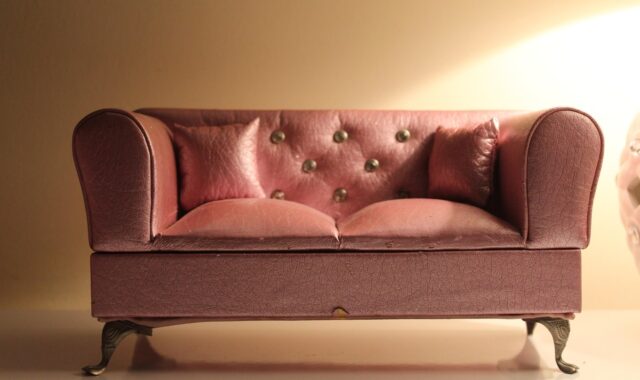
How to care for a leather and fabric chair without damaging it
a[data-rs-seo-link]{text-decoration:underline!important;color:#1a56db!important;cursor:pointer!important;}a[data-rs-seo-link]{text-decoration:underline!important;color:#1a56db!important;cursor:pointer!important;}
A leather and fabric chair is easy to damage when both materials are cleaned as if they were the same surface. Leather typically needs low-moisture cleaning, protection from heat and direct sunlight, and conditioning only when the manufacturer recommends it. Fabric care depends on the upholstery cleaning code, fiber type, weave, and any stain-resistant finish.
The safest routine is straightforward: identify each material, vacuum first, test in a hidden area, blot spills instead of scrubbing, and avoid soaking either surface. This guide covers everyday maintenance for residential and light commercial chairs, especially mixed-material designs with leather arms or panels and a fabric seat or back. For more home surface care topics, visit our care and maintenance guides.

Why mixed upholstery needs separate care
A chair that combines leather and fabric is not a single cleaning surface. The leather section may have a protective pigment coating, a waxed or aniline finish, or a bonded surface layer. The fabric section may be polyester, cotton, linen, wool, acrylic, microfiber, velvet, or a performance textile with a stain-resistant treatment. Each material reacts differently to water, heat, detergent, oil, friction, and sunlight.
The main risk is cross-treatment. A cleaner that is acceptable for a water-safe fabric may leave residue on leather. A leather conditioner that softens a hide surface may stain fabric if it migrates into seams. Steam, aggressive brushing, bleach, abrasive powders, and strong alkaline cleaners can also change color, texture, or finish. A good care plan starts with separation: clean the fabric as fabric, clean the leather as leather, and pay close attention to the stitched transition between them.
Labeling also matters. The Federal Trade Commission’s guidance for leather and imitation leather products distinguishes between leather terms and materials such as bonded leather or imitation leather. For maintenance, that distinction is practical. A natural top-grain leather panel, a corrected coated leather, and a bonded leather surface do not age or repair in the same way. If the tag, invoice, or product page identifies the material, keep that information with the chair’s records.
Check the label before using any cleaner
Before cleaning, look under the seat, behind the back cushion, or beneath a removable cover for care information. For fabric upholstery, many tags use letter-based cleaning codes. These are not decorative labels; they are the starting point for choosing a safer method. The Institute of Inspection, Cleaning and Restoration Certification recognizes professional upholstery cleaning guidance, and furniture care instructions commonly use similar code language.
| Code or material note | What it usually means | Safe first step | What to avoid |
|---|---|---|---|
| W fabric | Water-based upholstery cleaning may be allowed | Vacuum, then test a small amount of mild water-based cleaner | Over-wetting, harsh detergent, and hot steam without testing |
| S fabric | Solvent-based cleaning is usually specified | Vacuum and consult a professional for stains | Water spotting, home shampooing, and wet extraction |
| W/S or WS fabric | Water-based or solvent-based methods may be allowed | Test first and use the least aggressive method | Assuming every stain can be wet-cleaned |
| X fabric | Vacuuming or brushing only is usually recommended | Use a soft brush and suction | Liquid cleaner, foam cleaner, and spot scrubbing |
| Finished leather | Leather with a protective surface coating | Dust, wipe lightly with a barely damp cloth, then dry | Soaking, alcohol, ammonia, and silicone-heavy products |
| Aniline or nubuck leather | Absorbent leather with little or no protective coating | Dry dusting and professional advice for stains | Water marks, oil-based conditioners, and household cleaners |
If the chair has no tag, do not rely on appearance alone. Microfiber can resemble suede, coated leather can look more natural than it is, and some fabric blends react differently from their dominant fiber. When information is missing, treat the chair as delicate: vacuum thoroughly, use dry methods first, and test any product in a hidden area long enough to see both wet and dry results.
Build a weekly and monthly maintenance routine
Most upholstery damage is not caused by one major spill. It builds up through dust, body oils, friction, sunlight, and delayed cleaning. A simple routine helps keep both materials stable without over-cleaning.
Weekly light cleaning
Use a vacuum with a soft brush attachment on the fabric seat, seams, tufting, and crevices. Grit acts like fine sandpaper when people sit down and shift their weight, so remove crumbs and particles before they are ground into the weave. For leather, dust with a soft dry microfiber cloth. If the leather is finished and the manufacturer allows it, a barely damp cloth can lift light soil, followed immediately by a dry cloth.
Monthly inspection
Once a month, inspect high-contact areas: the front edge of the seat, arm tops, headrest zone, piping, buttons, and stitched junctions between leather and fabric. Look for shiny fabric wear, loose threads, color transfer from denim, hairline cracking in leather, or residue around seams. Catching these signs early usually gives you more options, such as adjusting use patterns, adding arm covers, rotating the chair if possible, or moving it away from sun exposure before the problem becomes permanent.
Seasonal care
Every few months, review where the chair sits in the room. Direct sun can fade fabric and dry leather. Heat from radiators, fireplaces, HVAC vents, and sunny windows can accelerate moisture loss in leather and weaken some adhesives or coatings. If the chair is exposed to strong daylight, consider window coverings during peak sun hours or reposition it slightly. If indoor air becomes very dry in winter, avoid placing the leather side near a heat source.
How to handle spills without spreading damage
Spills should be handled quickly, but speed should not mean panic. The safest first response is to blot, not rub. Press a clean white absorbent cloth or paper towel onto the spill and lift. Work from the outside edge toward the center so the liquid does not spread. Replace the cloth as it becomes wet.
On fabric, the next step depends on the cleaning code. For W or W/S fabric, a small amount of approved upholstery cleaner or mild foam may be suitable after testing. Use minimal moisture and avoid saturating the cushion. For S fabric, water can create rings or distortion, so a solvent method or professional cleaner is usually safer. For X fabric, stop after vacuuming or dry brushing unless a qualified upholstery cleaner advises otherwise.
On leather, remove liquid immediately with a soft cloth. Do not scrub the grain. Finished leather may tolerate a lightly damp cloth, but absorbent leather can darken when wet. Greasy spills are especially difficult because oil can migrate into both leather and fabric. Avoid applying water to oil stains, and do not add conditioner in an attempt to blend the mark. That can enlarge the affected area.
Mixed upholstery has one extra risk: capillary movement at seams. A spill on a fabric seat can travel into a leather side panel or beneath piping. Keep blotting pressure controlled and avoid flooding the seam. If a stain crosses both materials, it is often better to pause and seek professional help than to treat one surface aggressively and damage the other.
Leather care for chair panels, arms, and backs
Leather is durable, but it is not maintenance-free. Its care depends strongly on the finish. Finished or pigmented leather is common in family seating because the coating gives it better resistance to spills and color variation. Aniline and semi-aniline leathers are valued for natural character but are more absorbent. Bonded leather and polyurethane-coated surfaces may have a leather-like appearance but generally behave more like coated materials than full hide.
For routine care, remove dust first. If the maker recommends a leather cleaner, apply it to a cloth rather than directly onto the chair. Clean a small area gently, then dry it. Do not use furniture polish, glass cleaner, undiluted dish soap, bleach, vinegar mixtures, or alcohol wipes unless the chair manufacturer specifically allows them. These products may strip finishes, leave residue, or accelerate cracking.
Conditioner is useful only when it matches the leather type and the maker’s instructions. Too much conditioner can leave a sticky surface, attract soil, or transfer onto nearby fabric. Aniline leather, nubuck, suede-like leather, and coated synthetic surfaces may require specialized products or no conditioner at all. If the chair’s leather panel feels dry, looks dull, or shows fine cracking, identify the material before applying anything oily or waxy.
Preventive care matters more than rescue cleaning. Keep leather away from constant sun and heat, wipe perspiration and body oils from armrests, and avoid sharp hardware such as metal studs, keys, pet claws, or abrasive clothing. A small scratch on finished leather may remain cosmetic, but a cut through a coating or bonded layer is harder to repair invisibly. See also: Building Materials.
Fabric care for seats, cushions, and accent panels
Fabric upholstery fails in different ways from leather. It can pill, fade, stretch, hold odor, develop water rings, or trap fine dust. The best care depends on weave, fiber, and finish, but several principles apply broadly.
Vacuuming is the most important routine task. Use low to moderate suction and a clean upholstery tool. Brush in the direction of the nap on velvet, chenille, or raised textures. Do not use a stiff brush on loose weaves, boucle, or fabric with decorative yarns because it can pull loops or fuzz the surface.
For removable cushions, rotate them if the design allows. Even small changes in seating position can reduce uneven compression and fading. If the chair has a fixed fabric seat with leather arms, encourage users not to sit repeatedly on the front edge, as that area often receives the highest abrasion.
Be careful with do-it-yourself deodorizing. Baking soda can lodge in textured fabrics and seams, especially where fabric meets leather. Fragranced sprays may mask odor but leave residues. If odor is caused by moisture, pet accidents, or mildew, surface fragrance will not solve the problem. The underlying moisture source must be addressed first.
For stains, do not assume that stronger is better. A mild cleaner used correctly is safer than a powerful product applied broadly. Always test in a hidden spot and wait until the test area dries. Some damage, including color loss and texture change, appears only after drying.
Common mistakes that shorten chair life
The most common mistake is using one all-purpose cleaner on the whole chair. A leather and fabric chair is a small system of different surfaces. Convenience products can leave one material looking clean while quietly weakening the other.
- Using too much water: Excess moisture can create fabric rings, swell cushion filling, loosen adhesives, or darken absorbent leather.
- Scrubbing stains: Friction can distort fabric pile, push soil deeper, or dull a leather finish.
- Skipping the spot test: A hidden test area helps reveal dye transfer, residue, darkening, or texture change.
- Applying leather conditioner near fabric seams: Oils can migrate into textile panels and create permanent-looking halos.
- Ignoring sunlight: Fabric fading and leather drying are often gradual, so the chair may look fine until the contrast becomes obvious.
- Using disinfectants casually: Products designed to disinfect hard surfaces may not be compatible with upholstery. EPA guidance separates cleaning, sanitizing, and disinfecting, and upholstered furniture needs material-specific caution.
Another mistake is treating performance fabric as indestructible. Performance textiles can improve stain response, but their protection can be affected by abrasion, aggressive chemistry, and repeated cleaning. Follow the chair’s own care label rather than relying on marketing terms alone.
When professional cleaning makes sense
Professional help is worth considering when a stain is large, old, oily, unknown, or spread across both leather and fabric. It is also prudent for S-code or X-code fabrics, aniline leather, vintage chairs, antique upholstery, smoke odor, pet urine, mildew, dye transfer, or expensive designer seating where replacement fabric is difficult to source.
A qualified cleaner should ask about the chair’s materials, age, prior cleaning attempts, and care codes before beginning. They may test for colorfastness, inspect seams, and choose different methods for leather and fabric. For mixed upholstery, the goal is not simply to remove the visible stain; it is to avoid creating a cleaner-looking but permanently distorted patch.
If a chair is still under warranty, read the warranty terms before cleaning. Some warranties exclude damage caused by unauthorized products, excessive moisture, or failure to follow the manufacturer’s instructions. Keeping photos of labels and notes about approved products can help if a future claim is needed.
Frequently asked questions
Can I clean leather and fabric parts with the same mild soap solution?
Usually, no. Even a mild soap solution can behave differently on leather and fabric. Finished leather may tolerate a lightly damp cloth if the maker allows it, while S-code or X-code fabric may be damaged by water. Treat each surface according to its label and test first.
How often should I condition the leather on a mixed chair?
Condition only when the chair manufacturer recommends it and only with a product suitable for that leather type. Some finished leathers need occasional conditioning, while coated, nubuck, suede-like, or bonded surfaces may not respond well to typical conditioners.
What should I do if I do not know the fabric cleaning code?
Start with dry care: vacuuming, soft brushing, and careful dust removal. Avoid liquid spot cleaning until you can confirm the material or test safely in a hidden area. For valuable or delicate chairs, professional identification is safer than guessing.
Can steam cleaning damage a leather and fabric chair?
Yes. Steam introduces heat and moisture, both of which can affect adhesives, cushion materials, fabric dyes, and leather finishes. It should not be used unless the upholstery instructions clearly allow it and the operator understands mixed-material furniture.
How can I prevent fading on both materials?
Keep the chair out of prolonged direct sunlight, use curtains or shades during peak exposure, and avoid placing it next to heat sources. Rotating the chair or changing its position slightly can also reduce uneven fading and drying.
The practical takeaway
The best way to care for a leather and fabric chair is to slow down before cleaning. Identify the materials, read the code, vacuum first, test discreetly, and use the least aggressive method that fits the surface. Leather benefits from dust control, low moisture, heat protection, and compatible conditioning when appropriate. Fabric benefits from regular vacuuming, code-based stain response, and careful moisture control. Where both materials meet at seams, use extra caution because mistakes can travel from one surface to the other. A thoughtful routine will not make a chair immune to wear, but it can prevent many avoidable stains, cracks, rings, and texture changes that shorten its useful life.