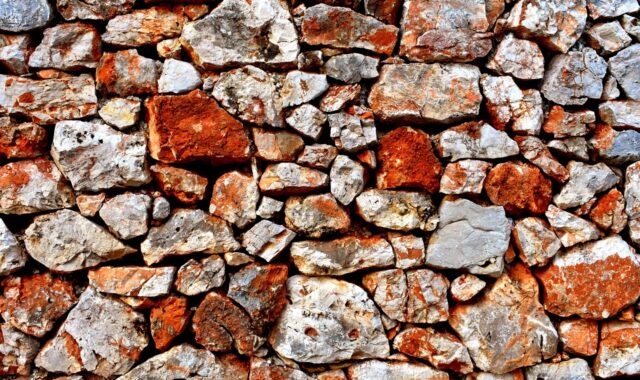
Stone cladding interior wall guide for design, installation, and maintenance
a[data-rs-seo-link]{text-decoration:underline!important;color:#1a56db!important;cursor:pointer!important;}a[data-rs-seo-link]{text-decoration:underline!important;color:#1a56db!important;cursor:pointer!important;}
Why stone cladding changes an interior wall
A stone cladding interior wall can add depth, shadow, texture, and a sense of permanence that paint or wallpaper usually cannot provide. The main decision is not just the stone color or pattern. It is the wall system behind the finish. Natural stone panels, thin stone veneer, manufactured stone veneer, and stone-look panels can create a similar first impression, but they differ in weight, substrate requirements, moisture behavior, attachment method, and maintenance.
A successful interior stone wall starts with three practical questions: what type of cladding is being used, what wall assembly will carry it, and what room conditions will it face over time?
The technical checks in this article refer to the Natural Stone Institute Dimension Stone Design Manual chapter on vertical surfaces, ASTM C1780 for adhered manufactured stone masonry veneer, ASTM C1242 for dimension stone attachment systems, the International Residential Code provisions on veneer support, and the TCNA Handbook for ceramic, glass, and stone tile installation. Local code, product instructions, and project engineering should always take priority.
What counts as interior stone cladding
Interior stone cladding is a finish layer applied over a structural or nonstructural wall to create the appearance and texture of stone. It is not the same as a load-bearing stone wall. In most interiors, the visible stone is a veneer or panel system supported by framing, masonry, concrete, cement board, metal lath, mortar, anchors, rails, or a proprietary panel backing.
The broad categories are often confused in early design discussions, so they should be separated before materials are specified:
- Natural stone slab or dimension stone panels: Heavier pieces cut from quarried stone such as marble, limestone, granite, travertine, slate, or quartzite. Larger or thicker panels often require mechanical anchorage or engineered support.
- Thin natural stone veneer: Smaller stone pieces cut thinner than full-depth masonry. These may be adhered with mortar in approved assemblies or installed with specialty systems, depending on size, weight, substrate, and manufacturer guidance.
- Adhered manufactured stone veneer: Cement-based units made to resemble stone. ASTM C1780 covers accepted installation procedures for this category and includes interior as well as exterior applications.
- Stone-look panels: Lightweight panels made from porcelain, mineral composite, resin, fiber cement, or other materials. They may be suitable where the visual effect matters more than actual stone mass, but they should not be specified as natural stone.
In design briefs and product searches, all of these may be described casually as stone cladding. In construction documents, the differences matter because each system transfers load and accommodates movement in a different way.
Where interior stone walls work best
Stone cladding works best where the wall has a clear visual role. Common applications include living room feature walls, fireplace surrounds, lobby backdrops, stair walls, dining room accents, reception walls, wine room surfaces, and bedroom headboard walls. In commercial interiors, stone can also help set the tone in hospitality, retail, and workplace reception areas.
The strongest locations usually share four conditions. The wall is visible from a normal viewing distance, so the texture can be read. Lighting can graze the surface and reveal relief. Edges and transitions can be finished cleanly. Most importantly, the wall assembly can support the selected material without improvised fixes on site.
Some areas need closer review. Bathrooms, spas, indoor pools, and wet bars introduce moisture and cleaning chemicals. Fireplaces require attention to temperature limits, clearances, hearth rules, and the fireplace manufacturer’s instructions. High-traffic corridors may need harder stone, tighter joints, or a finish that will not snag clothing. Basement installations should be assessed for moisture before cladding is added, because stone veneer should not be used to conceal a damp wall problem.
Choosing the right material, format, and finish
The right cladding choice depends on the desired appearance, wall structure, budget, and the level of maintenance the owner will accept. A refined marble panel wall sends a different architectural message from rugged split-face slate or a dry-stack manufactured veneer. None is universally better; the choice should match both the room and the wall assembly.
| Option | Best suited for | Main planning concern |
|---|---|---|
| Marble or limestone panels | Luxury residential walls, lobbies, bathrooms outside direct wet exposure | Staining, etching, anchorage, and movement joints |
| Slate or quartzite veneer | Feature walls, fireplaces, rustic or contemporary interiors | Surface variation, thickness tolerance, edge detailing |
| Travertine or honed stone | Warm interiors, hospitality spaces, soft neutral palettes | Porosity, filling, sealing, and cleaning method |
| Manufactured stone veneer | Accent walls, fireplace surrounds, cost-controlled projects | Approved substrate, lath or scratch coat requirements, unit weight |
| Large-format stone-look panels | Modern minimal interiors and easier maintenance zones | Authenticity, panel seams, impact resistance, manufacturer system limits |
Finish changes both appearance and performance. Polished stone reflects light and feels formal, but it can show fingerprints and etching more readily on some stones. Honed stone is softer and less reflective. Split-face and ledgestone profiles create stronger shadows but collect more dust. Brushed, tumbled, or sandblasted finishes add grip and texture, though they may require more careful cleaning.
Structural and substrate checks before installation
The most common mistake with an interior stone wall is treating the cladding like ordinary decoration. Stone adds dead load. As the material gets heavier, the substrate, framing, fasteners, mortar bed, anchors, and deflection limits become more important.
For adhered manufactured stone veneer, ASTM C1780 is a useful reference because it addresses installation procedures for adhered units on suitable walls and structures. It is not a substitute for the manufacturer’s instructions or local code, but it shows why lath, scratch coat, mortar selection, substrate preparation, and moisture detailing should be addressed before installation starts.
For dimension stone, the Natural Stone Institute’s vertical surfaces guidance separates mechanically anchored and adhesively attached interior veneer approaches. ASTM C1242 is written for dimension stone attachment systems and is especially associated with exterior cladding, but its emphasis on documentation, material considerations, anchor types, and installation workmanship is still a practical reminder: large stone panels should not be selected on appearance alone.
The 2024 International Residential Code includes language allowing interior veneers to be supported on wood or cold-formed steel floors when those floors are designed for the imposed loads. That point is important in practice. The question is not simply whether stone will bond to a wall today, but whether the floor and wall framing are designed for the installed weight and movement over time.
Before approving a design, confirm these items:
- The installed weight per square foot, including stone, mortar, board, lath, anchors, and accessories.
- The wall framing or masonry backup and whether it is plumb, stable, dry, and within flatness tolerances.
- Whether the selected product allows direct adhesion, requires cement backer board, requires metal lath and scratch coat, or needs mechanical support.
- Movement joint locations at corners, changes in plane, transitions to other materials, and long wall runs.
- Fireplace, stove, or heat-producing appliance clearances when the wall is near heat.
- Local permit, inspection, seismic, and fire-resistance requirements where applicable.
Design details that make stone cladding look intentional
A stone wall can look refined or accidental depending on proportion and detailing. The first design decision is scale. Small stacked pieces add texture and a handcrafted rhythm. Larger rectangular panels create a calmer architectural plane. Irregular stone feels natural and informal, while linear profiles usually suit modern interiors better. See also: Building Materials.
Lighting should be planned with the stone, not added after the wall is finished. Grazing light from above or below emphasizes relief, which is useful for split-face stone. Broad, even light suits honed panels and reduces harsh shadows. If the wall will carry a television, artwork, shelves, or signage, blocking and penetrations should be coordinated before cladding begins.
Edges are another major quality signal. Exposed outside corners may use mitered stone, corner units, metal trims, returns, or a framed reveal. Each option changes the cost and visual result. A well-selected stone face can still look unfinished if the edges expose raw mortar or inconsistent thicknesses.
Color control also matters. Natural stone varies by quarry block and lot. Manufactured stone varies by production batch and color blend. Dry-laying or mockups help distribute tones before installation. For larger walls, the installer should pull from multiple boxes, crates, or bundles so the surface does not develop obvious dark and light patches.
Moisture, cleaning, and long-term maintenance
Interior does not always mean dry. Kitchens, bathrooms, laundry rooms, entryways, and basements can expose stone to water, vapor, grease, salts, cleaning products, or freeze-thaw residue tracked in from outdoors. The wall system should match the exposure. Wet areas may require waterproofing behind tile or stone assemblies, and not every decorative veneer is appropriate for direct shower use.
The Natural Stone Institute’s consumer care guidance distinguishes between stone types and notes that products often called sealers in the stone industry are commonly impregnating repellents rather than absolute barriers. In practical terms, sealing can reduce staining risk for many porous stones, but it does not make the stone maintenance-free or immune to acid etching.
General care is straightforward. Use pH-neutral cleaners recommended for stone. Avoid acidic cleaners on calcium-based stones such as marble, limestone, and travertine. Dust textured walls with a soft brush or vacuum brush attachment. Wipe splashes quickly in kitchens and bars. Reassess sealer performance periodically in high-use zones by following the stone supplier’s maintenance instructions.
For manufactured stone veneer, follow the manufacturer’s cleaning guidance. Aggressive pressure washing, harsh chemicals, or abrasive scrubbing can damage color, surface texture, or mortar joints. For interior projects, maintenance planning should be part of material selection because deep relief may look dramatic but will collect more dust than flat honed panels.
Planning checklist for a better interior stone wall
Use this checklist before ordering material or approving installation:
- Define whether the goal is authentic natural stone, manufactured stone, or a stone-look finish.
- Request the product data sheet, installation instructions, weight, fire information, and recommended substrates.
- Confirm whether the wall is framed, concrete, CMU, plaster, drywall, or cement board, and whether that substrate is acceptable.
- Ask how the installer will handle corners, openings, baseboards, outlets, shelves, and wall-mounted screens.
- Confirm whether the assembly needs waterproofing, vapor management, movement joints, or special fireplace detailing.
- Review a mockup or sample board under the actual room lighting.
- Keep extra material from the same lot for future repairs.
The most durable interior stone cladding projects are not necessarily the ones with the most expensive stone. They are the ones where the finish, substrate, attachment method, room conditions, and maintenance expectations are aligned before work begins.
Frequently asked questions
Can stone cladding be installed directly over drywall?
Sometimes a lightweight decorative system may allow installation over gypsum board, but many stone veneer and tile assemblies require cement backer board, lath with scratch coat, masonry, concrete, or another approved substrate. Do not assume drywall alone is acceptable. Check the product instructions, local code, and installed weight.
Is natural stone better than manufactured stone for interior walls?
Natural stone offers unique veining, mineral variation, and long-term material authenticity. Manufactured stone is often lighter, more predictable in shape, and easier to source in consistent profiles. The better choice depends on design intent, wall capacity, budget, and maintenance expectations.
Does an interior stone wall need sealing?
Many porous natural stones benefit from an impregnating repellent, especially in kitchens, baths, bars, and entry areas. Dense stones may need less protection. Sealing does not prevent all etching or damage, so cleaning method and stone type still matter.
What is the biggest installation risk?
The biggest risk is using a finish system that does not match the wall structure or room exposure. Heavy stone on an unverified wall, poor substrate preparation, missing movement joints, and ignored moisture conditions can all lead to cracking, debonding, staining, or expensive repairs.
How do you make stone cladding look modern rather than heavy?
Choose a simpler stone profile, limit the cladding to one focal wall, use clean edge details, coordinate lighting, and keep surrounding finishes calm. Large-format honed panels, linear stone, or controlled ledgestone patterns usually read more contemporary than highly irregular rustic layouts.