Furniture maintenance guide for wood, upholstery, leather, and metal pieces

a[data-rs-seo-link]{text-decoration:underline!important;color:#1a56db!important;cursor:pointer!important;}a[data-rs-seo-link]{text-decoration:underline!important;color:#1a56db!important;cursor:pointer!important;}
What furniture maintenance should actually protect
Good furniture maintenance is not about making every piece look new. It is about slowing preventable damage, keeping surfaces usable, and avoiding cleaning methods that cause more harm than the dust, spill, or stain they were meant to remove. In most homes and light-use commercial spaces, a sound routine combines gentle dust removal, stable indoor conditions, fast spill response, material-specific cleaning, and periodic checks for loose joints, worn glides, unstable storage units, and damaged finishes.
That approach works for everyday tables and sofas as well as higher-value pieces because it focuses on the main causes of early wear: abrasion, moisture, sunlight, heat, and unsuitable products. This guide is written for homeowners, designers, facility managers, and anyone comparing care advice across furniture materials. For more home care topics, visit the Care and Maintenance section.
Start with the material, but confirm the finish
Furniture maintenance depends on both the visible material and the finish that protects it. A solid wood table, a wood veneer cabinet, and a lacquered panel may look similar, but they can respond very differently to water, oils, abrasives, and polish. The same applies to leather, coated leather, fabric upholstery, powder-coated metal, plated hardware, glass, and stone inserts.
Finished wood and veneer
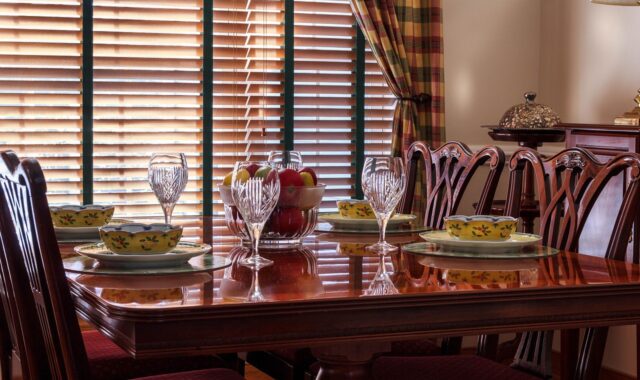
For most finished wood furniture, routine care should stay conservative. Remove grit before it becomes abrasive. Use a soft dry cloth for dusting, and move to a barely damp cloth only when dry dusting is not enough. Wipe with the grain where possible, then dry the surface immediately. Conservation guidance from organizations such as the Smithsonian Museum Conservation Institute and the Canadian Conservation Institute consistently emphasizes limiting moisture, heat, direct light, and rough handling rather than applying frequent treatments.
Veneer needs extra caution because the decorative surface is thin and is usually bonded to a substrate. Standing water, heat, and repeated swelling can loosen edges or cause bubbles. If veneer is lifting, do not force cleaner under the edge or sand it flat. That is a repair issue, not a cleaning task.
Upholstery
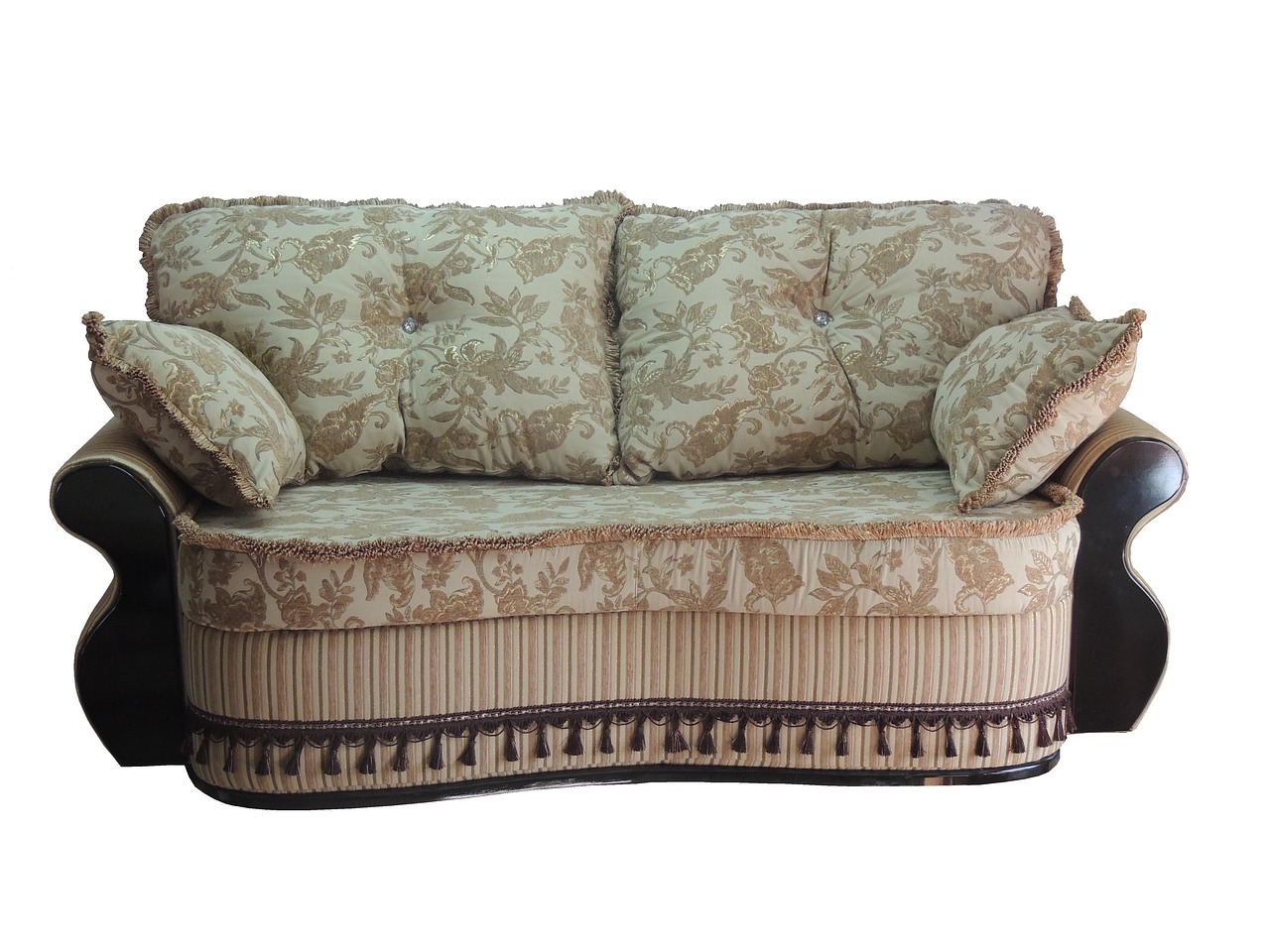
Upholstery care starts with removing dust and grit. Vacuum seams, crevices, arms, and cushions with an upholstery attachment, using low suction if the textile is delicate. Before spot cleaning, check the manufacturer’s tag if available. Common upholstery cleaning codes are W for water-based cleaning, S for solvent-based cleaning, WS or SW for either water-based or solvent-based methods, and X for vacuuming or professional care without liquid spot treatment. If there is no label, test in a hidden area and use the mildest suitable method first.
Leather
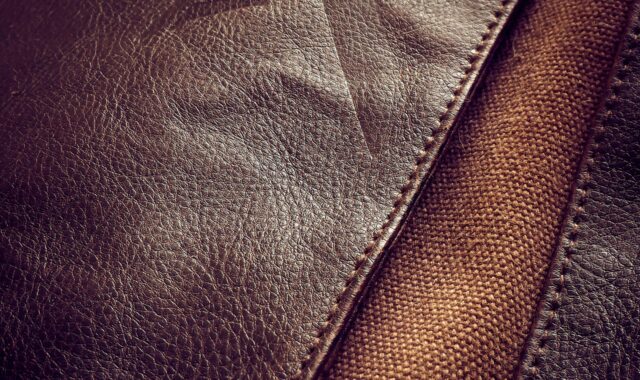
Leather maintenance is often misunderstood. Many modern furniture leathers have surface coatings, while aniline and semi-aniline leathers absorb liquids more readily. Dust regularly, blot spills quickly, and avoid soaking or scrubbing. Use cleaners and conditioners only when they match the leather type. Excess conditioner can leave residue, darken absorbent leather, or attract soil.
Metal, glass, and stone
Metal frames and hardware should be dry cleaned first, then treated with a cleaner suitable for the specific finish. Brass, chrome, stainless steel, blackened steel, plated finishes, and powder coatings should not be handled the same way. For glass, apply glass cleaner to the cloth rather than spraying toward joints, wood edges, or upholstery. Stone tops generally need pH-neutral cleaning unless the manufacturer specifies otherwise; acidic products can etch marble and some limestone.
Environmental control matters more than frequent polishing
Many furniture problems start with the room environment, not the cleaning product. Wood and other organic materials respond to changes in relative humidity by expanding and contracting. Rapid swings can contribute to open joints, cracks, warping, stuck drawers, and veneer movement. Upholstery and leather can also suffer in rooms that stay persistently damp or very dry.
Instead of relying on polish to hide symptoms, place furniture away from the most stressful locations when possible. Avoid direct sunlight, radiators, fireplaces, heat registers, air-conditioning vents, and frequently damp exterior walls. Use blinds, curtains, or UV-filtering window treatments in bright rooms. In humid basements, coastal homes, or poorly ventilated spaces, dehumidification and air movement may prevent more damage than any surface treatment.
Sunlight needs special attention. It can fade upholstery, darken or lighten wood unevenly, dry leather, and leave permanent color differences under objects that remain in one position for months. Rotate accessories occasionally, use coasters and pads under lamps or planters, and avoid leaving plastic mats or rubber feet directly on delicate finishes unless the material is confirmed safe.
A practical furniture maintenance schedule
A maintenance schedule should be simple enough to repeat. The goal is not to polish more often; it is to inspect, clean lightly, and catch problems early.
| Frequency | Maintenance task | Why it matters |
|---|---|---|
| Daily or as needed | Blot spills, remove crumbs, use coasters and placemats | Prevents staining, swelling, rings, and abrasive grit |
| Weekly | Dust wood, metal, glass, and stone; vacuum upholstery crevices | Removes particles before they scratch or embed in fabric |
| Monthly | Check loose screws, wobbly legs, drawer runners, glides, and cushion rotation | Finds structural wear before it becomes breakage |
| Seasonally | Review sunlight exposure, humidity changes, and room placement near vents | Adjusts care to heating, cooling, and daylight changes |
| Annually | Assess finish wear, upholstery soil, leather dryness, and safety anchors | Helps decide whether professional cleaning or repair is needed |
Households with pets, children, heavy entertaining, or commercial-style use may need more frequent vacuuming and spot checks. Low-use guest rooms may need less cleaning, but they still need protection from sunlight, dust, pests, and humidity swings.
How to handle spills, stains, and moisture incidents
Speed matters, but aggressive cleaning is risky. For liquid spills, blot rather than rub. Rubbing can drive liquid deeper into upholstery, abrade fibers, or dull a finish. On wood, remove the liquid immediately and dry the surface. On upholstery, use clean white absorbent cloths so dyes do not transfer. On leather, blot gently and avoid heat drying, which can stiffen or crack the surface. See also: Building Materials.
For unknown stains, first identify the material and cleaning code. Food, oil, ink, dye transfer, pet accidents, and water marks behave differently. A single household cleaner is unlikely to be safe for all of them. If a stain is on a valuable item, old textile, silk, wool blend, absorbent leather, or fragile veneer, professional help is often less expensive than correcting a failed home treatment.
Moisture events require a different level of attention. The U.S. Environmental Protection Agency’s mold cleanup guidance notes that porous materials can be difficult to clean completely once mold grows in them, and water-damaged upholstered furniture may be difficult to dry quickly. For a fresh spill or minor leak, remove moisture promptly, increase ventilation, and use fans or dehumidification where appropriate. If furniture has been wet for an extended period, smells musty, shows visible mold, or was affected by contaminated water, treat it as a health and restoration issue rather than routine cleaning.
When professional cleaning or repair is the safer choice
Some problems should not be answered with a stronger product. A cloudy finish, white heat ring, lifting veneer, cracked lacquer, loose chair joint, broken spring, unstable cabinet, or persistent upholstery odor may need diagnosis before treatment. Applying oil, wax, solvent, or steam without identifying the finish can make repair harder.
Professional upholstery cleaning has its own procedural standards. The Institute of Inspection, Cleaning and Restoration Certification publishes the ANSI/IICRC S300 standard for professional upholstery cleaning, which addresses inspection, fibers, construction, cleaning systems, spotting, leather cleaning, and residential versus commercial maintenance. That does not mean every sofa needs professional service every year, but it does show why fiber identification and pre-cleaning inspection matter.
Safety checks also belong in furniture maintenance. The U.S. Consumer Product Safety Commission has long warned about furniture and television tip-over hazards and encourages anchoring storage furniture where appropriate, especially in homes with children. Check manufacturer instructions for anti-tip hardware, and reassess anchors after moving furniture, replacing flooring, or changing room layouts.
Common mistakes that shorten furniture life
Many furniture problems come from well-intentioned over-care. The following habits are worth avoiding:
- Using the same cleaner everywhere. Wood finishes, upholstery fibers, coated leather, stone, and plated metal need different approaches.
- Spraying cleaner directly onto furniture. Overspray can enter seams, hardware holes, veneer edges, and upholstery joins.
- Over-polishing wood. Repeated polish applications can leave residue, attract dust, or complicate future refinishing.
- Soaking surfaces. Water can swell wood, stain veneer, loosen adhesives, distort fabric, and leave rings.
- Using abrasive pads on delicate finishes. Fine scratches may not appear immediately but can dull a surface over time.
- Steam cleaning unknown upholstery. Heat and moisture can cause shrinkage, dye bleeding, water marks, or backing problems.
- Dragging furniture across floors. It can loosen joints, bend legs, damage glides, and scratch flooring.
- Ignoring small movement. A loose chair joint or wobbly table often gets worse under normal use.
A material-by-material quick reference
| Furniture type | Routine care | Use caution with |
|---|---|---|
| Finished wood | Soft dry dusting, prompt spill removal, coasters, stable room conditions | Standing water, silicone-heavy sprays, harsh solvents, frequent oiling |
| Wood veneer | Gentle dusting, immediate drying, protection from heat and moisture | Sanding, soaking, lifting edges, hot dishes, aggressive polish |
| Fabric upholstery | Vacuuming, cushion rotation, code-based spot cleaning | Unlabeled cleaners, over-wetting, scrubbing, high heat |
| Leather | Dusting, quick blotting, product matched to leather type | Excess conditioner, household detergents, direct sun, forced heat |
| Metal hardware | Dry dusting and finish-appropriate cleaning | Abrasives, acidic cleaners, polish touching surrounding wood |
| Stone and glass tops | Soft cloths, coasters, pH-appropriate cleaners for stone | Acids on marble, grit under objects, cleaner pooling at edges |
Frequently asked questions
How often should furniture be polished?
Most furniture does not need frequent polishing. Dusting, spill control, and stable placement usually matter more. Polish or wax should be used only when it suits the finish and has a clear purpose, such as improving a worn protective layer or reducing fingerprints on an appropriate surface.
Is furniture oil good for dry wood?
Not always. Many pieces are sealed with varnish, lacquer, shellac, or modern coatings, so oil may sit on top rather than feed the wood. On some surfaces it can darken the finish, attract grime, or leave residue. If wood looks dry, first check whether the finish is worn, the room is too dry, or the surface simply needs cleaning.
Can I use water to clean wood furniture?
A small amount of moisture on a cloth can be acceptable for many sealed finishes, but the cloth should be barely damp, not wet, and the surface should be dried immediately. Avoid water on unfinished wood, damaged finishes, lifting veneer, cracks, or open joints.
What is the safest first step for a stain on upholstery?
Blot the stain, identify the upholstery code if possible, and test any cleaner in a hidden area before treating the visible spot. If the fabric is delicate, unlabeled, antique, heavily soiled, or previously damaged by cleaning, professional inspection is the safer first step.
Should furniture maintenance include safety checks?
Yes. Maintenance should include checking loose joints, missing glides, unstable legs, worn drawer stops, and tip-over risks. Anchoring tall or heavy storage pieces according to manufacturer instructions is especially important in homes where children may climb or pull on drawers.