How to care for a glass and metal dining table without damaging it
a[data-rs-seo-link]{text-decoration:underline!important;color:#1a56db!important;cursor:pointer!important;}a[data-rs-seo-link]{text-decoration:underline!important;color:#1a56db!important;cursor:pointer!important;}
The safe routine in one minute
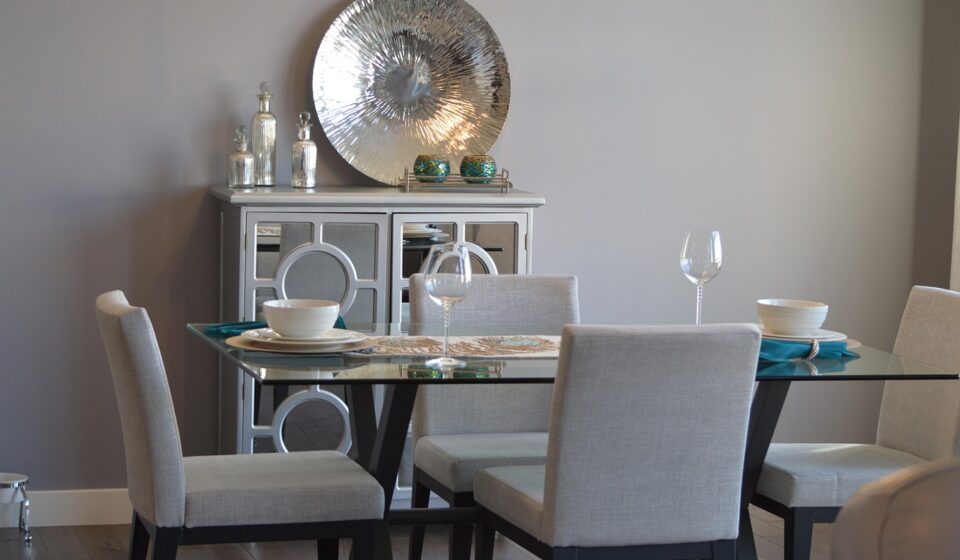
A glass and metal dining table is easiest to maintain when cleaning is gentle, moisture is removed promptly, and the glass edge is protected from impact. For everyday care, clear crumbs and loose grit first. Wipe the glass with a damp microfiber cloth or a mild non-abrasive glass cleaner, then dry it with a clean lint-free cloth. Clean the metal frame with a lightly damp cloth and mild soap, and dry seams, welds, screw heads, coated areas, and contact points where moisture can linger. Avoid abrasive pads, razor blades, strong alkaline cleaners, bleach-heavy disinfectants, and dragging plates or decor across the tabletop. More practical home surface guides are available in our care and maintenance section.
Why glass and metal tables need different care
The appeal of a mixed-material dining table is also the reason it needs a balanced maintenance routine. Glass is hard and non-porous, so it resists many food stains better than unfinished wood or porous stone. It also shows fingerprints, water spots, scratches, edge chips, and streaks quickly. Metal frames and legs are generally more forgiving in daily use, but their finish can be affected by moisture, salts, harsh chemicals, and repeated abrasion.
Safety should be part of the routine. The U.S. Consumer Product Safety Commission describes tempered glass as a material designed to break into small fragmented pieces rather than large sharp shards. ASTM F2813-18(2023), a furniture safety specification, addresses safety glass used as an unenclosed horizontal surface in desks and tables under 44 inches in height. For owners, the practical takeaway is to confirm the glass type when possible, protect the edges, and stop using the table if the glass becomes cracked or structurally compromised.
Glass top risks are often edge-related
A flat glass surface can look strong while the perimeter remains vulnerable. Chips along the edge, pressure from an uneven frame, a missing support pad, or a hard impact near a corner can create stress points. Good care therefore goes beyond wiping the visible top. Check the underside, support pads, corners, and every contact point where glass meets metal.
Metal finish risks depend on the coating
A metal dining table may use stainless steel, powder-coated steel, chrome plating, brushed metal, painted iron, aluminum, or a mixed-metal finish. These surfaces do not respond to cleaners in the same way. Stainless steel can be affected by chlorides and concentrated bleach, according to guidance from worldstainless. Painted and powder-coated finishes can dull or chip if scrubbed with abrasive pads. Chrome can show water marks and may pit if the finish is damaged and moisture sits on it. When the original care label is available, follow it before applying any general advice.
A practical cleaning routine for everyday meals
The safest routine is low-force and repeatable. Most dining-table damage does not come from one careful cleaning session. It comes from habits repeated over time: pressing crumbs into the surface while wiping, using a rough sponge because it is nearby, spraying strong cleaner into joints, leaving water around the metal base, or sliding ceramic dishes across the glass.
- Clear loose debris first. Lift placemats, plates, crumbs, salt, and decorative objects before wiping. Dry particles can act like grit.
- Use a soft damp cloth on glass. A clean microfiber cloth is usually enough for fingerprints and light food marks.
- Add mild cleaner only when needed. For greasy residue, use a small amount of mild dish soap diluted in water or a non-abrasive glass cleaner.
- Dry the glass completely. Drying reduces streaks and helps reveal any remaining spots.
- Wipe the metal separately. Use a second cloth so glass cleaner, food acids, or mineral residue are not spread onto the frame.
- Dry joints and underside edges. This is especially important where the glass rests on pads, brackets, or a metal rim.
The National Glass Association’s guidance for decorative glass emphasizes soft cloths, soft paper towels, clean synthetic sponges, and avoiding razor blades, scrapers, abrasive materials, and chemically incompatible cleaners. Even if a dining table is not decorative architectural glass, the same caution is useful because tabletop glass can be scratched by the wrong tool before the rest of the table shows wear.
How to remove common marks without making them worse
Before treating a mark, identify whether it is on the glass, on a coating, or between the glass and frame. The wrong cleaner can turn a small maintenance issue into permanent damage. Always test a cleaner on a small inconspicuous area of the metal finish, and do not flood the joint where glass meets metal.
| Problem | Safer first step | What to avoid |
|---|---|---|
| Fingerprints on glass | Microfiber cloth with a light mist of glass cleaner, then dry buffing | Paper towels that shed lint, oily furniture polish, rough sponges |
| Greasy food film | Diluted mild dish soap, followed by a clean damp wipe and dry cloth | Heavy degreasers unless the table maker confirms compatibility |
| Water spots | Damp cloth and immediate drying; repeat rather than scrub hard | Abrasive powders, steel wool, scraping tools |
| Sticky residue | Warm damp cloth held briefly over the spot, then gentle wiping | Razor blades, solvents near painted or coated metal, excessive pressure |
| Light marks on metal | Mild soap and water, wiped dry along the finish direction when visible | Bleach, chloride-heavy cleaners, abrasive pads, untested polish |
Use vinegar carefully
Vinegar is often suggested for mineral spots, but it is acidic and is not suitable for every nearby material. It may be acceptable on plain glass in diluted form, but it should not be allowed to run into metal joints, stone inlays, decorative coatings, or unsealed surfaces. If you use it, apply it to the cloth rather than spraying the whole table. Wipe only the affected glass area, then follow with clean water and thorough drying.
Do not polish metal blindly
Metal polish can improve some bare or suitable metal finishes, but it can damage others. A brushed stainless surface, chrome-plated frame, powder-coated base, and painted iron leg are different maintenance problems. If a polish contains abrasives, it can change the sheen, create uneven patches, or thin a decorative finish. For most dining tables, mild soap and water are safer than polish unless the manufacturer specifically recommends a product type.
Protecting the tabletop, edges, and frame
Protection matters more than aggressive cleaning. A glass top can stay clear for years if scratches and impacts are prevented rather than repaired later. Use placemats under ceramic dinnerware, coasters under glasses, and felt or silicone pads under centerpieces. Lift bowls, trays, laptops, and decorative objects instead of dragging them. If children use the table for crafts or homework, add a protective mat before markers, scissors, glue, or metal tools reach the glass.
Heat is another practical concern. Tempered glass has better thermal resistance than ordinary annealed glass, but sudden temperature differences can still create stress. Do not place cookware straight from the oven or stovetop onto the glass. Use trivets or heat-resistant mats, and keep very hot items away from the edges where stress concentration is more likely. Cold shock can also be a problem if a hot surface is cooled suddenly.
Check pads, bumpers, and fasteners
Many glass and metal dining tables rely on small pads, bumpers, suction points, brackets, or spacers to separate the glass from the frame. These parts help distribute pressure and reduce direct glass-to-metal contact. If a pad is missing, flattened, hardened, or shifted, the glass may sit unevenly. Replace worn pads with parts that match the table design rather than improvising with hard objects. If fasteners are loose, tighten them gently according to the table instructions; overtightening around glass can create stress.
Control moisture around metal
Water left on glass usually causes streaking. Water left on metal can become a finish problem. Around dining tables, common moisture sources include wet cups, flower vases, mopping water, humid rooms, and spills that run under the glass. Dry the underside rim and frame after spills. If the table is near a kitchen, coastal air, or a humid patio door, inspect metal parts more often for early orange staining, bubbling paint, or dull areas. See also: Building Materials.
When disinfecting is necessary, choose compatibility over strength
Household dining tables sometimes need disinfecting after illness or raw-food preparation nearby. Stronger is not always better. BIFMA announced its G8.1-2026 furniture surfaces guideline on February 20, 2026, describing it as a voluntary guideline for evaluating how furniture surfaces perform when exposed to cleaning, sanitizing, and disinfecting products. The useful lesson for owners is that cleaning chemicals interact with finishes. A disinfectant that is acceptable for a countertop may not be suitable for a coated metal frame or decorative glass surface.
For routine dining use, cleaning visible soil with mild soap and water is often the first step before any disinfectant is considered. If you must disinfect, read the product label, apply only as directed, keep it away from incompatible metal finishes, and remove residue if the label allows. Do not mix cleaners. Never combine bleach with ammonia or acidic cleaners. After disinfecting, dry metal surfaces and inspect joints where liquid could remain trapped.
Inspection and maintenance schedule
A short inspection routine helps small problems get noticed before they become expensive or unsafe. This is especially important for tables used daily, tables in homes with children, and tables that are moved for cleaning or entertaining.
| Frequency | What to do | Why it matters |
|---|---|---|
| After each meal | Remove crumbs, wipe spills, dry glass and metal contact areas | Prevents grit scratches, streaks, and moisture buildup |
| Weekly | Clean underside edges and check for sticky residue near supports | Food film and dust often collect below the visible surface |
| Monthly | Inspect corners, edges, pads, screws, and frame joints | Finds chips, missing bumpers, loose hardware, and uneven support |
| Seasonally | Deep clean the frame, check floor level, and look for coating wear | Humidity changes and repeated use can affect stability and finish |
| After moving the table | Recheck alignment, pads, fasteners, and glass seating | Movement can shift supports or add stress to the glass |
If you notice a crack, a deep edge chip, sudden wobbling, glass that no longer sits flat, or metal supports that are bent or loose, stop using the table until the issue is assessed. Cracked tempered glass is not a candidate for normal household repair. Replacement by the table manufacturer, a qualified glass supplier, or a furniture repair professional is safer than trying to glue or clamp damaged glass.
What not to do
- Do not use razor blades or metal scrapers to remove dried food from the glass.
- Do not clean with steel wool, abrasive powders, or scouring pads.
- Do not spray strong chemicals directly into the joint between glass and metal.
- Do not place very hot pans, kettles, or baking dishes directly on the tabletop.
- Do not drag ceramic, stone, metal, or unpadded decorative objects across the glass.
- Do not ignore small chips at the edge, especially near corners or support points.
- Do not assume stainless steel is immune to damage from bleach or chloride-containing cleaners.
- Do not move the table by pushing on the glass top if the design requires lifting from the frame.
Frequently asked questions
Can I use glass cleaner on the whole table?
Use glass cleaner on the glass only if it is non-abrasive and suitable for the surface. Avoid letting overspray run onto metal finishes, painted parts, decorative coatings, or joints. Wipe the metal separately with mild soap and water unless the table maker recommends another method.
How do I know whether the tabletop is tempered glass?
Some tempered glass products have an etched mark, label, order document, or manufacturer specification, but markings vary by product and market. If you cannot verify the glass type, treat it cautiously and contact the retailer, manufacturer, or a qualified glass supplier before replacing, drilling, cutting, or modifying it. Tempered glass cannot be cut or drilled after tempering without breaking.
Is a small chip in a glass dining table serious?
A tiny surface mark may be cosmetic, but an edge chip is more concerning because table edges and corners carry impact and stress risk. If the chip is sharp, growing, near a support, or accompanied by a crack, stop using the table and seek professional advice.
How often should I deep clean a glass and metal dining table?
For daily-use dining tables, a weekly underside wipe and a monthly inspection are usually more useful than frequent heavy cleaning. Deep clean seasonally or after parties, renovations, heavy use, or spills that reach the frame and supports.
Can scratches be removed from glass?
Very light surface marks may be reduced by a glass professional, but many visible scratches cannot be safely removed at home without optical distortion or additional damage. Prevention through placemats, soft cloths, and careful handling is more reliable than repair.
A practical takeaway
The best maintenance plan for a glass and metal dining table is gentle, consistent, and specific to each material. Clean glass with soft non-abrasive tools, dry metal promptly, protect the edges, keep pads and fasteners in good condition, and treat cracks or edge damage as safety issues rather than cosmetic flaws. With those habits, the table is easier to keep clear, stable, and ready for daily meals without relying on harsh chemicals or risky repair shortcuts.