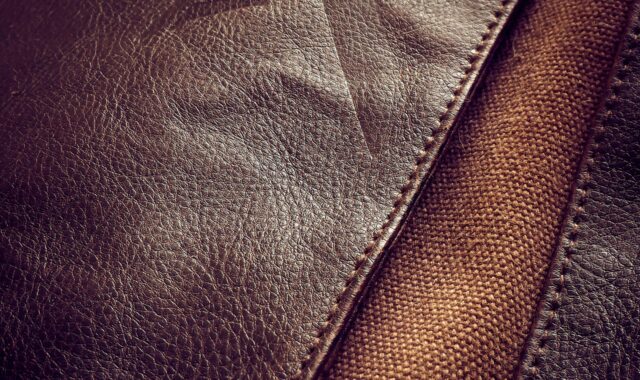
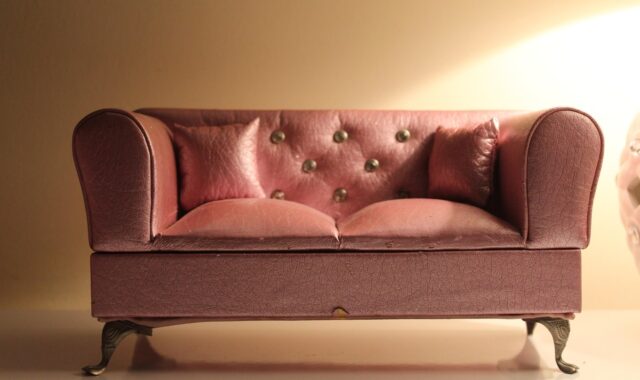
Leather furniture maintenance by leather type and daily use

a[data-rs-seo-link]{text-decoration:underline!important;color:#1a56db!important;cursor:pointer!important;}a[data-rs-seo-link]{text-decoration:underline!important;color:#1a56db!important;cursor:pointer!important;}
Leather furniture maintenance starts with knowing the surface
Leather furniture maintenance is not about scrubbing harder or applying more conditioner. A safe routine starts with identifying the leather finish, removing dust before it becomes abrasive, responding to spills quickly, and using only products that suit the material. Most everyday leather sofas and chairs are protected or pigmented leather, which can usually tolerate careful wiping with a barely damp cloth. More natural finishes such as aniline, semi-aniline, nubuck, and suede are less forgiving. They can darken, stain, or show water marks if they are treated like standard upholstered furniture.
The practical rule is straightforward: clean lightly, test first, avoid excess moisture, and stop when the label or leather type is unclear. This guide explains how to build a maintenance routine that protects comfort, color, and finish without turning normal care into avoidable damage.
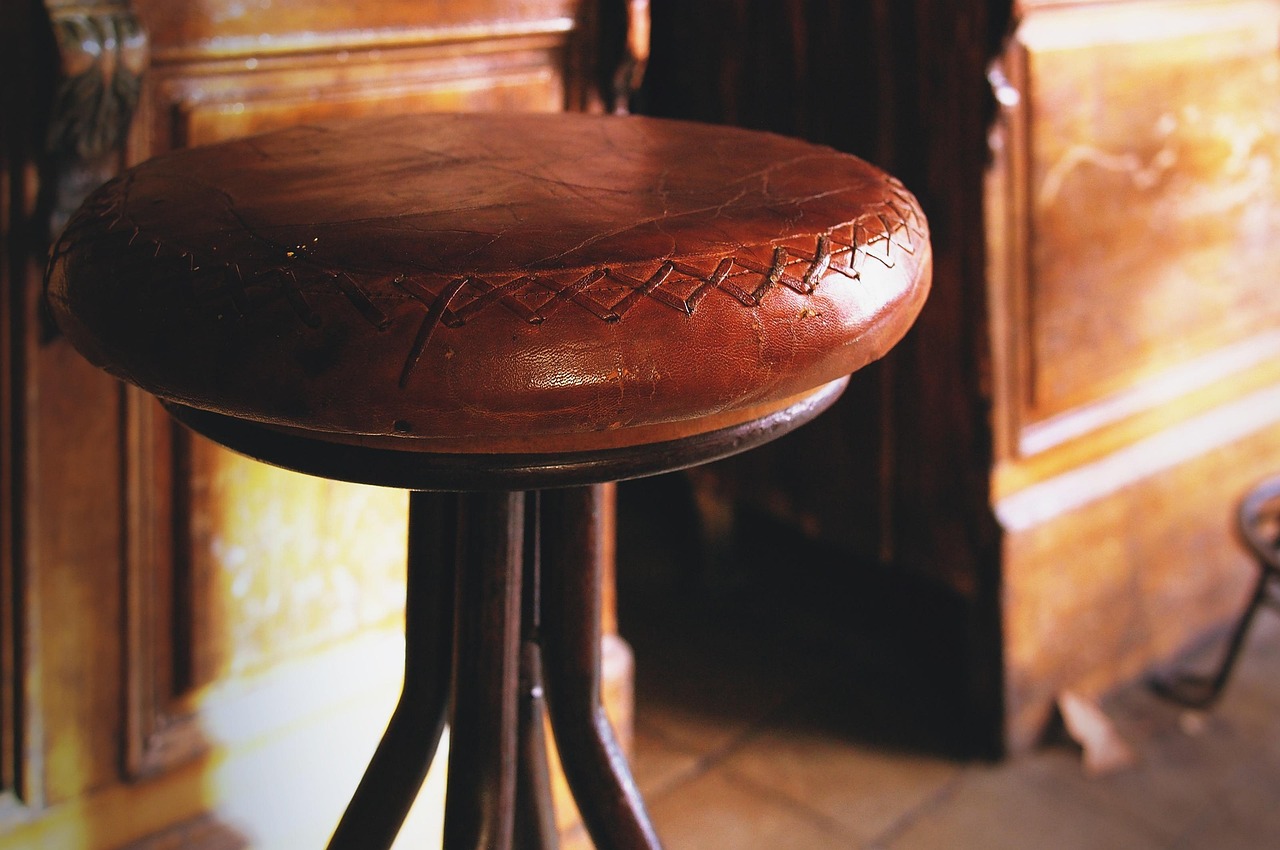
Identify the leather type before choosing any cleaner
Many cleaning mistakes happen because leather is treated as one material. In furniture, the finish matters as much as the hide. A sofa described as top-grain leather, full-grain leather, corrected grain, aniline, semi-aniline, or pigmented leather may require different care. If the furniture has a care label, product booklet, purchase invoice, or manufacturer page, use that information first.
Protected or pigmented leather
Protected leather, often called pigmented or finished leather, has a surface coating that gives it more uniform color and better resistance to light soil. This is common in family-room furniture because it balances appearance and durability. For regular maintenance, a soft dry cloth, a vacuum with a soft brush attachment, and occasional wiping with a well-wrung cloth are usually safer than aggressive cleaning sprays. Even with a protective finish, alcohol, bleach, ammonia, abrasive pads, furniture polish, and general-purpose cleaners can dull or weaken the surface coating.
Semi-aniline and aniline leather
Semi-aniline leather has a lighter protective layer than pigmented leather, while aniline leather is valued for a more natural look and feel. These finishes often show grain variation, healed marks, and color depth, but they also absorb oils and liquids more readily. A mark that remains on top of protected leather may sink into aniline leather. For these pieces, routine care should stay conservative: dust, vacuum seams gently, blot spills immediately, and use only leather products identified as suitable for that finish.
Nubuck, suede, bonded leather, and faux leather
Nubuck and suede have a nap rather than a smooth coated surface, so creams and ordinary leather conditioners can flatten or stain them. Bonded leather and faux leather are not maintained like natural hide; oils and heavy conditioners can leave residue or accelerate surface problems. When the material is not clearly genuine leather, avoid applying leather oils, waxes, or conditioners unless the product instructions specifically allow them.
A realistic maintenance schedule for leather furniture
A good routine is light but consistent. Dust, crumbs, pet hair, and grit collect in seams and on cushion surfaces. Over time, that debris can act like fine sandpaper, especially on seats, arms, and headrests where body movement is frequent. The goal is to remove soil before it becomes embedded and to reduce uneven wear across cushions.
| Frequency | Maintenance task | Why it matters |
|---|---|---|
| Weekly | Dust with a soft, dry microfiber cloth and vacuum creases with a soft brush attachment. | Removes particles that can abrade the finish during daily use. |
| As spills happen | Blot immediately with a clean white cloth. Do not rub or flood the area. | Limits spreading, dye transfer, and water rings. |
| Monthly | Check high-contact areas such as armrests, headrests, cushion fronts, and recliner panels. | Early wear, body oil buildup, and color changes are easier to manage before they become severe. |
| Every few months | Rotate loose cushions if the design allows, and review whether the leather feels dry or looks uneven. | Encourages more even wear and prevents unnecessary product use. |
| As recommended by the maker | Use a compatible leather cleaner or conditioner after testing in a hidden area. | Different finishes need different products, and some manufacturers advise against conditioners. |
If you want to compare care routines for other home materials, the Care and Maintenance section covers broader maintenance topics for furniture and building finishes.
How to clean spills without making the stain larger
Speed matters, but pressure and moisture control matter more. The first response should almost always be blotting rather than scrubbing. Use a clean, absorbent white cloth so you can see whether color is transferring from the leather or the cloth. Work from the outside of the spill toward the center to reduce spreading. If the cloth begins picking up leather color, stop and seek professional advice.
Water and clear drinks
Blot liquid immediately. On protected leather, a well-wrung cloth may help remove residue, followed by a dry cloth. On aniline or semi-aniline leather, even water can leave a visible ring, so avoid repeatedly wetting one small spot. If a water mark forms on a natural finish, professional leather cleaning may be safer than trying to blend the area with more moisture.
Food, grease, and body oils
Grease and skin oils are common on armrests and headrests. Do not use dish detergent, degreasers, alcohol wipes, or solvent cleaners unless the manufacturer specifically permits them. These products may cut oil, but they can also damage the finish. For fresh grease, gently blot the surface and avoid pressing it deeper into the leather. If a dark oil mark remains, stop; some oils migrate into natural leather and require specialist treatment.
Ink, dye transfer, and dark fabrics
Ink and dye transfer are among the hardest stains to remove safely. Denim, dark cushions, throws, and non-colorfast textiles can transfer color onto light leather, especially on absorbent finishes. Avoid home remedies such as hairspray, nail polish remover, alcohol, or abrasive erasers. They may remove the stain and the leather finish at the same time. For light-colored leather, early professional attention is often the least risky option.
Conditioning is useful only when it matches the leather
Conditioning is often presented as the center of leather furniture maintenance, but it should not be automatic. Some protected leathers need very little conditioning because the surface finish controls how products penetrate. Some aniline and semi-aniline leathers may benefit from compatible care products, but the wrong conditioner can darken the surface, create streaks, attract soil, or interfere with future repair work. Nubuck, suede, faux leather, and bonded leather can be damaged by products intended for smooth natural leather.
Before conditioning, ask three questions. Does the manufacturer recommend conditioning for this exact leather? Is the product labeled for the finish you own? Has it been tested in a hidden area and allowed to dry fully before wider use? If any answer is no, do not apply it to a visible panel.
When conditioning is appropriate, use a small amount and spread it evenly over a larger panel rather than treating one obvious spot. Heavy application can leave shiny patches or a sticky feel. Buff away excess according to the product directions. Leather should feel clean and supple after care, not greasy. See also: Building Materials.
Placement and room conditions affect cracking, fading, and mildew risk
Cleaning is only one part of leather care. Placement can decide whether a sofa ages evenly or develops dry, faded, or cracked areas. Strong sunlight can fade color and warm the surface. Radiators, fireplaces, heat vents, and intense air-conditioning flow can dry leather unevenly. A practical layout leaves space between leather furniture and direct heat sources and avoids placing sensitive pieces where afternoon sun hits the same panel every day.
Indoor moisture also matters. The U.S. Environmental Protection Agency’s indoor air guidance commonly recommends keeping relative humidity below 60 percent, ideally around 30 to 50 percent where possible, to reduce moisture-related indoor problems. That guidance is not written specifically for leather sofas, but it is a useful home benchmark: overly damp rooms can encourage musty conditions, while very dry rooms can make natural materials feel harsher over time.
For everyday homes, a balanced approach works best. Use blinds, curtains, or UV-control window treatments where sunlight is intense. Keep furniture away from HVAC vents when possible. Wipe spills quickly, but do not leave wet cloths, damp throws, or freshly cleaned cushions sitting against leather. Allow air to circulate around large pieces instead of pushing them tightly against damp exterior walls.
Mistakes that shorten the life of leather furniture
Many damaged leather pieces are not ruined by age alone; they are damaged by well-intentioned care. Avoid these common mistakes:
- Using household disinfecting wipes. Many contain alcohol or other ingredients that can haze, dry, or strip finishes.
- Scrubbing stains aggressively. Friction can remove color, flatten grain, or spread a stain beyond the original area.
- Applying oils, waxes, or saddle soap without checking compatibility. Products useful for some leather goods may be unsuitable for upholstered furniture finishes.
- Steam cleaning leather. Heat and moisture can distort finishes and push water into seams or padding.
- Spot-cleaning only the visible mark. On some leathers, this leaves a cleaner or darker patch. When the care instructions allow it, cleaning a broader panel can reduce uneven appearance.
- Ignoring body oil buildup. Headrests and armrests collect oils gradually, so waiting until they look dark or glossy makes correction harder.
- Letting pets and sharp objects contact the surface repeatedly. Claws, zippers, keys, and metal studs can scratch or puncture leather.
If leather is cracked, peeling, sticky, deeply stained, or losing color, routine maintenance is no longer the right category. Those are repair or restoration issues. Pigmented leather may sometimes be cleaned, filled, and recolored by a trained technician. Peeling bonded leather is more difficult because the surface layer itself may be failing. In either case, testing more cleaners is unlikely to solve the underlying problem.
A simple decision guide for safe leather care
Use this sequence before applying any product to leather furniture:
- Find the care label, sales description, or manufacturer instructions.
- Identify whether the surface is protected, aniline, semi-aniline, nubuck, suede, bonded, or faux leather.
- Remove loose dust and grit before adding moisture.
- Test any cleaner or conditioner in a hidden area and let it dry completely.
- Use the least aggressive method that works.
- Stop if color transfers, the surface becomes sticky, the finish dulls, or the stain spreads.
- Call a professional for ink, dye transfer, oil saturation, pet damage, peeling, cracking, or expensive natural leathers.
This sequence may feel slower than grabbing a cleaner from under the sink, but it is far less risky. Leather maintenance rewards restraint. The most durable routine usually removes soil early, controls the room environment, and avoids unnecessary chemistry.
Frequently asked questions
How often should leather furniture be cleaned?
Dusting and light vacuuming can be done weekly in active rooms. Deeper cleaning should follow the furniture maker’s instructions and the leather type. If a sofa looks clean, does not feel sticky, and has no visible buildup, more cleaning is not automatically better.
Can I use soap and water on a leather sofa?
Sometimes, but not universally. Protected leather may tolerate a carefully diluted mild solution if the manufacturer allows it, but aniline, nubuck, suede, and some specialty finishes can stain or darken with water. Always test first, use a well-wrung cloth, and avoid soaking seams or cushions.
Does every leather sofa need conditioner?
No. Conditioning depends on the finish and the manufacturer’s care guidance. Some protected leathers need little or no conditioner, while some natural leathers may need compatible products used sparingly. Faux leather, bonded leather, nubuck, and suede should not be treated with standard leather conditioner unless the care instructions specifically say so.
What should I do if leather starts cracking?
First, stop applying random cleaners or oils. Cracking may involve dryness, finish failure, heat exposure, age, or previous product damage. Light surface dryness may be improved with the correct care product, but visible cracks often require professional repair, recoloring, or panel replacement.
Is direct sunlight really a problem for leather furniture?
Yes. Prolonged direct sun can fade color and contribute to drying, especially when combined with heat. The safest approach is to position leather furniture away from intense sun, use window coverings when needed, and avoid placing sensitive leather next to heat vents or radiators.