Couch maintenance guide for fabric, leather, and everyday wear

a[data-rs-seo-link]{text-decoration:underline!important;color:#1a56db!important;cursor:pointer!important;}a[data-rs-seo-link]{text-decoration:underline!important;color:#1a56db!important;cursor:pointer!important;}
Good couch maintenance starts with the label, not the cleaner
Couch maintenance is not about finding one universal product. It is about matching the care method to the material, construction, and condition of the sofa in front of you. A fabric sectional, leather sofa, velvet loveseat, and performance-upholstered couch can each be damaged in different ways if cleaning is too aggressive.
The safest starting point is straightforward: find the manufacturer’s care label, identify the upholstery cleaning code, vacuum before any wet cleaning, blot spills instead of rubbing them, and test any product in a hidden area first. For daily-use homes, a realistic routine includes weekly dry soil removal, quick spill response, monthly cushion rotation, and seasonal checks for fading, loose seams, odors, and embedded soil. For related home surface care topics, visit the Care and Maintenance section.
How to read couch cleaning codes
Most upholstered furniture includes a tag under the seat cushion, on the platform, or beneath the frame. That tag may show a cleaning code such as W, S, W/S, WS, or X. These codes are not decorative. They indicate which cleaning method the fabric was designed to tolerate. They do not guarantee that every stain can be removed, and they do not replace the manufacturer’s full instructions, but they help prevent avoidable damage.
Professional upholstery guidance, including standards used by trained cleaners, treats fiber content, dye stability, soil type, construction, and moisture control as separate decisions. Two couches with the same code may still react differently if one is older, sun-faded, heavily soiled, or made with a delicate pile fabric. The code is a starting point, not permission to soak the sofa.
| Cleaning code | What it usually means | Home maintenance approach |
|---|---|---|
| W | Water-based cleaning is generally allowed | Use light moisture, mild upholstery cleaner, and careful blotting after a hidden test |
| S | Solvent-based cleaning is usually required | Avoid water-based stain treatments on visible areas and consider professional cleaning |
| W/S or WS | Water-based or solvent-based cleaning may be suitable | Start with the gentlest method and avoid overwetting |
| X | Vacuuming or dry brushing only | Do not apply water, steam, or liquid cleaners; use a professional if stained |
Build a routine before the couch looks dirty
Visible stains usually get the most attention, but ordinary dust and grit cause much of the long-term wear. Dry particles act like fine sandpaper when people sit, slide, nap, and move cushions. Removing that grit regularly reduces abrasion and helps the couch look better between deeper cleanings.
- Weekly: Vacuum seats, backs, arms, seams, and crevices with an upholstery attachment. Use low suction for delicate fabrics and avoid stiff brushes on velvet or loose weaves.
- Every two to four weeks: Rotate loose cushions if the construction allows it. Move high-use cushions to lower-use positions to reduce uneven compression.
- Monthly: Check under cushions for crumbs, coins, pet hair, and sharp debris that can damage lining or scratch leather.
- Seasonally: Inspect legs, frame noise, sagging, seam strain, fading, and odors. A couch often gives early warning before a small issue becomes a repair problem.
For households with pets, children, or frequent entertaining, increase the vacuuming schedule rather than the strength of the cleaner. More frequent dry maintenance is usually safer than occasional aggressive scrubbing.
Handle spills with a staged response
Fast spill response matters, but speed should not mean panic. The first goal is to remove excess liquid or residue without pushing it deeper into the cushion. Use a clean white cloth or undyed paper towel, and blot from the outside of the spill toward the center. Rubbing can distort fibers, create fuzzy patches, or drive color deeper into the upholstery.
- Remove solids first. Lift food, mud, or thick residue with a spoon or dull edge. Do not grind it into the fabric.
- Blot liquid gently. Press and lift with a clean cloth. Replace the cloth as it becomes wet or colored.
- Check the code. Do not apply a water-based cleaner to S or X coded upholstery.
- Test in a hidden spot. Look for color transfer, rings, texture changes, or lightening after the test area dries.
- Use minimal moisture. More liquid does not mean more cleaning power. Overwetting can cause rings, browning, odor, or cushion damage.
Oil-based spills, ink, dye transfer from denim, nail polish, and pet accidents can be difficult because they may involve chemistry beyond ordinary soil. If the couch is expensive, delicate, or labeled S or X, stop before experimenting with household mixtures. A professional cleaner can identify risks that are not obvious from the surface.
Adjust couch maintenance by material
Fabric upholstery
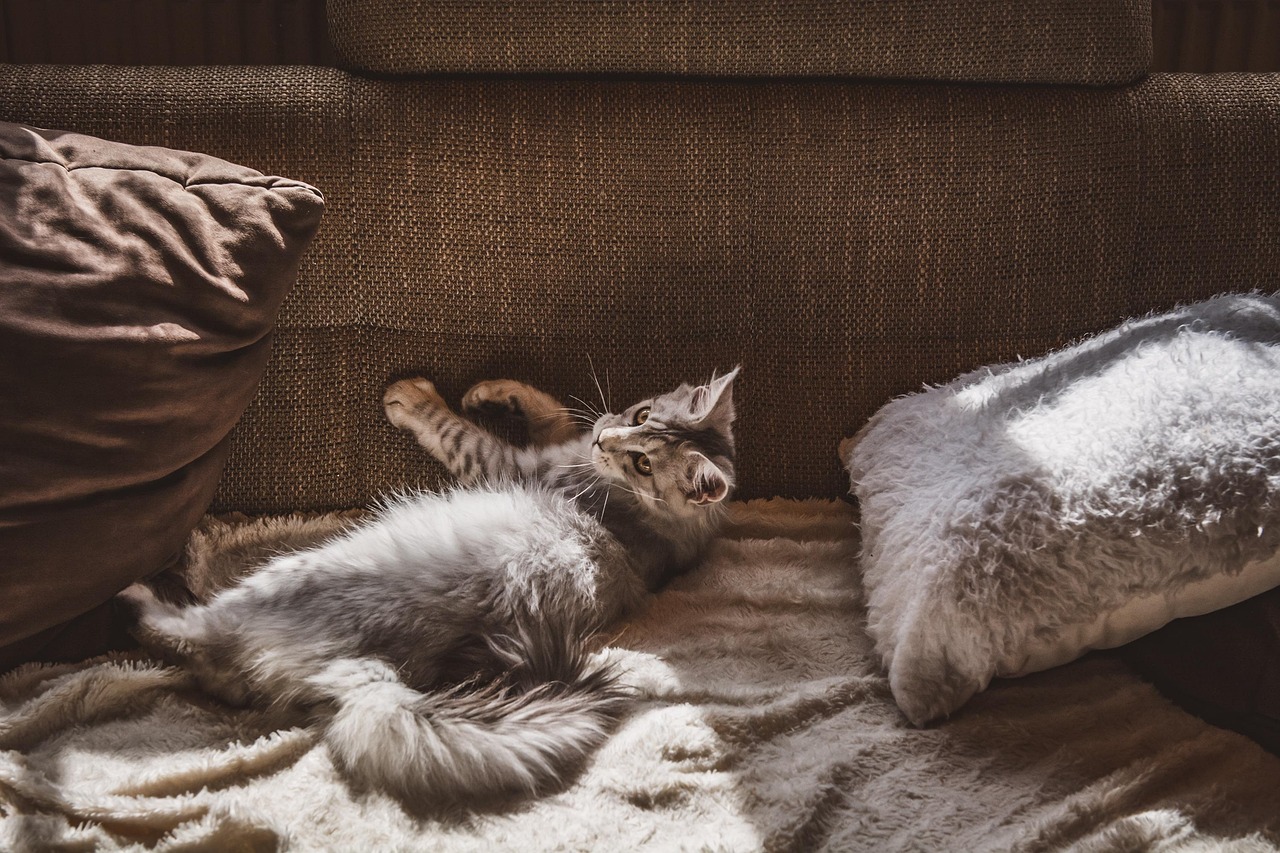
Fabric sofas need consistent dry soil removal and careful stain control. Woven fabrics can trap dust in their texture, while microfiber may show pressure marks or water rings if treated unevenly. Use the crevice tool along seams and piping because those areas collect debris and often wear first. When spot cleaning is allowed, apply cleaner to the cloth rather than pouring it directly onto the couch.
Velvet and pile fabrics
Velvet, chenille, and other pile fabrics can change appearance when the nap is crushed or brushed the wrong way. Avoid hard scrubbing. Vacuum with a soft attachment and follow the direction of the pile. If a spill occurs, blot gently and let the area dry naturally before judging the result. Some shading is a nap issue rather than a remaining stain.
Leather upholstery
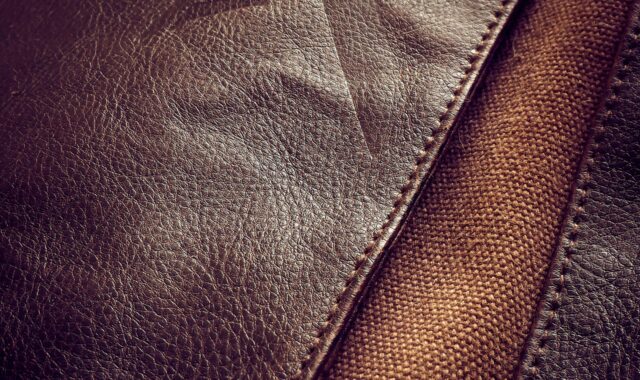
Leather maintenance is different because the material can dry, fade, absorb oils, or crack when exposed to heat and harsh chemicals. Dust with a soft dry cloth, wipe light soil with a barely damp cloth if the manufacturer allows it, and avoid all-purpose sprays, strong detergents, ammonia, bleach, and abrasive pads. Use leather cleaner and conditioner only when suitable for the specific leather type. Finished leather, aniline leather, nubuck, and suede do not respond the same way.
Faux leather and vinyl
Faux leather and vinyl are often easier to wipe, but they are not indestructible. Body oils, heat, and incompatible cleaners can weaken coatings over time. Clean gently, dry the surface after wiping, and avoid oily conditioners unless the product label specifically says they are appropriate for that material.
Performance fabrics
Performance fabric can be useful in busy homes, but the term does not mean stain-proof. It may refer to a fiber, a finish, a construction method, or a brand-specific treatment. Follow the exact care instructions rather than assuming that every performance couch can handle steam, strong detergents, or repeated wet extraction.
Control sunlight, heat, humidity, and everyday friction
Cleaning is only one part of couch maintenance. Placement and daily habits also affect service life. Direct sunlight can fade fabric and leather, especially on arms, backs, and cushion tops near windows. Heat from radiators, fireplaces, or vents can dry leather and may contribute to material stress. High humidity can slow drying after cleaning, while very dry indoor air can make leather feel less supple. See also: Building Materials.
- Keep leather and delicate fabrics away from prolonged direct sun where possible.
- Leave space between the couch and heat sources.
- Use washable throws in high-contact areas, but avoid plastic covers that trap heat and moisture.
- Trim pet nails and use dedicated pet blankets if animals regularly sit on the couch.
- Avoid sitting on arms or back cushions unless the frame is designed for that load.
Indoor air quality is also relevant. The U.S. Environmental Protection Agency’s Safer Choice program notes that fumes from some cleaning products can linger after use and may affect sensitive occupants. Good ventilation, low-odor products, and restrained product use are sensible choices when cleaning large upholstered surfaces indoors.
When deep cleaning makes sense
A couch does not need deep cleaning every time it looks slightly dull. In many cases, careful vacuuming, cushion rotation, and spot treatment are enough. Deep cleaning becomes more reasonable when the upholstery has widespread body soil, persistent odor, heavy pet use, water-safe fabric that has not been cleaned in a long time, or visible soiling across full cushions rather than one small spot.
Before using a rented extractor, steam cleaner, or upholstery machine, check the label and construction. Overwetting is one of the biggest risks in home deep cleaning. Moisture can move into foam, batting, wood, or metal components and create odor, staining, corrosion, or slow drying. Even on W or WS coded fabric, repeated passes and excessive detergent can leave residue that attracts new soil.
Professional cleaning is worth considering when the couch is labeled S or X, the fabric is velvet or silk-like, the stain involves dye or oil, the furniture is expensive, or the cushion cannot be safely dried. It is also sensible when previous cleaning attempts have created rings or uneven color.
Common couch maintenance mistakes to avoid
- Using carpet cleaner as a default upholstery cleaner. Carpets and couches have different construction, drying conditions, and fabric stability.
- Scrubbing a stain hard. This can distort texture and make the damaged area more visible than the original spill.
- Ignoring the hidden test. A cleaner may look safe at first and still dry with a ring, faded patch, or residue.
- Soaking cushions. Deep moisture is difficult to remove and can create odor or internal damage.
- Applying leather conditioner to every smooth surface. Some coated, faux, or specialty leathers may not benefit from ordinary conditioner.
- Assuming natural cleaners are always safe. Vinegar, baking soda, alcohol, and essential oils can still damage dyes, finishes, or coatings.
The best maintenance habit is restraint. Remove dry soil often, treat spills quickly, and use the least aggressive method that matches the couch label. If a stain is not improving after one careful attempt, repeating the same process usually increases the risk of damage.
Frequently asked questions
How often should I vacuum my couch?
For normal use, weekly vacuuming is a practical baseline. Homes with pets, children, food on the sofa, or heavy daily use may need vacuuming two or three times per week, especially in seams and under cushions.
Can I use dish soap on a fabric couch?
Only if the couch label allows water-based cleaning and the soap is used in a very diluted, controlled way after a hidden test. Too much soap can leave residue, and residue can attract new soil. Do not use dish soap on S or X coded upholstery.
Is steam cleaning safe for couches?
Steam is not automatically safe. It can affect dyes, adhesives, padding, and moisture-sensitive fabrics. Check the care code and manufacturer instructions before using steam. For X, S, delicate pile, or unknown fabrics, avoid home steam cleaning.
How can I keep a leather couch from cracking?
Keep it away from strong sunlight and heat, dust it regularly, wipe it only as recommended, and use leather-specific conditioner when appropriate for that leather type. Avoid harsh household cleaners and oily products not intended for furniture leather.
What should I do if my couch has no care label?
Treat it as unknown and proceed cautiously. Vacuum first, avoid soaking, test any method in a hidden area, and consider professional advice before treating large stains. Without a label, the risk of color loss, rings, or texture change is higher.