Concrete wall finish interior ideas for durable modern spaces
a[data-rs-seo-link]{text-decoration:underline!important;color:#1a56db!important;cursor:pointer!important;}a[data-rs-seo-link]{text-decoration:underline!important;color:#1a56db!important;cursor:pointer!important;}
What a concrete wall finish means indoors
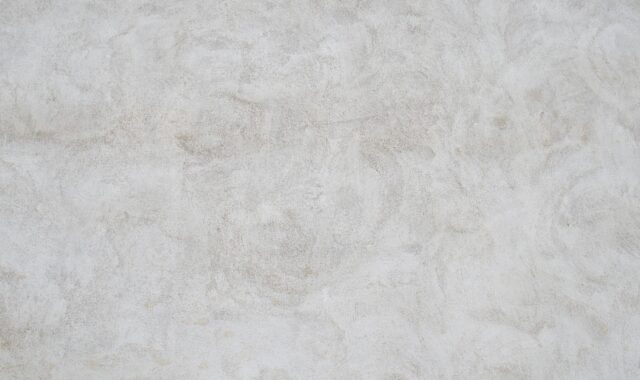
For a concrete wall finish interior specification, the first step is to identify what the surface actually is: cast-in-place concrete, precast concrete, concrete masonry, or a concrete-look coating over another substrate. Exposed structural concrete can work as a refined architectural surface, but it must be coordinated early around formwork, joints, tie holes, patching, lighting, and sealers. Microcement and cement-based skim coats can create a similar visual language over drywall, plaster, tile, or masonry, but their performance depends on substrate preparation and the proprietary system used. The finish decision is therefore not only aesthetic. It affects fire documentation, silica dust control during cutting or grinding, indoor air quality, moisture movement, cleanability, and the visibility of future repairs.
Industry guidance from the American Concrete Institute treats architectural concrete as concrete that remains permanently exposed to view and therefore requires special care in material selection, forming, placing, and finishing. That definition matters because an exposed concrete wall is not a normal wall hidden behind paint. Tie holes, cold joints, patches, bug holes, color variation, and form marks may all become part of the final design.
For broader material comparisons across walls, floors, ceilings, and surface systems, the Interior Finishes section can help place concrete in context with other finish categories.
Main interior concrete wall finish options
Interior concrete finishes range from structural surfaces left in view to thin decorative coatings. The table below compares common approaches and the situations where each one is usually considered.
| Finish option | Typical use | Strengths | Key limitations |
|---|---|---|---|
| Exposed cast-in-place concrete | Feature walls, stair cores, basements, lofts, commercial interiors | Authentic depth, high durability, no added wall covering when detailed correctly | Hard to change later; formwork, pour quality, patching, and lighting must be planned early |
| Precast or tilt-up concrete panels | Commercial shells, large-format walls, industrial interiors, adaptive reuse | Factory or controlled casting can improve consistency; panels can use form liners or aggregate exposure | Panel joints, lifting inserts, tolerances, and transport limits influence the final appearance |
| Architectural concrete masonry units | Schools, offices, retail, utility spaces, hospitality accents | Can combine structure and finish; available in split-face, ground-face, polished, scored, or colored units | Mortar joints are visible; unit sampling and workmanship strongly affect the result |
| Cement plaster or interior render | Masonry walls, renovation projects, rustic or mineral interiors | Creates a continuous mineral surface and can hide irregular substrates | Needs a compatible substrate, proper curing, crack control, and suitable coating chemistry |
| Microcement or concrete-look skim coat | Bathrooms, kitchens, retail counters, drywall feature walls, remodels | Thin build-up and flexible design possibilities; useful where structural concrete is not present | Performance varies by manufacturer; waterproofing, primer, reinforcement mesh, and sealer are critical |
| Stain, mineral wash, paint, or clear sealer | Existing concrete walls or masonry that need color control, dust reduction, or cleanability | Can preserve texture while improving usability | Film-forming coatings may peel if moisture is trapped; color tests are essential |
The key distinction is whether the finish is created by the concrete itself or applied after the structure is built. A board-formed wall, for example, is shaped by form boards before the concrete cures. A limewash, acrylic coating, or silicate mineral stain is a later surface treatment. Both can look natural, but they carry different risks, costs, repair methods, and specification language.
How to choose the right finish for a room
Start with the substrate, not the sample
A small sample board can be misleading if the actual wall is cracked, damp, dusty, coated with unknown paint, or built from mixed materials. Before selecting a finish, identify whether the wall is cast concrete, CMU, plaster, drywall, tile, or a hybrid assembly. Existing paint, curing compounds, form-release agents, efflorescence, oil contamination, and high moisture levels can interfere with adhesion or change the color of stains and sealers.
On new construction, decide early whether the concrete will remain visible. Exposed architectural concrete normally requires coordinated specifications for cement color, aggregate, formwork, tie spacing, reveals, joint layout, vibration, curing, patching, and mockups. Treating exposed concrete as an afterthought usually leads to costly grinding, patching, or opaque coatings later.
Match sheen to light and touch
Concrete can change noticeably under grazing light. A wall that appears smooth in a showroom may show waves, form lines, patch marks, or trowel variation when lit from the side. Matte and low-sheen sealers tend to preserve a mineral feel, while high-gloss coatings can make uneven walls look more commercial or wet. In residential interiors, low-sheen finishes are often easier to coordinate with wood, textiles, and soft lighting.
Touch matters as well. Split-face masonry and heavy board-formed concrete create strong shadow and texture, but they can hold dust and feel rough in narrow circulation areas. Honed CMU, smooth precast, and microcement are usually easier to clean where people regularly brush against the wall.
Plan joints and cracks as design elements
Concrete moves, shrinks, and cracks. A successful interior finish does not ignore that behavior; it organizes movement so it looks intentional. Reveals, saw cuts, panel joints, control joints, and shadow gaps can align with doors, ceilings, millwork, lighting, and tile transitions. When joints are not planned, random cracks and patch repairs become more visible.
For concrete-look coatings over drywall or tile, crack control is a system issue rather than a styling detail. Substrate movement, board joints, wet-area waterproofing, mesh reinforcement, primer compatibility, and sealer flexibility all influence whether the surface stays coherent.
Performance, code, and indoor air considerations
Fire performance is about the whole finish system
Concrete itself is noncombustible, but interior finish compliance is not always solved by the base material alone. The International Building Code addresses interior wall and ceiling finishes through flame spread and smoke-developed performance, with requirements varying by occupancy, room type, and local code adoption. Coatings, resinous sealers, foam-backed panels, wallcoverings, adhesives, and decorative overlays may need documentation from the manufacturer or design professional.
For commercial interiors, specify the complete wall assembly: substrate, primer, coating, sealer, adhesive, and any decorative layer. A decorative concrete effect does not automatically carry the same fire performance as bare concrete.
Silica dust control is essential during grinding or cutting
Dry grinding, cutting, drilling, or abrasive blasting of concrete can create respirable crystalline silica dust. OSHA’s construction silica standard identifies concrete work as an exposure concern and requires employers to use appropriate controls. In practical terms, interior projects should avoid uncontrolled dry grinding. Contractors should use compliant wet methods, local exhaust, HEPA-filtered dust collection, isolation of work areas, and proper cleanup methods where required.
This is especially important in renovations, where occupants may assume a concrete wall can simply be sanded until it looks better. A safer specification reduces field grinding by planning the desired finish earlier, using factory-made panels where practical, or choosing a coating system that requires less aggressive surface removal.
VOC claims need careful reading
Concrete-look interiors often rely on primers, densifiers, stains, acrylic sealers, polyurethane topcoats, epoxy coatings, or waxes. EPA indoor air guidance notes that product emissions and ventilation matter during remodeling. It also cautions that “low VOC” or “no VOC” labels do not automatically address every indoor air concern. For occupied homes, schools, hospitality spaces, and healthcare settings, ask for product data on emissions, curing time, ventilation needs, odor, and reoccupancy guidance rather than relying only on marketing language. See also: Building Materials.
Moisture movement can make or break the finish
Concrete and masonry can hold and transmit moisture. In basements, ground-contact walls, and older buildings, a non-breathable coating may blister, peel, darken, or trap salts behind the surface. Efflorescence is not only a visual issue; it can indicate moisture movement through the wall. Before applying microcement, paint, or a film-forming sealer, assess leaks, vapor drive, drainage, and previous waterproofing attempts.
Where moisture conditions are uncertain, vapor-permeable mineral finishes may be more forgiving than thick impermeable coatings, but the right solution depends on the wall assembly and local conditions.
Design details that make concrete walls feel intentional
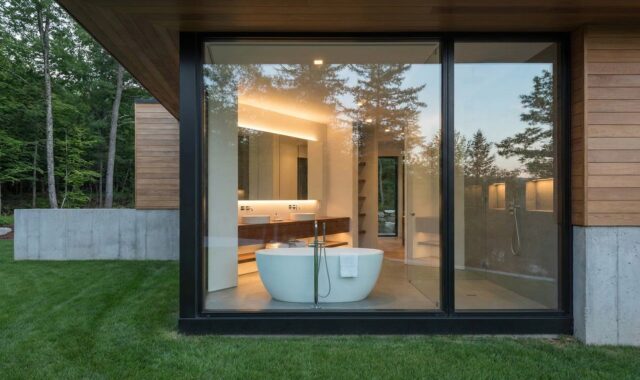
Concrete has visual weight. Without careful detailing, it can make an interior feel unfinished, cold, or loud. Successful rooms usually balance concrete with warmer or softer materials such as timber, textiles, acoustic panels, plants, rugs, warm metal, or indirect lighting. The aim is not to hide the concrete, but to give the eye contrast.
- Use reveals instead of awkward caulk lines. Shadow gaps at ceilings, door frames, millwork, and base details make the wall look planned.
- Control the color palette. Natural concrete ranges from warm gray to blue-gray or beige depending on cement, aggregate, water content, curing, and coatings. Always review samples under project lighting.
- Avoid over-polishing vertical surfaces. Very glossy concrete walls can show waves and repairs. A satin or matte finish often looks more architectural.
- Respect texture in small rooms. Heavy texture can be dramatic on one feature wall but visually busy on every surface.
- Coordinate acoustics. Concrete reflects sound. In restaurants, offices, and open-plan homes, balance hard walls with absorptive ceilings, furnishings, curtains, or acoustic treatments.
Board-formed concrete, form-liner textures, exposed aggregate, honed masonry, and troweled microcement each create a different design effect. The right choice should support the room’s function, not simply copy an image from a trend board.
Maintenance and lifecycle planning
A concrete wall can be low maintenance, but it is not maintenance-free. Bare concrete may dust or absorb oils and stains. Clear sealers can reduce dusting and improve cleanability, but they also introduce a finish layer that may scratch, yellow, darken, or need renewal depending on chemistry and exposure. Stains and mineral washes may age more naturally. Opaque coatings are easier to repaint, but they reduce the raw concrete character.
| Issue | Likely cause | Planning response |
|---|---|---|
| Patch marks stand out | Repair mortar, curing variation, or different porosity | Approve mockups and test stains or sealers on repaired areas before full application |
| White powder or salts appear | Moisture movement and efflorescence | Address the water source before applying a coating |
| Wall looks darker after sealing | Sealer deepens color or changes reflectance | Test the exact product and sheen on the actual wall |
| Hairline cracks become visible | Shrinkage, movement, substrate joints, or coating stress | Use control joints, flexible detailing, or a system with reinforcement where suitable |
| Surface is hard to clean | Heavy texture or porous finish | Use smoother textures in touch zones and specify appropriate sealers |
Lifecycle value comes from choosing a finish that can be repaired without drawing attention to every touch-up. A highly uniform gray wall may look elegant on day one but expose later repairs. A subtly mottled mineral finish can be more forgiving in active spaces.
When a concrete-look coating is more practical than exposed concrete
Exposed concrete is not always the right answer. In many renovations, the existing wall may be too irregular, too damp, too patched, or simply not concrete at all. Microcement, lime-based plaster, cementitious skim coat, mineral paint, or a concrete-effect coating can achieve the desired atmosphere with less structural disruption. These systems are especially useful where the design calls for a continuous look across drywall, tile, cabinetry surrounds, or small bathroom surfaces.
The tradeoff is that a coating must be specified as a complete system. Primer, base coat, reinforcement, decorative layer, waterproofing, and sealer should come from compatible products or an approved assembly. A concrete-look finish in a shower, for example, is not waterproof just because it looks mineral. Wet-area detailing should rely on the waterproofing system behind or within the finish, not on appearance alone.
Frequently asked questions
Is an interior concrete wall finish suitable for bathrooms?
Yes, but the finish must be paired with proper waterproofing, ventilation, and compatible sealers. In wet areas, do not treat decorative microcement or plaster as a substitute for a tested waterproofing assembly unless the manufacturer specifically approves that use.
Can drywall be finished to look like concrete?
Yes. Concrete-look coatings, lime plasters, mineral paints, and microcement systems can be applied over prepared drywall in many interiors. The substrate must be stable, clean, properly primed, and detailed to control cracking at board joints and corners.
Does exposed concrete need a sealer indoors?
Often it does, especially where dusting, fingerprints, food splashes, or cleaning are concerns. The sealer choice should match the room: breathable mineral treatments may suit some masonry walls, while washable coatings may be needed in commercial or high-touch spaces.
Will concrete walls make a room noisy?
They can. Concrete reflects sound, so rooms with concrete walls, hard floors, and exposed ceilings may need acoustic balance from rugs, curtains, upholstered furniture, acoustic ceiling treatments, or wall-mounted absorptive elements.
What is the safest way to refresh an old concrete wall?
Start with inspection and cleaning rather than aggressive grinding. If grinding, cutting, or drilling is needed, use qualified contractors with appropriate silica dust controls. Then test patching, stain, or sealer options on a small area before treating the full wall.