How to choose sofa set cloth material for durability, comfort, and care

a[data-rs-seo-link]{text-decoration:underline!important;color:#1a56db!important;cursor:pointer!important;}a[data-rs-seo-link]{text-decoration:underline!important;color:#1a56db!important;cursor:pointer!important;}
The short answer
The best sofa set cloth material is not always the softest fabric, or the one with the highest rub count. In most homes, the better choice is an upholstery fabric that fits the way the sofa will be used: daily traffic, cleaning habits, climate, sunlight, pets, and the room’s design style. Polyester or olefin blends often work well in busy family rooms because they resist everyday wear and are usually easier to maintain. Cotton, linen, wool, velvet, chenille, and microfiber can also be good choices when their performance data and care codes match the room.
Before choosing by color, ask for the fiber content, abrasion rating, pilling rating, cleaning code, and any relevant safety or textile certification information. If you are comparing sofas as part of a larger renovation, our Buying Guides section can help you evaluate materials with the same practical approach.
What sofa cloth material really means
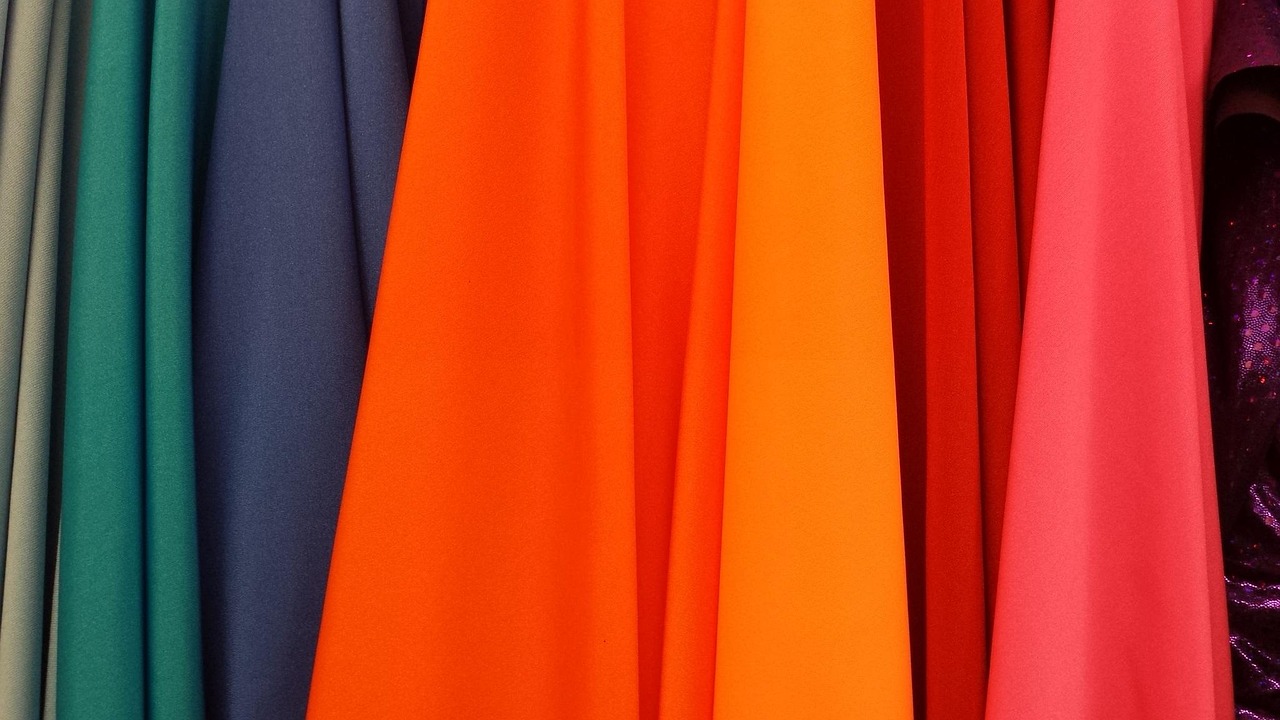
When a seller describes a sofa as cloth, fabric, or upholstered, that wording can cover many materials. The visible surface may be cotton, linen, polyester, acrylic, nylon, olefin, wool, rayon, viscose, or a blend. The hand feel may come from the weave, pile, finish, backing, or cushion construction as much as from the fiber itself.
This is why two sofas labeled polyester can feel completely different. One may use a tight flat weave with a crisp surface, while another may be a soft microfiber or a velvet-like pile. A linen blend can look casual and breathable, but its wrinkle behavior and stain response still depend on the exact blend and finish.
Natural fibers
Cotton and linen are popular because they feel familiar, breathable, and relaxed. Wool is valued for resilience and a warmer hand. These fibers can suit formal rooms, reading areas, and homes where texture is a priority. Their main limitation is care: depending on the finish, natural fibers may absorb stains more readily, wrinkle, fade, or require more careful cleaning.
Synthetic fibers and blends
Polyester, olefin, acrylic, and nylon are common in modern upholstery because they can be engineered for abrasion resistance, color retention, and easier spot care. Blends are especially common because they combine qualities. For example, a cotton-polyester blend may feel softer than a fully synthetic cloth while improving durability and reducing wrinkling compared with some pure natural fabrics.
Weave, pile, and finish
Fiber is only one part of performance. A tight weave often resists snagging better than a loose open weave. Microfiber can hide small marks and feel soft. Velvet and chenille add depth and richness, but their pile can show pressure marks, shading, or grooming patterns. Performance finishes may help repel liquid or improve cleanability, but they do not make a sofa maintenance-free.
Compare common sofa set cloth materials
The table below summarizes practical differences among common upholstery options. Use it as a starting point, not a universal ranking, because each fabric line has its own construction and test results.
| Material | Typical strengths | Possible limits | Good fit |
|---|---|---|---|
| Polyester | Durable, widely available, often stain resistant, broad color range | Can hold heat, may pill in lower-quality constructions | Family rooms, rentals, everyday seating |
| Olefin | Good resistance to moisture and many stains, often colorfast | Can be sensitive to heat and oily soils | Casual rooms, bright spaces, active households |
| Acrylic | Often used for fade-resistant fabrics, wool-like feel in some constructions | Quality varies; may pill if loosely constructed | Sunny rooms, decorative upholstery, indoor-outdoor styles |
| Nylon blend | Strong fiber, can improve abrasion performance in blends | Less common as the main visible fiber in residential sofas | High-use upholstery blends |
| Cotton | Soft, breathable, natural feel, takes color well | Can stain, wrinkle, or fade without protective finish | Low- to moderate-use rooms, slipcovered looks |
| Linen | Crisp texture, elegant casual appearance, breathable | Wrinkles easily, may stain and require careful cleaning | Formal living rooms, adult spaces, relaxed interiors |
| Wool | Resilient, warm, textured, often durable in quality upholstery | Higher cost, may require professional cleaning | Premium seating, cooler rooms, design-led spaces |
| Velvet or chenille | Soft hand, rich color depth, decorative texture | Pile can show marks, shading, pet hair, or pressure patterns | Statement sofas, low-snag households, formal rooms |
| Microfiber | Soft, dense, often easy to vacuum and spot clean when code allows | May show body oils or directional shading | Kids, pets, movie rooms, casual seating |
Read the performance data before the color
Upholstery performance is not defined by one number. A fabric that looks good in a showroom can disappoint if it pills, fades, stretches at seams, or cannot be cleaned after a common spill. Ask for a fabric specification sheet whenever possible.
Abrasion ratings are useful but limited
Many upholstery fabrics are tested by Wyzenbeek double rubs in North America or Martindale cycles in other markets. The Association for Contract Textiles describes abrasion testing as a measure of surface wear from friction, and its published guidance treats 15,000 Wyzenbeek double rubs or 20,000 Martindale cycles as a common low-traffic commercial benchmark. Higher numbers can be useful, but they should not be treated as a direct prediction of sofa life.
ACT also cautions that Wyzenbeek and Martindale results do not convert directly to each other, and very high numbers are not proof that a fabric will last proportionally longer. Real-life durability also depends on cleaning, seam construction, cushion shape, sunlight, pets, body oils, and how people sit on the sofa.
Pilling, seam strength, and colorfastness matter
Pilling is the formation of small fiber balls on the surface. It can make a sofa look older even when the fabric has not torn. Seam slippage matters because loose yarns can pull apart where cushions are stitched. Colorfastness is important in rooms with large windows or strong artificial light. If a sofa will sit near direct sun, ask specifically about lightfastness rather than assuming all dark fabrics fade at the same rate.
Cleaning codes can decide whether a fabric fits your life
Cleaning codes are short letters that indicate suitable cleaning methods. Code W usually means water-based cleaning products may be used. Code S means solvent-based cleaning is recommended and water should be avoided. Code WS or SW means either water-based or solvent-based methods may be allowed. Code X means vacuuming or brushing only, with no water or solvent cleaning. Always follow the manufacturer tag and test in an inconspicuous area before spot cleaning.
For a household with children, pets, snacks, and frequent entertaining, a beautiful Code S or Code X fabric may be less practical than a slightly plainer fabric with a more forgiving care code. Cleanability is part of durability because stains, rings, and over-wetting can shorten the useful life of upholstery.
Match the material to your household
The same sofa set cloth material can be practical in one home and frustrating in another. Start with the room and the use pattern, not just the fabric name.
For families and pets
Look for tight weaves, microfiber, or tested performance blends with a clear cleaning code. Avoid very loose weaves if pets scratch, or if children climb on the sofa with toys, zippers, or rough clothing. Medium colors and textured patterns can hide lint and small marks better than solid black, bright white, or very smooth velvet.
For warm climates and long sitting sessions
Breathability and hand feel matter when a sofa is used for long periods. Cotton, linen blends, and some woven polyester blends can feel cooler than dense pile fabrics. Natural fibers may need more careful stain management, so the better compromise may be a blended fabric with a breathable weave and a practical cleaning code. See also: Building Materials.
For sunny rooms
Sunlight can fade or weaken many textiles over time. If the sofa will sit near large windows, ask about lightfastness, consider window treatments, and avoid choosing only by showroom color. Acrylic and solution-dyed synthetic fabrics are often marketed for better fade resistance, but the actual specification should guide the decision.
For formal rooms
If the sofa is used mainly for guests, reading, or occasional seating, you may prioritize texture, drape, and appearance over maximum abrasion numbers. Linen blends, wool blends, velvet, and chenille can all be suitable when the room is lower traffic and the cleaning limits are understood before purchase.
Safety, labeling, and certification points worth checking
Fabric performance should be reviewed together with labeling and safety information. This is especially important for upholstered furniture sold in the United States.
Flammability rules are about smolder resistance, not fireproof furniture
The U.S. Consumer Product Safety Commission implemented 16 CFR Part 1640 for upholstered furniture manufactured, imported, or reupholstered on or after June 25, 2021. The rule incorporates California Technical Bulletin 117-2013, which focuses on smolder resistance of materials used in upholstered furniture. Labeling requirements followed for products manufactured, imported, or reupholstered on or after June 25, 2022.
For buyers, the practical point is simple: a compliance label is not a claim that the sofa is fireproof, and it does not automatically tell you whether chemical flame retardants were used. If that concern matters to your household, ask the retailer or manufacturer for the product’s specific disclosure and documentation.
Fiber content should be specific
Terms such as fabric, linen look, soft touch, or performance cloth are marketing descriptions, not full material specifications. U.S. Federal Trade Commission guidance on covered textile products emphasizes generic fiber names and percentages by weight. When comparing sofas, ask for precise content such as 92 percent polyester and 8 percent linen, rather than relying on a general style name.
Chemical testing labels have limits
OEKO-TEX Standard 100 is a well-known textile label for materials tested for harmful substances. It can be a useful signal, especially for fabrics in close daily contact with skin. However, it is not the same as an organic certification, and it does not by itself rate abrasion, stain resistance, seam strength, or sofa frame quality.
A practical buying checklist
Use this checklist before ordering a sofa set, especially online where touch and scale are harder to judge.
- Ask for the full fabric composition. Do not rely only on names such as linen look, velvet feel, or performance fabric.
- Check the abrasion method. Compare Wyzenbeek with Wyzenbeek or Martindale with Martindale, not one against the other.
- Look for pilling and colorfastness information. These affect how the sofa looks after months of real use.
- Read the cleaning code. A fabric that cannot be spot cleaned may not suit a busy household.
- Consider the weave. Tight weaves usually handle active use better than loose, snag-prone textures.
- Think about sunlight. Ask about fade resistance if the sofa sits near windows.
- Request a swatch. Test the color under your home lighting and feel the surface against your skin.
- Check the label and documentation. Look for relevant flammability compliance, fiber content, and certification details where applicable.
- Balance fabric with construction. Even strong cloth cannot compensate for weak cushions, poor stitching, or an unstable frame.
Frequently asked questions
What is the most practical sofa set cloth material for everyday use?
For many everyday homes, a tight-woven polyester blend, microfiber, olefin blend, or other tested performance fabric is practical because it can balance durability, cost, and care. The final choice should still depend on the cleaning code, abrasion test, pilling rating, climate, and comfort preferences.
Is cotton or linen good for a sofa?
Cotton and linen can be good choices for style, breathability, and natural texture. They are often better for moderate-use or formal spaces unless they are blended or finished for improved performance. If you choose them for a busy room, pay close attention to stain protection, cleaning code, and removable-cover care instructions.
Are high double rubs always better?
No. A higher abrasion number can indicate stronger resistance to one type of surface wear, but it is not a complete durability score. Industry guidance notes that maintenance, application, cleaning, pilling, seams, and fabric construction also affect real-life performance. Extremely high numbers should not be treated as a guarantee of longer sofa life.
What fabric should pet owners avoid?
Pet owners should be cautious with loose weaves, delicate linen, silk-like fabrics, and deep pile surfaces that trap hair or show claw marks. Tight weaves, microfiber, and certain performance fabrics are usually easier to live with, but no upholstery is fully scratch-proof.
Should I choose fabric or leather for a sofa set?
This guide focuses on cloth upholstery, but the choice depends on your priorities. Cloth often offers more color, texture, and price variety, while leather can be easier to wipe but may scratch, warm up, or require conditioning. If comfort, pattern, and a softer textile feel matter most, a well-specified fabric sofa set is usually the better direction.