Outdoor furniture teak wood guide for patio installation and care
a[data-rs-seo-link]{text-decoration:underline!important;color:#1a56db!important;cursor:pointer!important;}a[data-rs-seo-link]{text-decoration:underline!important;color:#1a56db!important;cursor:pointer!important;}
What teak does well outdoors
In patio projects, outdoor furniture teak wood is valued because quality teak heartwood combines natural durability, dimensional stability, and a dense feel suited to dining sets, benches, lounge chairs, coffee tables, and sectional frames. It is not maintenance-free, but it is more forgiving outdoors than many softwoods. The key question is not simply whether teak can be used outside; it can. The better question is whether the furniture is made from suitable material, placed on a surface that drains, assembled without stress, and maintained for the appearance you want.
The USDA Forest Products Laboratory explains that the service life of wood used outdoors is shaped by weathering and decay. The Royal Horticultural Society also notes that teak changes from golden brown to silvery gray as it weathers. Those two points matter in real installations: teak can last outdoors, but sun, rain, damp debris, salt air, sprinklers, and winter storage conditions still affect how it looks and performs. (research.fs.usda.gov) (rhs.org.uk)
This guide focuses on installation and care rather than brand claims. Use it when setting up teak furniture on patios, decks, balconies, pool areas, and garden seating zones where drainage, movement, cleaning, and finish choice all influence long-term performance.
Why teak is different from ordinary patio wood
Teak is a tropical hardwood, and its outdoor reputation is mainly linked to heartwood extractives, natural oils, and density. These characteristics help the wood handle moisture cycling better than many common furniture woods. However, not all teak performs the same way. Heartwood is usually the most desirable portion for outdoor furniture, while sapwood or very young plantation material may have lower natural durability.
A study in Annals of Forest Science compared short-rotation teak harvested at 7–10 years with long-rotation teak harvested at 40–60 years. It found that short-rotation teak was less dense and less durable, largely because it had lower heartwood and extractive content. For buyers, the useful lesson is straightforward: the species name alone is not enough. Ask whether the furniture uses genuine teak, whether the visible components are mostly heartwood, and whether the seller can explain the grade and source. (annforsci.biomedcentral.com)
For responsible sourcing, look for credible chain-of-custody information rather than vague terms such as “eco teak” or “premium teak.” The Forest Stewardship Council describes FSC 100%, FSC Mix, and FSC Recycled as distinct labels with different material meanings. Certification is not the only possible evidence of responsible sourcing, but it is more useful than an unsupported marketing phrase. (us.fsc.org)
Before installation, check the site and the furniture
Good installation starts before the first bolt is tightened. Teak furniture often arrives partly assembled, but the long-term result depends on level support, ventilation, and protection from standing water.
Check the surface
Place teak furniture on a stable surface such as stone pavers, concrete, composite decking, porcelain tile, or a well-built timber deck. Uneven ground can twist chair legs and table frames, especially when people sit down, lean to one side, or pull chairs in and out. If the furniture will stand on gravel, grass, or soil, use flat pavers under the feet. This reduces moisture contact and helps prevent wobble.
Plan drainage and airflow
Teak tolerates outdoor exposure, but it should not sit in trapped water. Avoid locations where sprinklers hit the same legs every day, where downspouts splash onto the frame, or where leaves collect under the seat. Airflow matters because damp debris can hold moisture against joinery and fasteners. A small gap between furniture and walls also helps the wood dry after rain.
Inspect hardware and joinery
Before assembly, sort bolts, washers, caps, and wooden plugs. Check mortise-and-tenon joints, pre-drilled holes, and folding mechanisms for shipping damage. Stainless steel or other corrosion-resistant hardware is preferred outdoors, especially near pools or coastal air. If a screw feels misaligned, do not force it. Back it out and realign the part. Cross-threaded fasteners can weaken the joint and make future maintenance harder.
How to install teak patio furniture correctly
Most teak furniture installation is careful assembly rather than construction. The goal is to create a square, stable frame without over-tightening the wood or locking parts under stress.
- Unpack on a clean surface. Use cardboard or a blanket to protect the teak from grit and concrete dust during assembly.
- Group parts by furniture piece. Keep dining chairs, table legs, arms, stretchers, and cushions separate if several items arrive together.
- Read the sequence before tightening. Many frames should be loosely assembled first, then tightened only after all bolts are in place.
- Align joints by hand. Teak is dense, so forcing parts with power tools can damage threads or crush edges.
- Tighten gradually. Alternate between bolts on opposite sides of a chair or table base so the frame pulls together evenly.
- Place the furniture and test for level. Sit in chairs, rock the table gently, and adjust foot pads or add glides where needed.
- Recheck after one to two weeks. New furniture can settle slightly after use, transport, and the first few weather cycles.
For dining areas, allow enough clearance to move chairs comfortably. A practical rule is to leave about 36 inches of space around a dining table where people need to pull chairs out and walk behind seated guests. In tight balcony layouts, a smaller table is usually better than crowding the walking path, because scraping and dragging are common causes of early wear on furniture feet and floor finishes.
If you are planning a larger patio update, keep this article alongside other installation guides so furniture placement, flooring, drainage, lighting, and shade decisions work together rather than becoming separate afterthoughts.
Natural gray patina or protected warm color
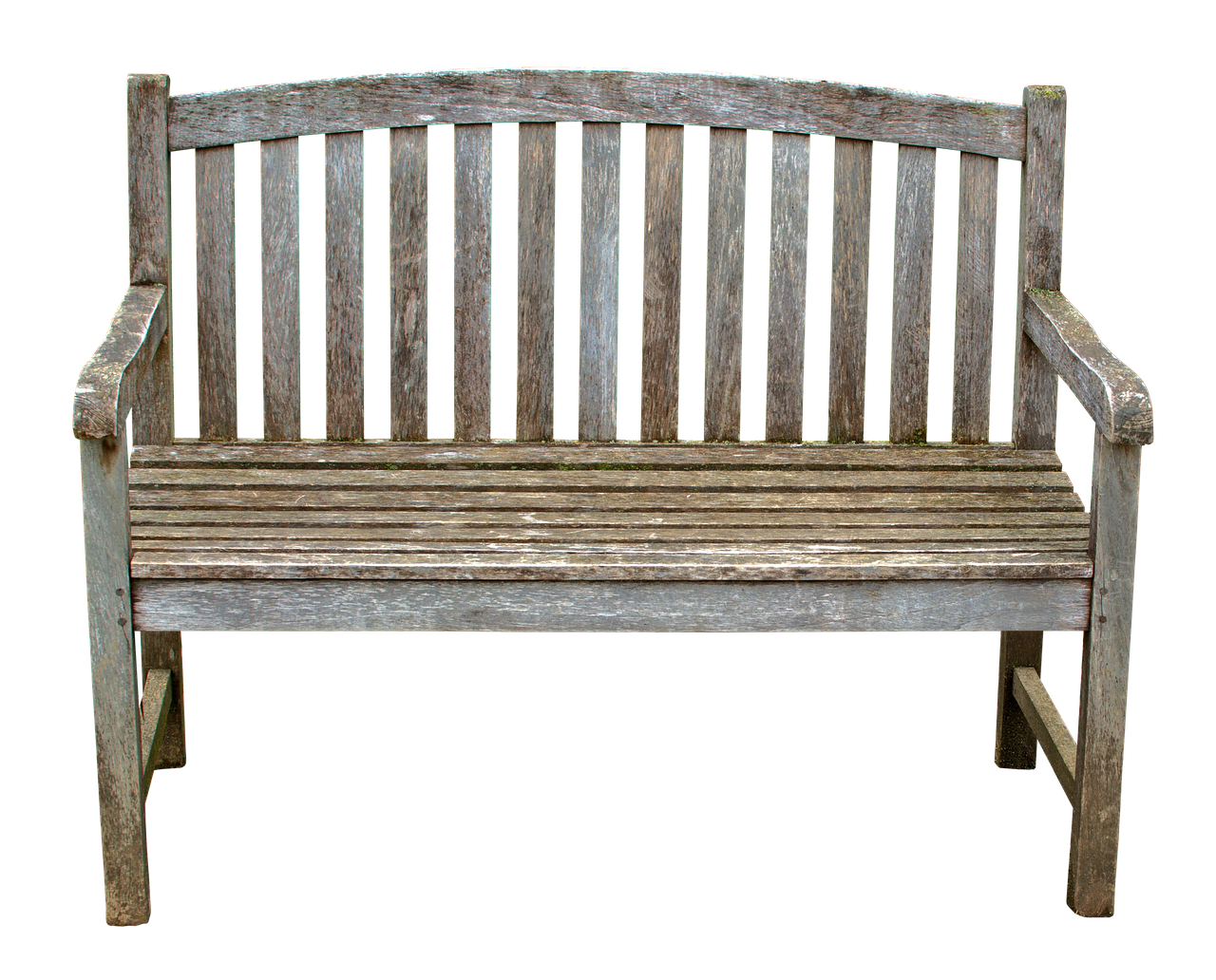
One of the main choices with teak outdoor furniture is appearance. Left untreated, teak gradually loses its fresh golden-brown tone and develops a silver-gray surface. This change is weathering, not immediate structural failure. The RHS advises that good-quality teak can last for many years without treatment, while teak protector can be used when the original color is preferred. (rhs.org.uk)
The natural gray route is usually the lowest-maintenance option. It suits modern patios, coastal gardens, and spaces where a weathered look is acceptable. The protected-color route requires more work. Cleaners, brighteners, protectors, and penetrating oils can refresh the tone, but they need to be applied consistently and according to the product instructions. A half-maintained finish can look patchier than untreated teak.
Avoid assuming that “teak oil” is always necessary. Products sold under that name vary widely; some are blends intended for indoor furniture, some are exterior oils, and some can darken the surface or attract dirt if overapplied. For outdoor use, choose a product specifically labeled for exterior teak furniture and test it on an inconspicuous area first. See also: Building Materials.
Maintenance schedule for teak outdoor furniture
Teak maintenance should be simple but regular. The Royal Horticultural Society recommends washing hardwood garden furniture with a brush and soapy water once a year. It also suggests keeping feet off wet ground or tilting furniture so water does not sit where it can encourage rot. (rhs.org.uk)
| When | What to do | Why it matters |
|---|---|---|
| After installation | Wipe dust, check level, and tighten hardware by hand | Prevents wobble and catches assembly issues early |
| Monthly in active season | Brush off leaves, pollen, food residue, and soil | Reduces staining and moisture trapped against the surface |
| Once a year | Wash with mild soapy water and a soft or medium brush | Removes algae, dirt, and general outdoor film |
| Before winter or long storage | Clean, dry, cover with breathable protection, or store under shelter | Limits prolonged wet contact and wind-blown debris |
| Before refinishing | Clean thoroughly, let the wood dry, and follow the finish maker’s instructions | Improves finish adhesion and reduces blotchy results |
Do not use a pressure washer at close range. It can raise the grain, leave wand marks, and erode softer surface fibers. If a pressure washer is used at all, keep the pressure low, use a wide fan tip, and test cautiously. For most homeowners, a bucket, mild soap, brush, and clean rinse water are safer.
For stains, act quickly. Blot oily food spills rather than spreading them. Use a mild wood cleaner for general marks, and avoid harsh chlorine bleach unless a product specifically directs that approach for teak. Metal objects can leave dark marks when moisture reacts with iron particles, so do not leave steel tools, plant stands, or rusting decorations on teak tabletops.
Common mistakes that shorten teak furniture life
The first mistake is placing teak directly on wet soil or grass for long periods. Even durable hardwood performs better when the feet can dry. Use glides, pavers, or a firm patio surface.
The second mistake is trapping moisture under a non-breathable cover. Covers are helpful when they shed rain and allow ventilation, but plastic sheeting wrapped tightly around wet furniture can create a damp chamber. Clean and dry the furniture first, then cover it so air can circulate from below.
The third mistake is over-sanding. Light sanding can smooth raised grain or prepare for refinishing, but aggressive sanding removes material, rounds edges, and may make a set look uneven. Start with the least invasive cleaning method and sand only when necessary.
The fourth mistake is mixing incompatible finishes. A film-forming varnish, penetrating oil, and teak protector may not work well over one another. If the existing coating is unknown, clean a small test area and confirm compatibility before treating the entire table or bench.
The fifth mistake is ignoring cushions. Teak frames may handle weather, but cushions, straps, and fabric panels have separate care needs. Let cushions dry before storing them, remove them during heavy rain when possible, and avoid leaving damp fabric pressed against the same wood surface for days.
Frequently asked questions
Can teak outdoor furniture stay outside all year?
In many climates, quality teak furniture can remain outdoors, but it still benefits from smart placement, cleaning, and protection from standing water. If your area has heavy snow, freeze-thaw cycles, or months of rain, storing furniture under shelter or using breathable covers can reduce wear.
Does teak need to be sealed?
Teak does not have to be sealed to be used outdoors. Sealing or protecting is mainly a color and surface-maintenance decision. If you want the silver-gray patina, leave it untreated and clean it periodically. If you want a warmer brown tone, use an exterior teak protector or compatible finish and expect repeat maintenance.
Why is my teak turning gray?
Gray color is the normal result of sun and weather changing the surface fibers. It does not automatically mean the wood is rotten. Clean the furniture and inspect joints, feet, and fasteners to judge actual condition.
How do I stop teak furniture from wobbling?
Start with the surface. Move the piece to a level area, loosen the bolts slightly, let the frame settle square, then retighten gradually. Add adjustable glides or outdoor furniture pads if the patio surface is uneven.
Is teak better than acacia or eucalyptus for outdoor furniture?
Teak generally has a stronger reputation for outdoor durability, especially when the furniture uses mature heartwood. Acacia and eucalyptus can perform well when properly finished and maintained, but they usually need more consistent protection. The best choice depends on budget, exposure, construction quality, and how much maintenance you are willing to do.