How to choose, set up, and care for a faux leather sofa
a[data-rs-seo-link]{text-decoration:underline!important;color:#1a56db!important;cursor:pointer!important;}a[data-rs-seo-link]{text-decoration:underline!important;color:#1a56db!important;cursor:pointer!important;}
A faux leather sofa can work well in many living rooms when the material, frame, and room conditions match the way it will be used. It offers a leather-like appearance without the cost, weight, or care expectations of genuine leather, but it still needs the right handling. Check the actual upholstery material, keep content and safety labels, assemble the frame without stressing the joints, and use gentle cleaning habits from the start. Faux leather is not one material. A sofa sold under that description may use polyurethane, polyvinyl chloride, microfiber-based synthetic leather, or another coated textile. Before buying or installing one, confirm the upholstery description, measure the delivery route, ventilate the room after unpacking, and keep the sofa away from strong heat and direct sun. For more home setup topics, see our Installation Guides.
What a faux leather sofa actually is
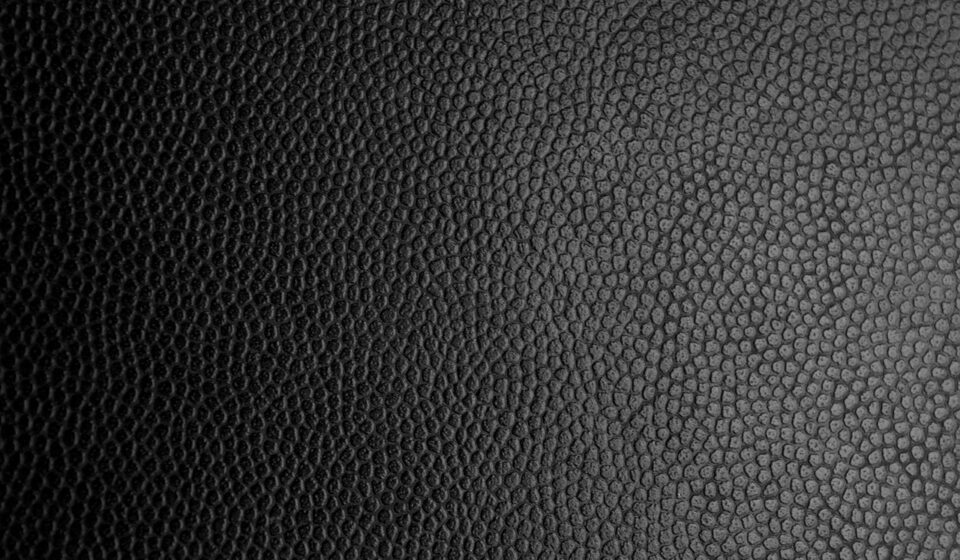
Faux leather is a broad upholstery category for materials designed to look like leather while using non-leather or mostly non-leather construction. Most residential sofas in this category have a fabric backing with a synthetic surface coating. The surface may be smooth, embossed with a grain pattern, or finished in a matte or semi-gloss texture. Because the term is broad, buyers should look for the actual material name on product specifications, sewn-in labels, or retailer documents instead of relying only on marketing language.

This matters because performance varies by use case. A sofa in a formal sitting area has different requirements from one used every day by children, pets, or guests. Some faux leather surfaces feel softer and more flexible. Others resist moisture better but may feel less breathable. The frame, foam, stitching, seams, and cushion support are just as important as the cover, but the cover takes the daily contact from abrasion, body oils, sunlight, and cleaning products.
| Material description | Typical strengths | Common limitations | What to check before buying |
|---|---|---|---|
| Polyurethane faux leather | Often softer and more flexible than heavier vinyl-style covers | Can crack or peel if exposed to heat, harsh cleaners, or heavy abrasion | Surface feel, backing thickness, warranty language, and cleaning instructions |
| PVC or vinyl faux leather | Often moisture resistant and easy to wipe | May feel less breathable and can stiffen over time in some environments | Odor after unpacking, flexibility, seam quality, and indoor-use suitability |
| Microfiber synthetic leather | Can offer a softer hand and more fabric-like comfort | Quality varies widely by construction and finish | Rub resistance claims, stain guidance, and whether the surface is coated |
| Bonded leather | May contain leather fibers and have a leather-like appearance | Not the same as full-grain, top-grain, or genuine leather upholstery; surface wear can be visible | Exact composition, disclosure wording, warranty exclusions, and repair options |
Plan the room before delivery
A smooth sofa installation starts before the box reaches the home. Measure the width and height of entry doors, hallways, elevators, stair turns, and the final wall location. Compare those measurements with the packaged dimensions, not only the assembled dimensions. Delivery problems often happen because legs, arms, or corner sections are packed in a way that changes the handling size.
Leave enough clearance for everyday use. A walkway in front of the sofa should feel natural, and recliners or sleeper mechanisms need extra space behind or in front of the frame. On hard flooring, use felt pads, non-marking glides, or a rug pad to reduce movement and protect the finish. On carpet, check that all legs sit evenly so the frame does not twist under load.
Ventilation is also worth planning. New upholstered furniture may release packaging odors or low-level emissions from adhesives, foams, coatings, or engineered wood components. The U.S. Environmental Protection Agency identifies pressed-wood products such as particleboard, medium-density fiberboard, and hardwood plywood as materials that can contribute to indoor formaldehyde levels. This does not mean a faux leather sofa is unsafe by default, but ventilation is a practical first step after unpacking.
- Open windows when weather permits during the first day after setup.
- Remove plastic wrapping promptly instead of leaving it around cushions.
- Do not place the sofa directly against heat registers, radiators, fireplaces, or strong sun exposure.
- Leave a small gap between the sofa and the wall to reduce abrasion and improve airflow.
Assemble the sofa without stressing the frame
Most faux leather sofas arrive fully assembled, with legs detached, or in modular sections. Always follow the manufacturer’s instructions supplied with the item because fasteners, bracket systems, and locking mechanisms differ. If instructions are missing, contact the retailer or manufacturer before guessing, especially with recliners, sleepers, or sectional connectors.
Prepare a soft, clean work area before opening the package. A rug, cardboard sheet, or moving blanket helps protect the upholstery while the sofa is tilted or turned. Do not drag the sofa across concrete, tile, or rough flooring because synthetic leather can scuff at corners and seam edges. Lift from structural points such as the base rail rather than pulling on arms, cushions, or upholstery panels.
- Inspect before assembly. Check for torn packaging, bent brackets, missing legs, loose staples, damaged seams, or crushed corners.
- Find the labels. Look for content, care, law, and flammability labels before discarding packaging or tags.
- Attach legs by hand first. Start all bolts or threaded legs gently before tightening to reduce the risk of cross-threading.
- Tighten evenly. Alternate between fasteners rather than fully tightening one corner first.
- Connect modules on level ground. Sectional clips should meet naturally. If they must be forced, the floor may be uneven or the pieces may be misaligned.
- Test stability. Sit carefully in different positions and listen for clicking, rocking, or rubbing before regular use.
For U.S. buyers, upholstered furniture sold for residential use is subject to federal flammability requirements under 16 CFR part 1640, which incorporates California Technical Bulletin 117-2013. The U.S. Consumer Product Safety Commission has described this as a national upholstered-furniture flammability standard that took effect on June 25, 2021. During setup, keep sewn-in labels intact and note whether the furniture states compliance with the applicable standard. Labels are not a substitute for safe use, but they are useful documentation for warranty service, resale information, or product support.
Place it where the upholstery can perform well
Placement can have a major effect on the service life of a faux leather sofa. Synthetic leather surfaces may be sensitive to concentrated heat, ultraviolet light, repeated friction, and oils. A sunny window may look attractive, but direct sunlight can fade, dry, or weaken surface coatings over time. A heating vent can create similar stress by drying one section faster than the rest of the sofa.
Keep the sofa away from rough wall textures, sharp table edges, pet crates, and metal decor that could scrape the arms or back. If the sofa is used with a coffee table, leave enough legroom so bags, shoes, and buckles do not rub the front panel every time someone sits down. If pets use the sofa, a washable throw can reduce claw marks and body-oil buildup, but avoid covers with rough backing that may abrade the surface.
Humidity matters as well. Extremely dry rooms can make some coated surfaces less flexible, while damp rooms can encourage odors or mildew in hidden fabric layers. A normal conditioned living space is usually suitable. The goal is consistency: avoid placing one side of the sofa in strong sun, another side against a cold exterior wall, and the seat near a heat source.
Clean faux leather gently and consistently
The safest cleaning routine is simple: remove dust often, wipe spills quickly, and avoid aggressive chemicals. Faux leather does not need the same conditioning routine as natural leather, and products made for genuine leather may not be suitable for synthetic coatings. Always follow the care label first. If the label allows mild soap, test the solution in a hidden area before cleaning a visible seat or arm.
Weekly cleaning
Use a dry microfiber cloth or a soft vacuum brush to remove crumbs and dust from the seat, back, arms, and seams. Dust can act like fine abrasive grit when people sit and move. Pay special attention to creases where debris collects. If cushions are removable, lift them carefully and clean underneath without bending or pulling the cover.
Spill response
Blot liquid spills immediately with a clean absorbent cloth. Do not scrub hard, because friction can damage the surface finish. For light residue, use a slightly damp cloth with a small amount of mild soap if the care instructions allow it, then wipe again with plain water and dry with a soft towel. Avoid soaking seams, zippers, or cushion edges. See also: Building Materials.
Products to avoid
Do not use bleach, ammonia, acetone, abrasive powders, stiff brushes, steam cleaners, or heavy solvent cleaners unless the manufacturer specifically approves them. Alcohol wipes can also be risky on some coatings because they may dull, dry, or weaken the finish. If ink, dye transfer, or adhesive residue appears, check the warranty and care instructions before trying stronger products.
| Task | Suggested frequency | Reason |
|---|---|---|
| Dust with microfiber cloth | Weekly | Reduces surface abrasion and keeps grain texture clean |
| Vacuum seams and cushion gaps | Weekly or biweekly | Removes crumbs that can grind into stitching |
| Wipe high-touch areas | As needed | Removes body oils from arms, headrests, and seat fronts |
| Inspect legs and connectors | Every 3 to 6 months | Prevents wobble and frame stress |
| Rotate loose cushions | Monthly if possible | Helps balance wear and compression |
Understand durability limits before you buy
A faux leather sofa can be durable, but it is not indestructible. Disappointment often comes from expecting every synthetic leather surface to age like high-quality natural leather. Genuine leather may develop patina, while many faux leather coatings show wear as surface cracking, peeling, flaking, or dull patches. Quality construction and careful use can reduce these problems, but they cannot remove the material limits.
When comparing sofas, look beyond the headline price. A low-cost sofa with thin upholstery, minimal seam reinforcement, and vague material descriptions may be suitable for light use, but it may not be the best choice for a main family room. A stronger product page should explain the cover material, frame type, cushion filling, leg material, assembly requirements, and cleaning restrictions. Warranty exclusions are especially important. If peeling, cracking, pet damage, commercial use, or sunlight exposure are excluded, treat those exclusions as practical clues about expected risk.
Comfort depends on cushion density, seat depth, back angle, and spring or webbing support. Faux leather can feel cooler at first contact and warmer after long sitting because the surface is less breathable than many woven fabrics. If possible, sit on the sofa for more than a few seconds before buying. If shopping online, compare seat height, seat depth, arm height, and cushion style with a sofa you already find comfortable.
A practical checklist for buyers and installers
Use this checklist before finalizing a purchase or completing installation. It focuses on details that are easy to overlook but difficult to correct later.
- Material clarity: The listing should identify the upholstery type, not only say “leather look” or “premium faux leather.”
- Room fit: Check both packaged and assembled dimensions against doors, stairs, hallways, and the final layout.
- Label review: Keep care, content, law, and flammability labels available for future reference.
- Ventilation plan: Air out the room after unpacking, especially if the sofa includes engineered wood components or has a noticeable new-furniture odor.
- Heat and sun control: Avoid direct sun, radiators, fireplaces, and heating vents.
- Cleaning compatibility: Confirm whether mild soap and water are allowed, and avoid unapproved conditioners or solvents.
- Warranty realism: Read exclusions for peeling, cracking, pets, stains, sunlight, rental use, and commercial settings.
- Assembly support: For large sectionals, recliners, and sleeper sofas, use two people and avoid lifting by cushions or upholstery panels.
The strongest buying decision is not simply choosing the sofa that looks most like leather. It is choosing the sofa whose material, construction, care requirements, and room conditions match the way the household will actually use it.
Frequently asked questions
Is a faux leather sofa the same as a leather sofa?
No. A faux leather sofa is designed to imitate the appearance of leather, but it usually uses a synthetic coating over a fabric backing. Genuine leather is animal hide, while faux leather may use polyurethane, PVC, microfiber-based materials, or other coated textiles. The care routine, aging pattern, breathability, and repair options are different.
How long does a faux leather sofa last?
There is no single lifespan because quality, use, sunlight, heat, cleaning habits, and household conditions vary widely. A lightly used sofa in a stable indoor environment can remain presentable much longer than one exposed to pets, direct sun, harsh cleaners, or heavy daily abrasion. Warranty terms and material specifications are better indicators than broad marketing claims.
Can I use leather conditioner on faux leather?
Only use products approved by the sofa manufacturer. Many leather conditioners are formulated for natural hide and may leave residue or affect synthetic coatings. For routine care, a dry microfiber cloth and label-approved mild cleaning are usually safer than conditioners, oils, or polishes.
Why is my new faux leather sofa giving off an odor?
New furniture odors can come from packaging, adhesives, foam, coatings, or engineered wood components. Remove packaging, ventilate the room, and allow time for the odor to dissipate. If the smell is strong, persistent, or accompanied by irritation, contact the retailer or manufacturer and review the product documentation.
Can a faux leather sofa be repaired if it peels?
Small surface defects may be improved with repair kits designed for synthetic leather, but peeling often indicates coating failure or abrasion that is difficult to reverse invisibly. Before attempting a repair, check the warranty. Unapproved repair products may affect coverage or create a larger visible patch.