Home interior finishes guide for durable, healthier rooms
a[data-rs-seo-link]{text-decoration:underline!important;color:#1a56db!important;cursor:pointer!important;}a[data-rs-seo-link]{text-decoration:underline!important;color:#1a56db!important;cursor:pointer!important;}
What home interior finishes include
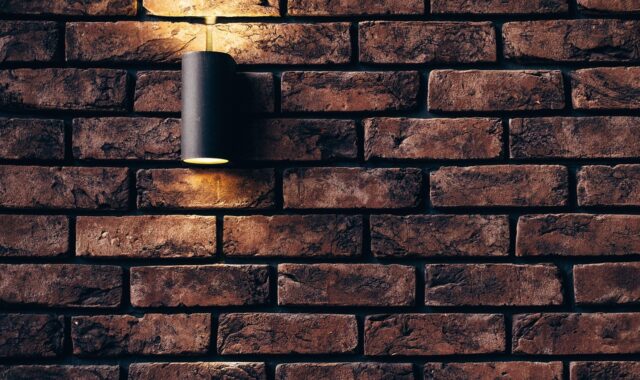
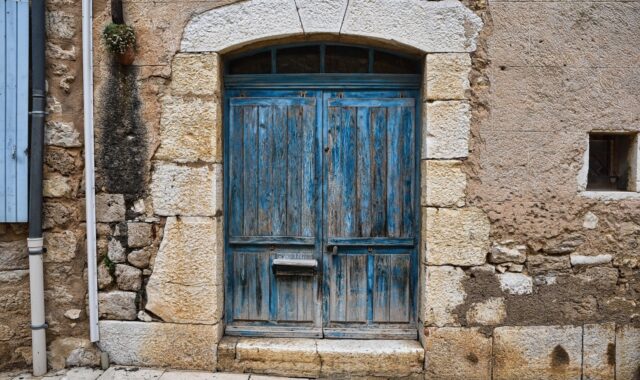
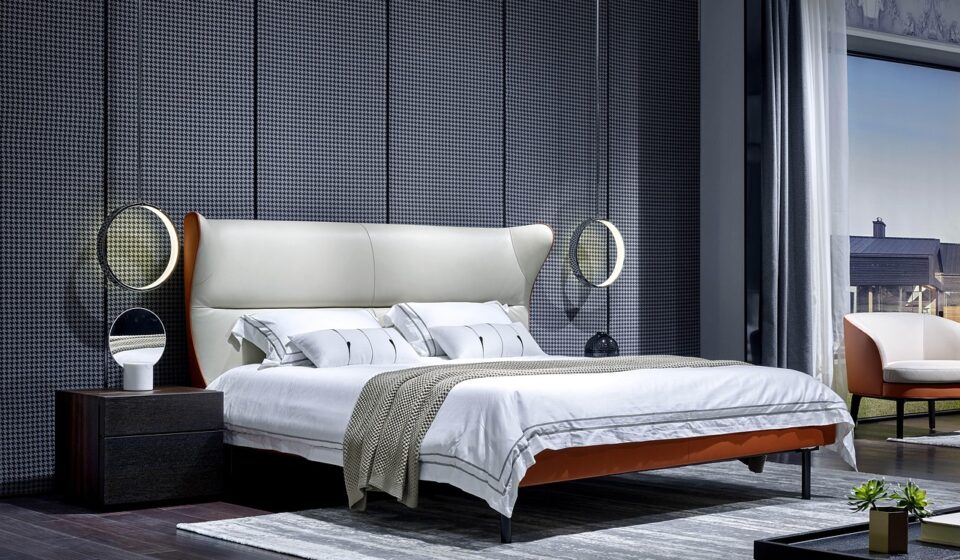
Home interior finishes are the visible and touchable surfaces that complete a room after the main structure is built. They include flooring, wall finishes, ceilings, trim, doors, cabinetry, countertops, tile, stair components, hardware-related details, and the coatings, sealants, adhesives, and substrates behind them. Choosing them well is not only a style decision. A good finish package should match the room’s moisture level, cleaning routine, expected wear, indoor air goals, and future repair needs. A durable floor that is difficult to maintain, a wall covering used in the wrong humidity zone, or a cabinet panel without clear emissions documentation can create problems long after installation. For more material-focused ideas, see the Interior Finishes section.
A practical finish plan treats these materials as a system. Floors meet baseboards, walls meet ceilings, cabinets meet countertops, and wet-area surfaces depend on membranes, grout, sealants, and ventilation. The finish that looks best in a showroom may not be the right choice for a kitchen, entry, bathroom, basement, rental unit, or sun-exposed living room.
A practical selection framework
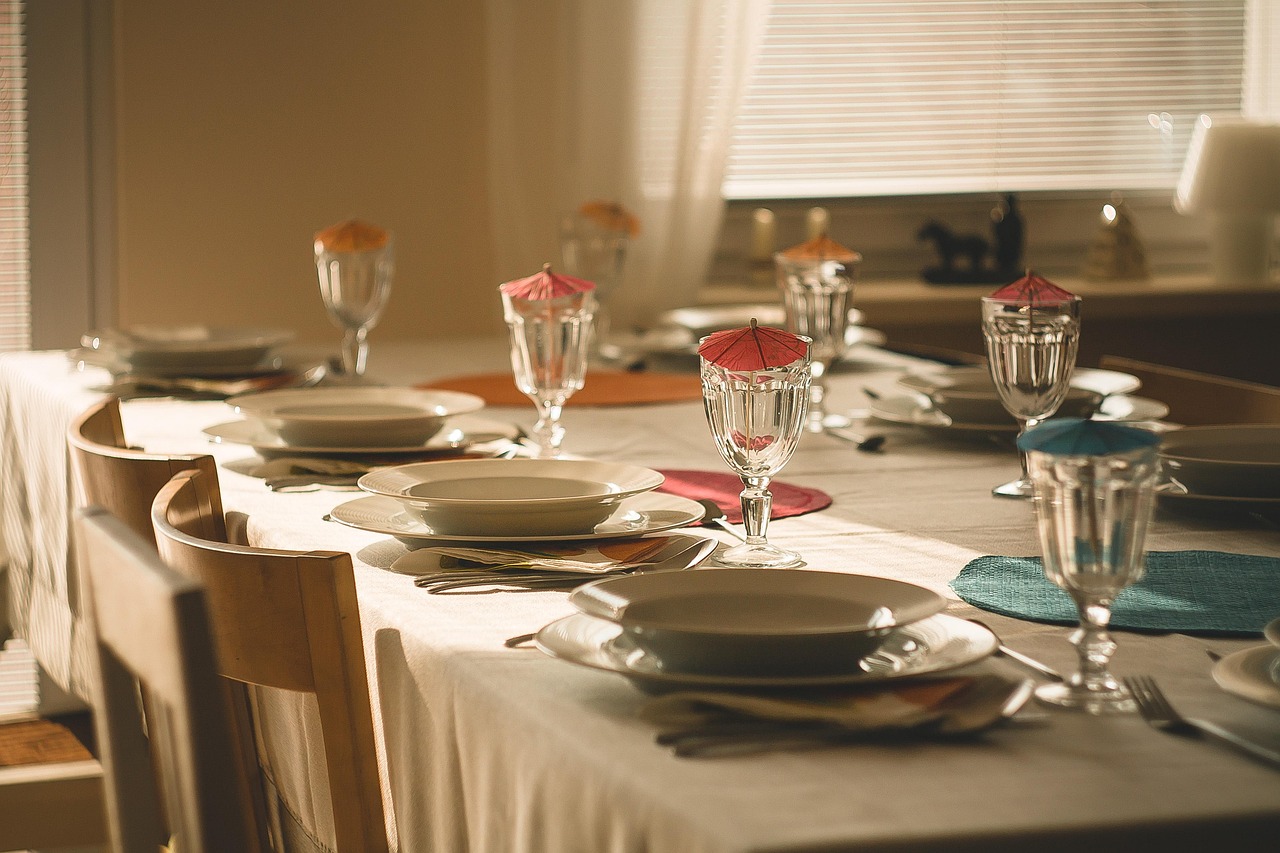
Before comparing colors and textures, define how each room will be used. Interior finishes often fail when the performance requirement is unclear. A guest bedroom can usually tolerate softer materials and lighter-duty surfaces. An entry hall needs abrasion resistance, easy cleaning, and tolerance for grit, water, and footwear. A bathroom needs finishes that support moisture management, not just products described as water resistant.
Start with five questions:
- Traffic: How often will people, pets, carts, chairs, or luggage move across the surface?
- Moisture: Will the room face splashes, steam, wet shoes, condensation, or below-grade humidity?
- Cleaning: Will the surface be wiped daily, scrubbed occasionally, or cleaned with stronger products?
- Repairability: Can one plank, tile, panel, or painted area be repaired without replacing the entire surface?
- Indoor air considerations: Are products documented for low chemical emissions or compliance with relevant material standards?
This framework keeps the finish schedule from becoming a list of attractive but disconnected products. It also helps owners avoid over-specifying costly materials in low-risk rooms while under-specifying the areas that carry the most wear.
How major finish categories compare
Flooring
Flooring is usually the most demanding interior finish. It has to handle foot traffic, impact, moisture, furniture loads, sunlight, and cleaning chemicals. Solid hardwood and engineered wood provide warmth and long-term refinishing potential, but they are sensitive to moisture and indoor humidity. The National Wood Flooring Association advises maintaining stable indoor conditions, commonly around 60 to 80 degrees Fahrenheit and 30 to 50 percent relative humidity, to reduce shrinking, swelling, cupping, and gaps.
Porcelain and ceramic tile are strong options for wet areas, entries, laundry rooms, and high-wear zones. As mineral-based materials, tile products without organic surface coatings are often treated in green building programs as inherently low emitting. The full assembly still depends on mortars, grouts, membranes, and sealers. Luxury vinyl tile and other resilient floors can provide water resistance and easier installation, but buyers should review wear-layer thickness, product declarations, emissions certifications, and substrate requirements instead of relying only on marketing terms.
Walls and ceilings
Paint remains the most flexible wall finish because it is relatively easy to refresh. Selection should still cover more than color. Sheen, scrub resistance, touch-up behavior, and VOC content or emissions documentation all matter. Flat finishes hide surface imperfections but can be harder to clean. Satin, eggshell, and semi-gloss coatings are more common in kitchens, baths, corridors, and trim areas where wiping is part of normal maintenance.
Wall coverings, wood slats, acoustic panels, limewash, plaster effects, and decorative boards can add depth, but each one raises substrate and maintenance questions. In damp rooms, the finish must work with ventilation and the wall assembly. On ceilings, reflectance, acoustics, and access to mechanical systems may matter more than texture alone.
Cabinetry, millwork and trim
Cabinetry and built-ins combine visible finish layers with composite wood, veneers, laminates, coatings, and hardware. In the United States, the EPA’s TSCA Title VI program regulates formaldehyde emissions from certain composite wood products. For homeowners and specifiers, documentation is important when selecting cabinets, shelving, closet systems, wall panels, and other manufactured wood components.
Painted millwork gives rooms a clean, adaptable look, but it can show chips at high-contact edges. Stained wood can hide some wear and reveal grain variation. Laminates and thermofoil surfaces may be easier to clean, although they can be harder to repair invisibly. Baseboards, casing, stair parts, and door finishes should be selected with the same durability logic as flooring because they receive repeated impact from vacuums, furniture, shoes, and hands.
Countertops, tile and wet-area surfaces
Countertops and wet-area wall surfaces must handle moisture, heat, staining, cleaning, and edge impact. Quartz, natural stone, porcelain slabs, solid surface, laminate, stainless steel, butcher block, and tile all have different strengths. The best choice depends less on a universal ranking and more on how the room is used. A low-maintenance kitchen may favor nonporous surfaces with strong stain resistance, while a utility room may prioritize repairability and cost control.
For showers and tub surrounds, the visible tile is only the finish layer. Waterproofing, slope, movement joints, backer board compatibility, grout type, sealant, and ventilation are part of the performance system. A premium tile installed over the wrong assembly can underperform. A simpler tile over a well-designed wet-area system can last for years with routine maintenance.
Health, emissions and documentation to check
Interior finishes can influence indoor air quality because paints, coatings, adhesives, sealants, flooring, composite wood, furnishings, and other building products may release volatile organic compounds. The EPA’s public indoor air guidance notes that many common organic pollutants have been measured at higher concentrations indoors than outdoors, and that building materials and furnishings can be among the sources.
For a practical home project, the goal is not to make unsupported health claims about any single material. A better approach is to ask for clear documentation. Useful signals include low-emitting product certifications, compliance with California Department of Public Health emissions testing methods where applicable, GREENGUARD or similar third-party emissions certification, product-specific environmental declarations, and EPA TSCA Title VI documentation for regulated composite wood products. See also: Building Materials.
Green building programs such as LEED v4.1 separate finish categories including paints and coatings, flooring, composite wood, ceilings, walls, insulation, and furniture. They also recognize that some materials, such as stone, ceramic, glass, concrete, clay brick, and unfinished untreated solid wood, may be inherently nonemitting when they do not include organic coatings, binders, or sealants. That distinction is useful, but the complete room assembly still matters because adhesives, coatings, backings, and sealers can change the emissions profile.
| Finish decision | What to verify | Why it matters |
|---|---|---|
| Paints and coatings | VOC content, emissions testing, sheen, cleanability | Large surface area can affect odor, touch-up, and maintenance |
| Flooring | Wear layer, moisture limits, emissions certification, substrate rules | Floor failures are disruptive and expensive to correct |
| Composite wood cabinets | TSCA Title VI compliance and finish durability | Panels, doors, and shelves can represent significant interior surface area |
| Tile assemblies | Waterproofing, grout, mortar, movement joints | Visible tile performance depends on the hidden system |
| Sealants and adhesives | Compatibility, cure time, emissions information | Small product categories can affect bonding, odor, and indoor air quality |
Room by room finish priorities
A whole-home finish plan should create visual continuity without forcing the same material into every condition. Strong interiors often repeat a limited palette, then adjust technical specifications by room.
- Entry and mudroom: Prioritize abrasion resistance, slip resistance, water tolerance, and easy cleaning. Tile, durable resilient flooring, and well-protected trim often perform better than delicate surfaces.
- Kitchen: Focus on stain resistance, cleanable wall finishes, durable cabinet coatings, heat-aware countertop choices, and flooring that tolerates dropped objects and repeated mopping.
- Bathroom: Treat moisture as the main design driver. Choose finishes that are compatible with ventilation, waterproofing, sealants, and cleaning routines.
- Living room: Balance appearance, acoustics, sunlight exposure, furniture movement, and the ability to repair scuffs or scratches.
- Bedroom: Comfort, acoustics, lower traffic, and indoor air documentation may be more important than maximum surface hardness.
- Basement: Consider slab moisture, flood risk, temperature swings, and whether products are approved for below-grade use.
This room-by-room method also helps manage budgets. Spend more on finishes where replacement would be difficult or where failure could cause damage. Use simpler, repairable finishes in areas that may be repainted or updated later.
Installation and maintenance decisions that protect the finish
Even strong materials can fail when installed outside their limits. Flooring may require acclimation, flatness tolerances, vapor control, expansion gaps, or specific adhesives. Wall finishes may require primer, moisture testing, smooth substrates, or cure time. Countertops depend on support, edge detailing, sink cutouts, and seam placement. Tile depends on movement joints and waterproofing as much as the tile body itself.
Maintenance should be considered before purchase. A finish that requires special cleaners, frequent sealing, or professional repair may still be worthwhile, but only if the owner understands that commitment. Natural stone may need sealing depending on type and finish. Wood floors need humidity management and cleaning methods that avoid excess water. Painted trim may need periodic touch-ups. Grout lines require cleaning and may require sealing depending on the grout system.
Repairability is often undervalued. Modular materials such as individual tiles, planks, or panels can sometimes be replaced in limited areas. Continuous surfaces, custom stains, and specialty wall effects may be harder to match later. Keeping spare tiles, planks, paint formulas, batch numbers, and finish schedules can save significant time when a repair is needed.
Frequently asked questions
What are the main types of home interior finishes?
The main types include flooring, wall finishes, ceiling finishes, trim and doors, cabinetry and millwork, countertops, tile, interior coatings, sealants, and decorative panels. In practice, adhesives, underlayments, primers, grouts, and substrates should also be considered because they affect performance.
Which interior finishes are best for a low-maintenance home?
There is no single best finish for every home. Low-maintenance plans often use durable flooring in traffic areas, washable paint in corridors and kitchens, moisture-tolerant surfaces in bathrooms, and cabinet finishes that resist chipping and staining. The key is matching the finish to the room rather than choosing by appearance alone.
Do low-VOC finishes always mean better indoor air quality?
Low-VOC content can be useful, but it is not the whole picture. Emissions testing, curing time, ventilation, adhesives, sealants, furniture, and cleaning products also affect indoor air. When indoor air quality is a priority, look for credible emissions documentation and consider the complete assembly.
How can interior finishes improve resale appeal?
Finishes that are clean, durable, coherent, and appropriate for each room tend to age better than highly personal or fragile choices. Neutral wall finishes, well-maintained floors, quality trim, and moisture-appropriate bathroom and kitchen surfaces can support broad appeal without relying on short-lived trends.
What should be decided first in an interior finish schedule?
Start with flooring, cabinetry, countertops, and major wall finishes because they set the palette, budget, installation sequence, and durability strategy. Paint colors, hardware tones, and smaller decorative details can be refined after the main materials are selected.