Table furniture design for flexible homes and durable interiors
a[data-rs-seo-link]{text-decoration:underline!important;color:#1a56db!important;cursor:pointer!important;}a[data-rs-seo-link]{text-decoration:underline!important;color:#1a56db!important;cursor:pointer!important;}
What table furniture design needs to solve
Table furniture design is not just a choice of surface, legs, and finish. A useful table has to fit the room, support the way people sit or stand around it, withstand daily contact, and still look coherent within the wider interior. In homes, studios, hospitality spaces, and small offices, strong table design usually depends on five linked decisions: use case, proportion, circulation, material, and maintenance.
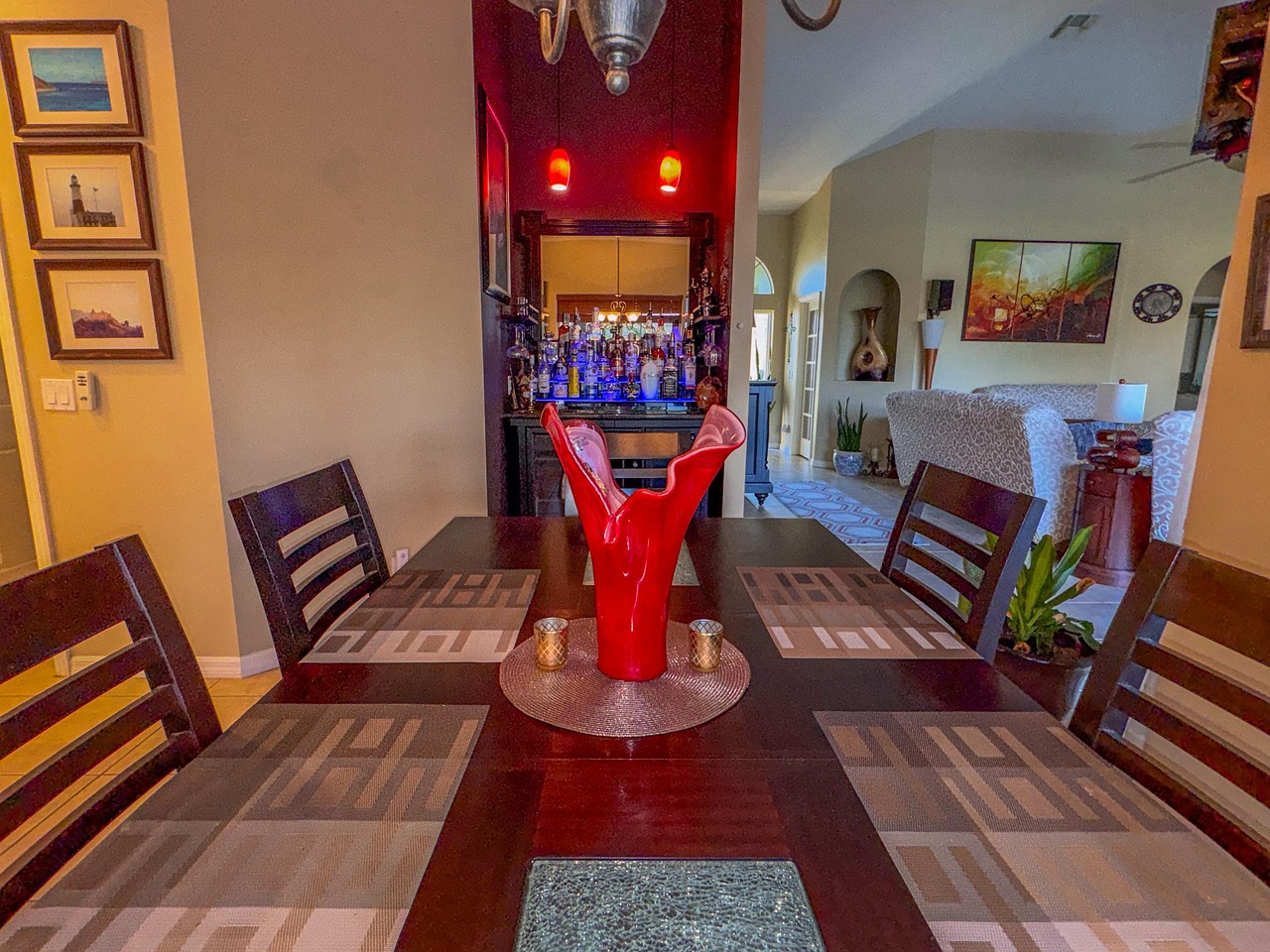
A dining table may look impressive, but if it blocks chair movement, it will frustrate users every day. A work table can have an elegant profile and still fail if it lacks knee clearance. A coffee table may photograph well, yet age poorly if the surface scratches easily in a high-contact area.
This guide focuses on practical design principles rather than decorative trends alone. It brings together ergonomic references, accessibility benchmarks, circular design ideas, and interior planning logic to show how a table becomes a durable part of a space. For more related ideas, see our Furniture Design section.
Start with the table’s real job
The first design decision is not shape or color. It is the job the table must perform. A dining table, desk, console, meeting table, bedside table, coffee table, and outdoor table all place different demands on the designer. The top may need to resist heat, hold a monitor, allow space for plates and elbows, support display objects, or fold away when the room changes. When the function is unclear, the final design often becomes either too large for the space or too delicate for normal use.
A good design brief should answer three questions before any style decision is made. Who uses the table most often? What activities happen on it? How often does the room need to change? In a compact apartment, one table may shift between dining, laptop work, homework, and craft projects. In that case, the design should prioritize a stable top, comfortable seated posture, easy cleaning, and enough visual calm to suit different uses. In a larger dining room, the priority may be ceremonial presence, generous chair spacing, and material depth.
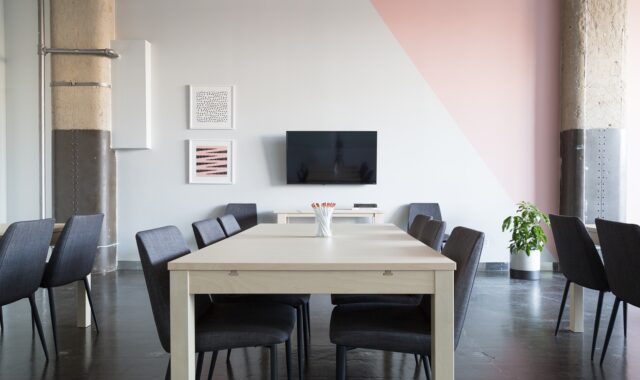
The same logic applies to commercial and hospitality interiors. A cafe table must turn over quickly, clean easily, and resist impact. A hotel lobby table may carry drinks, bags, and decorative objects while also shaping movement through a public area. A meeting table may need power access, cable control, and leg positions that do not interfere with seating. Form still matters, but it should follow the use case.
Proportion and clearance make the design feel comfortable
Comfort in table furniture design depends heavily on proportion. Top height, apron depth, leg position, edge profile, and the relationship to the chair all affect whether the table feels natural in use. Many residential dining tables sit around 28 to 30 inches high. Accessible dining and work surfaces under the 2010 ADA Standards are commonly referenced at 28 to 34 inches above the finished floor for applicable public settings. A private home is not always governed by the same requirements, but these figures are useful reference points when designing for a broader range of users.
Knee and toe clearance are just as important as top height. A thick apron can make a table look solid, but if it drops too low below the surface, it can press against the thighs or prevent armchairs from sliding in. Pedestal bases can improve seating flexibility, but they must be weighted and engineered for stability. Four-leg tables are simple and familiar, although leg placement can limit how many chairs fit comfortably. The key question is not only how many seats the table appears to hold, but how many people can use it without hitting legs, corners, or each other.
For work tables and desks, furniture industry standards from BIFMA are useful because they separate performance, safety, and ergonomic considerations from pure appearance. BIFMA desk and table standards are not decoration manuals. They help specifiers consider stability, durability, foot clearance, and the way computer-use furniture supports posture. This has become more relevant as residential tables increasingly double as work surfaces.
| Table type | Design priority | Common risk | Better design response |
|---|---|---|---|
| Dining table | Shared seating and serving space | Legs or apron block chairs | Test chair pull-out, knee room, and end seating before final sizing |
| Work table or desk | Posture, equipment, and cable control | Surface looks good but sits too high or too low for long use | Coordinate table height with chair adjustment, monitor position, and task lighting |
| Coffee table | Reach from sofas and visual balance | Sharp edges or fragile surface in a high-contact zone | Use rounded edges, durable finishes, and a scale that suits seat height |
| Console table | Display, entry storage, and circulation | Too deep for narrow paths | Keep depth controlled and use wall anchoring where stability is a concern |
| Outdoor table | Weather resistance and drainage | Material movement, fading, or trapped water | Choose appropriate species, metal treatment, spacing, and maintenance plan |
Shape changes both movement and mood
Rectangular tables are efficient because they align with walls, rugs, benches, and most room geometry. They work well in dining rooms, offices, and long open-plan spaces. Their weakness is that corners can feel sharp in tight circulation zones. In a narrow room, clipped corners, rounded edges, or an oval top can soften movement without giving up too much usable surface.
Round tables encourage conversation because every seat has a similar relationship to the center. They also reduce corner impacts in compact rooms. The trade-off is that large round tables become deep across the middle, making serving and reaching less comfortable. For four people, a round table can feel intimate. For eight or more, an oval or racetrack shape often gives better reach while preserving a softer outline.
Square tables create symmetry and can work well in small breakfast areas or flexible meeting spaces. Scaled up, however, they can waste room length. Nesting tables, drop-leaf tables, and extension tables solve a different problem: they let the table adapt to changing occupancy. The design challenge is to make the transformation feel stable rather than temporary. Hinges, slides, locks, and leaves should be treated as part of the design quality, not hidden weak points.
Materials influence appearance, lifespan, and maintenance
Material choice gives a table its character, but it also determines how the piece ages. Solid wood brings warmth, repairability, and natural variation. It also moves with humidity and requires thoughtful joinery. Veneer can be efficient and visually refined when used over a stable substrate, but edge details and impact resistance matter. Stone offers mass and a premium impression, yet porous stones may stain, and heavy tops need proper structural support. Metal can make slim profiles possible, but finishes must be selected with corrosion, fingerprints, and scratch resistance in mind. Glass can visually lighten a room, although it exposes fingerprints and requires attention to edge safety.
Sustainability claims should be handled carefully. It is not enough to say a table is eco-friendly because it uses wood or recycled content. Responsible table design considers where the material comes from, how long the product is likely to remain useful, whether parts can be repaired, and whether materials can be separated at the end of life. The Forest Stewardship Council presents certified wood as one pathway for responsible forest sourcing. The Ellen MacArthur Foundation’s circular design guidance emphasizes durability, repairability, reuse, and material circulation rather than short product cycles.
U.S. Environmental Protection Agency waste data also provides useful background. The agency’s national Facts and Figures program reported 292.4 million tons of municipal solid waste generated in 2018, with a large share landfilled. Furniture is only one part of the broader durable goods stream, but the design implication is clear: a table that lasts longer, can be repaired, and avoids unnecessary replacement can reduce waste pressure compared with disposable furniture.
Details decide whether a table feels refined
The details of a table often matter more than the first impression. Edge profiles influence comfort and visual weight. A square edge feels crisp and architectural, but it can be uncomfortable where arms rest. A bullnose or eased edge is friendlier for family spaces. A chamfer can make a thick top appear lighter while preserving a modern line. The edge should match both the intended mood and the way people physically use the table. See also: Building Materials.
Leg design also carries meaning. Tapered legs feel lighter and often suit mid-century or Scandinavian interiors. Slab bases feel grounded and architectural. Metal trestles can create industrial clarity. Cross-bracing may add strength but can interfere with feet. A central pedestal opens up chair positions, but it must control tipping. The right choice depends on the table’s span, top weight, seating plan, and visual relationship to nearby furniture.
Finish is another design decision, not just a final coating. Matte finishes reduce glare and often feel more contemporary, but some show oils and fingerprints. Gloss finishes reflect light and can look formal, although scratches may stand out. Open-grain finishes preserve texture, while filled-grain finishes look smoother and more polished. A well-designed table matches the finish level to the use. A formal side table can tolerate delicacy. A kitchen table cannot.
Flexible interiors need adaptable table design
Many interiors now support overlapping activities. Homes absorb remote work, entertaining, study, storage, and relaxation. This does not mean every table should fold, extend, roll, or hide. Adaptability is valuable only when it solves a real problem. A heavy extension dining table may be ideal for a household that hosts often. The same mechanism may be unnecessary in a room where the table stays the same size year-round.
For flexible interiors, designers should consider three forms of adaptability. The first is size adaptability, such as leaves, drop sides, or nesting sets. The second is functional adaptability, such as a dining table with cable access or a coffee table with concealed storage. The third is visual adaptability, where the table has a restrained enough language to work as surrounding furniture changes. A simple oak table, a restrained metal frame, or a stone-topped console can often survive multiple decorating cycles better than a highly trend-specific piece.
Repairability is part of flexibility. Replaceable feet, removable tops, screw-fixed hardware, and refinishable surfaces make a table easier to maintain. Permanent adhesives, inseparable mixed materials, and fragile decorative skins may reduce long-term value. Circular design thinking does not require every table to look utilitarian. It asks designers to plan for use, repair, and eventual disassembly before the product is made.
A practical checklist for selecting or specifying a table
Before choosing a table, review the space and expected use with the same discipline used for built-in furniture. The following checklist connects design intent with daily performance.
- Measure the room, not just the empty floor. Include chair pull-out, door swings, cabinet openings, and walking paths.
- Confirm the primary activity. Dining, laptop work, meetings, display, and storage require different surfaces and base designs.
- Test the chair relationship. Seat height, arm height, table apron, and knee clearance should work together.
- Check the base position. Legs, trestles, and pedestals affect how many people can sit comfortably.
- Choose the surface for maintenance reality. A busy family table needs different performance from a decorative console.
- Look for repairable construction. Mechanical fasteners, replaceable glides, and refinishable materials support longer use.
- Be cautious with vague sustainability language. Prefer specific information about sourcing, durability, repair, and material separation.
- Match visual weight to the room. A thick dark table can anchor a large room but overpower a compact one.
- Consider edge safety. Rounded or eased profiles are often better in family rooms and tight circulation areas.
- Plan lighting at the same time. Pendant height, task light placement, and reflections can change how the table performs.
The most successful table is not always the most dramatic object in the room. Often, it is the piece that quietly supports daily routines, holds its proportions, ages well, and leaves enough space for people to move naturally around it.
Frequently asked questions
What is the most important factor in table furniture design?
The most important factor is fit for use. A table should support the activity it is designed for, fit the room’s circulation, and feel comfortable with the chairs or seating around it. Style should refine those decisions rather than replace them.
Which table shape works best in a small room?
Round and oval tables often work well in small rooms because they remove sharp corners and improve movement. Rectangular tables can still be efficient when placed along the room’s main axis, especially if the width is controlled and chair clearance is planned carefully.
Are solid wood tables always better than veneer tables?
No. Solid wood can be durable and repairable, but it moves with humidity and depends on good joinery. High-quality veneer over a stable substrate can be refined, resource-efficient, and dimensionally stable. The better choice depends on use, budget, construction quality, and maintenance expectations.
How can a table design be more sustainable?
A more sustainable table design usually combines responsible material sourcing, long service life, repairable construction, and the possibility of separating materials later. Durability and repairability often matter more than a single green claim.
Should a dining table also work as a desk?
It can, but only if the height, chair pairing, lighting, and surface durability support longer seated use. If the table regularly functions as a desk, consider cable management, glare, monitor position, and whether the chair allows a comfortable working posture.