Sofa design ideas that balance comfort, layout and materials
a[data-rs-seo-link]{text-decoration:underline!important;color:#1a56db!important;cursor:pointer!important;}a[data-rs-seo-link]{text-decoration:underline!important;color:#1a56db!important;cursor:pointer!important;}
What good sofa design has to solve now
Good sofa design is more than a clean outline. It begins with how the room will be used, then brings scale, seating posture, upholstery and visual style into line with that purpose. In a family living room, that may mean a compact sectional with washable upholstery. In an apartment, it may be a slimmer two-seat sofa with exposed legs and a separate ottoman. In an open-plan home, it may be a modular layout that defines a social zone without blocking circulation. As of September 2026, design reporting from Houzz, housing analysis from the National Association of Home Builders and U.S. safety guidance all support the same practical starting point: a sofa should look current, fit the room and stand up to daily use.
Start with layout instead of the silhouette
The most common sofa design mistake is choosing a shape before confirming the room plan. A sofa is usually the largest upholstered item in the living area, so it affects walking paths, sightlines, TV viewing distance, conversation angles and access to windows or doors. A dramatic curved sofa may work well in a generous open space. The same piece can feel awkward in a narrow room where every inch of circulation matters.
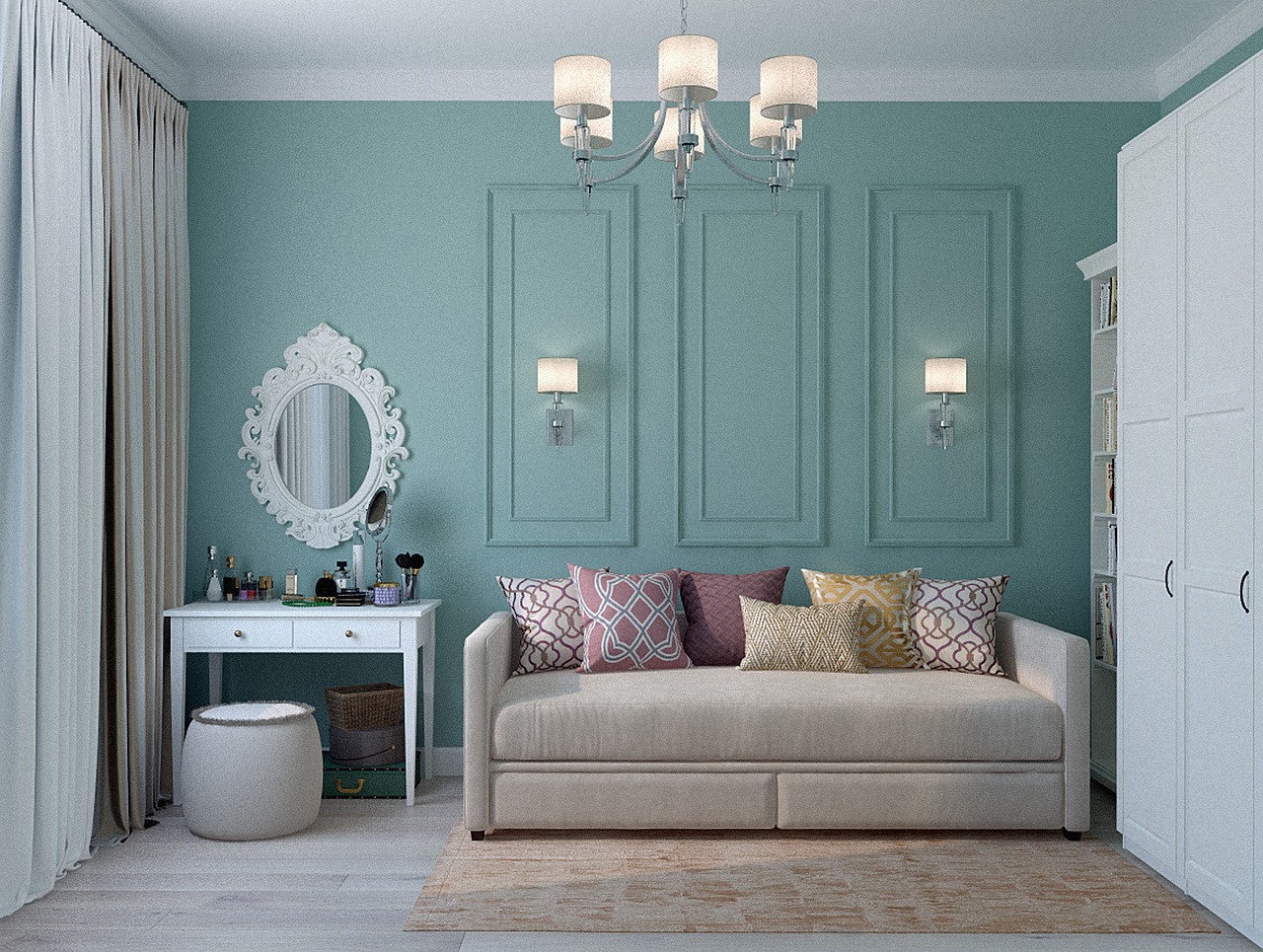
Space efficiency has become more important in residential design. In January 2026, the National Association of Home Builders reported, using Census-based analysis, that median single-family floor area in the third quarter of 2025 was 2,176 square feet, continuing a broader decline from larger post-2015 new-home sizes. This does not mean every home is small, but it does mean sofa planning should treat usable floor area as a design asset rather than an afterthought.
Measure three zones before choosing a model
- Entry zone: Measure doors, elevators, stair turns and hallway widths before buying. A sofa that looks right online may still fail at delivery.
- Circulation zone: Leave comfortable walking space around the sofa, especially between the seating area and the kitchen, balcony, hallway or media wall.
- Activity zone: Decide whether the sofa supports conversation, TV watching, reading, working, napping or occasional guest sleeping. Each use changes the ideal depth, back angle and arrangement.
A layout-first process also makes style choices easier. Once the footprint is clear, the options narrow naturally: a low modular sofa for a lounge-like plan, a tailored sofa for a formal sitting room, or a loveseat plus chairs for a compact apartment.
Choose the sofa format by the problem it solves
Instead of asking which sofa type is most fashionable, ask what design problem the room needs to solve. The table below compares common formats in practical terms.
| Sofa format | Best use | Design advantage | Possible limitation |
|---|---|---|---|
| Straight sofa | Small to medium living rooms | Simple to place, easy to pair with chairs and tables | Less lounging space than a sectional |
| Sectional sofa | Family rooms and open-plan spaces | Creates a strong seating zone and supports lounging | Can dominate a narrow room if the chaise is too long |
| Modular sofa | Homes that need layout flexibility | Pieces can be rearranged as needs change | May require careful alignment to look polished |
| Loveseat | Apartments, bedrooms and secondary lounges | Compact scale with full upholstery comfort | Limited seating capacity |
| Sofa bed | Guest rooms and multifunctional spaces | Adds occasional sleeping function | Often heavier and deeper than a standard sofa |
| Curved sofa | Large rooms, bay windows and conversation layouts | Softens architecture and encourages face-to-face seating | Harder to place against a flat wall |
This comparison shows why no single sofa design is universal. A sectional may be the right anchor for a media room, while a straight sofa and two swivel chairs may work better in a multipurpose space where people need to face both a view and a conversation area.
Proportion and comfort are design decisions
Comfort is often treated as separate from style, but it is one of the core design decisions. Seat height, seat depth, cushion firmness, arm height and back support change how a sofa looks and how people use it. A deep, low sofa creates a relaxed lounge effect, but it may be harder for older guests to stand up from. A higher, firmer sofa can look more formal and support upright conversation, but it may feel less inviting for long movie nights.
For many residential rooms, the safest starting point is balance: a seat deep enough for relaxed sitting, but not so deep that cushions are needed for basic back support; arms high enough for leaning, but not so bulky that they waste seating width; and a back profile that suits the room architecture. In a room with low ceilings, a very tall sofa back can feel visually heavy. In a loft or open-plan house, a low back may help preserve sightlines across the space.
- Use slim arms when seating width matters. Two sofas with the same total width can feel very different if one loses several inches to oversized arms.
- Use visible legs to lighten the form. Raised legs reveal floor area and can make a compact room feel less crowded.
- Use a chaise carefully. A chaise supports lounging, but it should not block the main traffic path.
- Match cushion softness to use. Soft cushions create a casual look; firmer cushions keep a more structured silhouette.
The aim is not to follow one fixed rule. The physical experience should support the visual idea.
Materials shape both appearance and useful life
A sofa is a layered product: frame, suspension, foam, fabric, seams, legs and finishing details all affect performance. Two sofas with similar silhouettes can age very differently if their internal construction and upholstery materials are not the same.
Frame and internal structure
Hardwood, engineered wood, plywood and metal can all appear in sofa frames, depending on price point and design. The practical question is not only the material name, but how the frame is joined, reinforced and protected from movement. If a sofa uses composite wood components, U.S. buyers and importers should be aware that the Environmental Protection Agency administers TSCA Title VI formaldehyde emission requirements for regulated composite wood products. In practical terms, documentation matters, especially for furniture entering the U.S. market.
Upholstery and surface performance
Upholstery has to satisfy both the eye and the household. Boucle and textured weaves can add warmth and depth, but some looped textures may snag in homes with pets. Velvet gives strong color saturation and softness, but pile direction can show pressure marks. Leather develops character and can be durable, yet it needs appropriate care and may not suit every climate or budget. Performance fabrics are popular because they address stains and daily wear, but actual performance depends on the specific textile finish, fiber content and cleaning code.
Certification language should be read carefully. OEKO-TEX STANDARD 100 is a textile-related label for harmful-substance testing, while CertiPUR-US applies to flexible polyurethane foam used in products including upholstered furniture. CertiPUR-US states that certified foam is tested for content, emissions and durability, including low VOC emissions. These labels can be useful signals, but they do not automatically prove that the entire sofa is sustainable, premium or suitable for every user. See also: Building Materials.
Fire safety and compliance
In the U.S., upholstered furniture flammability is addressed through 16 C.F.R. Part 1640, which the Consumer Product Safety Commission identifies as the federal standard for smolder resistance of cover fabrics, barrier materials, resilient filling materials and decking materials. For designers, retailers and content publishers, the editorial takeaway is simple: safety and compliance are part of sofa design, not separate paperwork hidden behind the product page.
Color, curves and visible structure
Trend data can help explain why certain sofa styles are appearing more often, but it should not replace room-specific judgment. Houzz reported in May 2025 that searches connected to color drenching and vintage living rooms had increased sharply on its platform. Houzz also identified rounded furniture and organic modern influences as visible directions in 2025 design coverage. These observations help explain the popularity of softer silhouettes, warm neutrals, earthy colors, textured fabrics and pieces that feel less rigid than earlier minimalist designs.
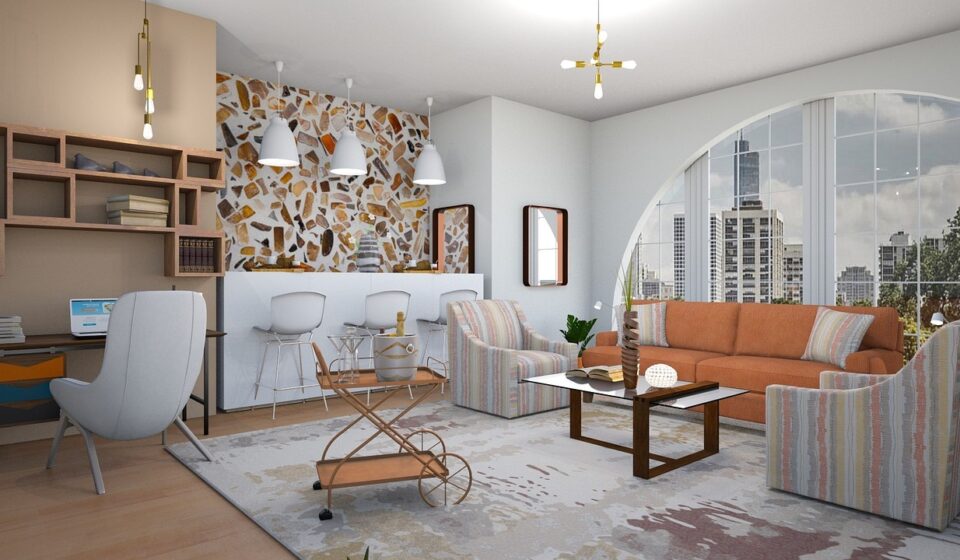
For sofa design, that translates into several practical choices. Curved backs and rounded arms can make a living room feel more relaxed. Brown, rust, olive, clay and warm beige can soften a room that already has hard flooring and flat white walls. A vintage-inspired sofa shape can add character, especially when balanced with cleaner tables or lighting. At the same time, a trend should not force the wrong purchase. If the room is narrow, a bulky curved sofa may be less successful than a straight sofa with rounded cushions. If the home already has strong color on walls or rugs, quieter upholstery may be the better long-term decision.
A practical sofa design checklist
Use this checklist before finalizing a sofa design, whether the project is a private home, a rental apartment, a model room or an editorial mood board.
- Define the main use. Conversation, TV, reading, family lounging and guest sleeping all point to different forms.
- Measure the room and delivery route. Include elevators, stair landings, door swings and tight corners.
- Confirm the seating plan. Decide whether the sofa should face a TV, fireplace, window, coffee table or other seats.
- Check visual weight. Compare arm thickness, leg height, back height and upholstery color against the room size.
- Review material claims. Look for clear information on frame materials, foam, fabric cleaning codes and relevant certifications.
- Plan the surrounding furniture. Coffee tables, side tables, lamps and rugs should support the sofa rather than crowd it.
- Avoid buying only for the photo. A sofa must work when people sit, move, eat, read and live around it.
For more ideas on how seating, storage, tables and interior elements work together, visit the Furniture Design section.
Frequently asked questions
What is the most versatile sofa design for a living room?
A straight sofa with moderate depth, slim arms and neutral upholstery is usually the most versatile because it can work with lounge chairs, ottomans, coffee tables and different rug layouts. For larger family rooms, a modular sofa can be more flexible because sections can be rearranged over time.
Is a sectional better than a standard sofa?
A sectional is better when the room needs a strong lounging zone and has enough floor area for the chaise or return. A standard sofa is often better in smaller rooms, formal rooms or spaces where chairs need to move easily. The right choice depends on circulation and use, not only seating capacity.
Which sofa materials are easiest to live with?
There is no single easiest material for every home. Performance fabrics can help with stains, leather can be durable with proper care, and tightly woven textiles may work better than loose loops in pet households. Always check the fabric cleaning code and understand whether a certification applies to the fabric, foam or full product.
How can a sofa make a small room feel bigger?
Choose a sofa with slimmer arms, raised legs, controlled depth and upholstery that does not create a heavy visual block. Pair it with smaller side tables or a lightweight coffee table. Avoid oversized sectionals that interrupt the main walking path, even if they technically fit on the floor plan.
Should sofa design follow trends?
Trends are useful for color, texture and silhouette ideas, but the sofa should first fit the room and the people using it. A curved, vintage-inspired or richly colored sofa can be successful when it supports the layout. If it fights the room proportions, a quieter and better-scaled design will usually age more gracefully.