A practical guide to mid century modern furniture for contemporary homes
a[data-rs-seo-link]{text-decoration:underline!important;color:#1a56db!important;cursor:pointer!important;}a[data-rs-seo-link]{text-decoration:underline!important;color:#1a56db!important;cursor:pointer!important;}
Mid century modern furniture is more than a nostalgic reference. At its best, it is a practical design language built around clean lines, useful proportions, organic curves, visible materials, and furniture that supports daily living without heavy ornament. In contemporary homes, the aim is not to recreate a 1950s showroom. It is to choose well-scaled pieces, balance wood with upholstery and metal, and leave enough visual space for the room to feel calm. This guide explains what defines the style, which furniture forms matter most, how to compare originals with reissues and reproductions, and how to use mid century ideas in living rooms, dining areas, bedrooms, and smaller apartments.
What mid century modern furniture means
Mid century modern generally refers to design associated with the middle decades of the twentieth century, especially the period from the postwar years through the 1960s. Merriam-Webster describes the style as design in architecture and furniture from roughly the 1930s through the mid-1960s, characterized by clean lines, organic and streamlined forms, and limited embellishment. That definition is useful because it separates the style from both earlier decorative revival furniture and later postmodern furniture.
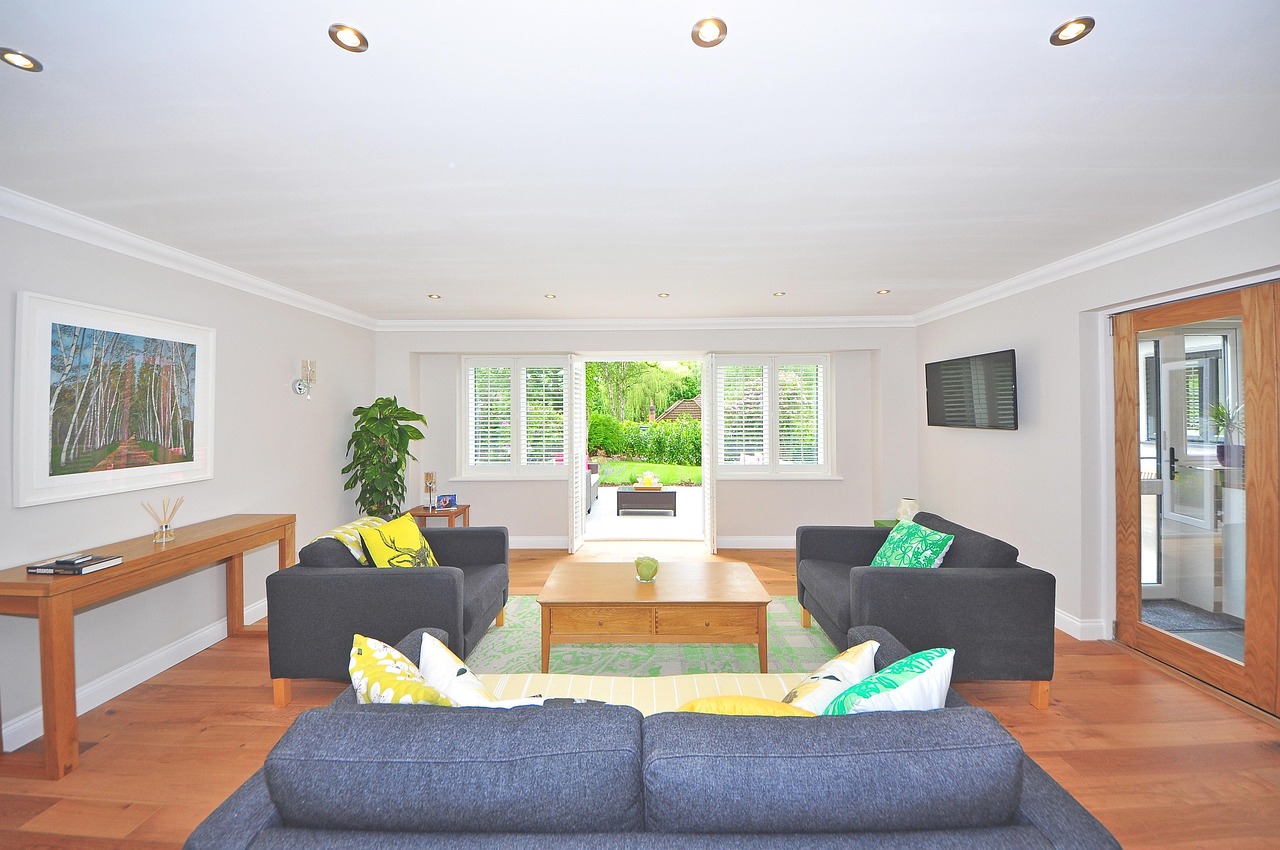
In furniture, the look is usually recognizable through low profiles, tapered legs, thin edges, open bases, molded forms, and a preference for function over decoration. A credenza may have a long horizontal body and slender legs. A lounge chair may combine a curved shell with leather, fabric, or molded plywood. A dining table may use a simple pedestal or narrow splayed legs instead of heavy carved supports.
The Design Museum’s writing on 1950s chairs also points to an important background: many designers of the period used wartime advances in materials and manufacturing to create furniture with new organic shapes. Charles and Ray Eames, Eero Saarinen, Harry Bertoia, Arne Jacobsen, and Isamu Noguchi are often discussed in this context because their work joined industrial production with sculptural form.
For more design context across furniture styles, see the Furniture Design section.
Why the style still works in modern interiors
The lasting relevance of mid century modern furniture comes from proportion more than nostalgia. Many pieces were designed for smaller postwar homes and apartments, so they often feel lighter than traditional furniture. Raised legs expose more floor, slim arms reduce visual bulk, and simple profiles make rooms easier to arrange.
The style also adapts well because it is not tied to a single material. Wood is common, especially walnut, teak, oak, rosewood, and plywood, but the period also embraced fiberglass, steel, aluminum, glass, plastic, cane, wool, and leather. This mix allows an interior to feel warm without becoming rustic, and modern without becoming cold.
Another reason the style remains relevant is that many well-known designs were created for real use, not display alone. Herman Miller’s official history notes that the Eames Lounge Chair and Ottoman were introduced in 1956 and remain in production. Knoll’s product history similarly identifies Saarinen’s Pedestal and Tulip collections with the late 1950s. These examples matter not because every home needs an icon, but because they show the period’s interest in comfort, manufacturing, and recognizable form.
Key furniture elements to recognize
Clean silhouettes and open bases
The easiest way to identify the style is to look at the outline. Mid century modern furniture usually avoids heavy carving, thick skirts, and ornate moldings. Case goods such as media cabinets, dressers, and sideboards often sit on narrow tapered legs or recessed plinths. Seating tends to show its frame rather than hide it under fabric.
Organic curves beside geometric lines
The style is not only about straight lines. Many important designs combine geometry with curves. Noguchi’s 1944 coffee table, held in the Museum of Modern Art collection, is a strong example of sculptural furniture that still functions as a practical table. Saarinen’s Tulip chair and pedestal table also show how a single curved support can replace a busier arrangement of legs.
Honest materials and visible construction
Wood grain, molded plywood layers, metal supports, exposed joinery, and shell-like seats are all part of the visual vocabulary. The furniture often looks designed rather than decorated. That does not mean every piece must be expensive or rare. A simple walnut sideboard with balanced proportions can express the style more clearly than a room filled with imitations of famous chairs.
Functional scale
Mid century furniture usually works best when it is appropriately sized for the room. Sofas often have compact arms and elevated legs. Dining chairs are light enough to move. Coffee tables are low and visually open. Storage pieces are wide and efficient rather than tall and imposing.
How to choose pieces room by room
Living room
Start with the sofa because it controls the room’s scale. A mid century-inspired sofa usually has a low back, simple arms, firm cushions, and visible legs. Pair it with one accent chair rather than several competing statement pieces. A wooden frame lounge chair, a molded shell chair, or a compact upholstered armchair can add character without crowding the layout.
For the coffee table, look for low height, rounded corners, glass, wood, or an open base. If the room is small, an oval or triangular table can soften traffic flow. Avoid making every item a famous silhouette. A room with a replica lounge chair, replica tulip table, replica sunburst clock, and replica sputnik light can quickly feel staged.
Dining area
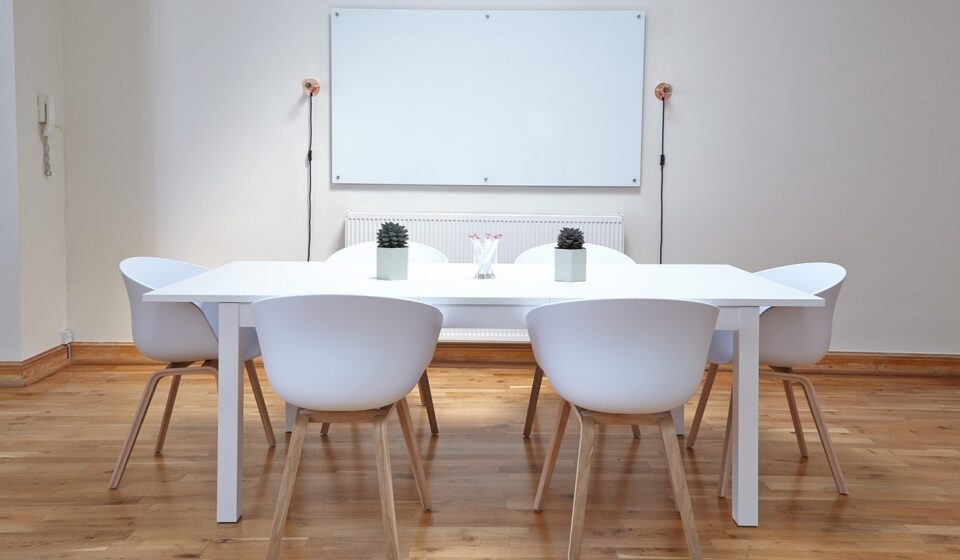
A rectangular wooden table with tapered legs is the simplest option. A round pedestal table works well in apartments because it reduces leg clutter and improves movement around the table. Dining chairs should be comfortable enough for meals, not just visually correct. Check seat height, back angle, and width before choosing a set.
If using a sideboard, allow it to act as the visual anchor. Long, low storage works especially well against a blank wall, below artwork, or near a dining table. Keep the top surface edited: one lamp, one tray, or one ceramic object usually looks stronger than a row of small accessories.
Bedroom
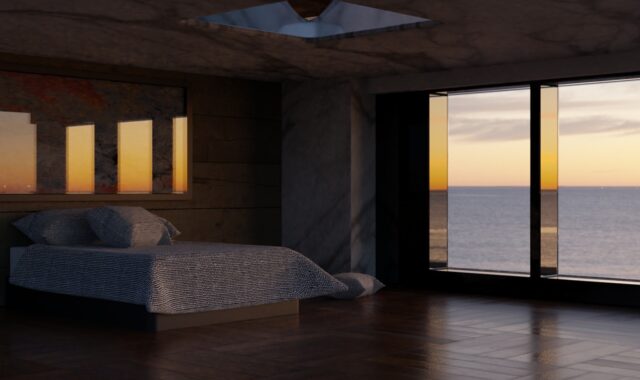
In bedrooms, mid century design is most effective when it stays quiet. A platform bed or simple wooden frame, a pair of slim nightstands, and a low dresser can create the style without overwhelming the room. Warm wood tones work well with white, cream, olive, rust, charcoal, or muted blue bedding.
Be careful with vintage dressers. Check drawer function, veneer condition, odors, and stability. Older furniture can be beautiful, but it may need repair, refinishing, or wall anchoring depending on its height and use. In homes with children, tall storage should be secured according to general furniture safety guidance. See also: Building Materials.
Small apartments and mixed-use spaces
Mid century modern furniture can suit small spaces because of its visual lightness. Choose raised legs, rounded corners, compact depth, and dual-purpose storage. A credenza can hold media equipment, table linens, work supplies, or entryway essentials. Nesting tables and small stools can add flexibility without creating permanent clutter.
The main risk in small spaces is overcollecting. One strong wooden storage piece, one light sofa, and one sculptural lamp may communicate the style more effectively than a full set of matching furniture.
Original vintage, licensed reissue, or reproduction
Buyers usually face three choices: original vintage furniture, licensed reissues, and modern reproductions. Each option has advantages and limits.
| Option | What it offers | What to check |
|---|---|---|
| Original vintage | Period materials, patina, collectible value, historical character | Condition, repairs, labels, provenance, veneer damage, structural stability |
| Licensed reissue | Closer connection to the original design, current manufacturing standards, warranty support | Price, lead time, authorized seller status, dimensions, available finishes |
| Modern reproduction | Lower entry price, wider availability, flexible colors and sizes | Build quality, comfort, material accuracy, ethical use of design, return policy |
Original does not automatically mean better for every household. A vintage dining set may need restoration. A licensed reissue may be expensive but dependable. A reproduction may be acceptable for a budget room if the proportions, materials, and comfort are strong. The key is to avoid paying collectible prices without documentation.
When assessing a claimed designer piece, compare dimensions, construction details, labels, hardware, underside marks, and material quality with museum records, manufacturer archives, or specialist references. Avoid relying only on a seller’s description. Many popular silhouettes have been copied for decades, especially lounge chairs, shell chairs, pedestal tables, and wire chairs.
Color, materials, and styling choices that feel current
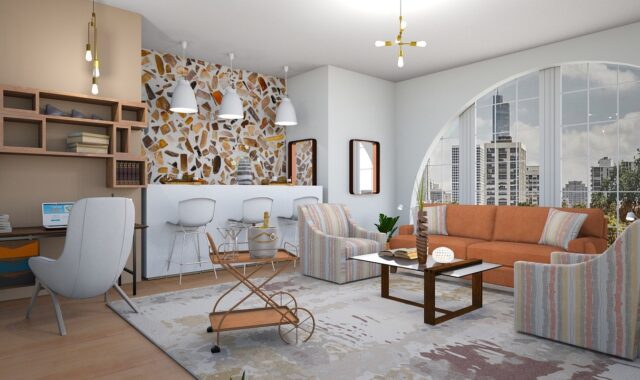
A balanced mid century room usually combines warm wood with a limited color palette. Walnut or teak can sit beside cream upholstery, black metal, olive textiles, burnt orange accents, or muted blue accessories. The palette can be colorful, but it should be controlled. One or two accent colors are easier to live with than a room full of saturated retro tones.
Texture is equally important. Pair smooth wood with nubby wool, boucle, linen, leather, cane, ceramic, or matte metal. This prevents the room from feeling flat. A wood sideboard, wool rug, ceramic lamp, and fabric sofa can feel warmer than a room made entirely of glossy surfaces.
Lighting should support the furniture rather than compete with it. Globe lamps, arched floor lamps, cone shades, and simple pendant lights all fit the vocabulary, but scale matters. A dramatic chandelier may work over a dining table, while a smaller table lamp may be better near a reading chair.
Artwork and accessories should be edited. Abstract prints, simple landscapes, ceramics, books, and plants often work well. The style has a close relationship with indoor-outdoor living, so greenery can soften the straight lines of furniture. Too many props, however, can turn a practical interior into a period set.
Common mistakes to avoid
- Buying the shape without checking comfort. A chair can look correct and still be too low, too deep, or too rigid for daily use.
- Matching every piece. Real mid century interiors often mixed designers, materials, and eras. A full matching set can feel less personal.
- Using too much wood in the same tone. Break up walnut, teak, or oak with fabric, metal, glass, stone, or painted surfaces.
- Ignoring room size. Low furniture can still be too wide or deep. Measure circulation paths, doorways, and rug placement before buying.
- Assuming every old piece is mid century modern. Plenty of furniture from the 1950s and 1960s was traditional, colonial revival, or purely commercial.
- Overpaying for undocumented designer claims. Ask for evidence when a seller uses names such as Eames, Saarinen, Noguchi, Bertoia, Nelson, or Jacobsen.
Frequently asked questions
Is mid century modern furniture still in style?
Yes, but the strongest interiors use the style selectively. The most current approach is not a complete retro room. It is a mix of mid century proportions, warm materials, comfortable upholstery, and contemporary lighting or art.
What wood is most associated with mid century furniture?
Walnut and teak are especially common in the American and Scandinavian sides of the style, while oak, rosewood, and molded plywood also appear often. The exact wood depends on country, maker, period, and price point.
Can mid century modern furniture work with traditional pieces?
Yes. The clean lines of mid century furniture can balance antiques, classic rugs, or traditional architecture. Keep one shared element, such as wood tone, color temperature, or scale, so the room feels intentional.
How many mid century pieces should one room have?
There is no fixed number. In many rooms, two or three strong pieces are enough: for example, a sofa, a lounge chair, and a sideboard. The rest of the room can be simpler and more contemporary.
What is the safest way to buy vintage mid century furniture online?
Ask for clear photos of the front, back, underside, labels, joints, hardware, and damaged areas. Confirm measurements, return terms, delivery method, and whether the seller can document designer or manufacturer claims.