Leather sofa maintenance guide for everyday care and long-term protection

a[data-rs-seo-link]{text-decoration:underline!important;color:#1a56db!important;cursor:pointer!important;}a[data-rs-seo-link]{text-decoration:underline!important;color:#1a56db!important;cursor:pointer!important;}
Leather sofa maintenance starts with gentle, consistent care
Good leather sofa maintenance depends more on a steady routine than on aggressive deep cleaning. Remove dust before it abrades the surface, wipe light soil promptly, keep the sofa away from heat and direct sunlight where possible, and condition only when the leather type and manufacturer’s instructions support it. Leather is durable, but it can still dry, fade, absorb oils, or crack when it is neglected or treated with the wrong products.
The safest starting point is to identify the leather finish, test any cleaner in a hidden area, and use the mildest method that solves the problem. This guide covers practical home care steps, common mistakes, spill response, and a realistic maintenance schedule that avoids over-treating the sofa.
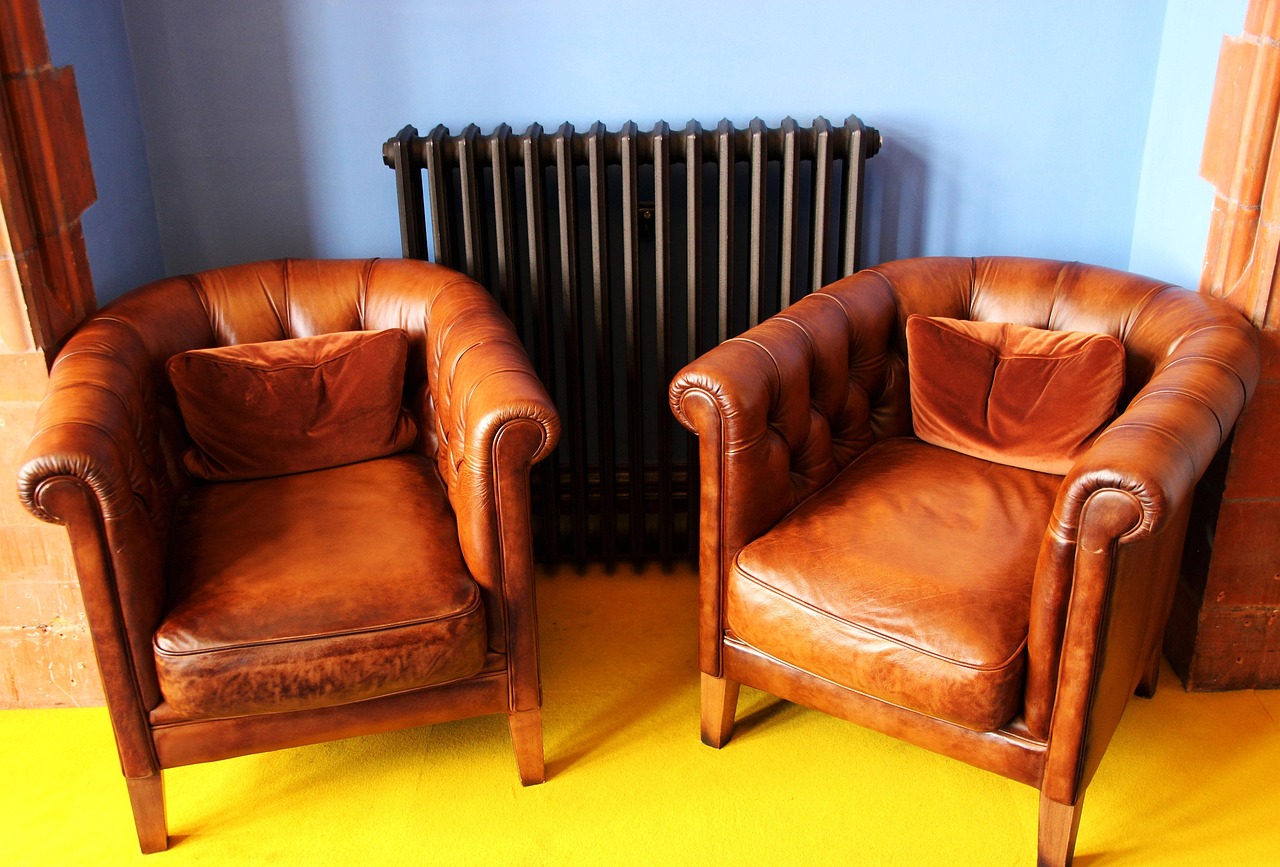
For more home care topics, visit the Care and Maintenance section.
Know your leather type before cleaning
The right maintenance method depends on the sofa’s leather finish. A cleaner that is safe on one surface may darken, stain, or strip another. Before using any product, check the furniture label, warranty booklet, or brand care guide. If the sofa is new, keep those documents with your household records because they usually explain whether water-based cleaning, leather conditioner, or professional service is recommended.
Leather sofas generally fall into several care categories. Pigmented or protected leather has a surface coating that resists everyday spills better than more absorbent leathers. Semi-aniline leather has some protective finishing but may still show marks more easily. Aniline leather is valued for its natural look and soft feel, but it is more absorbent and usually needs more cautious care. Nubuck and suede-like leather surfaces should not be treated like smooth leather because water and oils can leave visible marks. Some sofas sold as leather match, bonded leather, or coated split leather may include synthetic or reconstructed layers, and these materials can react differently to conditioners made for full-grain or top-grain leather.
| Leather or finish type | Typical care priority | Extra caution |
|---|---|---|
| Pigmented or protected leather | Regular dusting and gentle damp wiping | Avoid harsh solvents that may damage the coating |
| Semi-aniline leather | Light cleaning and careful spill response | Always test products because color change is possible |
| Aniline leather | Dry dusting and specialist-approved care | Water, oil, and cleaners may absorb quickly |
| Nubuck or suede-like leather | Dry brushing and specialist products | Do not use standard smooth-leather conditioner |
| Bonded or coated materials | Surface cleaning according to the label | Conditioner may not penetrate and can leave residue |
If you cannot identify the finish, treat the sofa as delicate until proven otherwise. Use a clean white cloth for testing so dye transfer from the cloth does not affect the result. Apply a small amount of cleaner or water to an inconspicuous area, wait until it is fully dry, and check for darkening, tackiness, color lift, or surface dullness before continuing.
A simple weekly and monthly maintenance routine
A leather sofa benefits from a routine that is easy enough to keep. Overcomplicated care plans often lead to skipped cleaning or unnecessary product use. Start with dust control. Dust and grit can act like fine abrasion when people sit, shift, or slide across the surface. Once a week, use a soft dry microfiber cloth to wipe arms, seat cushions, back cushions, and seams. If the sofa has creases or tufting, use a vacuum with a soft brush attachment on low suction to lift crumbs and debris. Keep hard plastic nozzle edges from rubbing directly against the leather.
For light surface soil on protected leather, use a barely damp cloth rather than a wet one. Wipe gently, then follow with a dry cloth. The goal is to remove soil, not saturate the surface. Never pour water directly on leather. If the sofa maker approves a cleaning solution, apply it to the cloth first rather than directly to the sofa.
Monthly, inspect high-contact areas such as headrests, armrests, seat fronts, and cushion seams. These areas collect body oils, hair products, lotions, and clothing dye. Early attention matters because oils can gradually change the look and feel of leather. If the surface looks dull from normal use, a manufacturer-approved leather cleaner may be appropriate. If it feels dry or stiff, conditioning may help only if the leather type is designed to accept conditioner.
- Weekly: dust with a soft cloth and vacuum seams with a brush attachment.
- As needed: wipe fresh spills immediately with a clean absorbent cloth.
- Monthly: inspect high-touch areas for oil buildup, dye transfer, or dryness.
- Seasonally: review placement, sunlight exposure, cushion shape, and whether conditioning is needed.
How to clean spills and stains without making them worse
A fast response helps, but speed should not turn into scrubbing. Rubbing spreads spills and can push liquid deeper into the surface. Blot instead. Use a dry white cloth or plain paper towel, press gently, and replace the cloth as it absorbs the spill. Work from the outside edge toward the center to reduce spreading.
Water-based spills on protected leather may clean up with blotting followed by a barely damp cloth. Grease and oil are different. They may darken leather and often need time to absorb into the material or require professional treatment. Ink, dye transfer, nail polish, and paint are higher-risk stains. Home remedies such as alcohol, acetone, vinegar mixtures, baking soda paste, or aggressive detergent can remove color, strip the finish, or create a larger damaged area. If the sofa is valuable or the stain is highly visible, professional leather repair is usually safer than repeated home attempts.
| Problem | First response | What to avoid |
|---|---|---|
| Water or soft drink spill | Blot immediately, then wipe lightly if the finish allows | Do not soak the cushion or scrub the spot |
| Food crumbs or dry soil | Vacuum seams and wipe with a dry cloth | Do not use stiff brushes on smooth leather |
| Grease or body oil mark | Blot excess and check the care label | Do not apply random powders or solvents without testing |
| Ink or dye transfer | Stop and seek product-specific guidance | Do not use alcohol or acetone unless approved for that finish |
| Sticky residue | Use an approved cleaner on a cloth after testing | Do not scrape with sharp tools |
After any spill treatment, let the area dry naturally. Do not use a hair dryer, heater, or direct sunlight to speed drying. Heat can make leather stiffer and may set some stains. Once the area is dry, compare it with the surrounding surface under normal room lighting, not only under bright inspection light.
Conditioning leather without overdoing it
Conditioner can be useful, but it is not a universal solution. Leather conditioners are designed to restore some feel and flexibility on suitable leather surfaces. Many modern sofas, however, have protective coatings that limit absorption. On those surfaces, too much conditioner may sit on top as a greasy film, attract dust, or create uneven shine. On absorbent leathers, the wrong conditioner may darken the surface.
A practical rule is to condition only when the sofa maker recommends it or when a compatible product has been tested successfully. For many households, seasonal or occasional conditioning is enough. A sofa in a dry, sunny room may need attention sooner than one in a stable, shaded space. Instead of conditioning on a fixed date, look for signs: the leather feels dry, looks slightly dull, or has lost some suppleness. Even then, use a small amount and apply it evenly with a soft cloth.
Choose a conditioner labeled for furniture leather, not shoe leather, car interiors, saddles, or untreated suede unless the product specifically matches your sofa’s finish. Products made for footwear may contain waxes, dyes, or polishing agents that are not appropriate for upholstery. Apply conditioner thinly, let it sit according to the product directions, and buff away any residue. More product does not mean more protection; it often means more buildup.
Protect the sofa from sunlight, heat, pets, and daily wear
Cleaning is only one part of leather sofa maintenance. Placement and everyday habits can prevent many problems before they start. Direct sunlight can fade color and dry surfaces over time. Heat from radiators, fireplaces, heating vents, and sunny windows can also contribute to dryness. If possible, place the sofa away from strong sunlight and heat sources. When the room layout makes that difficult, use curtains, blinds, window film, or seasonal rotation to reduce exposure.
Daily wear patterns matter as well. Sitting in the same place every day compresses cushions and concentrates body oils in one zone. Rotate removable cushions if the design allows it. Fluff fiber-filled backs and adjust loose cushions so creases do not become permanent pressure lines. Keep sharp objects away from the sofa, including keys, belt hardware, pet claws, and children’s toys with hard edges. See also: Building Materials.
Pets require a realistic plan. Leather can be easier to wipe than some fabrics, but claws can scratch the surface. Keep pet nails trimmed and consider a washable throw in the pet’s favorite spot. Avoid adhesive protectors unless approved, because some tapes or films can leave residue or pull at the finish. If scratches appear on pigmented leather, minor marks may sometimes be reduced with approved care products; deeper cuts or color loss usually require repair materials matched to the sofa.
Clothing dye transfer is another common issue, especially from dark denim or heavily dyed textiles. Light-colored leather is more vulnerable to visible transfer. If a pale sofa is used daily, regular dry wiping of seat and back areas helps reduce buildup, but prevention is better. Be cautious with new jeans, wet clothing, and throw pillows with unstable dyes.
Mistakes that shorten a leather sofa’s life
Many leather problems come from well-intentioned cleaning. The first mistake is using household cleaners because they are convenient. All-purpose sprays, bleach, ammonia, abrasive powders, glass cleaner, and strong degreasers are not designed for leather upholstery. They may remove protective coatings or leave the surface sticky and dull.
The second mistake is over-wetting. Leather upholstery includes seams, padding, backing materials, and sometimes wood or metal framing beneath the surface. Excess moisture can travel into places that dry slowly. Even if the visible surface looks fine at first, moisture can contribute to odor, stiffness, or hidden damage. Use damp cloths sparingly and dry the surface after cleaning.
The third mistake is treating all leather as the same. A smooth protected leather sectional in a family room and an aniline leather lounge chair need different care. When online advice says a method is safe for leather, ask what leather finish it refers to. If the finish is not specified, treat the advice as incomplete.
The fourth mistake is delaying small repairs. Loose stitching, worn piping, peeling coatings, or small tears can worsen with use. Early repair is often neater and less disruptive than waiting until the damage spreads. For structural damage, cushion failure, major color loss, or peeling bonded material, cleaning products will not solve the underlying issue.
When to call a professional
Professional help is worth considering when the stain is large, the leather is absorbent, the sofa is expensive, or previous cleaning attempts have changed the surface. A qualified leather technician may be able to clean, recolor, fill, or protect areas that are beyond routine home care. This is especially relevant for ink, pet damage, heavy oil staining, sun fading, cracked finish, and color loss on high-contact zones.
Before hiring help, ask what process will be used, whether the repair will be color matched, and whether the treatment is suitable for your leather type. Request a written explanation of expected results and limitations. Some damage can be improved but not erased completely, and honest expectations are part of good maintenance planning.
If the sofa is still under warranty, contact the retailer or manufacturer before using third-party repair products. Unauthorized treatment may affect coverage. Keep photos, purchase records, care labels, and notes about when the issue appeared. Clear documentation helps determine whether the problem is maintenance-related, accidental, or possibly connected to material performance.
Frequently asked questions
How often should I clean a leather sofa?
Dust weekly and inspect high-touch areas monthly. Deeper cleaning should be based on use, visible soil, and the manufacturer’s care instructions. A busy family room sofa may need attention more often than a lightly used formal seating area.
Can I use water on a leather sofa?
On some protected leathers, a barely damp cloth is acceptable for light soil, but water should never be poured onto leather. Absorbent finishes such as aniline, nubuck, or suede-like leather can mark easily, so always check the care label and test first.
Does every leather sofa need conditioner?
No. Some leather finishes benefit from occasional conditioning, while coated or synthetic surfaces may not absorb it properly. Use conditioner only when it is compatible with the sofa’s material and apply it sparingly after a hidden-area test.
What should I do if my leather sofa starts cracking?
First, reduce heat and sunlight exposure and stop using harsh cleaners. If the cracking is minor dryness on suitable leather, approved conditioning may help the feel. If the finish is cracked, peeling, or splitting, a professional repair assessment is usually more appropriate than repeated home treatments.
Can leather sofa maintenance remove pet scratches?
Light surface marks may become less noticeable with gentle cleaning or approved products, depending on the finish. Deep scratches, cuts, or missing color usually need repair materials and color matching. Keeping pet nails trimmed and using a washable throw can help prevent repeat damage.