How to clean and care for a leather and fabric couch
a[data-rs-seo-link]{text-decoration:underline!important;color:#1a56db!important;cursor:pointer!important;}a[data-rs-seo-link]{text-decoration:underline!important;color:#1a56db!important;cursor:pointer!important;}
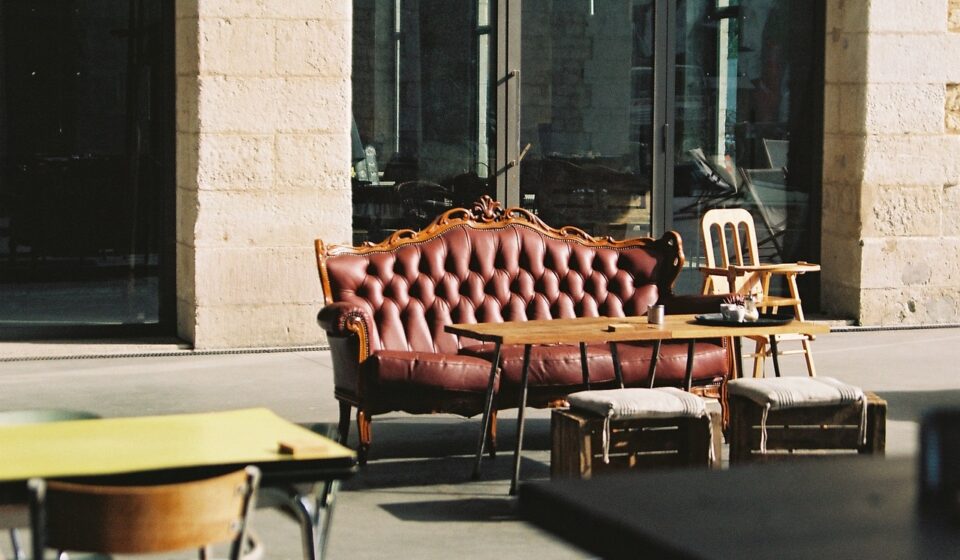
A leather and fabric couch combines two materials with very different cleaning limits. The safest approach is to treat the leather and fabric as separate zones, check the manufacturer’s care tag before using any liquid, and test every cleaner in a hidden area first. Fabric care often depends on upholstery cleaning codes such as W, S, WS or X. Leather usually needs gentle dusting, careful moisture control, and protection from heat and direct sun. A mixed-material couch can be practical and attractive, but one all-purpose spray or aggressive scrubbing method can leave water rings, color loss, cracked leather, or uneven texture.
Why a leather and fabric couch needs a split care routine
The main challenge with a mixed-material sofa is that the same spill can behave differently on each surface. Fabric can absorb liquid quickly, especially around seams, tufting, and cushion edges. Leather may resist immediate absorption if it has a protective finish, but it can still stain, dry out, or lose its surface coating when treated with harsh chemicals.
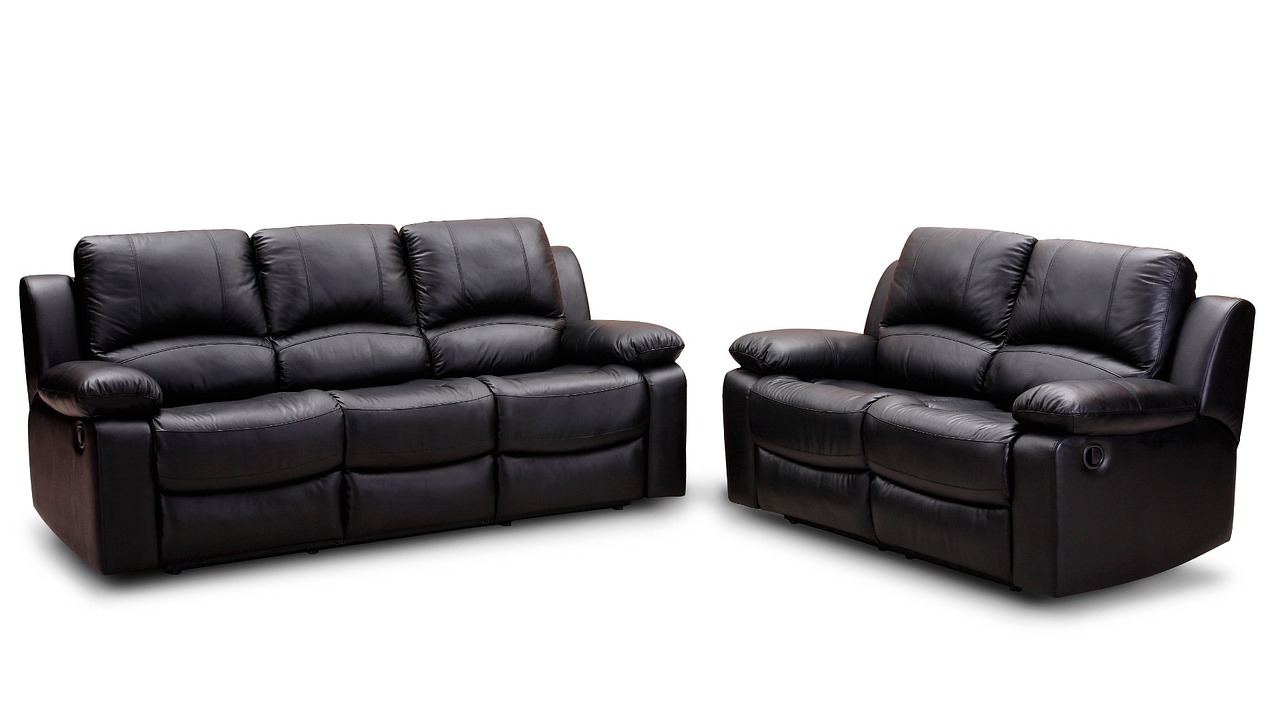
For that reason, the safest care plan is not based on the couch as a whole. It depends on the specific surface you are cleaning at that moment. Use a fabric routine for upholstered panels, a leather routine for leather arms or seats, and extra caution where the two materials meet.
This is especially important on combination sofas with leather-look frames and fabric cushions, leather seating with fabric backs, or decorative fabric inserts. These designs often include stitching, piping, and transition seams where moisture can travel from one material into another. A cleaner that is acceptable for one section may be unsuitable for the neighboring section.
For more home surface upkeep topics, visit the Care and Maintenance section.
Start with the care tag and material identification
Before cleaning, look for the manufacturer’s tag under the cushions, on the platform below the seat, behind the back panel, or underneath the sofa. For the fabric portion, the tag may show one of the common upholstery cleaning codes. The Association for Contract Textiles and upholstery cleaning references describe these codes as a useful starting point, but they are not a complete guarantee of safe cleaning for every stain, finish, or construction.
| Code | What it usually means | Practical caution |
|---|---|---|
| W | Water-based upholstery cleaner may be used for spot cleaning. | Avoid over-wetting and always test first. |
| S | Solvent-based cleaner is usually required. | Do not use water unless the manufacturer says it is safe. |
| WS or SW | Water-based or solvent-based cleaning may be allowed. | The code does not make every product safe; match the cleaner to the stain and fabric. |
| X | Vacuuming or light brushing only. | Liquid cleaning can cause damage; professional advice is safer for stains. |
Leather also needs identification. Real leather, coated leather, nubuck, suede, bonded leather, and synthetic leather do not respond the same way. Many household “leather” couches have a protective pigment or finish, while suede and nubuck are more absorbent and easier to mark. If the label is missing or the material is unclear, use the least aggressive method: dry dusting, vacuuming with a soft attachment, and no liquid cleaner until the material is confirmed.
Weekly maintenance that prevents most cleaning problems
Routine care is more effective than occasional deep cleaning. Dust, body oils, pet hair, and grit slowly abrade both leather and fabric. On fabric, trapped particles can dull the surface and settle into the weave. On leather, grit can act like fine sandpaper on high-contact areas such as arms, headrests, and seat fronts.
- Vacuum fabric sections weekly with a clean upholstery attachment and low to moderate suction.
- Dust leather sections with a soft, dry microfiber cloth before using any damp cloth.
- Use a soft brush attachment around seams, piping, and cushion gaps.
- Rotate loose cushions when the design allows it, so one seat does not take all the wear.
- Keep the couch away from direct sunlight, radiators, fireplaces, and heating vents where possible.
- Use washable throws in high-contact areas if pets or children regularly use the couch.
The U.S. Environmental Protection Agency advises regular cleaning of carpets and furniture to reduce indoor particulate matter, and also notes that ventilation matters when using products that may release odors or volatile compounds. For a couch owner, the practical takeaway is straightforward: vacuum first, use fewer chemicals, and ventilate the room when a cleaner is necessary.
How to clean the fabric sections safely
Fabric cleaning should begin with dry soil removal. Vacuum slowly, using overlapping passes instead of rushing across the surface. If the couch has removable cushions, vacuum the deck underneath and the sides of the cushions. Crumbs and dust left in these areas can move back onto the visible upholstery.
For spot cleaning, follow the cleaning code and the manufacturer’s instructions. On W-code fabric, a small amount of water-based upholstery cleaner may be appropriate, but soaking the fabric is still risky. Too much moisture can create water rings, push soil deeper into the cushion, or affect adhesives and padding below the cover. Apply cleaner to a cloth rather than pouring it onto the couch, blot from the outside of the spot inward, and stop if color transfers to the cloth.
For S-code fabric, avoid water-based DIY mixtures. Water can cause spotting, shrinkage, dye movement, or texture change on fabrics that require solvent cleaning. For WS or SW fabric, choose the gentlest option that matches the stain, and test first. For X-code fabric, do not spot clean with liquid. Vacuuming and light brushing are the standard maintenance methods, and stains are a good reason to consult a professional upholstery cleaner.
What not to do on fabric upholstery
- Do not scrub aggressively; it can distort the weave and raise the nap.
- Do not use bleach unless the manufacturer specifically allows it.
- Do not assume removable cushion covers are machine washable.
- Do not use carpet cleaner automatically; upholstery fabric and cushion construction may need a different process.
- Do not clean only the center of a stain if the fabric is prone to water rings; feathering and controlled moisture matter.
How to clean and protect the leather sections
Leather care is mostly about gentle cleaning and moisture control. Start with dry dusting. If the manufacturer allows damp cleaning, use a barely damp soft cloth and wipe gently. Follow with a dry cloth so moisture does not sit on the surface. Leather Naturally’s care guidance emphasizes regular maintenance, avoiding direct heat for drying, and keeping leather away from conditions that can accelerate drying or fading.
Avoid alcohol, ammonia, abrasive powders, strong degreasers, silicone-heavy furniture sprays, and random oil treatments. These may darken leather, strip finishes, or leave sticky residues. If a leather conditioner is recommended by the manufacturer, use it sparingly and only after the leather is clean and dry. Too much conditioner can attract soil or create an uneven sheen.
Be especially careful with light-colored leather near dark fabric, denim, or decorative pillows. Dye transfer can be difficult to reverse. If the couch has leather arms next to fabric cushions, check the contact zones frequently because body oils and textile dyes often collect where hands, sleeves, and cushions rub.
Special caution for suede, nubuck and unfinished leather
Suede, nubuck, and unfinished leather are more absorbent than protected leather. Water can leave marks, and ordinary leather creams may permanently change the texture. Use a suede brush or manufacturer-approved product only, and avoid experimenting with household cleaners. If the stain is large, oily, or old, professional care is usually safer than repeated home attempts.
How to handle spills and stains on mixed materials
Fast action helps, but the wrong fast action can make a stain worse. The first priority is to stop the spill from spreading across the material boundary. Blot, do not rub. Use a white absorbent cloth or plain paper towel so dyes from the cloth do not transfer to the couch. See also: Building Materials.
- Remove solids gently with a spoon or dull edge without grinding them into the fabric.
- Blot liquid from the outside toward the center of the spill.
- Keep moisture away from seams where fabric meets leather.
- Check the fabric cleaning code before applying any cleaner.
- For leather, wipe only if the manufacturer permits damp cleaning, then dry immediately.
- Let the area air dry naturally; do not use a hair dryer or heater.
Different stains require different decisions. Water-based spills on W-code fabric may respond to careful blotting and a suitable upholstery cleaner. Grease, ink, nail polish, dye transfer, and pet accidents are more complicated. These can require specific chemistry, and using the wrong cleaner may set the stain or spread it. When the stain crosses from fabric onto leather, treat it as a higher-risk problem rather than a routine spot.
| Problem | Safer first response | When to stop |
|---|---|---|
| Fresh drink spill | Blot immediately and follow the fabric code. | If color spreads or a ring forms. |
| Grease or body oil | Blot surface residue; avoid flooding with water. | If the mark remains after gentle treatment. |
| Ink or dye transfer | Do not scrub; isolate the area. | Immediately, especially on light leather. |
| Pet urine | Blot and ventilate; check the code before using enzyme products. | If odor reaches cushion foam or leather seams. |
Placement, indoor air and safety considerations
Where the couch sits affects how long it looks good. Direct sun can fade fabric and dry leather. Heat sources can accelerate cracking, stiffening, and finish changes. High humidity can encourage odor and mildew in fabric or cushion interiors, while very dry air may make leather feel less supple over time.
Cleaning products also affect indoor air. The EPA identifies cleaning supplies and some household products as possible contributors to indoor air concerns, especially when ventilation is poor. Open windows when practical, avoid mixing cleaners, and do not use more product than the label recommends. A couch should not smell strongly of cleaner after maintenance; lingering odor can indicate overuse or poor ventilation.
Fire safety is another reason to treat upholstered furniture carefully. The U.S. Consumer Product Safety Commission has highlighted upholstered furniture as a significant fuel source in home fires, and a federal upholstered furniture flammability standard has applied to covered products manufactured, imported, or reupholstered on or after June 25, 2021. For daily use, keep candles, space heaters, and smoking materials away from couches, regardless of whether the surface is leather, fabric, or both.
When professional cleaning is worth it
Professional upholstery cleaning is not necessary for every couch, but it is worth considering when the fabric code is S or X, the stain is large, the couch is expensive, or the material cannot be clearly identified. The IICRC’s professional upholstery cleaning standard covers areas such as inspection, fibers, cleaning systems, leather cleaning, spot removal, and fabric protectors, which reflects how many variables professionals evaluate before cleaning.
As a practical schedule, many households can manage with weekly vacuuming and prompt spot response, then consider professional cleaning every one to two years depending on use, pets, children, light exposure, and soil level. High-use family rooms may need attention sooner. A rarely used formal sofa may need less.
Before hiring, ask the cleaner how they will handle both materials. A sound answer should include inspection, testing, separate methods for leather and fabric, and caution around seams. Be cautious if someone proposes one machine, one solution, and one method for the entire leather and fabric couch without asking about the care label.
Frequently asked questions
Can I use the same cleaner on leather and fabric?
Usually no. Leather and fabric have different finishes, absorbency, and cleaning limits. Even if a product says it is gentle, test it on the specific material and follow the manufacturer’s instructions. A cleaner that is acceptable for W-code fabric may be wrong for leather, suede, or S-code upholstery.
How often should I vacuum a leather and fabric couch?
Weekly vacuuming is a sensible baseline for the fabric areas and seams. Homes with pets, children, or heavy daily use may need more frequent vacuuming. Leather areas should be dusted regularly with a soft cloth so grit does not abrade the finish.
Can removable fabric cushion covers go in the washing machine?
Only if the manufacturer’s care instructions clearly allow machine washing. A zipper does not automatically mean the cover is washable. Washing can cause shrinkage, fading, seam stress, or a poor fit when the cover is placed back on the cushion.
What should I do if the care tag is missing?
Use the most cautious approach: vacuum, dust, and avoid liquid cleaners until the material is identified. If the couch is valuable, stained, or made with suede, nubuck, velvet, linen, or unknown leather, ask the manufacturer or a qualified upholstery cleaner before attempting spot treatment.
Is a leather and fabric couch harder to maintain than an all-fabric couch?
It can be, because the two materials require different care decisions. The advantage is that each material can be maintained well if you separate the routine: vacuum and code-check the fabric, dust and gently protect the leather, and treat seams as high-risk areas during spills.
Bottom line
A leather and fabric couch stays in better condition when cleaning is cautious, divided by material, and based on the care label. Vacuum fabric regularly, dust leather often, avoid heat and direct sunlight, and never let one cleaning method cross from fabric to leather without testing. For unknown materials, S-code or X-code fabric, suede, nubuck, dye transfer, ink, grease, or pet accidents, professional advice is often cheaper than repairing preventable damage.