How to choose an aluminium cupboard near me for kitchens, garages and utility rooms
a[data-rs-seo-link]{text-decoration:underline!important;color:#1a56db!important;cursor:pointer!important;}a[data-rs-seo-link]{text-decoration:underline!important;color:#1a56db!important;cursor:pointer!important;}
Quick answer for local buyers
If you are searching for an aluminium cupboard near me, first decide where the cupboard will be installed, how much moisture it will face and whether you need a ready-made unit or a custom fit. A nearby showroom, cabinet supplier or metal fabricator can be useful because you can inspect the finish, test the doors, confirm measurements and clarify delivery or installation before paying. Do not choose a product only because it is labelled aluminium. Compare the frame, panels, hinges, shelf supports, coating system, anchoring method and written warranty. For kitchens, laundry rooms, garages and utility spaces, the right local option is usually the one that fits the room accurately, stands up to daily use and comes with a clear quote that states exactly what is included.
What local search intent really means
The phrase aluminium cupboard near me is a local buying query. The searcher is usually not looking for a general explanation of aluminium as a metal. They are trying to find nearby stores, cabinet showrooms, metal fabricators, modular kitchen suppliers or home improvement dealers that can provide a cupboard within a practical delivery or installation area.
That local intent changes how the purchase should be judged. A cupboard that looks suitable online may still be the wrong choice if it cannot be delivered upstairs, does not fit around plumbing, lacks wall anchoring, uses weak hardware or has a finish that is unsuitable for a humid room. A local supplier should be able to answer practical questions about site measurement, installation responsibility, lead time, repair support and after-sales parts.
Spelling also matters. Aluminium is common in many English-speaking markets, while aluminum is the usual spelling in the United States. If local results seem limited, buyers may want to compare both search terms, especially when looking for nearby fabricators or imported cabinet systems.
Match the cupboard type to the room
Kitchens and pantry areas
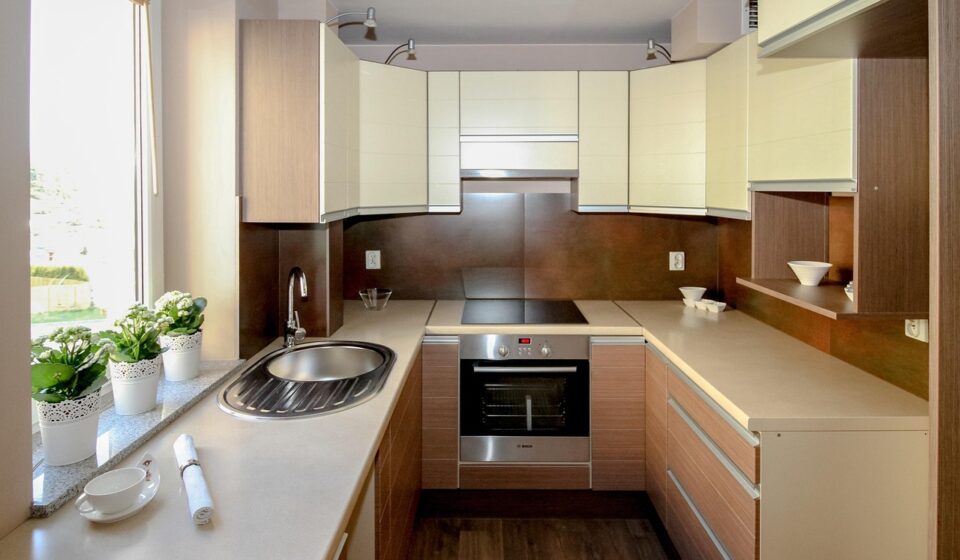
Kitchen cupboards face frequent door operation, heat, steam, splashes and cleaning chemicals. In this setting, finish quality and hardware matter as much as the aluminium frame itself. Look for smooth door alignment, quiet hinges, stable shelves and surfaces that can be wiped clean without trapping grease in sharp corners. If the cupboard is part of a larger kitchen cabinet run, check whether the aluminium door style, handle position and depth match the adjacent cabinets.
Laundry, utility and garage spaces
Laundry rooms and garages often need storage for cleaning products, tools, household supplies and seasonal items. Aluminium is often chosen because it is lightweight, dimensionally stable and naturally resistant to corrosion compared with untreated steel. That does not mean every aluminium cupboard is suitable for harsh use. Chemical storage, salty air, wet floors and abrasive tools can still damage poor coatings, thin panels or low-grade fasteners.
Balconies, patios and semi-outdoor areas
For covered outdoor or semi-outdoor locations, ask more detailed questions about coating and fasteners. Rain exposure, UV light, condensation and coastal air can shorten the life of a weak finish. A cupboard advertised as aluminium may still include steel screws, plastic fittings or wood-based inserts. Ask the local seller to identify every major material used, not only the visible front.
Construction details to inspect before buying
Aluminium cupboards are not all built the same way. Some are almost entirely aluminium, some use aluminium frames with composite or glass panels, and others use aluminium doors on a wood-based cabinet body. Each construction method has advantages and limitations.
Frame and panel design
Ask whether the frame is extruded aluminium, folded sheet aluminium or a mixed-material structure. The seller should be able to explain the frame profile, panel material, shelf load guidance and how the back panel is fixed. Avoid relying on thickness claims alone unless they are included in the written specification. Panel strength also depends on profile shape, reinforcement, joints and shelf span.
Joints, shelves and hardware
Open the doors several times and check whether they rub, wobble or rebound. Look at the hinges, drawer runners, handles, shelf pins and corner connections. Shelves should sit level and feel stable under reasonable hand pressure. If the cupboard will hold heavy cookware, tools or liquid containers, ask for the rated load per shelf in writing. If the seller cannot provide a precise rating, treat the cupboard as light- or medium-duty unless the construction clearly proves otherwise.
Hybrid cupboards with wood-based panels
Some aluminium cupboards include MDF, particleboard, plywood or other composite wood panels. In the United States, the U.S. Environmental Protection Agency’s TSCA Title VI program regulates formaldehyde emissions from certain composite wood products and finished goods that contain them. If a local cupboard uses composite wood panels, ask whether those panels are TSCA Title VI compliant and whether documentation is available. This is especially relevant for enclosed indoor spaces with limited ventilation.
Finish quality matters more than color
Color is usually the first thing buyers notice, but the coating system determines how well the surface tolerates moisture, cleaning, UV exposure and abrasion. Common finishes include powder coating, anodizing and decorative laminated or coated panels. Powder coating can be durable when surface preparation and curing are properly controlled, but a low-quality powder-coated finish may chip, peel or chalk earlier than expected.
International coating programs such as Qualicoat define minimum requirements for coating materials, coating processes and finished architectural aluminium products. Not every cupboard supplier will use a certified coating line, and that does not automatically make the product unsuitable. The more useful buying questions are specific: what pretreatment is used, what finish is applied, what environments is it intended for and what does the finish warranty exclude?
When viewing a sample, inspect edges, corners, drilled holes and the inside of doors. Weak finishes often show first in less visible areas. Look for uneven gloss, exposed metal at cut edges, rough spots, scratches, bubbles or color mismatch between panels. For humid rooms or coastal locations, ask whether the coating is recommended for that environment.
Measure before contacting nearby suppliers
Local shopping is faster when you bring accurate information. Before calling a showroom or fabricator, measure the available width, height and depth. Note baseboards, floor slopes, pipes, outlets, switches, vents, door swings and window trim. Take clear photos of the wall, floor and surrounding cabinets. If the cupboard will be installed in a kitchen, include appliance clearances and countertop overhangs. See also: Building Materials.
- Measure the maximum outside space and the usable inside storage space you actually need.
- Record whether the cupboard will be freestanding, wall-mounted or fixed between other units.
- Check whether the floor is level and whether the wall can accept anchors.
- List the items you plan to store, especially heavy tools, cookware or liquids.
- Decide whether you need adjustable shelves, lockable doors, drawers or ventilation.
For more home material comparison topics, visit the buying guides section.
Use this comparison table when visiting a showroom
| Decision point | What to ask locally | Why it matters |
|---|---|---|
| Structure | Is it all aluminium, aluminium-frame hybrid or aluminium doors on another cabinet body? | The answer affects weight, moisture resistance, repair options and indoor emissions questions. |
| Finish | Is the surface powder-coated, anodized or laminated, and what environment is it intended for? | Finish quality has a major effect on cleaning, corrosion resistance and long-term appearance. |
| Hardware | What hinge, handle, runner and shelf support materials are used? | Daily performance often depends on hardware rather than the frame alone. |
| Safety | Will the cupboard be anchored, leveled or fixed to adjacent units? | Tall or loaded cupboards can become unstable if installed poorly. |
| Quote scope | Does the price include measurement, delivery, installation, old unit removal and taxes? | Two local quotes can look similar while covering very different work. |
How to compare local quotes without relying only on price
There is no single reliable local price for an aluminium cupboard because size, finish, hardware, customization, site access and installation scope vary widely. A fair quote should identify the cupboard dimensions, material type, surface finish, hardware grade, number of shelves, delivery terms, installation method, warranty period and exclusions. If the cupboard is custom-made, the quote should also state who is responsible for final measurement and what happens if site conditions change.
Be cautious with unusually low prices. They may exclude installation, use thinner panels, omit wall anchoring, rely on basic hinges or provide no meaningful finish warranty. A higher quote may be reasonable if it includes custom sizing, stronger shelves, better hardware, measured installation and a clearer warranty. The aim is not to choose the most expensive supplier, but to compare like with like.
For kitchen and vanity cabinets, the ANSI/KCMA A161.1 performance standard is a useful reference point in the U.S. cabinet industry. The Kitchen Cabinet Manufacturers Association describes the standard as covering structural integrity, drawer and door operation and finish quality. Many aluminium storage cupboards will not be KCMA-certified, especially if they are garage, utility or custom metal units. Still, the standard is a reminder that doors, drawers, shelves and finishes should be evaluated as a system rather than judged by appearance alone.
Installation, safety and maintenance checks
Installation quality can determine whether a cupboard feels solid for years or becomes a daily frustration. Freestanding units should sit level without rocking. Wall-mounted cupboards need appropriate fixings for the wall type, and tall storage units should be anchored where tip-over risk exists. The U.S. Consumer Product Safety Commission has long promoted furniture anchoring through its Anchor It safety campaign, and a federal stability standard for clothing storage units went into effect in September 2023. Even when a cupboard is outside that exact product category, anchoring is a sensible precaution for tall units, homes with children or spaces where heavy items are stored above waist height.
Maintenance should be straightforward. Clean aluminium surfaces with mild soap and a soft cloth unless the manufacturer gives different instructions. Avoid abrasive pads, harsh solvents and standing water around joints. In garages or utility rooms, wipe chemical spills quickly and avoid storing corrosive materials directly against bare metal or exposed fasteners. Every few months, check hinge screws, shelf supports and anchors, especially if the cupboard holds heavy items.
A practical local buying checklist
- Confirm whether you need a kitchen, pantry, garage, laundry, balcony or general storage cupboard.
- Measure the space and photograph all walls, floors, pipes, outlets and clearance restrictions.
- Ask whether the cupboard is all aluminium or a mixed-material construction.
- Request the finish type, warranty terms and any limitations for wet or outdoor-adjacent areas.
- Test doors, drawers, shelves and handles in person whenever possible.
- Ask for shelf load guidance and anchoring details before storing heavy items.
- Check TSCA Title VI compliance if composite wood panels are used in a U.S. indoor product.
- Compare written quotes by scope, not only by the headline price.
Frequently asked questions
Is an aluminium cupboard better than a wooden cupboard?
It depends on the room and the design. Aluminium can be a strong choice for moisture-prone or utility spaces because it is lightweight and corrosion resistant, while wood and wood-based cabinets may offer warmer styling and easier matching with traditional interiors. For indoor kitchens, the best choice depends on construction quality, finish, hardware and installation, not material alone.
Should I search for aluminum cupboard near me as well?
Yes, especially in the United States. Aluminium and aluminum refer to the same metal, but local sellers may use one spelling more often than the other. Searching both terms can reveal more nearby suppliers, cabinet shops and metal fabricators.
Is powder-coated aluminium suitable for a kitchen?
Powder-coated aluminium can be suitable for kitchen cupboards when the coating is properly applied and the design avoids moisture traps. Ask how the surface is prepared, whether cut edges are protected and what cleaning products are allowed. Also inspect hinges and handles, because kitchen durability depends on the whole cabinet system.
Do I need a custom aluminium cupboard or a ready-made one?
Choose ready-made if the size, shelf layout and finish already match your space. Choose custom if the cupboard must fit around appliances, pipes, uneven walls, sloped floors or a specific cabinet run. Custom work usually needs more careful measurement and a clearer written quote.
What should be included in a local quote?
A useful quote should include dimensions, materials, finish, hardware, number of shelves, delivery, installation, anchoring, lead time, warranty and exclusions. If removal of an old cupboard, wall repair or electrical adjustments are not included, those items should be stated separately.