How to choose a wood and rattan chair for your home
a[data-rs-seo-link]{text-decoration:underline!important;color:#1a56db!important;cursor:pointer!important;}a[data-rs-seo-link]{text-decoration:underline!important;color:#1a56db!important;cursor:pointer!important;}
Start with the use case, not the look
A wood and rattan chair performs best when its natural materials suit the room, the sitting habits, and the amount of wear it will receive. For most homes, the buying decision should start with three checks: a stable wood frame, tight and even rattan or cane work, and a finish intended for indoor conditions. Natural rattan is usually a better fit for dining rooms, bedrooms, offices, entryways, and protected porches than for exposed patios. If you want a woven look outdoors, synthetic wicker is often the more practical category to compare.
Before buying, review the chair’s construction, dimensions, seat support, cleaning needs, and material claims. Style photos can be useful, but they rarely show the underside of the seat, the joint construction, or the tension of the weave.

Wood and rattan seating remains popular because it combines structure with lightness. The wood carries the load, while the woven surface adds texture, airflow, and visual warmth. That combination can suit coastal, Japandi, farmhouse, mid-century, and transitional interiors. It can also disappoint if the chair is placed in the wrong environment or if the product description leaves out details such as plywood components, loose weave, or an unclear weight capacity.
For more furniture selection topics, browse the Buying Guides section.
What a wood and rattan chair actually is
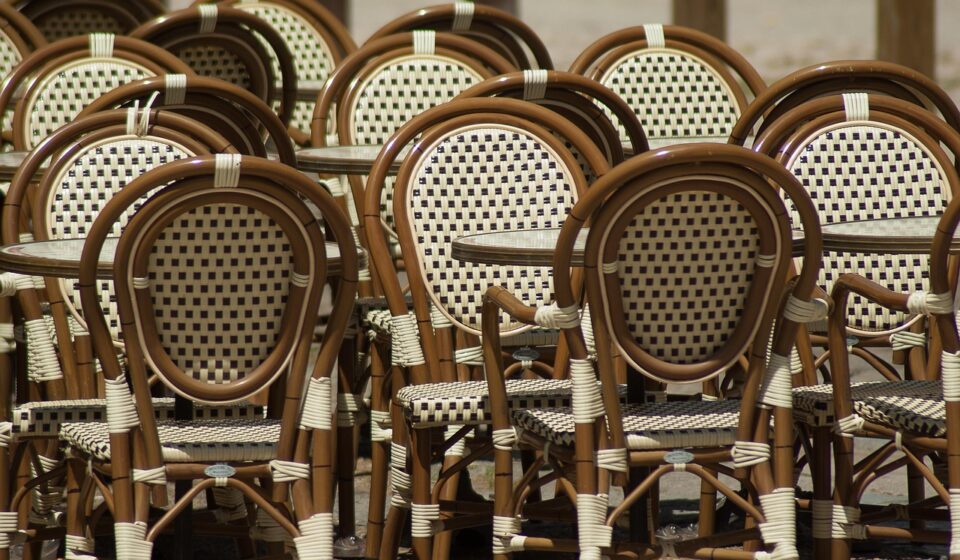
In furniture listings, wood and rattan can describe several constructions. A chair may have a solid wood frame with a woven rattan cane seat, a timber frame with rattan panels on the back, or a mixed-material frame that includes engineered wood in hidden parts. The phrase is also sometimes used for chairs that look like rattan but are made with resin, plastic cord, or paper rope.
Rattan is a natural plant material from climbing palms. It is used in furniture because it can be split, bent, and woven while remaining relatively lightweight. Cane is commonly associated with the smooth outer layer of rattan used in open-weave seats and backs. Wicker is not a material by itself; it is a weaving method. This distinction matters because a wicker-style chair may be made from natural rattan, synthetic resin, seagrass, paper cord, bamboo, willow, or another woven material.
When reading a product page, look for exact material language. Solid oak, ash, beech, walnut, rubberwood, teak, or birch tells you more than a vague phrase such as natural wood. Likewise, natural rattan cane, rattan peel, rattan core, synthetic wicker, and paper rope behave differently over time. If the seller does not identify the material, ask before using the chair in a demanding setting.
Where wood and rattan chairs work best
The safest assumption is that natural rattan belongs indoors or in a well-protected area. It can handle normal household use, but repeated wetting, harsh sunlight, and damp storage can lead to staining, mildew, fading, brittleness, or loose fibers. This does not mean a natural rattan chair is fragile. It means the material should be used where it can dry quickly, avoid standing water, and stay out of direct weather exposure.
Dining rooms are a strong use case because a woven seat or back keeps the chair visually light around a table. For daily dining, prioritize a supportive seat, an easy-to-wipe finish, and a frame that does not wobble. In bedrooms and reading corners, comfort and shape matter more than stackability or stain resistance. In an entryway, choose a chair with a stable base and a finish that can handle bags, shoes, and frequent contact. For a home desk, a wood and rattan chair can work for short sessions, but it is usually not a substitute for an adjustable ergonomic office chair if you sit for many hours.
Covered porches and sunrooms need extra caution. A chair placed near open screens, humid air, or strong sunlight may age faster than the same chair in a climate-controlled dining room. If the chair will sit outdoors through rain or strong sun, synthetic wicker on a weather-rated frame is usually a better category to compare.
Construction checks that matter more than style
Good product photography can hide weak construction, so evaluate the chair from the frame upward. The frame should look balanced, with legs that sit evenly on the floor and stretchers or rails placed where they can resist side-to-side movement. Mortise-and-tenon joinery, dowels, corner blocks, screws, and brackets can all be acceptable when executed well. Vague construction descriptions should make buyers more cautious.
The woven area should look tight and even. Small natural color variation is normal, but broken strands, wide gaps, sagging cane, sharp ends, or inconsistent tension are warning signs. On a chair with a cane seat, check whether the seat is intended to carry full body weight or whether it relies on a cushion or hidden support panel. Some decorative woven panels are not designed for heavy pressure.
Look under the chair if photos are available. A clean underside, properly attached seat frame, smooth finishing, and protected fasteners suggest better quality control. Glides on the feet help protect floors and reduce moisture contact. If the chair has arms, check the arm height against your table before buying; arms that are too high may prevent the chair from sliding under the tabletop.
For commercial, office, or hospitality use, ask for test information rather than accepting broad marketing language. BIFMA describes ANSI/BIFMA X5.1 as a standard for general-purpose office chairs, while other BIFMA standards cover different seating categories and emissions topics. A residential dining chair does not automatically need those certifications, but if a seller claims contract suitability, documented testing is more useful than a generic commercial-grade claim.
Comfort and sizing guidelines before you buy
Comfort depends on the relationship between seat height, table height, seat depth, back angle, and the person using the chair. Rattan and cane can have a pleasant spring, but not every woven seat offers the same support. A chair that looks relaxed in a lifestyle photo may feel too upright for lounging or too low for a dining table.
| Use | What to measure | Practical buying note |
|---|---|---|
| Dining chair | Seat height, seat width, distance to tabletop | Many dining setups feel comfortable with about 10 to 12 inches between the seat and table underside. |
| Accent chair | Seat depth, back angle, cushion thickness | Choose deeper seats for lounging and shallower seats for upright conversation areas. |
| Desk chair | Seat height, back support, arm clearance | Best for short work sessions unless the chair offers ergonomic adjustability. |
| Entry chair | Overall width, leg stability, finish durability | Prioritize stability and easy cleaning over a delicate open weave. |
| Covered porch chair | Material, finish, exposure to sun and moisture | Use natural rattan only in protected areas and store it away from damp conditions. |
If possible, compare the listed dimensions with a chair you already find comfortable. Seat height is especially important. A chair that is too low can make dining awkward, while a chair that is too high can force shoulders upward. Seat depth matters for shorter users, who may not sit fully back if the seat is too deep. Wider chairs feel generous, but they can reduce the number of seats that fit around a table.
Cushions change both comfort and fit. A thick cushion raises the sitting height and may reduce the open, airy look that makes rattan appealing. Removable cushions are easier to clean, while fixed cushions can hide seat construction. For households with children or pets, performance fabric, washable covers, or a darker cushion may be more practical than a pale linen-look pad.
Material, safety, and sustainability questions to ask
A buying guide should not treat every natural material claim as automatically sustainable. Wood and rattan can be renewable materials, but responsible sourcing still depends on harvesting, processing, transportation, and chain-of-custody controls. If sustainability is a priority, ask whether the wood is certified by a recognized forest certification program such as FSC, whether the rattan source is identified, and whether the seller can document the claim rather than relying on general green language. See also: Building Materials.
For chairs that include plywood, medium-density fiberboard, particleboard, or other composite wood components, the U.S. EPA’s TSCA Title VI formaldehyde rules are relevant in the American market. These rules concern formaldehyde emissions from regulated composite wood products and finished goods containing them. A solid wood and natural rattan chair may have little or no composite wood, but a curved seat shell, hidden panel, or laminated part could change that. If a product page mentions engineered wood, ask whether it is TSCA Title VI compliant for the U.S. market.
No-added-formaldehyde language should also be read carefully. It does not necessarily mean zero emissions from every part of the finished chair, and it does not replace basic questions about adhesives, coatings, stains, and composite panels. For sensitive households, ventilation after delivery and products with clearer emissions documentation can be sensible considerations.
Weight capacity is another area where buyers should look for specifics. A responsible product page should state a recommended maximum user weight or direct buyers to manufacturer documentation. If no capacity is listed, do not guess based on appearance. Thin legs, delicate arms, or decorative woven panels may be suitable for normal sitting but not for rocking, leaning back, standing on the chair, or commercial use.
Care and maintenance for wood and rattan
Wood and rattan both respond to their environment. Public furniture-care guidance from conservation organizations such as the Smithsonian notes that wood can swell and shrink as relative humidity rises and falls. The American Hardwood Information Center recommends stable indoor conditions and gives an example range near 70 to 72°F with relative humidity around 50 to 55 percent for hardwood products. Homes do not need museum-level control, but avoiding extreme dryness, dampness, and rapid swings helps natural furniture age more predictably.
Routine care should be gentle. Dust woven areas with a soft brush, microfiber cloth, or vacuum brush attachment. Wipe spills promptly with a slightly damp cloth, then dry the area. Avoid soaking natural cane or rattan because water can soften fibers, stain the weave, or affect the finish around joints. Do not use harsh cleaners unless the manufacturer specifically approves them.
Keep natural rattan away from radiators, strong direct sun, and damp storage rooms. Sunlight can fade finishes and dry woven fibers; excess humidity can encourage mildew. If the chair is used near a bright window, rotate it occasionally so fading is more even. Felt pads or floor glides reduce abrasion at the feet. If the weave begins to sag, crack, or loosen, stop using the chair heavily until it is repaired; continued pressure can turn a minor issue into a failed seat.
For wood frames, clean according to the finish rather than the wood species alone. Painted, lacquered, oiled, and waxed surfaces require different care. When in doubt, use a dry or barely damp cloth and avoid silicone-heavy sprays, abrasive pads, and standing moisture.
A practical checklist before checkout
Use this checklist to compare wood and rattan chairs across different stores and price points:
- Does the listing identify the frame wood species, or does it only say wood?
- Is the woven part natural rattan, cane, synthetic wicker, paper rope, or another material?
- Is the chair intended for indoor, protected outdoor, or fully outdoor use?
- Are the dimensions compatible with your table, desk, or seating area?
- Does the seat feel supportive enough for the time people will spend in it?
- Are joints, stretchers, underside supports, and feet clearly shown?
- Is there a stated weight capacity or relevant test information?
- If composite wood is used, is TSCA Title VI compliance addressed for the U.S. market?
- Are sourcing or certification claims specific enough to verify?
- Can the chair be cleaned and maintained realistically in your household?
The best choice is not always the heaviest, most expensive, or most decorative chair. It is the chair whose materials, construction, comfort, and care requirements match the way it will be used. A wood and rattan chair can be a long-lasting part of a home when it is treated as a natural-material product rather than a weatherproof, maintenance-free object.
Frequently asked questions
Are wood and rattan chairs good for dining rooms?
Yes, they can be excellent dining chairs if the seat height, back support, and frame strength match daily use. Choose tighter weaves, easy-clean finishes, and dimensions that leave enough clearance under the table. If children will use the chairs often, avoid delicate decorative backs that may catch clothing or be pulled roughly.
Can a natural rattan chair be used outdoors?
Natural rattan is best used indoors or in a covered, protected area. Occasional exposure is different from permanent outdoor use. Rain, strong sun, and damp storage can shorten its life. For an uncovered patio, compare synthetic wicker or other outdoor-rated materials instead.
Is cane the same as rattan?
Cane is commonly made from part of the rattan plant, especially the outer layer used in woven seats and backs. Rattan refers to the plant material more broadly, while wicker refers to the weaving technique. A wicker-look chair is not automatically natural rattan.
How can I tell if a wood and rattan chair is well made?
Look for an identified wood species, even legs, stable joints, smooth finishing, tight weave, clean underside construction, floor glides, and a clear use rating. Product photos should show more than the front view. If the seller cannot answer basic material and capacity questions, compare other options.
Do wood and rattan chairs need cushions?
Not always. Some cane or rattan seats are comfortable without cushions for short sitting periods, while others feel better with a thin pad. Cushions can improve comfort, protect the weave, and add color, but they also raise the seat height and introduce fabric care needs.