Are PVC cabinets for kitchen use a good choice?
a[data-rs-seo-link]{text-decoration:underline!important;color:#1a56db!important;cursor:pointer!important;}a[data-rs-seo-link]{text-decoration:underline!important;color:#1a56db!important;cursor:pointer!important;}
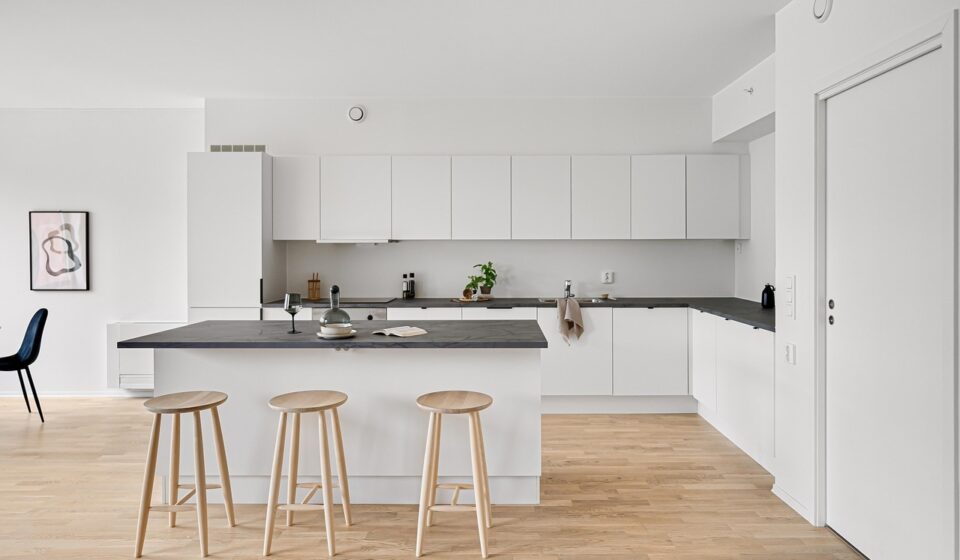
PVC cabinets for kitchen projects are usually considered when moisture resistance, easy cleaning and termite resistance matter more than a traditional wood appearance. A PVC cabinet body will not swell like untreated particleboard after occasional water contact, so it can be useful around sinks, utility zones and humid homes. The trade-off is material behavior: PVC is a thermoplastic, and heat, heavy loads, weak hardware or poor fastening can shorten service life. Buyers also need to know whether a quotation refers to solid PVC foam board cabinets, hollow PVC boards or PVC membrane doors over MDF. These are different products with different strengths. The right choice depends on the room, budget, cabinet construction and the cabinet’s distance from ovens, ranges and other direct heat sources.
What PVC kitchen cabinets actually mean
The phrase PVC kitchen cabinet is often used loosely. Before comparing prices, ask the seller which part of the cabinet is made with PVC. In the cabinet market, PVC may refer to the cabinet carcass, the shutters or doors, the surface film, or only the decorative edge banding.
Solid PVC foam board cabinets
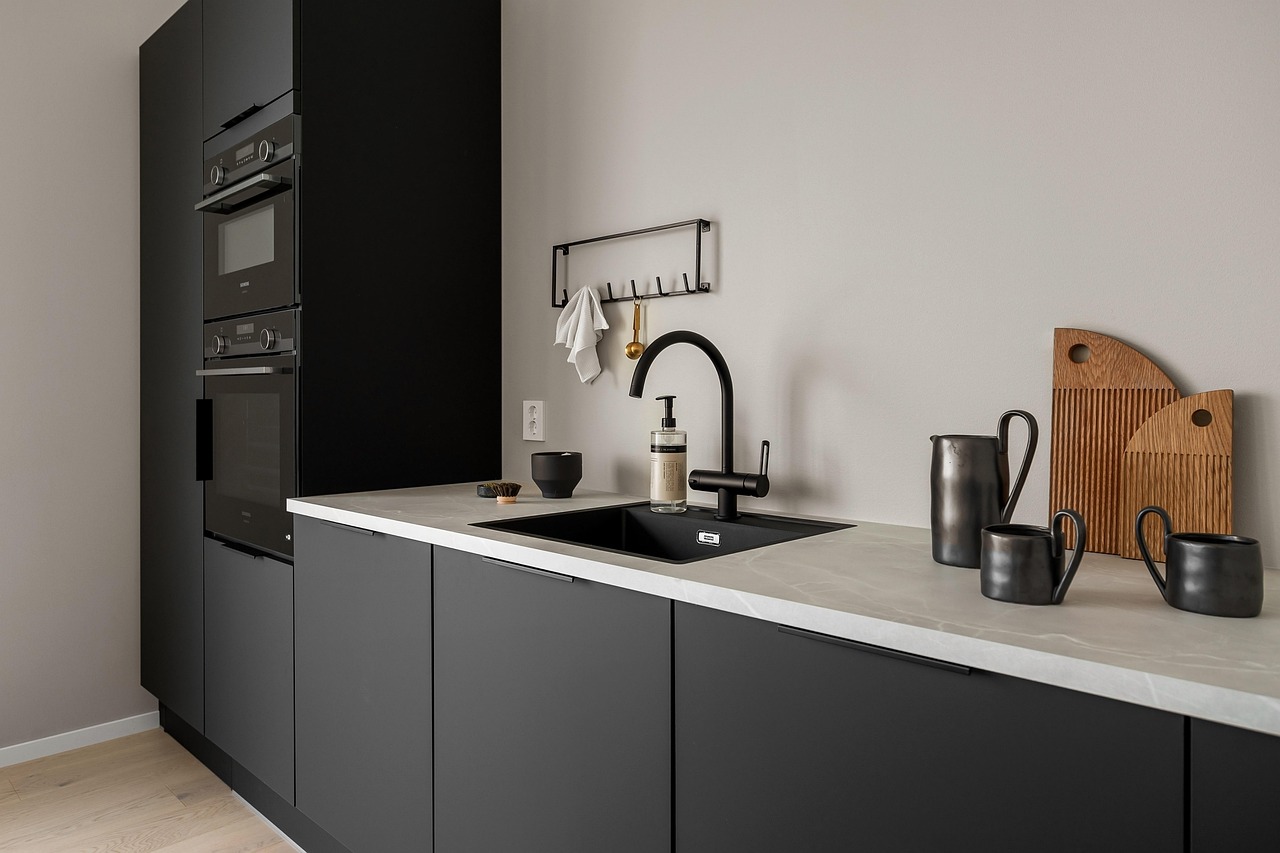
Solid PVC foam board is a rigid plastic sheet with a foamed internal structure. It is commonly promoted for wet areas because the board itself is not wood-based and does not absorb water in the same way as MDF or particleboard. It can be cut and fabricated into cabinet boxes, shelves and shutters. Better foam boards usually feel denser, hold screws more reliably and resist dents better than lightweight boards.
Hollow PVC board cabinets
Hollow PVC boards are lighter and usually cheaper, but they are generally weaker under concentrated loads. They may be acceptable for very light storage, temporary kitchens or low-budget utility cabinets, but they are less convincing for heavy cookware, stone countertops or high-use drawers. If one quote is much cheaper than the others, confirm whether the board is hollow or solid.
PVC membrane or thermofoil doors
Some cabinets sold as PVC cabinets are actually MDF or engineered wood doors wrapped with a PVC film. This can create a smooth, easy-clean surface at a moderate cost, but the core is still wood-based. If the film separates near heat or moisture enters through a damaged edge, the door can fail even though the surface looks like plastic. This distinction matters when comparing PVC with plywood, MDF or laminate cabinets.
Where PVC cabinets make the most sense
PVC cabinets are most useful in kitchens where moisture exposure is predictable and the cabinet finish does not need to match premium stained wood. The under-sink base cabinet is the clearest example. Minor plumbing leaks, wet cleaning tools and damp storage can damage wood-based panels over time, while PVC board is less vulnerable to swelling from incidental water contact.
PVC can also be a reasonable choice for rental units, small apartments, pantry zones, laundry-connected kitchens and homes in humid climates. It is also attractive where termite resistance is a priority, because PVC does not provide the cellulose food source that attracts termites to wood and some wood-based products.
That does not mean PVC should be used everywhere without limits. Around ovens, cooktops, toasters, dishwashers with poor steam control, or dark sun-exposed window walls, material selection becomes more sensitive. In those areas, the cabinet design should follow appliance clearance instructions, include proper heat shielding where needed and use hardware that does not loosen easily.
For more practical material comparisons, visit the Buying Guides section.
Key advantages of PVC cabinets
Moisture resistance in the cabinet body
The strongest argument for PVC is moisture performance. A PVC board cabinet box can tolerate occasional splashes, damp mopping and sink-area humidity better than many untreated wood-based panels. This is especially useful at the toe-kick, sink base, garbage pull-out and utility storage zones, where small leaks often go unnoticed.
Low routine maintenance
PVC surfaces are usually easy to wipe with mild soap and water. They do not need staining, polishing or sealing like some natural wood finishes. For busy households, this low-maintenance surface can be more valuable than a premium appearance.
Resistance to termites and many household stains
Because PVC is plastic rather than wood, termites are not attracted to it as a food source. The surface also resists many common kitchen stains when cleaned promptly. However, resistance is not the same as indestructibility. Abrasive pads, sharp tools and harsh solvents can scratch, dull or damage the finish.
Potentially lower installed cost
PVC cabinets are often positioned as a budget or mid-budget option, especially when compared with premium plywood, hardwood doors or custom cabinetry. The actual installed cost still depends on board grade, door style, hardware, drawer systems, countertop support and labor quality. A cheap PVC quote with weak hinges and thin shelves may cost more in repairs than a better-built cabinet in another material.
Limitations buyers should not ignore
Heat sensitivity
PVC is a thermoplastic, which means heat can affect its shape and surface. It should not be treated as a non-combustible material. Cabinets near cooktops, ovens and other heat-producing appliances need proper clearances and suitable design details. If local code, appliance instructions or a contractor calls for a non-combustible backing or heat-resistant panel, PVC should not be substituted without verification.
Lower stiffness than many wood-based cabinet panels
PVC foam board can be useful, but it is not automatically as stiff as high-quality plywood of similar thickness. Long shelves, heavy cookware and wide drawers can expose this weakness. The cabinet design should use adequate board thickness, shorter shelf spans, strong back panels and quality drawer hardware.
Repair can be less forgiving
Painted wood can often be sanded, filled and refinished. Laminate panels can sometimes be re-edged. PVC boards and PVC film surfaces are less forgiving when they are deeply scratched, dented or heat-damaged. In visible areas, replacement may be cleaner than repair.
Appearance may not suit every kitchen
PVC is usually selected for function and value, not for the depth of natural wood grain. It can look clean and modern, especially in white or neutral tones, but some low-grade boards have a flat plastic appearance. If design quality is important, inspect a full-size sample under kitchen lighting rather than relying only on a catalog image. See also: Building Materials.
PVC compared with plywood, MDF and particleboard
The right cabinet material depends on the risk you are trying to reduce. PVC reduces moisture and termite concerns, while plywood usually offers stronger screw holding and better structural stiffness. MDF provides a smooth surface for painted or membrane doors, but it needs careful edge protection. Particleboard is common in budget cabinets and can perform adequately when laminated and kept dry, but it is less forgiving after water damage.
| Material | Main strength | Main limitation | Best use case |
|---|---|---|---|
| PVC foam board | Moisture and termite resistance | Heat sensitivity and possible lower stiffness | Sink bases, humid kitchens, utility areas |
| Plywood | Good structural strength and screw holding | Quality varies by grade and core | Durable cabinet boxes and heavy-use kitchens |
| MDF | Smooth surface for painted or membrane finishes | Edges and cores can be vulnerable to moisture | Decorative doors and controlled dry areas |
| Particleboard | Cost-effective and widely available | Poor water tolerance if exposed | Budget cabinets away from leak-prone zones |
Indoor air quality is another comparison point. The U.S. Environmental Protection Agency has long identified pressed wood products, including materials used in cabinetry and furniture, as potential formaldehyde sources when they contain certain resins. For U.S. projects, composite wood products should comply with applicable formaldehyde emission rules. PVC boards avoid the same wood-resin issue, but buyers should still ask for product data sheets and avoid unknown materials with strong, persistent odors.
What to check before ordering PVC cabinets
A PVC cabinet should be judged by its construction details, not only by the word PVC in the quotation. Use the following checklist before paying a deposit.
- Board type: Confirm whether the cabinet uses solid PVC foam board, hollow PVC board or PVC film over MDF.
- Board thickness: Ask for the thickness of side panels, shelves, backs and shutters. Thicker panels are not automatically better, but undersized panels are a warning sign.
- Density and weight: Very light boards may dent easily or hold screws poorly. Compare physical samples if possible.
- Hardware quality: Hinges, drawer slides, lift systems and pull-outs often determine long-term satisfaction more than the panel material alone.
- Fastening method: Ask how screws, inserts, brackets and joints are reinforced, especially for wall cabinets and wide drawers.
- Heat planning: Check clearances near cooktops, ovens, air fryers, toasters and dishwashers. Follow appliance instructions rather than generic sales claims.
- Countertop support: Heavy stone countertops may need framing or additional support. Do not assume a lightweight PVC cabinet box can carry every top without reinforcement.
- Finish sample: View a real sample for color, gloss, texture and scratch visibility.
- Warranty wording: Look for exclusions related to heat, direct sunlight, overloading, cleaning chemicals and improper installation.
Cabinet performance standards from organizations such as the Kitchen Cabinet Manufacturers Association focus attention on strength, construction, finish durability and exposure testing. Not every PVC cabinet will carry the same certification, but the concept is useful: a kitchen cabinet is a working product, not just a decorative box.
Installation and maintenance tips
Good installation can make a modest cabinet perform better, while poor installation can ruin an expensive one. PVC cabinets should be installed level, square and securely supported. Wall cabinets need appropriate anchoring into structural framing or approved wall supports. For base cabinets, the toe-kick and bottom panels should still be protected from standing water even if the material itself is moisture resistant.
Use mild cleaners and soft cloths for routine cleaning. Avoid abrasive powders, steel wool, harsh solvents and excessive heat from portable appliances placed directly under wall cabinets. Wipe spills promptly, especially oils and strongly colored sauces. If a hinge loosens, repair it early before the screw hole enlarges. For heavy storage, distribute weight across shelves and avoid loading one unsupported span with cookware.
For design planning, consider how PVC cabinets interact with the rest of the kitchen. A mixed-material approach can be effective: PVC for the sink base and wet utility zones, plywood for tall pantry cabinets or heavy wall units, and MDF or painted doors where a smooth decorative finish is the priority. This approach often gives better value than forcing one material into every location.
Should you choose PVC cabinets for your kitchen?
Choose PVC cabinets if your main concerns are moisture, termites, simple cleaning and budget control. They are especially suitable for sink bases, compact kitchens, humid homes and utility-style storage. Avoid treating PVC as a universal upgrade over plywood or engineered wood. It is a material with clear benefits and clear limits.
If you cook heavily, use many countertop heat appliances, want a premium wood look or need cabinets to carry heavy loads over wide spans, compare higher-grade plywood, metal-framed systems or hybrid construction before deciding. The safest buying decision is to request material samples, review appliance clearances, compare hardware, and evaluate the cabinet as a complete system rather than a single panel material.
Frequently asked questions
Are PVC kitchen cabinets waterproof?
The PVC board itself is highly water-resistant and does not swell like untreated wood-based panels. However, a finished cabinet includes joints, screws, hardware, countertops and wall connections. Those details still need proper installation and maintenance. It is better to describe PVC cabinets as very moisture-resistant rather than immune to every water problem.
Can PVC cabinets be used near a stove?
They can be used in a kitchen, but they should not be placed too close to high heat without proper clearances and protection. Always follow the appliance manufacturer’s installation instructions. Near cooktops and ovens, heat-resistant panels or another cabinet material may be the safer choice.
Are PVC cabinets better than plywood?
PVC is usually better for moisture and termite resistance. Plywood is often better for stiffness, screw holding and premium cabinet construction when a good grade is used. The better choice depends on where the cabinet will be installed and what it must support.
Do PVC cabinets look cheap?
Some low-grade PVC cabinets can look flat or plastic-like, but better boards and well-designed doors can look clean and modern. Ask for large samples, check the finish under natural and artificial light, and compare edge details before ordering.
How long do PVC kitchen cabinets last?
Service life depends on board quality, hardware, heat exposure, load, installation and cleaning habits. A well-built PVC cabinet in a suitable location can perform well for years, while a thin board near heat or heavy loads may fail much sooner. Construction quality matters as much as the material name.