Natural building materials and how to choose them for modern projects
a[data-rs-seo-link]{text-decoration:underline!important;color:#1a56db!important;cursor:pointer!important;}a[data-rs-seo-link]{text-decoration:underline!important;color:#1a56db!important;cursor:pointer!important;}
Natural materials are back, but the decision is not simple
Natural building materials are derived mainly from renewable, minimally processed or naturally occurring sources. Common examples include timber, bamboo, cork, straw, hemp-lime, clay, earth, lime plaster, stone and natural fiber insulation. Interest is growing because owners, designers and builders are looking beyond appearance and asking how products affect embodied carbon, indoor air quality, durability, waste and long-term maintenance.
Natural, however, does not automatically mean sustainable, code-ready or low risk. A locally sourced clay plaster may have a very different footprint from imported stone. A wood panel may use a renewable feedstock, but its adhesive, formaldehyde compliance, certification and finish still matter. For readers comparing building materials, the useful question is not whether a product is natural. It is whether that product performs well in a specific assembly, climate and code context.
What counts as a natural building material
In construction, natural building materials usually refer to products made from plant, mineral or earth-based sources that require less transformation than highly industrial materials. The category covers structural materials, insulation, finishes and enclosure systems. It does not mean every product is untreated, chemical-free or suitable for every application.
Common examples include responsibly sourced timber, mass timber, bamboo, cork, cellulose, wood fiber board, straw bale, light straw clay, hemp-lime, adobe, cob, rammed earth, clay plaster, lime plaster, slate, stone and, in some regions, thatch. Some are traditional materials supported by modern documentation. Others, including hemp-lime and engineered wood products, combine natural feedstocks with processing, binders or engineered assemblies.
A practical definition should consider four factors:
- Origin: Is the main feedstock plant-based, earth-based or mineral-based?
- Processing: How much energy, binder, firing, pressure treatment or chemical modification is required?
- Performance: Can the product meet structural, fire, moisture, thermal and acoustic requirements?
- Documentation: Is there a code path, product data, test report, certification or environmental product declaration where needed?
This distinction matters because the most successful natural material projects are not nostalgic. They use traditional resources with modern detailing, testing and procurement discipline.
Why interest is rising in 2026
Several forces are moving natural building materials into mainstream project discussions. First, building teams are paying closer attention to embodied carbon: the greenhouse gas emissions associated with extracting, manufacturing, transporting, installing, maintaining and eventually disposing of materials. The World Green Building Council and Architecture 2030 have both emphasized that embodied carbon becomes more important as buildings become more energy efficient in operation.
Second, public procurement is changing the language of the market. In the United States, the Environmental Protection Agency announced a low embodied carbon construction materials label program in August 2024 to support cleaner construction material purchasing. EPA guidance around low embodied carbon materials focuses heavily on product category rules, environmental product declarations and comparable data. Although much of this work has centered on concrete, steel, asphalt and glass, the same transparency mindset affects how buyers evaluate timber, insulation, finishes and alternative materials.
Third, building codes are gradually giving more room to selected natural systems. The International Code Council has published model-code resources for strawbale construction, cob construction and hemp-lime construction in different IRC editions. The 2024 International Residential Code includes Appendix BL for hemp-lime, commonly called hempcrete. These appendices are not a blanket approval in every market. Local adoption, amendments and building official review still determine actual project approval.
Finally, indoor environmental quality is influencing specification decisions. Low-VOC finishes, breathable plasters and lower-emitting panels are attractive to many owners. Even so, natural materials can contain adhesives, sealers, preservatives or binders. For composite wood products in the U.S., EPA formaldehyde standards under TSCA Title VI remain an important compliance checkpoint.
How common natural materials compare
The following comparison is intended for early project screening. It does not replace engineering, code review or manufacturer documentation, but it shows where each material is commonly used and what should be verified before specification.
| Material | Common use | Potential advantage | What to verify |
|---|---|---|---|
| Responsibly sourced timber | Framing, interiors, cladding, mass timber | Renewable feedstock, carbon storage during use, familiar trades | Forest certification, grade stamp, moisture content, fire design, treatment chemicals |
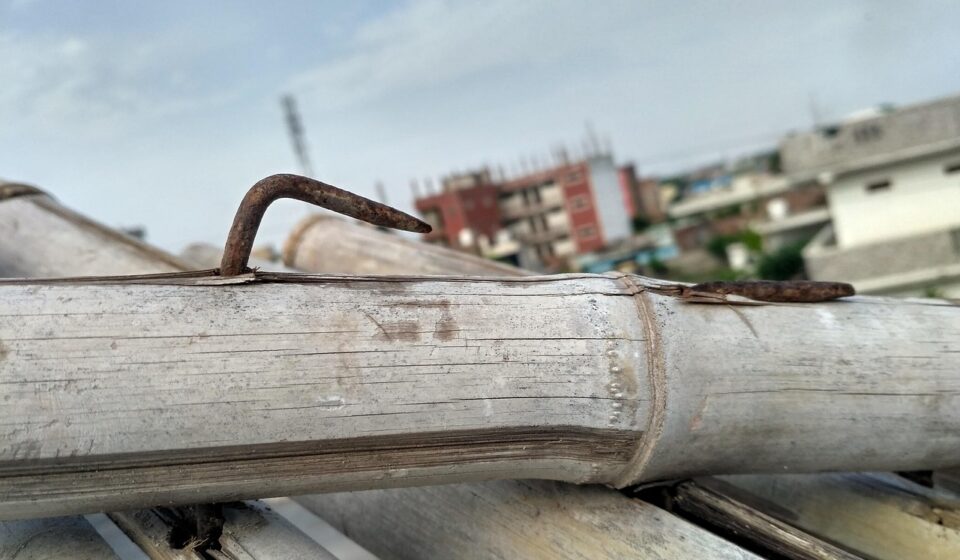
| Bamboo | Flooring, panels, decorative surfaces | Fast-growing feedstock and hardwearing surface products | Adhesive emissions, product standard, source country, transport impact, warranty |
| Straw bale and light straw clay | Wall systems and insulation assemblies | Agricultural byproduct, high insulation potential, thick wall character | Local code adoption, plaster system, moisture control, pest detailing, installer experience |
| Hemp-lime | Nonstructural wall infill and insulation | Bio-based material, vapor-open enclosure potential, good thermal mass and insulation balance | 2024 IRC Appendix BL adoption, mix design, drying time, framing compatibility, fire and thermal data |
| Rammed earth, adobe and cob | Walls, thermal mass, interior features | Use of local soil, durability in suitable climates, low processed content | Structural engineering, seismic limits, erosion protection, capillary breaks, roof overhangs |
| Cork, wood fiber and cellulose | Insulation, acoustic layers, underlayment | Renewable or recycled feedstocks and useful enclosure performance | R-value, fire treatment, moisture behavior, density, settlement risk, installation method |
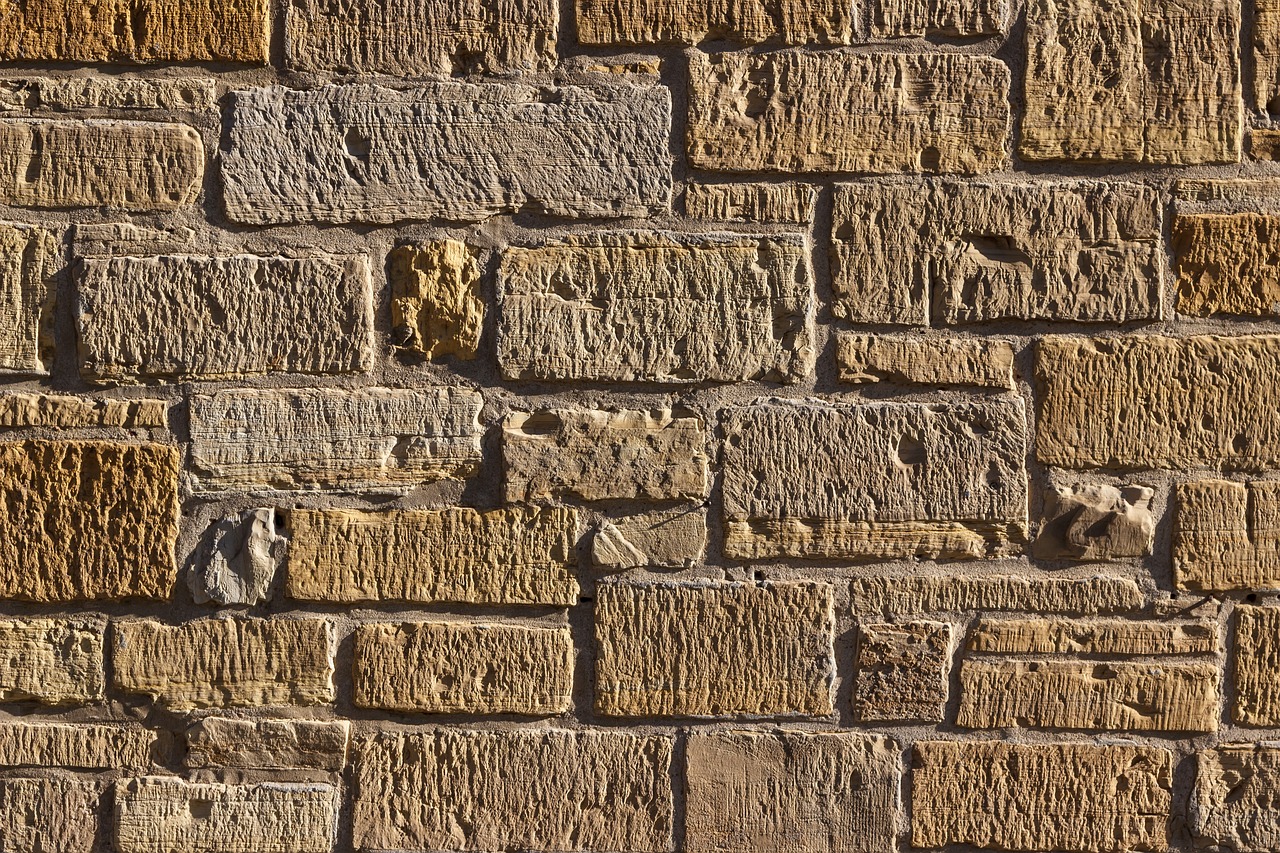
| Stone, slate and clay tile | Flooring, roofing, cladding, landscape elements | Long service life and low maintenance when correctly installed | Quarry practices, transport distance, anchorage, slip resistance, freeze-thaw suitability |
The main lesson is that a natural material should be selected as part of an assembly, not as an isolated product. A clay plaster on the wrong substrate can fail. A high-quality timber product can be undermined by poor moisture protection. A low-carbon insulation can lose value if it has to be replaced after water intrusion.
How to evaluate sustainability without greenwashing
Natural material claims can sound persuasive, but reliable comparisons depend on measured or verifiable criteria. A product may be renewable and still carry high impacts because of long-distance transport, energy-intensive processing, short service life or frequent replacement. Conversely, a conventional material used sparingly and durably may perform better than a natural alternative used inefficiently.
Look at embodied carbon and life cycle boundaries
Embodied carbon can cover different life cycle stages. Some product comparisons focus on raw material extraction, transport to the factory and manufacturing. Others include construction, maintenance, replacement and end of life. When comparing products, check whether the boundaries are the same. EPA and industry guidance increasingly point buyers toward environmental product declarations because they provide standardized reporting, although availability varies by product category.
Prioritize durability over image
A material with low initial impacts can become a poor choice if it fails early. Moisture is often the deciding factor. Earth, straw, hemp-lime, timber and natural fiber insulation can perform well, but they need water-shedding details, drainage, ventilation, capillary breaks and compatible vapor control. Durable natural construction is less about avoiding technology and more about understanding building physics.
Check sourcing and certification
For wood-based materials, sourcing is central. The USDA Forest Service has long described wood products as renewable materials that store carbon while in use, but that benefit depends on responsible forest management and product longevity. Forest certification systems such as FSC provide chain-of-custody and forest management verification for buyers who need documented sourcing. For reclaimed wood, verify structural suitability, contamination risk and whether the material is appropriate for its new use.
Do not ignore indoor air quality
Natural surfaces are often selected for healthier interiors, but health-related claims should be specific. Solid wood, clay plaster and lime plaster may help avoid some synthetic finishes, yet coatings, adhesives, preservatives and composite cores can still emit pollutants. In the U.S., composite wood products must be considered in light of EPA formaldehyde requirements. For any interior product, request VOC data, emissions certifications where available and cleaning or maintenance requirements. See also: Buying Guides.
Code approval and risk management
Code compliance is one of the most misunderstood issues around natural building materials. A product can be environmentally attractive and still need a clear approval path. The International Building Code includes provisions for alternative materials, designs and methods when the building official finds that the proposal meets the intent of the code and is equivalent in key areas such as strength, fire resistance, durability and safety.
For some natural systems, model-code appendices can make that process easier. Strawbale construction has appeared in IRC appendices. Cob construction was added as an appendix in the 2021 IRC. Hemp-lime appears in the 2024 IRC as Appendix BL. These are significant steps, but appendices generally need to be adopted by the local jurisdiction or accepted by the authority having jurisdiction. Designers should confirm local status before making cost or schedule commitments.
Risk management should focus on five areas:
- Moisture: Use climate-appropriate vapor control, drainage planes, raised foundations, overhangs and drying paths.
- Fire: Confirm tested assemblies, required coverings, fire-resistance ratings and surface-burning characteristics.
- Structure: Separate insulation or infill claims from structural claims unless engineering data supports both.
- Supply chain: Verify lead times, installer availability, replacement material access and regional familiarity.
- Maintenance: Choose finishes and details that the owner can realistically maintain over decades.
Natural materials often reward early coordination. If the contractor, code official, engineer and supplier are brought in late, the project may face redesign, delays or substitutions that erase the intended benefits.
A practical selection process for builders and owners
Choosing natural building materials should start with project priorities, not a product list. A rural home seeking local, low-processed materials may make different choices than a commercial interior that needs low emissions, rapid installation and warranty coverage. The following process helps keep the selection grounded.
- Define the performance target. Decide whether the priority is lower embodied carbon, local sourcing, healthier interiors, thermal performance, acoustic comfort, durability or aesthetics.
- Match the material to the climate. Vapor-open assemblies can work well, but they must be designed for local temperature, humidity, rainfall and drying conditions.
- Confirm the code pathway early. Ask whether the material is prescriptively recognized, covered by an adopted appendix, supported by an evaluation report or handled as an alternative material.
- Request documentation. Useful documents may include product data sheets, safety data sheets, test reports, EPDs, VOC emissions data, fire testing, structural values and installation instructions.
- Review the whole assembly. A wall is not just insulation. It includes structure, sheathing, air barrier, water control, vapor control, cladding, fasteners and finishes.
- Plan maintenance and end of life. Long service life, repairability, reuse and safe disposal can matter as much as initial material choice.
When the decision is uncertain, compare two or three complete assemblies rather than two individual products. A timber-framed wall with wood fiber insulation, for example, should be compared with another complete wall system using the same thermal target, fire requirement and moisture strategy. That approach leads to better cost, carbon and durability decisions.
Where natural materials make the most sense
Natural building materials are strongest where their physical properties match the project need. Timber is well suited to structural and finish applications when it is protected from moisture and sourced responsibly. Clay and lime plasters can provide durable, repairable interior finishes with a distinct feel. Cork, cellulose and wood fiber can support insulation and acoustic goals. Stone and slate can be excellent where long service life offsets quarrying and transport impacts. Hemp-lime, straw and earth systems can be compelling in projects with patient schedules, skilled teams and compatible code conditions.
They are less suitable when a project cannot tolerate longer drying times, unfamiliar trades, uncertain approvals or high moisture exposure without robust detailing. They may also be difficult in projects requiring highly standardized procurement, aggressive schedules or warranties that suppliers are not prepared to support.
The balanced view is straightforward: natural building materials are not a shortcut to sustainability, but they are an important toolkit. Used with life cycle thinking, responsible sourcing, code documentation and good building science, they can help modern projects reduce impacts while creating durable and appealing spaces.
Frequently asked questions
Are natural building materials always lower carbon?
No. Many can reduce embodied impacts, especially when they are locally sourced, minimally processed and durable, but the result depends on the full life cycle. Transport distance, binders, replacement cycles, coatings and waste can change the outcome. Product-specific data is stronger than broad category claims.
Are hempcrete and straw bale allowed by building codes?
They may be allowed, but approval depends on the jurisdiction and project details. Strawbale construction has appeared in IRC appendices, and the 2024 IRC includes Appendix BL for hemp-lime. Local adoption and building official acceptance are still essential.
Is timber automatically sustainable?
Timber can be a renewable, carbon-storing building material during its service life, but sustainability depends on forest management, chain of custody, product durability, design efficiency and end-of-life planning. Responsible sourcing documentation is important for serious projects.
Which natural material is easiest to use in a conventional project?
Timber, wood flooring, cork, cellulose insulation, clay finishes and some wood fiber products are often easier to integrate than full alternative wall systems. More specialized systems such as cob, straw bale and hemp-lime usually require earlier coordination and more local code review.
What is the biggest mistake when specifying natural materials?
The biggest mistake is choosing a material for its label rather than its assembly performance. Moisture control, fire compliance, structural role, sourcing, installation skill and maintenance must be resolved before the material can deliver its intended benefits.