How to choose building materials for cost, carbon and resilience
a[data-rs-seo-link]{text-decoration:underline!important;color:#1a56db!important;cursor:pointer!important;}a[data-rs-seo-link]{text-decoration:underline!important;color:#1a56db!important;cursor:pointer!important;}
What is changing in building material selection
Choosing building materials is no longer only a comparison of unit price, availability and appearance. In 2026, owners, designers, contractors and distributors are weighing several questions at the same time: Does the material comply with local code? Can it perform under expected moisture, fire, wind, heat or seismic exposure? What will it cost over its service life? How much embodied carbon is tied to production and transport? Can it be reused, recycled or properly documented at the end of the project?
That shift matters because materials such as concrete, steel, glass, wood, gypsum board, insulation, roofing and aggregates affect both upfront construction risk and long-term building performance. For more industry updates and practical explainers, visit the building materials section. The practical goal is not to find one perfect product. It is to match each material to the project’s structural, environmental, regulatory and budget constraints.
What counts as building materials today
Building materials include the visible products that shape a space and the hidden systems that make a structure safe, durable and code compliant. Grouping them by function is often more useful than sorting them by trade package.
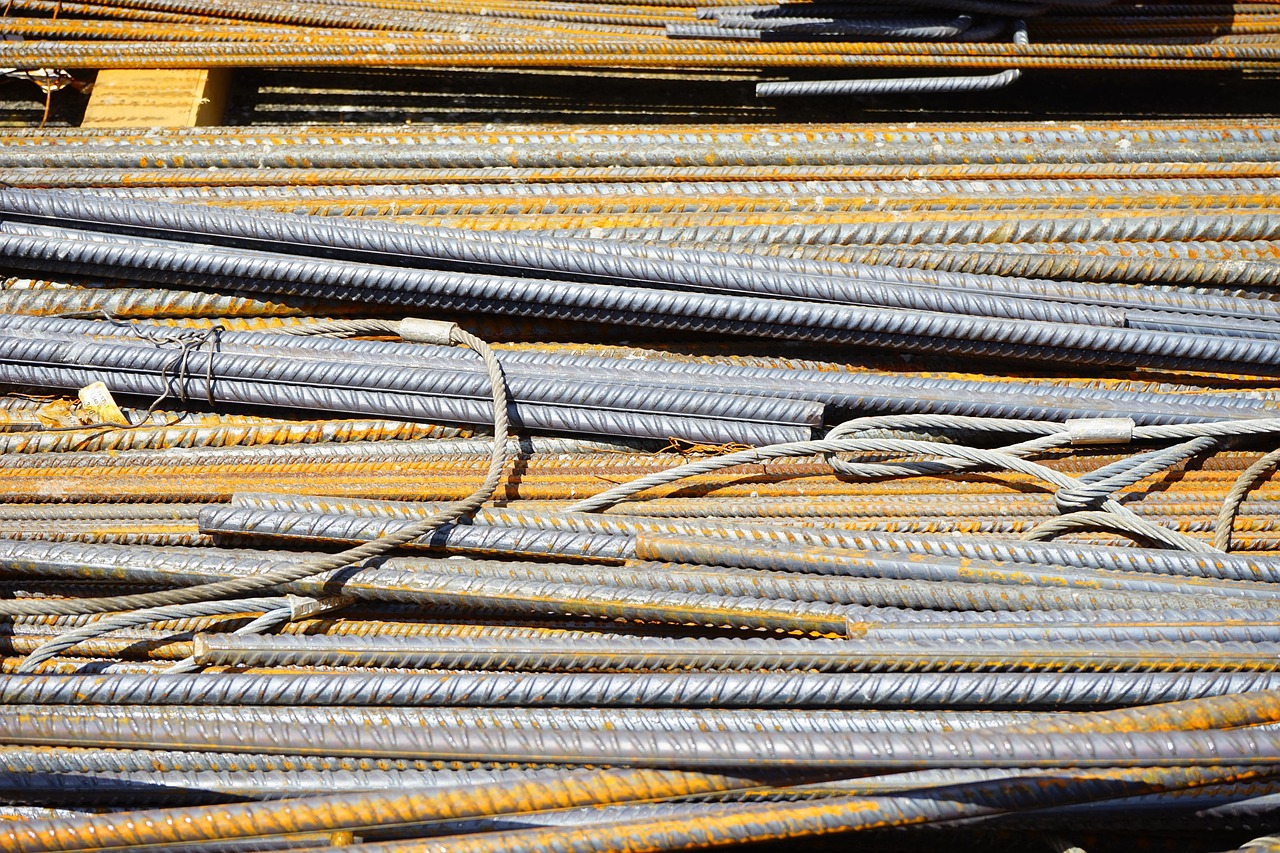
- Structural materials: concrete, steel, timber, engineered wood, masonry, reinforcement, aggregates and foundation products.
- Envelope materials: roofing, cladding, windows, doors, air barriers, vapor retarders, sealants, membranes and insulation.
- Interior materials: drywall, plaster, flooring, tile, acoustic products, coatings, ceilings and millwork.
- Infrastructure and site materials: asphalt, drainage products, geotextiles, pavers, retaining systems and exterior concrete.
- Specialty materials: fire-rated assemblies, corrosion-resistant metals, high-performance glass, low-emitting finishes and products with verified environmental data.
This broader definition matters because material decisions are connected. A wall assembly, for example, is not just studs and gypsum board. It also includes insulation, fasteners, sheathing, air sealing, fire resistance, acoustic performance and moisture control. A lower-cost component can create higher risk if it weakens the assembly or increases maintenance needs. A higher-performance product can also be over-specified if the project does not need that level of strength, exposure rating or certification.
In its 2026 minerals summaries, the U.S. Geological Survey emphasized the scale of construction’s material demand, noting that construction materials account for more than 80% of minerals mined in the United States by quantity, mainly aggregates and limestone used in concrete, asphalt and cement-related products. That scale helps explain why even small specification changes can have large supply, cost and environmental effects.
Why material choice now affects risk as much as price
Unit cost still matters, but it is only one part of the decision. A project team that buys the cheapest available product without checking performance data can face delays, substitutions, failed inspections, warranty disputes or early replacement. The more useful question is total project risk.
Code risk comes first. Materials must meet the adopted building code in the project jurisdiction, including local amendments. Model codes such as the International Building Code and International Residential Code reference many standards, but actual requirements depend on local adoption. Fire ratings, structural design values, wind resistance, accessibility, energy performance and installation instructions can all affect approval.
Durability risk is often climate-specific. A product that performs well in a dry interior setting may fail quickly in a coastal, freeze-thaw, high-humidity or wildfire-prone environment. Moisture tolerance, corrosion resistance, ultraviolet exposure, pest resistance and thermal movement should be checked against the actual service conditions.
Carbon and documentation risk is growing. UNEP and the Global Alliance for Buildings and Construction have repeatedly highlighted embodied emissions from cement, steel and other construction materials as a major share of building-sector emissions. Their 2024/2025 global status work estimated that materials such as cement and steel accounted for about 18% of building-related carbon dioxide emissions. The 2025/2026 edition continues to place material emissions, codes and circular construction at the center of building-sector decarbonization.
Waste risk is also material risk. The U.S. EPA’s material-specific construction and demolition debris data, updated in October 2025 but still based on national 2018 mass-flow estimates, reported about 600 million tons of C&D debris in the United States. Concrete accounted for roughly 405 million tons and asphalt concrete for about 107 million tons. These figures show why reuse, crushing, take-back programs and accurate estimating are not side issues; they are core material-management concerns.
Materials under closer scrutiny
Concrete and cement
Concrete remains essential because of its compressive strength, fire resistance, local availability and use in foundations, slabs, infrastructure and high-rise structures. The scrutiny mainly comes from cement, the binder that gives concrete much of its strength but also drives a significant share of its embodied carbon.
Specifiers are paying closer attention to cement type, cement content, supplementary cementitious materials, mix optimization, curing time and required early strength. The International Energy Agency’s 2025 analysis of cement and concrete notes that market adoption of lower-emission materials can be helped by code revisions, procurement demand and clearer emissions accounting. In practical terms, teams should not assume that more cement automatically means better performance. High early strength concrete, for instance, may increase embodied carbon if additional cement is used without a clear schedule or structural need.
Portland-limestone cement is one lower-carbon pathway already recognized in U.S. practice. The American Concrete Institute describes Type IL cements under ASTM C595 and AASHTO M 240 as blended cements containing more limestone than traditional portland cement and capable of reducing carbon dioxide emissions per ton of cement by up to about 10%, while still requiring project-specific performance verification.
Steel, aluminum and glass
Steel is valued for strength, speed, precision and recyclability. Aluminum is common in curtain walls, windows, panels and specialty systems. Glass affects daylight, views, solar gain and facade performance. All three are energy-intensive to produce, which is why public procurement and green building programs increasingly ask for Environmental Product Declarations, recycled-content data and global warming potential values.
The U.S. EPA’s low embodied carbon construction materials program has focused on concrete, asphalt, steel and glass because these categories represent high-volume purchasing in public projects and offer measurable opportunities for emissions comparison. For private buyers, the lesson is not that every project must use the lowest-carbon product available. It is that documentation is becoming part of the product. A bid with verified product-specific data is easier to compare than one that relies only on marketing language.
Wood and engineered wood
Wood products can store biogenic carbon and may reduce structural weight in certain building types, but the evaluation has to include sourcing, treatment, fire design, moisture exposure, structural grade and local code acceptance. Engineered wood products such as cross-laminated timber, laminated veneer lumber and glulam can expand design options. They also require careful detailing for connections, acoustics, fire resistance and construction-phase moisture protection.
For wood, the key question is not simply whether it is natural. The better question is whether the product is legally sourced, appropriate for the hazard conditions and supported by credible structural and fire-performance data. Poor detailing can erase many of the intended benefits.
Drywall, insulation, roofing and finishes
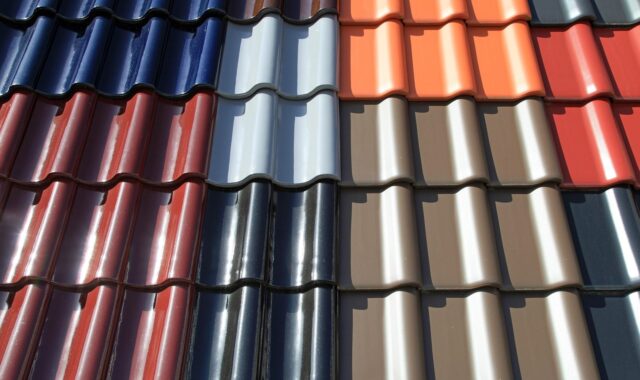
Interior and envelope products are sometimes treated as finish selections, but they have direct consequences for energy use, indoor air quality, fire safety and resilience. Insulation affects heating and cooling loads. Roofing affects wind uplift, solar reflectance, water control and service life. Drywall and plaster contribute to fire-rated assemblies, acoustics and repairability. Coatings, adhesives and flooring can affect indoor emissions and maintenance cycles. See also: Buying Guides.
These materials are often purchased in large quantities and installed quickly, so documentation and quality control matter. Substitutions should be reviewed against assembly ratings, manufacturer instructions and warranty conditions, not only against nominal dimensions or appearance.
How to evaluate a material before it reaches the jobsite
A practical material review should be short enough to use during procurement but detailed enough to prevent avoidable mistakes. The following framework can help buyers compare alternatives without reducing the decision to price alone.
| Decision factor | What to ask | Useful evidence |
|---|---|---|
| Code compliance | Does the product meet the adopted code and referenced standards? | Listing, evaluation report, test report, code section, installation manual |
| Performance | Will it meet structural, fire, moisture, acoustic, thermal or durability requirements? | Technical data sheet, assembly rating, engineering review, warranty terms |
| Availability | Can it arrive in the required quantity and schedule? | Supplier confirmation, lead-time data, approved alternates |
| Cost | What is the installed and life-cycle cost, not just the unit price? | Bid comparison, maintenance estimate, replacement interval |
| Embodied carbon | Is product-specific environmental data available? | EPD, mix design information, recycled-content documentation |
| Waste and circularity | Can offcuts, demolition waste or packaging be reduced or recovered? | Take-back option, salvage plan, recycling pathway, accurate quantity takeoff |
This table is not a replacement for design professionals or local officials. It is a screening tool. The earlier a material is questioned, the easier it is to resolve concerns before ordering, fabrication or inspection.
Trade-offs that deserve a written decision
Many material choices involve real trade-offs. Writing down the reasoning helps avoid confusion later, especially when a substitution is proposed after drawings are issued.
Lower upfront cost versus service life. A cheaper coating, membrane or roofing product may be reasonable for a temporary structure, but expensive for a long-life building if it requires early replacement. Service life, access for maintenance and downtime should be part of the cost discussion.
Low carbon versus local availability. A product with a favorable EPD may not be available near the jobsite or may involve longer lead times. Transport is often not the largest factor for heavy materials compared with production, but schedule risk and regional supply still need to be checked.
Strength versus material efficiency. Overspecification can waste material and money. At the same time, reducing material quantities without engineering support can compromise safety. The right path is optimized design, not arbitrary reduction.
Innovation versus acceptance. Newer products can solve important problems, but code acceptance, installer familiarity and long-term performance records may be limited. Alternative materials should be reviewed early with the design team, authority having jurisdiction and insurer where relevant.
Recyclability versus actual recycling. A material may be technically recyclable, but that does not mean a local market exists. The EPA’s C&D data shows large quantities of material going to aggregate and manufactured-product next uses, but also significant landfill volumes. Project teams should confirm the local recovery pathway before claiming end-of-life benefits.
Frequently asked questions
What are the most commonly used building materials?
Common building materials include concrete, aggregates, steel, wood, engineered wood, masonry, glass, gypsum board, insulation, roofing, asphalt, plastics, sealants and coatings. The mix depends on building type, location, code requirements, climate and budget.
Which building materials have the highest embodied carbon concern?
High-volume and energy-intensive materials draw the most attention, especially cement and concrete, steel, aluminum, glass and asphalt. The concern is not only carbon intensity per unit, but also the large quantities used across buildings and infrastructure.
Are sustainable building materials always more expensive?
Not always. Some lower-carbon choices come from better design, optimized quantities, recycled content, cement replacement, reuse or waste reduction rather than premium products. Others may cost more upfront but lower operating, maintenance or compliance risk. The right comparison is installed cost plus performance over time.
Should every project require Environmental Product Declarations?
EPDs are most useful when comparing products in the same category, such as one concrete mix against another or one steel product against another. They are increasingly relevant on public, institutional and corporate projects, but they should be paired with performance, code and availability checks.
The bottom line for material selection
The best material decision is project-specific. A strong specification connects code compliance, performance, durability, cost, embodied carbon, availability and end-of-life planning. It also avoids unsupported claims. If a product is promoted as green, resilient, fire resistant, recyclable or low carbon, the buyer should ask for the document that proves the claim and confirms the product fits the assembly.
For contractors, distributors and owners, the most valuable habit is early coordination. Review material options before procurement pressure narrows the choices. Confirm local code requirements before accepting substitutions. Compare products with consistent data, not slogans. Building materials shape the cost, safety, carbon footprint and service life of every project, so the selection process should be treated as a risk-management decision as much as a purchasing decision.