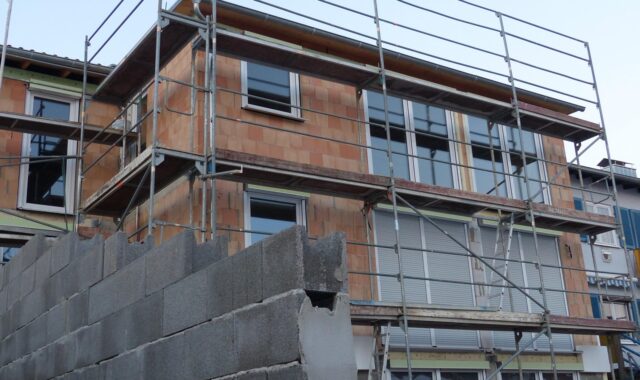
How to compare roofing materials for climate, durability, and cost
a[data-rs-seo-link]{text-decoration:underline!important;color:#1a56db!important;cursor:pointer!important;}a[data-rs-seo-link]{text-decoration:underline!important;color:#1a56db!important;cursor:pointer!important;}
Start with the job the roof must do
Roofing materials are often compared by appearance or initial price. In practice, performance should come first. A roof covering has to shed water, resist wind and fire, manage heat, suit the roof slope, and stay serviceable in the building’s climate. Asphalt shingles, metal panels, clay tile, concrete tile, slate, wood shakes, synthetic products, and low-slope membranes can all be appropriate when the conditions fit. The risk is treating them as interchangeable.
For homeowners, builders, and specifiers, the practical question is not just which roof looks good on day one. It is which material fits the roof geometry, local weather risks, code requirements, maintenance capacity, and expected ownership period. Public guidance from agencies and building science organizations, including the U.S. Environmental Protection Agency, ENERGY STAR, the U.S. Department of Energy, Building America resources, and the Insurance Institute for Business & Home Safety, is consistent on one point: the roof assembly and installation details matter as much as the surface material.
For more context on related construction topics, see the Building Materials section.
The main roofing materials and where they fit
Most residential and light commercial projects start with a short list of familiar materials. Each option brings a different mix of cost, weight, service life, installation complexity, and weather resistance.
| Material | Typical use | Main strengths | Important limits |
|---|---|---|---|
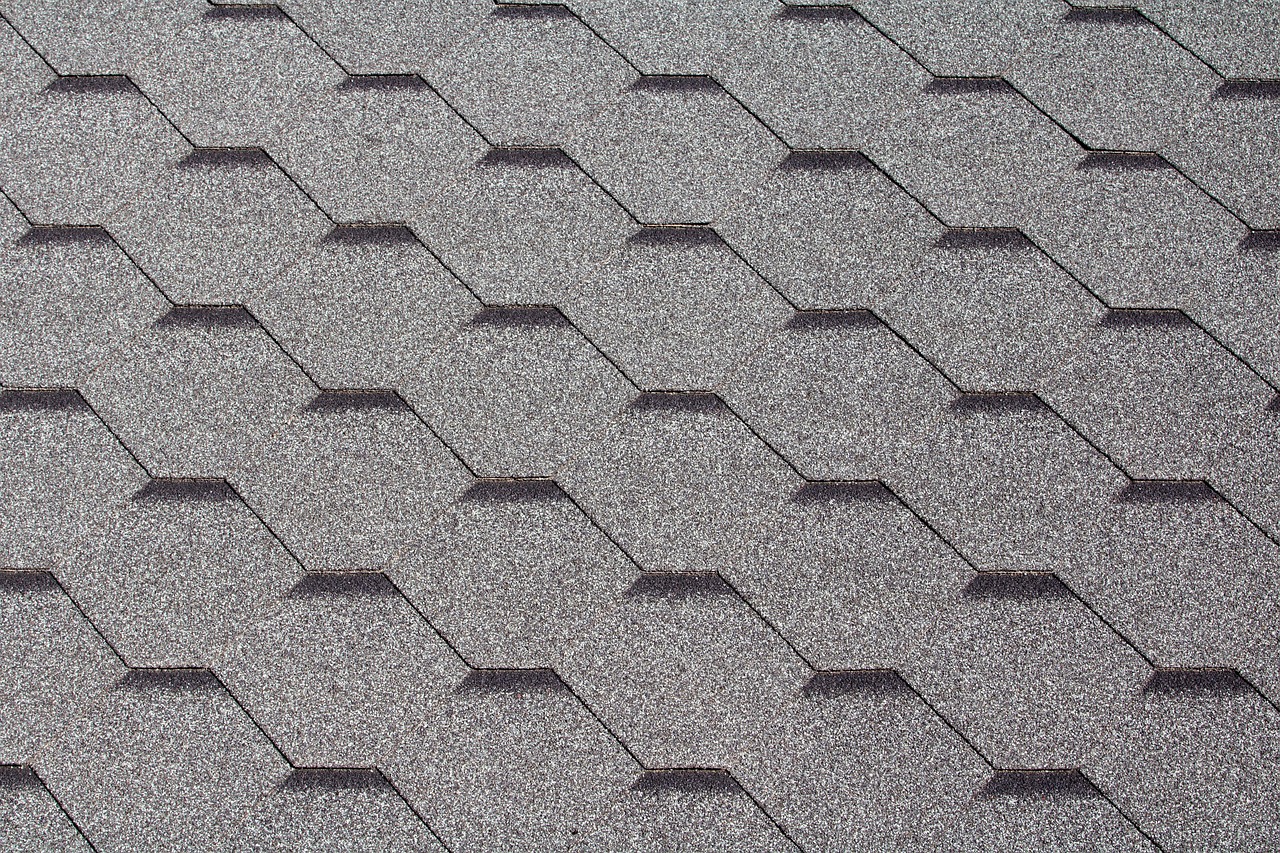
| Asphalt shingles | Steep-slope residential roofs | Widely available, familiar to contractors, broad style range | Performance varies by product grade, ventilation, heat exposure, and installation quality |
| Metal roofing | Residential, agricultural, and commercial roofs | Durable, relatively light, available in reflective finishes, strong shedding on suitable slopes | Requires correct fastening, detailing, expansion allowance, and installer experience |
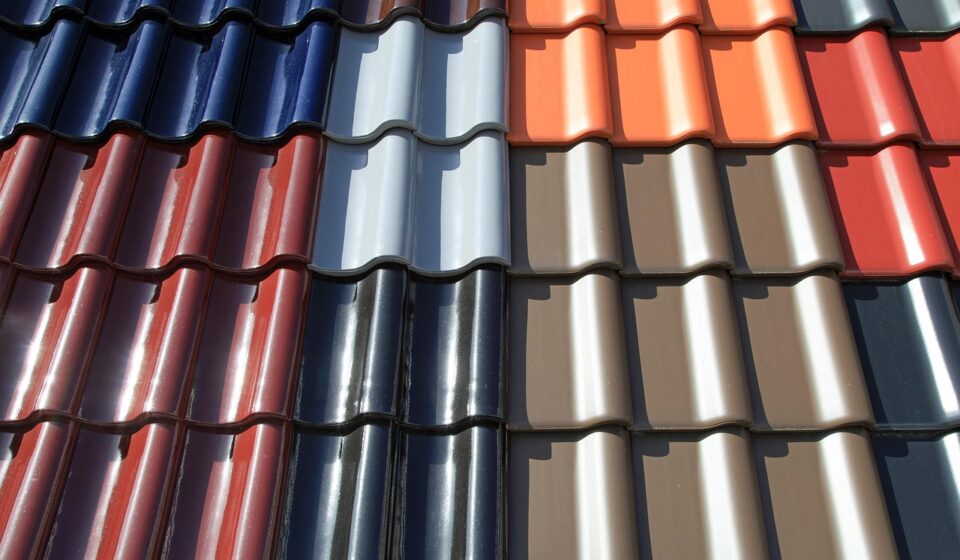
| Clay or concrete tile | Warm, sunny, coastal, and regional architectural styles | Fire-resistant, long service potential, good thermal mass, strong visual identity | Heavy, brittle under foot traffic, requires suitable structure and flashing details |
| Slate | Premium steep-slope roofs and historic-style buildings | Very long service potential, natural stone appearance, fire-resistant | High material and labor cost, heavy, requires specialist installation and repair |
| Wood shingles or shakes | Traditional and regional steep-slope designs | Natural appearance, moderate insulating value, distinctive texture | Fire restrictions, moisture sensitivity, maintenance needs, suitability varies by region |
| Synthetic or composite roofing | Projects seeking slate, shake, or tile appearance with lower weight | Design flexibility, often lighter than natural alternatives, product-specific impact options | Long-term performance depends heavily on formulation, testing, and manufacturer documentation |
| Single-ply membranes and coatings | Low-slope commercial or residential roof sections | Good fit for flat or low-slope roofs, reflective options available, assembly-based performance | Seams, drainage, penetrations, and maintenance are critical |
This is why a generic answer to the “best roofing material” question is usually misleading. A product that performs well on a simple steep roof in a dry climate may be a poor match for a low-slope roof, a hail-prone region, or a coastal site exposed to wind-driven rain and salt.
Match the material to climate and exposure
Climate should narrow the list before color or style decisions begin. In hot, sunny regions, roof surface temperature can affect indoor comfort, cooling load, and neighborhood heat buildup. ENERGY STAR and EPA guidance both emphasize solar reflectance and thermal emittance as important cool roof properties. In plain terms, a reflective roof sends more sunlight away, while a roof with good thermal emittance releases absorbed heat more effectively.
Cool roof options are not limited to white commercial membranes. Reflective coatings, cool-colored metal finishes, reflective granules on shingles, tile glazes, and certain polymer products can reduce heat gain while preserving a more conventional look. The value of a cool roof is still climate-dependent. In cold regions, a highly reflective roof may reduce summer heat gain but can also slightly reduce beneficial winter solar warming. Insulation, attic air sealing, and ventilation should be evaluated with the roof material rather than treated as separate upgrades.
In hail-prone areas, impact resistance deserves close attention. IBHS guidance commonly points to recognized test standards such as UL 2218 for impact-rated asphalt shingles and FM standards for certain rigid roof coverings. A Class 4 impact rating is often discussed because it represents the higher end of common impact classifications, but buyers should still verify that the tested product, installation method, and local insurance requirements align.
In wildfire-prone regions, fire classification and local code requirements can limit the available choices. A roof assembly may need a Class A fire rating, and that rating depends on the tested assembly, not only the visible top layer. Wood products may be restricted or require treatment. Metal, tile, slate, and some asphalt assemblies may offer stronger fire-resistance profiles when properly specified.
Coastal and high-wind areas add another layer of scrutiny. Wind resistance depends on fastening patterns, edge metal, underlayment, deck attachment, and uplift-rated assemblies. Metal panels, shingles, and tiles can all perform well when designed and installed for the exposure. All of them can also fail if edges, penetrations, or fasteners are poorly detailed.
Roof slope and structure can decide the material
Roof pitch is one of the clearest limits on material selection. Steep-slope materials such as asphalt shingles, wood shakes, slate, and many tiles rely on gravity-driven water shedding. They are not designed to perform like waterproof membranes on flat or nearly flat surfaces. Low-slope roofs typically need continuous membrane systems, built-up roofing, modified bitumen, or coatings used as part of a tested assembly.
Structural capacity is just as important. Asphalt shingles and many metal systems are relatively light compared with slate, clay tile, and concrete tile. Heavy roofing can be a strong long-term choice, but only if the framing can carry the dead load and the installation accounts for underlayment, battens, fasteners, snow load where relevant, and maintenance access.
Complex roof shapes also influence cost and risk. Valleys, dormers, skylights, chimneys, parapets, and roof-wall intersections increase the number of places where water can enter. On these roofs, the flashing system may matter more than the headline material. A premium surface material installed over poor flashing is still a vulnerable roof.
Compare cost by lifecycle, not just bid price
Upfront cost is important, but roofing materials should be compared by lifecycle value. A lower-cost asphalt shingle roof may be financially sensible for a short ownership horizon or a modest home. A higher-cost metal, tile, or slate roof may make more sense where long service life, reduced replacement frequency, fire resistance, or regional style value matters.
A lifecycle comparison should include at least six factors:
- Installed cost: Include tear-off, disposal, underlayment, flashing, ventilation work, and structural upgrades if needed.
- Expected service life: Use realistic local expectations, not warranty language alone.
- Maintenance: Consider cleaning, coating, sealant renewal, broken tile replacement, fastener inspection, and debris removal.
- Energy effects: Reflective surfaces, insulation, and ventilation can change heat gain and comfort.
- Insurance and resilience: Fire, wind, and impact-rated assemblies may influence risk and, in some markets, insurance treatment.
- End-of-life handling: Some materials are easier to recycle or salvage than others, while asphalt tear-off waste remains a practical concern in many regions.
Warranties should be read carefully. A long material warranty does not always cover labor, tear-off, consequential damage, aesthetic change, poor ventilation, ponding water, storm damage, or installation errors. For roofing, the installer’s workmanship and documentation are often as important as the product warranty.
Energy performance is part of the roof assembly
Roofing material affects heat flow, but it is only one part of the assembly. A dark roof covering over a well-insulated, air-sealed attic may perform better than expected. A reflective roof over a poorly insulated roof deck may still allow comfort problems. The roof deck, underlayment, insulation, ventilation path, radiant barrier if used, and interior air sealing all affect the result. See also: Buying Guides.
Cool roof guidance from EPA, ENERGY STAR, and DOE generally focuses on reflectance and emittance, but those properties should be interpreted in context. Low-slope commercial roofs often benefit from white or highly reflective membranes because they receive intense solar exposure and may cover large conditioned spaces. Steep residential roofs may need a more balanced approach that considers attic ventilation, shingle temperature, neighborhood appearance, and winter conditions.
Moisture performance also matters. Roofing materials must shed bulk water, while the assembly must manage vapor, condensation risk, and drying potential. This is especially important for cathedral ceilings, unvented roof assemblies, and buildings in mixed or cold climates. A material choice that ignores moisture behavior can create hidden damage even when the roof surface appears intact.
Installation quality is the performance multiplier
Two roofs using the same product can age very differently. Proper deck preparation, underlayment, starter courses, fastener type, fastening location, valley treatment, drip edge, ventilation, and flashing determine whether the selected material can perform as intended.
For asphalt shingles, common quality checks include correct nail placement, adequate fastener count for the wind zone, compatible underlayment, proper starter strips, and clean flashing around penetrations. For metal roofs, panel movement, clip spacing, sealant use, fastener corrosion resistance, and dissimilar-metal contact need attention. For tile and slate, layout, headlap, attachment method, breakage control, and safe roof access are central to long-term performance.
Low-slope systems require a different mindset. Drainage, ponding water, seam welding or adhesion, curb details, edge securement, and rooftop equipment penetrations often determine service life. A reflective membrane can be a good energy choice, but poor drainage or damaged seams can shorten its life.
Before approving a material, ask for product data sheets, applicable test ratings, code compliance documentation, installation instructions, and a written scope that identifies underlayment, flashing, ventilation, and warranty responsibilities. If a contractor cannot explain how the assembly handles wind, water, heat, and maintenance, the material comparison is incomplete.
A practical selection framework
A clear decision process helps avoid choosing based on a single feature. Use the following order when comparing roofing materials:
- Confirm roof slope and structure. Eliminate materials that do not fit the pitch or load capacity.
- Identify climate risks. Rank heat, hail, wildfire, wind, snow, salt exposure, and heavy rain.
- Check code and insurance constraints. Verify fire classification, wind requirements, and any local restrictions.
- Compare assemblies, not samples. Include underlayment, flashing, ventilation, fasteners, and drainage.
- Review lifecycle cost. Balance installed price with service life, maintenance, energy effects, and replacement timing.
- Assess installer capability. A familiar material installed well is often safer than a premium material installed by an inexperienced crew.
- Document the decision. Keep product specifications, warranty terms, test ratings, permits, and photos of hidden layers before they are covered.
This framework does not point every building to the same answer. It helps match the roof to its actual job, which is the only reliable way to compare materials.
Frequently asked questions
What roofing material lasts the longest?
Slate, clay tile, concrete tile, and some metal systems are often associated with long service lives, but the actual result depends on material quality, structure, climate, installation, maintenance, and storm exposure. A long-lived material can still fail early if flashing, underlayment, or fasteners are wrong.
Are metal roofs always better than asphalt shingles?
No. Metal roofing can offer strong durability, low weight, and reflective finish options, but it usually requires different detailing and installer expertise. Asphalt shingles remain a practical choice for many steep-slope residential roofs because they are widely available and familiar to contractors.
Do cool roofs work in every climate?
Cool roofs can reduce solar heat gain, especially in warm and sunny climates. In colder regions, the benefit should be weighed against winter conditions, insulation levels, and overall roof assembly design.
Is a Class 4 impact-rated shingle hail-proof?
No. Impact ratings indicate tested resistance under defined conditions; they do not guarantee that a roof will avoid damage in every hailstorm. Hail size, wind, roof age, installation quality, and product condition all affect performance.
What is the most important thing to check before choosing roofing materials?
Start with roof slope, structure, and local exposure. Once those are clear, compare materials by tested performance, assembly details, installer capability, and lifecycle cost rather than appearance alone.