Interior design finishing touches that make a room feel complete

a[data-rs-seo-link]{text-decoration:underline!important;color:#1a56db!important;cursor:pointer!important;}a[data-rs-seo-link]{text-decoration:underline!important;color:#1a56db!important;cursor:pointer!important;}
What finishing touches really do in an interior
Interior design finishing touches are the final visible and usable layers that make a room feel intentional, not just completed. They include lighting temperature, hardware, trim details, window treatments, rugs, cushions, art, mirrors, plants, scent, table styling and small storage pieces. Their job is not to fill every empty surface. It is to connect the larger finishes already in place, such as flooring, wall color, cabinetry, tile and millwork.
The strongest rooms usually repeat a limited set of materials, balance texture with negative space and improve daily use. A good finishing plan also checks safety, indoor air considerations and maintenance before decorative items are purchased.
For more material and surface ideas across walls, floors, ceilings and decorative layers, see the site’s Interior Finishes section.
Why the last 10 percent changes the whole room
Finishing touches have more visual influence than their size suggests because they sit at eye level, hand level and human scale. A cabinet pull is smaller than a cabinet door, but it is the part people touch every day. A lampshade is smaller than a wall, but it changes how the wall color reads at night. A rug is not structural, yet it can define a seating zone, absorb sound and connect furniture that might otherwise look scattered.
The practical role of these details is coordination. They can soften a hard renovation, warm up a cool palette, add contrast to a flat room or help an open-plan area feel divided without adding walls. Finishing touches do not replace the main design idea; they make it easier to read and easier to live with.
Current design signals point to warmth, texture and personal layers
Recent industry reporting supports a move away from purely flat, all-white rooms toward warmer and more layered interiors. Houzz’s 2026 U.S. Emerging Summer Trends Report, published on May 20, 2026, noted increased interest in limewash interior paint, a finish associated with chalky texture and an aged surface effect. Houzz’s fall 2026 reporting also described warmth as a foundation built through wood tones, earthy colors, natural materials and varied textures.
Kitchen and bath research points in a similar direction from a functional angle. NKBA released its 2026 Kitchen Trends Report on September 18, 2025, based on input from more than 600 industry respondents. The report highlighted natural light, quality lighting and task lighting as important homeowner considerations, with under-cabinet, interior-cabinet and pendant lighting among the lighting types expected to remain relevant. These findings matter beyond kitchens because they show how finishing layers affect comfort, use and daily routines, not decoration alone.
The American Society of Interior Designers released its 2026 Trends Outlook on January 27, 2026, framing interiors around lifestyle, wellness, technology, sustainability and economic constraints. For finishing touches, the practical takeaway is that small decisions should support how people live in the room, not simply follow a trend.
A practical sequence for choosing finishing touches
The most common mistake is buying accessories before the room has a clear material language. A more reliable approach is to move from fixed elements to flexible ones. Start with what is expensive or difficult to change, then use smaller details to connect, correct or soften those decisions.
| Finishing layer | Main job | Useful check before buying |
|---|---|---|
| Lighting | Sets mood, visibility and color perception | Check bulb temperature, dimming and task needs |
| Hardware and switch plates | Adds touch-point detail and material continuity | Match the room’s metal story without overmatching |
| Window treatments | Controls light, privacy and softness | Confirm mounting height, fabric fullness and cleanability |
| Rugs and textiles | Adds comfort, acoustics, color and texture | Measure furniture placement, not just floor area |
| Art and mirrors | Creates focal points and scale | Relate size to wall, furniture and sightlines |
| Decorative objects | Adds personality and rhythm | Group fewer, better objects with varied height and form |
| Plants and scent | Brings softness and sensory detail | Consider daylight, allergies, pets and fire safety |
Lighting is the finishing touch that changes every other finish
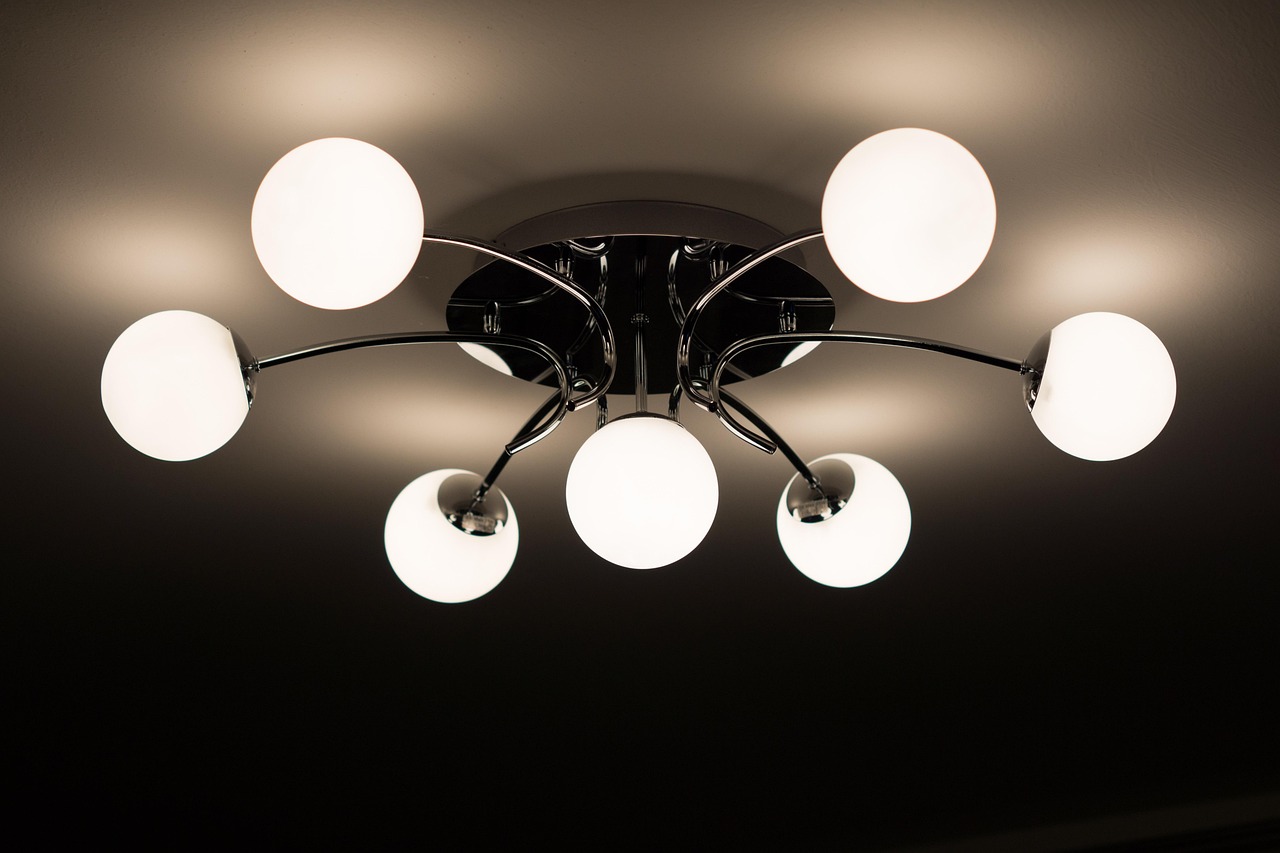
Lighting should be reviewed before accessories because it affects every surface in the room. A beige wall can look muddy under a dim, overly warm bulb, while a blue-gray cabinet can feel harsh under cool light. The goal is usually layered lighting: ambient light for general illumination, task light for reading or cooking, and accent light for art, shelving or architectural details.
In living rooms and bedrooms, lamps often do more work than ceiling fixtures because they place light closer to where people sit. In kitchens, under-cabinet lighting can make counters more usable and reduce shadows. In baths, lighting around the mirror matters because overhead-only light can cast shadows on the face. Dimmers are a small finishing detail with an outsized effect, especially in open-plan homes where one space may shift from work to dining to relaxing in the same evening.
Textiles and soft materials add comfort without rebuilding the room
Textiles are among the most flexible interior design finishing touches because they can change warmth, acoustics and color balance without demolition. A flat room can often be improved with a rug large enough for the main furniture group, lined curtains that reach close to the floor, and cushions that repeat two or three colors already present in the room.
Texture matters as much as color. Linen, wool, bouclé, velvet, cotton, leather and woven fibers all reflect light differently. A room with painted drywall, smooth tile and lacquered cabinets may need nubby, matte and woven surfaces to feel balanced. Conversely, a rustic room with heavy grain and rough stone may need smoother textiles or sharper hardware to avoid feeling visually heavy.
Maintenance should guide textile choices. High-pile rugs may feel luxurious, but they can be difficult under dining chairs. Pale upholstery can work in low-traffic rooms but may be unrealistic in a busy family zone. The right finishing touch is not just attractive on installation day; it remains usable after months of everyday life.
Hardware, trim and small metal details should look intentional
Hardware is a small category with a large design role. Cabinet pulls, door levers, hooks, towel bars, curtain rods, picture lights and switch plates can either connect a room or create visual noise. A useful rule is to choose one dominant metal and one supporting metal, then repeat each at least twice. For example, black door hardware can pair with warm brass lamps if both finishes appear elsewhere in the room. See also: Building Materials.
Matching every metal exactly is not always necessary and can make a room feel like a showroom. What matters is undertone and placement. Warm brass, aged bronze and copper tend to sit comfortably with warm woods and earthy palettes. Polished chrome, stainless steel and nickel often suit cooler schemes, bathrooms and contemporary kitchens. Matte finishes hide fingerprints better than high-polish finishes, while unlacquered living finishes can patina over time and should be chosen with that expectation.
Art, mirrors and objects need scale more than quantity
Art is often treated as the final purchase, but it should be considered as part of the room’s scale. A small print floating above a long sofa will usually look accidental. A larger piece, a pair of works or a measured gallery wall can give the furniture below it a clear anchor. The center of art should generally relate to standing eye level, while also responding to furniture height, ceiling height and viewing distance.
Mirrors can brighten dark rooms and extend sightlines, but they should reflect something worth seeing: a window, a textured wall, a plant, an artwork or an attractive architectural line. A mirror that reflects clutter simply doubles the clutter. Decorative objects work best in edited groups. Vary height, shape and surface, then leave open space around the arrangement so each object can be read.
Safety, indoor air and sourcing should be part of the finish plan
Some finishing touches affect health and safety. The U.S. Environmental Protection Agency notes that paints, varnishes, adhesives, furnishings, carpets, cleaning products and air fresheners can be sources of volatile organic compounds indoors. The agency also cautions that low-VOC or no-VOC claims do not automatically address every indoor air concern. In practical terms, homeowners should follow product labels, ventilate during installation and curing, and be careful with fragranced products in tightly sealed spaces.
Candles, lanterns and decorative flames also need caution. The U.S. Fire Administration, using National Fire Protection Association data, reports that an average of 20 home candle fires are reported each day and advises keeping candles at least 12 inches from anything that can burn. Battery candles, shaded lamps and warm dimmable bulbs can often create a similar atmosphere with less risk.
Sourcing claims deserve the same scrutiny as style claims. If a product is marketed with an unqualified Made in USA claim, the Federal Trade Commission says marketers should be able to support that the product is all or virtually all made in the United States. For buyers, the broader lesson is to read labels carefully, especially when claims involve origin, sustainability, recycled content or artisan production.
Room-by-room finishing priorities
Each room needs a different finishing emphasis. A living room usually benefits from layered lamps, a correctly scaled rug, side tables within reach and a controlled mix of art and personal objects. A bedroom needs soft light, window coverage, bedside storage and textiles that support rest rather than visual clutter. A kitchen depends on practical lighting, durable hardware, edited counters and a few warm materials to offset hard surfaces.
Bathrooms need the most restraint. Good mirror lighting, towel hooks, a washable rug, simple storage and one tactile element are usually more effective than many small decorative objects. Entryways need hooks, a landing surface, durable mats and a mirror or artwork that sets the tone for the rest of the home. In every room, the finishing question is the same: what makes this space easier to use, more comfortable to enter and more connected to the rest of the home?
Frequently asked questions
What are examples of interior design finishing touches?
Common examples include lamps, dimmers, cabinet hardware, curtains, rugs, cushions, throws, art, mirrors, plants, trays, books, vases, switch plates, hooks and small storage pieces. They are the final layers added after major finishes and furniture are in place.
How much should be spent on finishing touches?
There is no fixed percentage that works for every project. A practical approach is to protect budget for lighting, window treatments and rugs first because they affect comfort and scale, then add art and decorative objects gradually.
Should all finishing touches match?
No. A room usually feels more natural when materials coordinate rather than match exactly. Repeating a few colors, metals or textures creates continuity, while variation keeps the space from feeling flat.
Which finishing touch makes the biggest difference?
Lighting often has the biggest overall effect because it changes how color, texture and furniture read throughout the day. After lighting, rugs and window treatments usually make the strongest difference in comfort and visual completeness.