How to choose a rattan woven chair for indoors, patios and dining spaces
a[data-rs-seo-link]{text-decoration:underline!important;color:#1a56db!important;cursor:pointer!important;}a[data-rs-seo-link]{text-decoration:underline!important;color:#1a56db!important;cursor:pointer!important;}
The short answer before you buy
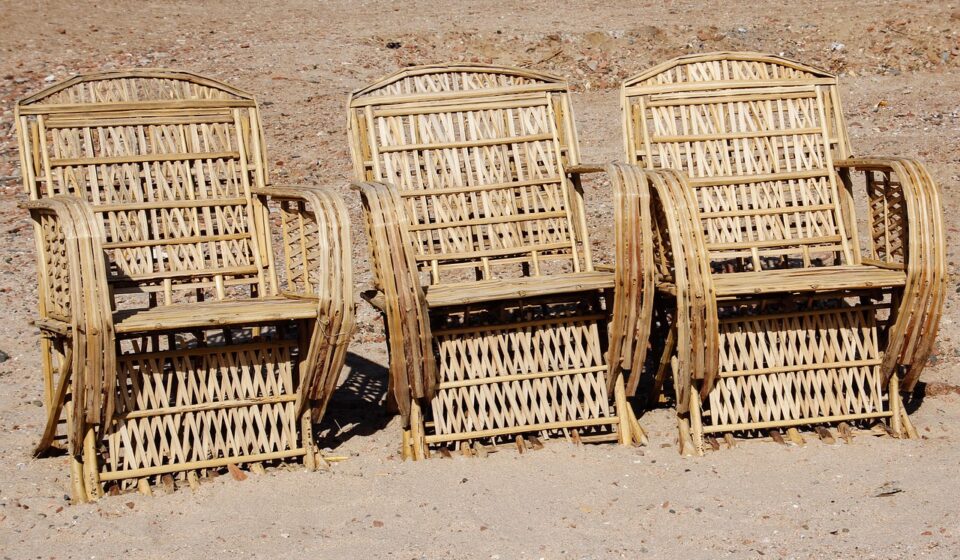
A rattan woven chair is a good option when you want seating that feels light, textured and relaxed without looking temporary. The important point is application. Natural rattan suits dry indoor rooms. Cane webbing can work well on seats and backs when the panel is properly supported. Synthetic PE rattan is usually the safer choice for patios, balconies and other outdoor or semi-outdoor areas.
Before buying, check the frame, weave tension, seat height, arm clearance, cushion quality and care requirements. A good chair should not wobble, sag sharply, snag clothing or rely on decorative marketing terms alone. If a listing uses words such as rattan, wicker, cane or resin wicker, read the material details carefully because those terms are related, but they do not always describe the same product.
Rattan, wicker and cane are related but not identical
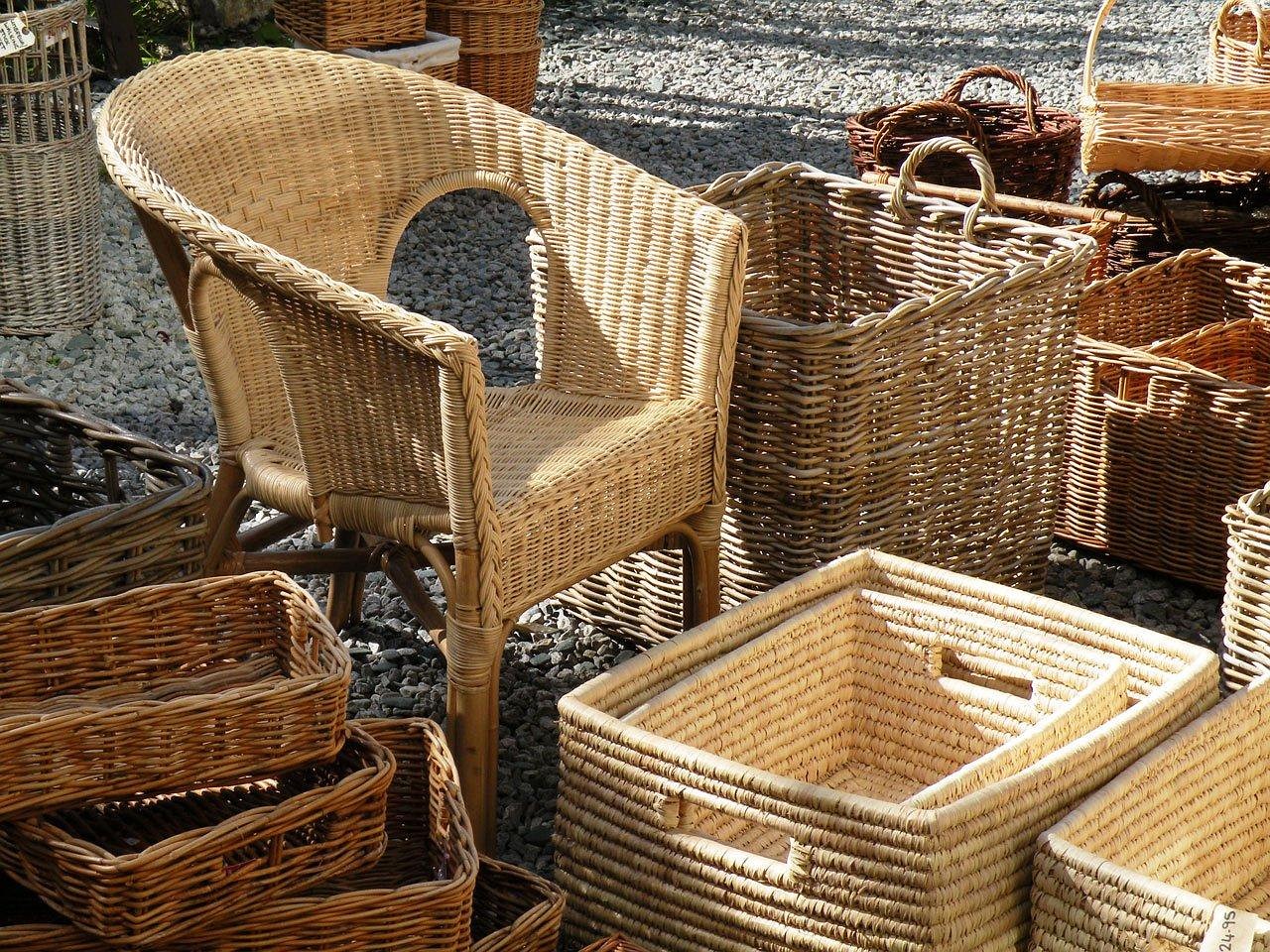
Many buying mistakes start with vocabulary. Rattan is a natural material from climbing palms. Wicker is a weaving method, not a material category by itself. Cane usually refers to the outer skin of rattan, split into narrow strips and woven into chair seats, backs or panels. Resin wicker or PE rattan usually describes synthetic strands woven to resemble natural rattan.
The distinction matters. A chair can be wicker without being natural rattan, and a chair can look like rattan while actually being made from plastic resin. For indoor furniture, natural rattan and cane provide a warmer, more organic texture. For outdoor furniture, synthetic PE rattan is often used because natural fibers are more vulnerable to moisture, prolonged sun exposure and mildew.
Botanical and conservation sources such as Royal Botanic Gardens, Kew describe rattan as an important material for furniture and woven goods, while also noting that traceability can become complicated once cane has been processed. For buyers, the most useful product page is not the one with the most decorative language. It is the one that clearly states the material, frame, finish and intended use.
| Term | What it usually means | Best use | Buyer caution |
|---|---|---|---|
| Natural rattan | Flexible cane from rattan palms | Indoor accent chairs, lounge chairs and occasional seating | Keep away from damp areas and harsh direct sun |
| Cane webbing | Thin woven strips, often used in seat or back panels | Dining chairs, side chairs and cabinet panels | Needs frame support and should not be overloaded |
| Wicker | A weaving technique using natural or synthetic strands | Depends on the material used | Do not assume wicker always means natural rattan |
| PE rattan or resin wicker | Synthetic strands woven around a frame | Patios, balconies and covered outdoor areas | Check UV resistance, frame material and cushion fabric |
Choose the material for the room, not just the style
A chair that looks right in a product photo can still be wrong for the location if the material is used in the wrong environment. Natural rattan is light, tactile and visually soft, but it is not the most forgiving material for wet, humid or uncovered outdoor spaces. Manufacturer care guidance for cane and rattan commonly advises avoiding excessive moisture, abrasive cleaning and prolonged intense sunlight because the fibers can dry, discolor, split or weaken.
For living rooms and bedrooms
Natural rattan is well suited to a reading corner, bedroom chair, sunroom or relaxed lounge setting. Look for a chair with a solid frame, smooth joints and a comfortable seat angle. If the chair has a cane seat, check whether the seat is reinforced underneath or intended only for occasional use. A loose cushion can improve comfort and reduce direct pressure on the weave.
For dining spaces
A dining rattan woven chair needs stricter evaluation than an accent chair because it will be pulled, pushed and used repeatedly. Measure the seat height against your table, check whether the arms fit beneath the tabletop, and look for a stable frame that does not flex when moved. Cane backs can work well for dining because they add ventilation and texture, but the seat should feel supportive enough for a full meal.
For patios and balconies
If the chair will sit outdoors, especially in changing weather, choose synthetic PE rattan or resin wicker over natural rattan. This is not because synthetic always looks better, but because it is made for conditions that natural fibers struggle with. For outdoor chairs, the frame matters as much as the weave. Powder-coated aluminum is often preferred because it is lighter and more rust resistant than many untreated steel frames. Cushions should also be removable, quick to dry and covered in an outdoor-rated fabric.
For more home material comparisons and practical purchase checklists, see the Buying Guides section.
Inspect the frame, weave and construction details
The quality of a rattan woven chair is easier to judge when you know where failures usually begin. Problems often appear at joints, legs, arm connections, seat edges and areas where the weave is under tension. A chair may look attractive from the front but still feel unstable if the frame is poorly joined or if the weave is decorative rather than structural.
Frame stability
If you can inspect the chair in person, place it on a flat surface. All legs should touch the floor evenly. Press gently on the arms and back. A small amount of flex can be normal in woven furniture, but noticeable wobbling, creaking or twisting suggests weak joinery. For online purchases, zoom in on product images and look for close-ups of the underside, legs and seat support. If those details are missing, ask questions before buying.
Weave tension and finish
The weave should look even, not overly loose in one area and tight in another. On cane seats, small variations are normal because the material is woven, but broken strands, sharp ends and wide gaps near the frame are warning signs. When shopping in person, run your hand lightly over the surface. It should feel smooth enough not to catch clothing. On synthetic wicker, check that the strands are not brittle, chalky or already cracked at bends.
Joinery and binding
Rattan chairs often use wrapped joints or bindings, especially where arms, legs and backs meet. These wraps are not only decorative; they can help secure the structure. Look for tight, neat bindings without loose ends. If screws or nails are visible, they should be aligned and should not split the surrounding material. Clean finishing on hidden areas is often a better quality signal than a chair that only looks polished from the front.
Comfort depends on proportions as much as cushions
Rattan chairs are often bought for texture, but they still need to work as seats. Comfort depends on seat height, seat depth, back angle, arm height and cushion density. A beautifully woven chair that is too low for a dining table or too deep for the user may become decorative clutter rather than useful furniture.
For dining chairs, common seat heights usually fall within the range used with standard dining tables, but the exact fit depends on the table apron and cushion thickness. Leave enough room for thighs under the tabletop. If the chair has arms, measure the arm height as well as the seat height. Arms that collide with the table edge will make the chair awkward to store and use.
For lounge chairs, consider the intended sitting position. A lower, deeper rattan woven chair can be comfortable for reading or casual conversation, especially with a lumbar cushion. A more upright chair is better for entryways, bedrooms and dining areas. Cushions should not be too thin if the seat weave is firm. Removable covers are helpful because dust can collect in woven furniture and food spills are more likely around dining spaces. See also: Building Materials.
- Seat height: Match it to the table, desk or intended use.
- Seat depth: Choose shallower seats for dining and deeper seats for lounging.
- Back support: Look for a back angle that supports the posture you want.
- Arm clearance: Measure before pairing armchairs with dining tables.
- Cushion quality: Check thickness, cover removability and whether the cushion slides.
Match the chair to your interior style without overusing the look
Rattan works because it adds texture, warmth and visual lightness. It pairs especially well with wood, linen, stone, plaster, cotton, leather and matte metal. The main design risk is using too much of the same woven texture in one room. A single rattan woven chair can soften a modern interior, while a full set of rattan dining chairs can make a dining area feel more casual and airy.
In a minimalist space, choose a simple silhouette with fewer curves and a tight weave. In a coastal or bohemian room, a rounder lounge chair or open cane back may feel more natural. In traditional interiors, rattan can work as a contrast material beside darker wood or upholstered pieces. If the room already has woven baskets, jute rugs and cane-front cabinets, use restraint so the chair does not compete with too many similar textures.
Color also affects how formal the chair feels. Pale natural rattan looks relaxed and bright. Honey tones feel warmer and more classic. Dark-stained rattan can look more tailored, but scratches may show more clearly depending on the finish. Painted rattan can be attractive, though heavy paint may hide fiber quality and can chip on high-contact edges.
Care requirements should influence the purchase
Care is not an afterthought with woven furniture. The open texture that makes rattan appealing also creates places where dust can settle. A chair with a complex weave may need more frequent cleaning than a smooth wooden or upholstered chair. Before buying, decide whether the chair fits your cleaning habits and the conditions of the room.
For natural rattan and cane, routine care usually means dusting with a soft brush or vacuum brush attachment, wiping with a slightly damp cloth when needed, and drying the surface promptly. Avoid soaking the material. Avoid harsh chemicals, abrasive pads and steam cleaning unless the manufacturer specifically permits it. If the chair is near a sunny window, rotating its position can reduce uneven fading and drying.
For synthetic outdoor wicker, cleaning is usually simpler, but the chair is not maintenance-free. Dirt can sit between strands, cushions can trap moisture, and lower-quality resin may become brittle under prolonged UV exposure. Use mild soap and water, rinse gently, and let the chair dry before covering or storing. In winter or during long periods of non-use, covered storage can extend the life of both the weave and the cushions.
A practical buying checklist
Use this checklist before you commit to a rattan woven chair, especially when shopping online. It focuses on details that affect durability, comfort and fit rather than vague style claims.
- Confirm the material: Is it natural rattan, cane, wicker, PE rattan or another synthetic material?
- Check intended use: Is the chair listed for indoor use, covered outdoor use or full outdoor exposure?
- Review the frame: Look for solid wood, rattan pole, aluminum or properly finished metal construction.
- Study close-up images: Inspect the weave, edges, joints, bindings and underside.
- Measure carefully: Confirm seat height, total width, depth, back height and arm height.
- Consider cushion details: Look for removable covers, suitable thickness and non-slip support.
- Read the care instructions: Avoid chairs with unclear maintenance guidance if the piece will see daily use.
- Ask about weight capacity: If it is not listed, contact the seller rather than guessing.
- Check return terms: Woven chairs can look different in scale and tone once placed in a room.
The best choice is not always the most expensive chair or the most dramatic shape. It is the chair whose material, construction and proportions match how and where it will be used. For dry indoor rooms, natural rattan and cane can bring lasting character when treated with care. For patios, balconies and wetter environments, synthetic PE rattan with a durable frame is usually the more practical route. When in doubt, prioritize clear specifications over lifestyle photography.
Frequently asked questions
Is a rattan woven chair suitable for outdoor use?
Natural rattan is generally better for indoor or very protected areas because moisture and strong sun can damage the fibers over time. For outdoor use, look for synthetic PE rattan or resin wicker on a weather-resistant frame, plus outdoor-rated cushions.
What is the difference between rattan and wicker?
Rattan is a material, while wicker is a weaving technique. A wicker chair may be made from natural rattan, bamboo, willow, synthetic resin or other materials. Always read the material description instead of relying on the word wicker alone.
How do I know if a rattan chair is well made?
Look for a stable frame, even weave tension, smooth edges, tight bindings and clean finishing under the seat. The chair should not wobble, twist sharply or have loose strands at stress points.
Are cane seats comfortable for everyday dining?
They can be, especially when the seat is properly supported and paired with a thin cushion. For heavy daily use, check weight guidance, seat reinforcement and whether the cane panel can be repaired or replaced if it stretches over time.
How should I clean a rattan woven chair?
Dust it regularly with a soft brush or vacuum brush attachment. For light cleaning, use a slightly damp cloth and mild soap if needed, then dry promptly. Avoid soaking natural rattan, abrasive pads and harsh chemical cleaners.