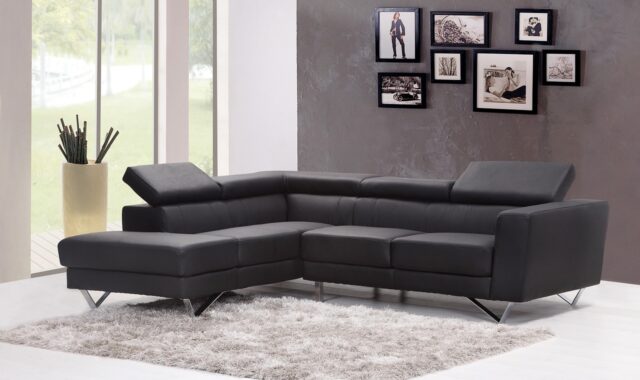
How to choose a fabric couch that fits your home and daily use

a[data-rs-seo-link]{text-decoration:underline!important;color:#1a56db!important;cursor:pointer!important;}a[data-rs-seo-link]{text-decoration:underline!important;color:#1a56db!important;cursor:pointer!important;}
Start with how the couch will be used
A fabric couch is often a flexible seating choice because it comes in many textures, colors, and price ranges. The right option, however, depends less on a style label and more on how the sofa will be used day to day. A couch for occasional guests can put more weight on softness and visual detail. A couch used by children, pets, meals, naps, and daily television needs a tighter fabric, clearer cleaning instructions, stronger cushions, and a color that is more forgiving of ordinary wear.
Before comparing designs, define the conditions clearly: who will sit on the couch, how often it will need cleaning, whether it will sit in direct sun, and how much space it has around it. This guide focuses on practical checks shoppers can verify before buying. For more home material comparisons, visit the Buying Guides section.
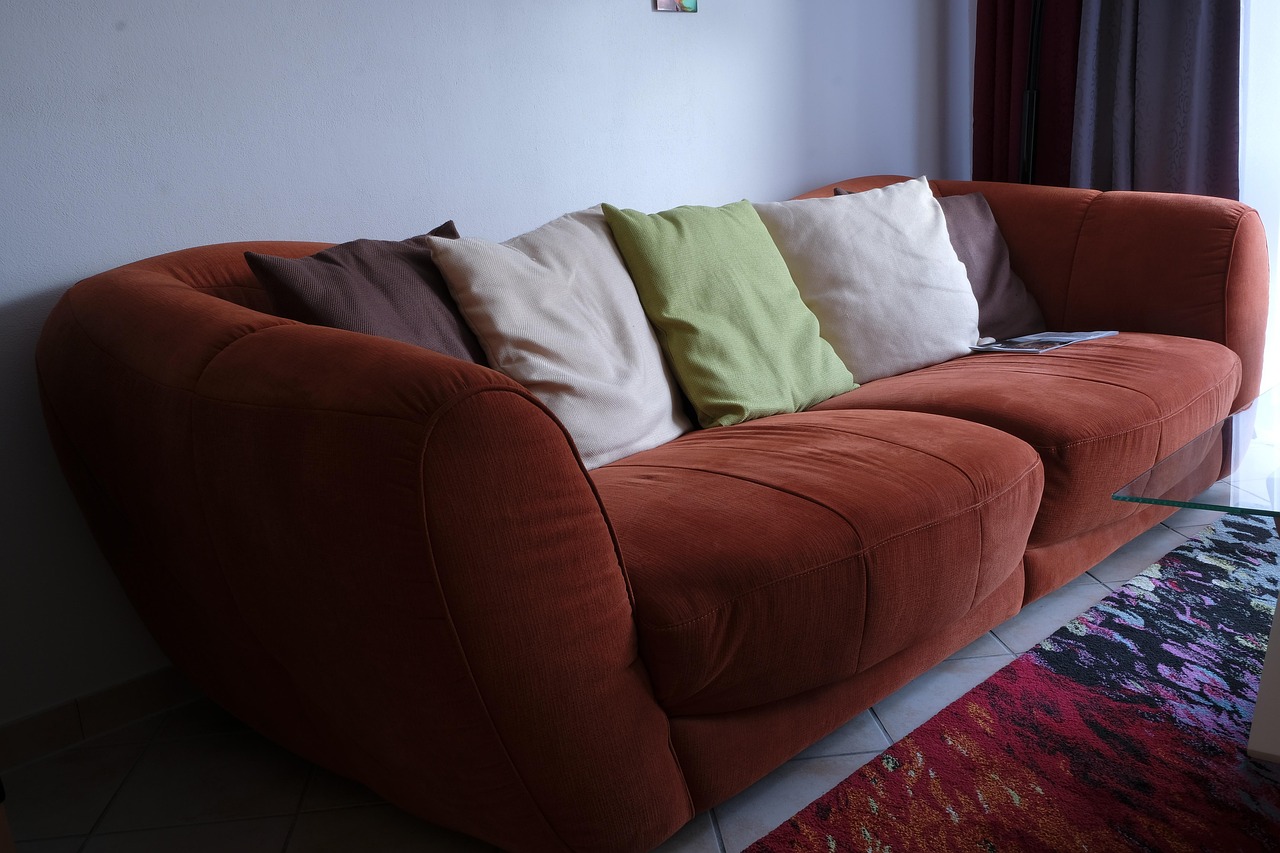
Match the fabric to the room, not just the photo
Online product photos can make almost any upholstery look smooth, rich, and clean. Actual performance depends on fiber content, yarn structure, weave, pile, backing, finish, and maintenance. A neutral bouclé, a flat woven polyester, and a cotton-linen blend may all be described as fabric upholstery, but they respond very differently to spills, friction, sunlight, and pet claws.
Start with an honest description of the room. A formal sitting room can usually tolerate more texture and lighter colors. A family room needs a surface that is easier to live with. A sunny room should make fade resistance part of the discussion. A small apartment may benefit from slimmer arms and a fabric that does not visually overwhelm the space.
| Use case | Fabric priorities | What to avoid |
|---|---|---|
| Daily family seating | Tight weave, medium-to-dark tone, clear cleaning instructions | Loose weaves that snag easily or require specialist care only |
| Pets | Dense upholstery, smoother texture, removable cushions if available | Open loops, delicate pile, or fabrics that trap hair deeply |
| Small children | Cleanability, stain resistance, durable cushion covers | Very pale colors without a practical care plan |
| Guest room or light use | Comfort, texture, design detail | Overpaying for heavy-duty performance you do not need |
| Sunny room | Fade-aware color choice, lined window treatment, rotate cushions | Assuming any fabric is immune to ultraviolet exposure |
Understand common upholstery fibers
Fiber content is not the whole story, but it is a useful starting point. A strong fiber can still disappoint if the weave is loose or if cushion edges create heavy abrasion. Likewise, a modest fiber blend can perform well when it is tightly constructed and properly maintained.
Polyester and polyester blends are common in modern upholstered furniture because they can offer a broad color range, good abrasion resistance, and easier care at accessible prices. Olefin is often used where moisture and staining are concerns, although hand feel varies. Nylon can be strong, but it is less common as the main visible upholstery fiber in residential sofas. Cotton and linen provide a natural look and breathable feel, but they can wrinkle, absorb stains, or fade more readily unless blended or treated. Wool blends can feel substantial and resist wrinkling, though cost and cleaning requirements should be checked carefully. Viscose or rayon can add softness and sheen, but it may be less forgiving with moisture, so the cleaning code matters.
Do not rely only on marketing terms such as performance fabric, linen look, velvet feel, or family friendly. Ask for the actual fiber content when the seller provides it, then compare it with the care instructions. Public guidance from the U.S. Federal Trade Commission explains that many covered textile products must disclose fiber content and related labeling information. That is why clear material identification is more useful than a vague style name.
Look beyond rub count claims
Many sofa listings mention abrasion testing, often using Wyzenbeek double rubs or Martindale cycles. These tests can help compare textiles, but they should not be treated as a precise prediction of how long a couch will last in a home. The Association for Contract Textiles publishes voluntary performance guidance for commercial fabrics and also notes that very high abrasion numbers do not automatically prove longer service life. Real wear is also affected by cleaning habits, body oils, sunlight, cushion shape, seam placement, pets, and the way people sit down or slide across the fabric.
For residential shopping, the useful question is not simply, how high is the number? Better questions are: what test method was used, what use level was the fabric designed for, and are there other performance results such as pilling, colorfastness, seam slippage, or cleaning compatibility? If a seller gives a rub count without a method, the number has limited value. Wyzenbeek and Martindale are different tests, and their results should not be converted casually.
Texture also changes how wear appears. A flat weave may show crumbs and pet hair, but it can be easier to vacuum. Chenille may feel soft, yet it can develop pressure marks. Velvet can look luxurious, but pile direction and shading are part of its character. Bouclé adds visual depth, though open loops may not be ideal for claws or rough use. When possible, order a swatch, bend it, rub it lightly with a dry cloth, place it near flooring and wall colors, and check it in both morning and evening light.
Make cleanability part of the purchase, not an afterthought
A beautiful couch becomes frustrating if ordinary spills create constant worry. Before buying, find the upholstery cleaning code or written care instructions. Common upholstery codes include water-based cleaning, solvent-based cleaning, either water or solvent, and vacuum-only care. The exact wording may vary by manufacturer, so the safest rule is to follow the label rather than internet shortcuts.
Removable cushion covers are useful, but removable does not always mean machine washable. Some covers are removable only for professional cleaning or upholstery work. If a listing says washable, confirm whether that applies to the cover fabric, the cushion insert, or only a slipcover. Also ask whether washing can cause shrinkage, color change, or seam distortion.
Households that eat on the sofa should prioritize spot-cleaning instructions and cushion access. Homes with pets should consider how easily hair releases from the surface. If someone in the home is sensitive to odors, ask about new furniture off-gassing, adhesives, finishes, and ventilation. The U.S. Environmental Protection Agency identifies furnishings and household products as potential indoor air sources and emphasizes source control and ventilation for many indoor air quality concerns. That does not mean every fabric couch is a problem, but it does mean shoppers should take strong chemical odors seriously and air out new furniture when practical.
Check comfort, support, and scale before choosing color
Fabric often gets attention first, but comfort and proportions determine whether the couch will be used every day. Measure the room, doorways, stair turns, elevator, and final wall length before committing to a sectional. Leave walking space around the couch, and account for side tables, floor lamps, recline clearance, and rug placement.
Seat depth is one of the most important comfort measurements. A deeper seat supports lounging and taller users, while a shallower seat can work better for upright conversation and smaller rooms. Seat height affects how easy it is to stand up. Arm height matters if you like to nap or rest a laptop. Back cushion style changes the feel as well: loose backs are softer and adjustable, while tight backs look cleaner and require less rearranging. See also: Building Materials.
Ask what is inside the couch. A product page should ideally describe the frame material, suspension, cushion fill, and cover fabric. High-resilience foam, coil or sinuous spring support, fiber wrap, feather blends, and down alternatives all feel different. Softer cushions may feel inviting in a showroom but require more fluffing and rotation. Firmer cushions may keep their shape visually for longer but can feel less lounge-friendly at first. If you cannot sit on the couch before buying, read the return policy and rely on measurements rather than adjectives such as plush or supportive.
Read labels, standards, and certifications carefully
Labels can provide important clues, but they need interpretation. In the United States, upholstered furniture subject to federal flammability requirements must comply with 16 CFR Part 1640, which incorporates California Technical Bulletin 117-2013. For products manufactured, imported, or reupholstered on or after June 25, 2022, the federal labeling requirement includes permanent language indicating compliance with U.S. Consumer Product Safety Commission upholstered furniture flammability requirements. This label addresses flammability compliance; it should not be read as a full quality rating or a complete chemical disclosure.
Some furniture may also carry information about added flame retardants, particularly where California disclosure labels are used. If that topic matters to your household, ask the retailer or manufacturer to explain the label in writing. Do not assume that the absence of a marketing claim means the absence of a substance, and do not assume that a flammability label alone tells you everything about materials.
Textile certifications can be useful when they are current and specific. OEKO-TEX STANDARD 100, for example, is a textile testing certification that evaluates harmful substances according to product class and intended use. That can support a safer materials discussion, but it does not automatically mean a couch is stain-proof, pet-proof, or suitable for every cleaning method. Certification, fabric content, construction, and maintenance instructions should be considered together.
A practical buying checklist for a fabric couch
Use this checklist to compare two or three shortlisted couches before making a final decision.
- Confirm dimensions. Check overall width, depth, height, seat depth, seat height, arm height, and delivery path.
- Identify the fabric. Ask for fiber content, weave type, swatches, and any available performance data.
- Review cleaning instructions. Look for the cleaning code, removable cover guidance, and professional cleaning recommendations.
- Evaluate durability realistically. Treat abrasion ratings as one data point, not a promise of lifespan.
- Check cushion construction. Compare foam density descriptions, spring support, fill type, and whether cushions can be rotated.
- Think about light and color. Medium tones, subtle texture, and small-scale patterns often hide daily wear better than solid white or very dark flat fabric.
- Read labels. Look for flammability compliance, material information, and any certification details that are specific to the product.
- Understand the policy. Confirm delivery fees, assembly, returns, restocking charges, warranty scope, and fabric exclusions.
The strongest purchase is rarely the couch with the longest list of claims. It is the one whose materials, care requirements, size, and comfort match the way your household actually lives.
Frequently asked questions
Is a fabric couch better than a leather couch?
Neither is universally better. A fabric couch usually offers more color, texture, and softness options, while leather can be easier to wipe clean in some situations and develops a different type of patina. Fabric is often preferred for a warmer, less slippery feel. Leather may suit buyers who want a smoother surface and are comfortable with leather care. The better choice depends on climate, pets, children, budget, and maintenance expectations.
What fabric couch material is easiest to clean?
There is no single easiest material because cleaning depends on both fiber and finish. Many polyester or performance blends are designed for easier spot care, but the cleaning code is more important than the fiber name alone. Always follow the manufacturer’s instructions and test any approved cleaner in an inconspicuous area first.
How many double rubs should a sofa fabric have?
Abrasion ratings can be helpful, but they are not a direct lifespan guarantee. If a fabric lists Wyzenbeek or Martindale results, compare fabrics tested by the same method and ask whether the rating is appropriate for residential or commercial use. Also consider pilling, snagging, cleaning, sunlight, and cushion design.
Are removable couch covers machine washable?
Not always. Removable covers may still require dry cleaning, professional cleaning, or careful spot cleaning. Machine washing the wrong cover can cause shrinkage, fading, seam puckering, or a poor fit when the cover is placed back on the cushion.
What color fabric couch hides wear best?
Medium tones usually hide everyday dust, lint, and minor marks better than very light or very dark solids. Heathered fabrics, small patterns, tweeds, and subtle textures can also make normal use less visible. In bright rooms, consider fade risk as well as stain visibility.