Interior stone wall finishes to compare before specifying
a[data-rs-seo-link]{text-decoration:underline!important;color:#1a56db!important;cursor:pointer!important;}a[data-rs-seo-link]{text-decoration:underline!important;color:#1a56db!important;cursor:pointer!important;}
Why interior stone wall finishes need more than a visual choice
Interior stone wall finishes specified today include thin stacked veneer, large honed slabs, fluted panels, split-face cladding, and carefully jointed stone tile. Selecting between them is not only a matter of color or pattern. The room, substrate, weight, lighting, moisture exposure, cleaning routine, and support method all affect whether the wall will perform as intended. A stone feature wall should be treated as a finish system, with material variation, movement, edges, penetrations, and maintenance requirements. For broader material planning across walls, ceilings, panels, and surfaces, see the Interior Finishes section.
The main lesson is straightforward: choose the stone finish and the installation method together. A polished marble slab, a dry-stacked ledgestone wall, and a limestone tile field may all be described as interior stone, but they behave differently once they meet framing, adhesive, anchors, lighting, grout, sealers, and daily use.
What counts as an interior stone wall finish
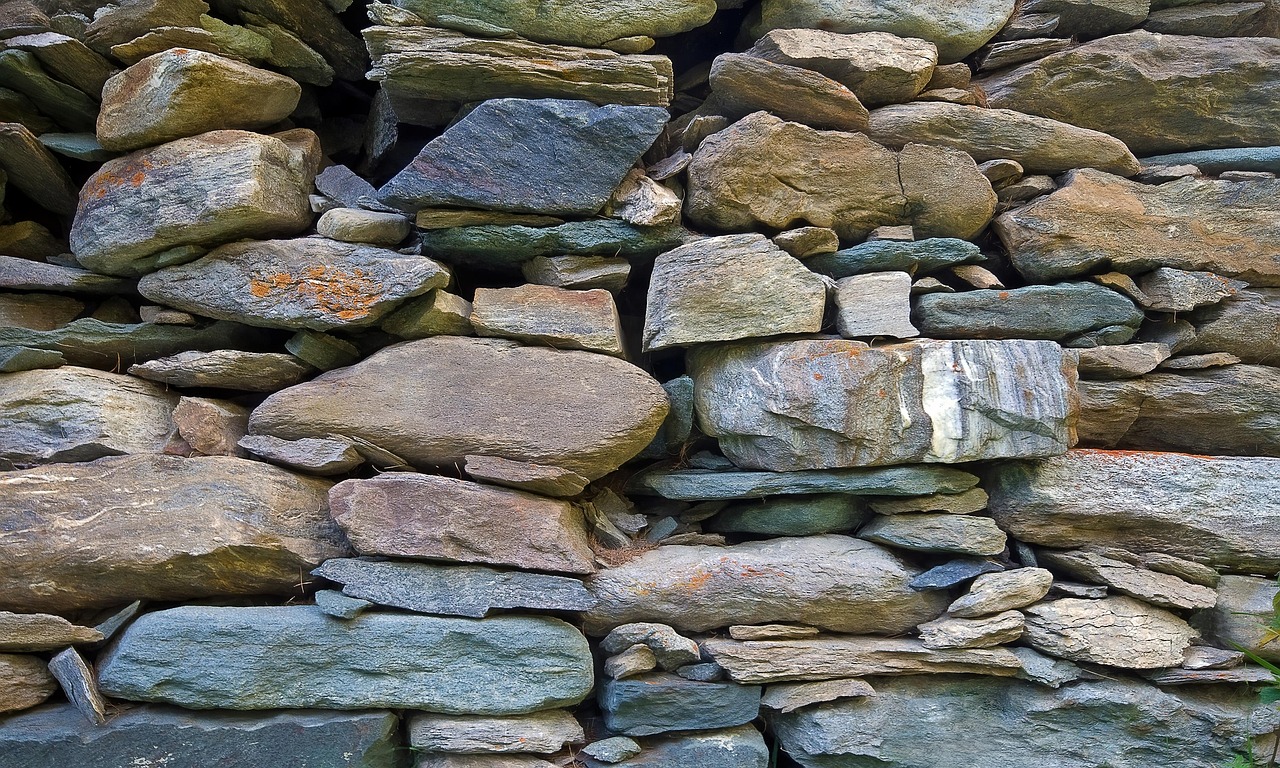
An interior stone wall finish is the visible stone layer and its surface treatment, not just the stone species. A complete specification normally includes four decisions: stone type, format, face finish, and fixing method. Stone type may include marble, limestone, travertine, granite, slate, quartzite, sandstone, or other dimension stone. Format may be slab, tile, thin veneer, modular panels, or carved panels. Face finish may be polished, honed, brushed, flamed, split-face, sandblasted, chiseled, grooved, or leathered. Fixing may be adhered, mechanically anchored, or a combination designed by qualified professionals.
This distinction matters because two walls made from the same stone can look and perform very differently. Honed limestone in large panels can read calm and monolithic. Split-face limestone in small ledgestone strips creates stronger shadows, texture, and joint lines. Polished marble emphasizes veining and reflection, while brushed or leathered marble softens glare and fingerprints. The finish affects not only the style, but also cleaning, edge detailing, lighting design, and tolerance for visible imperfections.
Main interior stone wall finish options
| Finish option | Typical visual effect | Good interior uses | Specification cautions |
|---|---|---|---|
| Large stone slabs | Continuous, architectural, minimal joints | Lobby walls, living room feature walls, fireplace surrounds, luxury bathrooms outside direct wet zones | Needs careful handling, substrate coordination, edge planning, and often mechanical support depending on size and weight |
| Stone tile | Controlled module, easier layout, visible grout pattern | Bathrooms, backsplashes, corridors, commercial accent walls | Movement joints, flatness, grout selection, and stone sensitivity to staining or moisture are important |
| Split-face stone | Strong texture, shadow, natural relief | Accent walls, fireplaces, hospitality interiors, stair walls | Collects dust more easily and is difficult to wipe in kitchens or narrow circulation areas |
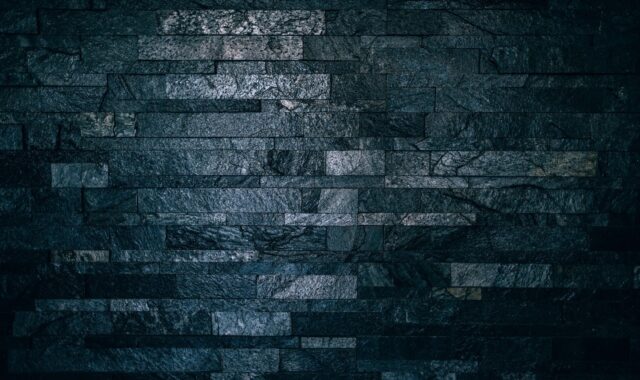
| Stacked stone or ledgestone veneer | Rustic to contemporary depending on color and coursing | Living rooms, reception walls, fireplace surrounds, media walls where texture is desired | Corner pieces, caps, returns, and lighting must be planned before installation |
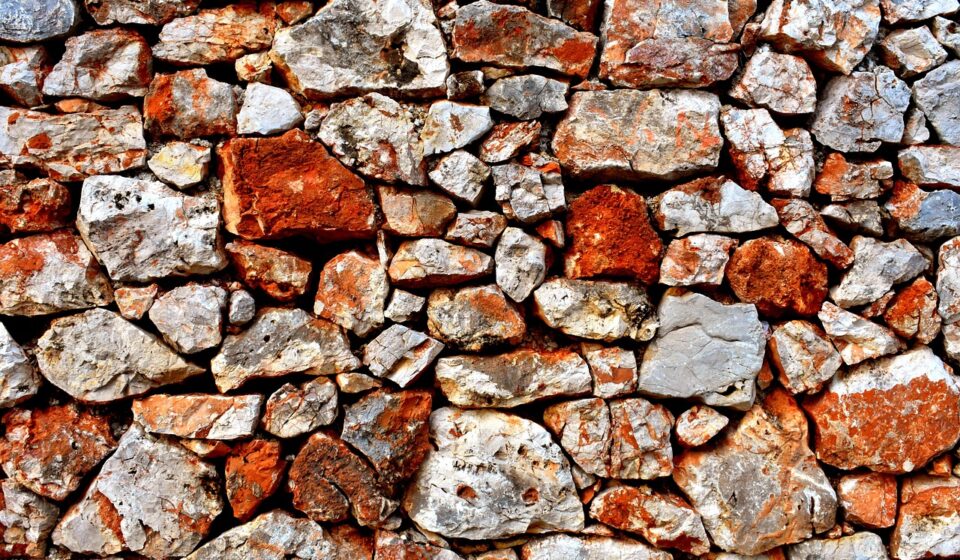
| Ashlar or random stone veneer | Masonry-like, substantial, crafted appearance | Traditional interiors, wine rooms, restaurants, transitional homes | Pattern control and mockups are essential because random work can look unbalanced if rushed |
| Fluted, ribbed, or carved stone panels | Refined relief, vertical rhythm, custom detail | Feature walls, reception desks, powder rooms, boutique retail | Higher fabrication and alignment demands; cleaning grooves requires planning |
| Honed or leathered stone panels | Soft sheen, tactile but restrained | Modern residential walls, offices, hospitality rooms | Still needs correct sealing and cleaner selection; matte finishes can show oils or hand marks |
Stone-look porcelain panels are often compared with stone wall finishes because they can imitate marble, travertine, or slate. They may be useful where lower weight, consistent patterning, or reduced maintenance is important. However, porcelain is not natural stone, so it should be specified honestly rather than described as stone cladding.
How to match the finish to the room
Living rooms and media walls
In living spaces, stone is usually chosen for atmosphere rather than water resistance. Large honed slabs, linear limestone panels, or controlled stacked stone can create a calm backdrop. Avoid deep split-face texture directly behind a television if glare, uneven shadows, or dust accumulation will be distracting. If the wall includes shelves, outlets, speakers, lighting channels, or a fireplace insert, coordinate penetrations before fabrication. Cutting stone around late electrical changes often leads to avoidable seams and patchwork.
Fireplace surrounds
Stone is visually compatible with fireplaces, but the assembly must follow the fireplace manufacturer’s clearance requirements and the local building code. Natural stone is not a substitute for required noncombustible construction, heat shielding, or listed fireplace details. For a fireplace wall, the finish should also be selected with soot visibility and cleaning in mind. Highly textured light stone can look dramatic on day one, but it may be less forgiving around wood-burning appliances.
Kitchens and backsplashes
Kitchen stone walls face grease, food acids, steam, and frequent wiping. Honed marble, limestone, and travertine can be beautiful, but they are calcareous stones and can etch when exposed to acidic substances such as lemon juice or vinegar. A sealer may help reduce staining, but it does not make acid-sensitive stone acid-proof. For heavy-use kitchens, a dense stone, smoother surface, tighter joint, or stone-look porcelain may be more practical than a rough split-face wall behind a cooktop.
Bathrooms and wet rooms
Stone can work in bathrooms when the waterproofing, slope, ventilation, adhesive, and movement joints are properly designed. The wall finish should not be selected only from a showroom sample. Some stones darken when wet, some are more porous, and some may be sensitive to iron staining or mineral deposits. In direct wet zones, smooth honed stone is usually easier to maintain than deeply textured cladding. A bathroom feature wall outside the shower can deliver the stone effect with fewer moisture risks.
Commercial and hospitality interiors
Commercial stone walls need closer attention to impact, cleaning cycles, replacement access, and long-term consistency. A hotel lobby wall may justify large anchored panels or durable stone tile because the finish must withstand luggage, maintenance equipment, and repeated cleaning. A restaurant wall may need stain-resistant detailing at banquettes and service areas. In public interiors, corners, base conditions, and control joints are as important as the stone face.
Installation choices that determine performance
Industry references, including the Natural Stone Institute’s Dimension Stone Design Manual, ASTM C1242-26, the TCNA Handbook for ceramic, glass, and stone tile installation, and International Masonry Institute stone details, all point to the same practical principle: stone cladding must be supported, joined, and detailed as a system. The thicker, larger, heavier, or higher the wall finish becomes, the less acceptable it is to rely on appearance-driven decisions alone.
Adhered stone is not automatically simple
Thin stone tile and many thin veneer products can be adhered to suitable substrates, but the word suitable carries much of the risk. The substrate must be clean, flat, stable, compatible with the setting material, and strong enough for the finish. Painted drywall, questionable backer boards, flexible framing, dust, old adhesive, and moisture-sensitive surfaces can all undermine the installation. For stone tile, ANSI and TCNA methods are often used by North American specifiers to coordinate setting materials, membranes, workmanship, and movement joints.
Large panels may need mechanical anchorage
Large stone panels are often treated as dimension stone cladding rather than ordinary tile. ASTM C1242-26 addresses the selection, design, and installation of dimension stone attachment systems, including design documentation, anchor considerations, materials, and workmanship. The International Masonry Institute shows interior dimension stone details where 3 cm stone panels can be supported with strap anchors attached back to framing. The specific anchor type, spacing, and backing should be engineered for the project rather than guessed from visual preference.
Movement joints protect the finish
Stone and tile installations need room for movement. Buildings move because of temperature, humidity, structural deflection, shrinkage, and vibration. The TCNA Handbook recommends movement accommodation in tile installations, and interior placements become more important where direct sunlight, moisture, or changes of plane occur. In practical terms, joints at perimeters, inside corners, transitions, and large fields should be considered during design, not hidden after cracking appears. See also: Building Materials.
Maintenance, lighting, and indoor comfort
Surface texture is one of the biggest maintenance decisions. Polished stone reflects light and intensifies color and veining, but it can show scratches, fingerprints, and glare. Honed stone reduces reflection and suits softer interiors, although it can reveal oils or uneven sealing. Split-face and fluted finishes create depth, but they collect dust and are harder to wipe. A stone wall in a double-height entry may look impressive, yet cleaning it safely can become a long-term access issue.
Lighting should be tested with the actual finish. Grazing light across split-face stone can exaggerate relief and create dramatic shadows. The same grazing light across a poorly aligned tile wall can expose lippage and uneven joints. Downlights over polished slabs can create hot spots. Before approving a final finish, request a mockup under lighting close to the planned room conditions. This is especially important for bookmatched slabs, ribbed panels, and pale stones with visible mineral movement.
Indoor air concerns are sometimes raised with granite and other natural stones because they can contain naturally occurring radioactive elements. The U.S. Environmental Protection Agency has stated that existing data is insufficient to conclude that common granite countertop types significantly increase indoor radon levels, and it recommends testing the air in the home to understand radon risk. For interior wall specification, the practical takeaway is not to rely on rumor. If a client is concerned, use recognized radon testing guidance for the building rather than assuming the wall finish is the main risk.
Cost and value trade-offs without false precision
It is tempting to compare stone wall finishes by square-foot price, but that number can be misleading. Installed cost is shaped by stone availability, slab yield, thickness, finish, fabrication waste, corner pieces, anchorage, substrate preparation, setting materials, sealing, protection during construction, labor skill, and access. A modest stone tile on a prepared wall may cost less than a dramatic bookmatched slab, while a small textured wall with many returns and outlets may take more labor than its area suggests.
The value question is also different from the price question. A durable stone wall in a lobby, restaurant, or frequently photographed residential space can justify higher planning effort because it becomes a permanent visual anchor. In a rental unit, tight corridor, children’s playroom, or high-grease kitchen, a smoother, more replaceable, or less porous finish may be wiser. The best specification is the one that fits the use, not the one that looks most impressive in a sample tray.
Specification checklist for interior stone walls
- Define whether the wall is decorative cladding, tile work, or dimension stone paneling.
- Confirm the substrate, framing, flatness, deflection limits, moisture exposure, and expected movement.
- Select the stone type and face finish together, not as separate aesthetic choices.
- Request range samples or a mockup to evaluate veining, color variation, texture, and lighting.
- Plan edges, corners, returns, outlets, shelves, niches, base details, and transitions before ordering material.
- Confirm whether the finish will be adhered, mechanically anchored, or engineered as a combined system.
- Include movement joints and changes of plane in the drawing set.
- Check cleaning requirements, sealer expectations, acid sensitivity, and dust retention before approval.
- For wet areas, coordinate waterproofing, ventilation, slope, and compatible setting materials.
- Protect installed stone during construction to prevent staining, chipping, and abrasive damage.
Frequently asked questions
What is the most practical stone finish for an interior feature wall?
For many interiors, a honed stone tile or honed panel is the most balanced choice because it offers natural texture without the glare of polished stone or the dust retention of heavy split-face cladding. The most practical option still depends on wall height, traffic, cleaning access, and moisture exposure.
Is natural stone too heavy for drywall?
Some thin stone products may be installed over approved wall assemblies, but drywall alone should not be assumed suitable. Weight, product format, setting material, fastener capacity, backer board, framing, and local code requirements must be checked. Large panels and thicker dimension stone often need mechanical anchorage or engineered support.
Are textured stone walls hard to clean?
They can be. Split-face, stacked, ribbed, and chiseled finishes trap dust in recesses and are harder to wipe than honed or polished surfaces. They are often better for feature walls away from grease, soap residue, and constant hand contact.
Can stone be used inside showers?
Yes, but the stone, waterproofing, setting materials, ventilation, maintenance routine, and installer experience matter. Smooth dense stone is usually easier to manage than rough porous stone. Acid-sensitive stones and high-mineral water can create maintenance challenges, so bathroom stone should be specified with realistic care expectations.
Should interior stone walls be sealed?
Many natural stones benefit from a penetrating sealer, especially porous stones or walls exposed to splashes and staining. Sealer selection should follow the stone supplier’s guidance and a test area. Sealing can reduce absorption, but it does not make soft or acid-sensitive stones immune to etching, abrasion, or improper cleaners.