Nordic design furniture for calm, functional interiors

a[data-rs-seo-link]{text-decoration:underline!important;color:#1a56db!important;cursor:pointer!important;}a[data-rs-seo-link]{text-decoration:underline!important;color:#1a56db!important;cursor:pointer!important;}
What Nordic design furniture means in practice
Nordic design furniture is best understood as a practical approach to living, not simply a pale color palette or a group of famous chairs. It brings together functional planning, restrained forms, natural materials, human comfort, and visual calm. The style grew from the wider Scandinavian and Nordic modern design tradition, especially the 20th-century focus on furniture that could be useful, well proportioned, durable, and accessible rather than decorative for decoration’s sake.
For homeowners, designers, specifiers, and material buyers, the value of Nordic furniture is that it works across many interiors without dominating the room. A dining chair, storage cabinet, sofa, or coffee table in this language usually has a clear purpose, a legible structure, and a surface that invites touch. The aim is not to make a room look empty. It is to make every piece earn its place.

That distinction matters because many rooms described as Nordic online are only loosely connected to the design tradition. White walls, a beige sofa, and a few wood accents may feel Scandinavian-inspired, but Nordic design furniture is more specific. It depends on proportion, joinery, comfort, material honesty, and long-term use.
Core principles behind Nordic furniture design
Function comes before decoration
The most consistent principle is functional clarity. A chair should support the body well, a table should suit daily use, and a storage piece should make organization easier. Ornament is usually reduced, but reduction does not mean the design is plain. The curve of a chair back, the taper of a leg, or the radius on a tabletop edge can provide beauty because each detail also improves use.
Designmuseum Danmark’s material on Danish Modern places 20th-century furniture within a broader design history shaped by function, craft, and industrial development. That context helps explain why many Nordic pieces feel understated but not accidental. Their visual restraint is often the result of careful editing.
Natural materials are allowed to speak
Wood is central to the look, especially lighter species and warm medium tones, although darker woods and painted finishes also appear in historical and contemporary Nordic interiors. The key is not one specific species. It is the honest treatment of material. Grain, texture, leather patina, wool weave, paper cord, and visible construction are often part of the design language.
This makes Nordic furniture particularly relevant for building-material specifiers and interior product buyers. The furniture does not sit apart from the room envelope. It responds to flooring, wall finish, daylight, textiles, and hardware. A pale ash chair behaves differently beside oak flooring than it does on polished concrete, and a wool-upholstered sofa changes both the acoustic and tactile experience of a minimal room.
Lightness is more important than thinness
Many Nordic furniture pieces appear visually light. Raised legs, open frames, floating shelves, slim rails, and rounded edges keep the floor visible and help small rooms breathe. However, visual lightness should not be confused with fragility. A well-designed table or chair can look refined while still being structurally stable.
This is one reason the style adapts well to apartments, compact homes, and flexible living areas. Furniture that exposes floor area and allows daylight to move through the room can reduce visual clutter without requiring a strictly minimalist lifestyle.
Comfort prevents minimalism from feeling cold
Nordic interiors are often described as simple, but successful examples are rarely sterile. Comfort comes from human scale, ergonomic shapes, tactile textiles, layered lighting, and materials that age gracefully. A lounge chair may have an elegant timber frame, but its success depends on the angle of the seat, the support of the back, and the relationship between upholstery and frame.
This balance between simplicity and warmth is why Nordic design furniture remains useful beyond trend cycles. It can sit in a modern apartment, a renovated older home, a hospitality interior, or a quiet office without making the entire building feel themed.
Nordic, Scandinavian, and Danish modern are related but not identical
The terms Nordic, Scandinavian, and Danish modern are often used interchangeably in everyday search and shopping language. They overlap, but they are not perfect synonyms. Understanding the difference helps when comparing furniture, specifying materials, or writing product descriptions.
| Term | Usual scope | How it is used in furniture discussions |
|---|---|---|
| Nordic design | Broadly associated with Denmark, Finland, Iceland, Norway, and Sweden | Useful when discussing shared values such as function, simplicity, light, nature, and durable everyday living |
| Scandinavian design | Often used for Denmark, Norway, and Sweden, though in interiors it is frequently used more broadly | Common search term for simple, functional, light-filled interiors and furniture |
| Danish modern | A more specific 20th-century Danish furniture movement | Useful when referring to the chair tradition, cabinetmaking, and designers associated with Danish furniture history |
In practical interiors, the boundaries are often soft. A room may combine a Danish-style dining chair, a Finnish-inspired glass pendant, Swedish storage logic, and Norwegian wool textiles. That mix can still feel coherent if the pieces share proportion, material warmth, and functional purpose.
For more articles on furniture styles, materials, and interior planning, visit the Furniture Design section.
How to choose Nordic design furniture room by room
Living room
Start with the largest pieces: sofa, lounge chair, coffee table, and storage. A Nordic-style living room usually benefits from a sofa with clean arms, raised legs, and upholstery in wool, linen blend, cotton blend, or a performance fabric with a soft hand. The coffee table should leave enough circulation space and should not overpower the seating. Round or softly rectangular forms work well because they reduce hard visual breaks.
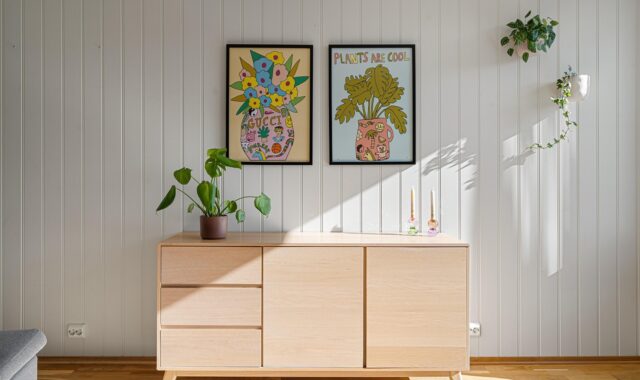
For storage, closed cabinets often work better than open shelving if the goal is calm. A low timber sideboard can hide electronics, tableware, or daily clutter while adding horizontal structure to the room. If open shelves are used, they need discipline: books, ceramics, plants, and a few useful objects rather than constant decorative filler.
Dining area
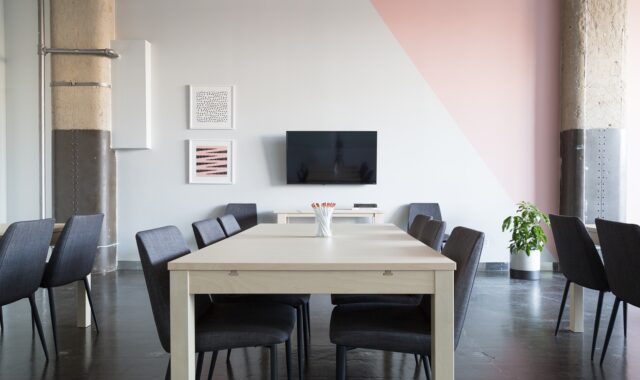
Dining furniture is where Nordic design principles become very visible. Chairs must be comfortable enough for long meals, light enough to move easily, and durable enough for repeated use. Look for curved backs, stable legs, and finishes that can handle cleaning. If the room is small, chairs with open backs or slim profiles can help preserve lightness.
A timber dining table should match the way the household lives. A pristine pale surface may look beautiful in a photograph, but families, rental homes, and hospitality spaces may need harder-wearing finishes or surfaces that accept visible wear as part of their character. In Nordic design, longevity matters more than keeping an object permanently new.
Bedroom
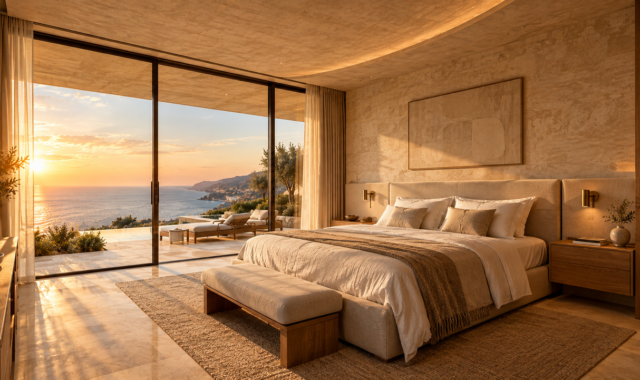
In bedrooms, the Nordic approach favors calm surfaces, useful storage, and tactile softness. A bed frame with a simple profile, bedside tables with drawers, and a wardrobe with quiet hardware can make the room feel ordered without overdesigning it. Textiles do much of the work: wool throws, linen bedding, cotton rugs, and soft curtains make restrained furniture feel livable.
Avoid matching every piece too closely. A room with the same wood tone on the bed, nightstands, wardrobe, bench, and floor can feel flat. A better approach is to keep the forms simple while varying tone and texture slightly. See also: Building Materials.
Small spaces
Nordic design furniture is especially effective in small spaces because it tends to reduce visual weight. Choose raised storage, nesting tables, benches with storage, slim desks, and dining chairs that tuck fully under the table. Wall-mounted shelving and compact sideboards can also help preserve floor area.
Small rooms do not need tiny furniture in every case. One well-proportioned sofa may be better than several undersized pieces. The key is clear circulation and fewer visual interruptions.
Materials and finishes that support the Nordic look
Nordic interiors rely on material harmony more than decorative layering. Wood, stone, ceramic, wool, leather, glass, metal, and plaster can all work, but the palette should feel edited. In furniture, the most successful combinations often include timber with woven seats, timber with wool upholstery, powder-coated metal with wood, and pale surfaces with darker accent details.
- Wood: Use visible grain where possible, and avoid finishes that make timber look artificial or overly glossy.
- Textiles: Choose texture over loud pattern. Bouclé, wool, linen, and cotton blends can add depth without visual noise.
- Leather: Works best when it can develop patina. Overly shiny or heavily corrected leather may feel less natural in this context.
- Metal: Black, brushed steel, muted brass, and soft powder-coated finishes can provide contrast when used sparingly.
- Color: Neutrals are common, but Nordic interiors can include ochre, forest green, muted blue, rust, burgundy, and charcoal when balanced with natural materials.
The most common mistake is assuming that Nordic means only white, beige, and pale oak. Historic and contemporary Nordic interiors often use stronger colors, but they tend to be controlled, earthy, or connected to textiles and art rather than applied as random accents.
Sustainability is about more than a natural appearance
Because Nordic furniture often uses wood, wool, and restrained forms, it is easy to assume that it is automatically sustainable. That is not always true. A natural-looking product can still involve poor sourcing, weak construction, difficult repair, or short product life. A more reliable sustainability lens looks at durability, repairability, material origin, indoor emissions, spare parts, and end-of-life options.
The European Commission has stated in its circular economy work that a large share of a product’s environmental impact is influenced at the design phase. The Ellen MacArthur Foundation also frames circular economy principles as design-driven: reduce waste and pollution, keep products and materials in use, and support regeneration. Applied to furniture, that means strong joints, replaceable parts, removable covers, repairable finishes, and components that can be separated rather than glued into a permanent mixed-material block.
Nordic Swan Ecolabel criteria for furniture and fitments show how environmental labels can consider requirements beyond appearance, including material restrictions and aspects connected to durability, repair, reuse, and recycling. Not every good furniture piece carries an ecolabel, and not every buyer can access certified products. Still, these criteria are useful because they show what questions to ask before buying.
- Can the upholstery be cleaned, replaced, or repaired?
- Are spare parts available for legs, glides, hinges, or handles?
- Is the timber source documented?
- Can the finish be renewed instead of replaced?
- Will the design still be useful if the room layout changes?
In editorial terms, this is where Nordic design furniture offers a real advantage: its best examples are not designed around short-lived visual novelty. They are designed to remain useful. Buyers still need to evaluate construction and sourcing rather than relying on style labels alone.
Common mistakes when styling Nordic furniture
The first mistake is making the room too empty. Nordic design values restraint, but a home still needs personality, storage, art, books, textiles, and signs of use. Without those layers, the furniture can look like a showroom display rather than a lived interior.
The second mistake is using too many lookalike pieces. A room filled with pale tapered legs, rounded beige upholstery, and identical wood tones may be calm, but it may also lack depth. Contrast can be quiet: a darker chair frame, a textured rug, a stone tabletop, or a vintage cabinet can make the space more convincing.
The third mistake is ignoring scale. Many Nordic-inspired pieces have slim profiles, but slim furniture can still be too large or too small for a room. Measure seat height, table height, walking clearance, and the relationship between sofa depth and coffee table position before buying.
The fourth mistake is treating the style as a shopping list. Nordic design is not achieved by adding a wishbone-style chair, a sheepskin, and a pale wood table to any room. It works when architecture, materials, light, furniture, and daily routines are considered together.
Frequently asked questions
Is Nordic design furniture the same as Scandinavian furniture?
They overlap, especially in everyday interior design language, but Nordic is often the broader term because it can include the wider Nordic region. Scandinavian usually refers more narrowly to Denmark, Norway, and Sweden, although many design articles and retailers use it broadly.
What colors work best with Nordic furniture?
Soft whites, warm greys, sand, clay, taupe, muted greens, deep blues, charcoal, and natural wood tones all work well. The key is balance. A Nordic room does not need to be all white; it needs visual clarity and material warmth.
Is Nordic furniture suitable for family homes?
Yes, if the pieces are chosen for durability and maintenance. Rounded edges, stable chairs, washable fabrics, repairable finishes, and practical storage are more important than achieving a perfect minimalist image.
How can I make a Nordic-style room feel warmer?
Add texture before adding clutter. Wool rugs, linen curtains, timber surfaces, layered lighting, books, ceramics, plants, and art can soften a room while keeping the overall composition calm.
What should buyers check before purchasing Nordic-inspired furniture?
Check the construction, material source, finish quality, comfort, warranty, repair options, and whether the piece will still work if you move or change the room layout. A convincing Nordic-style piece should offer practical longevity, not just a light wood finish.