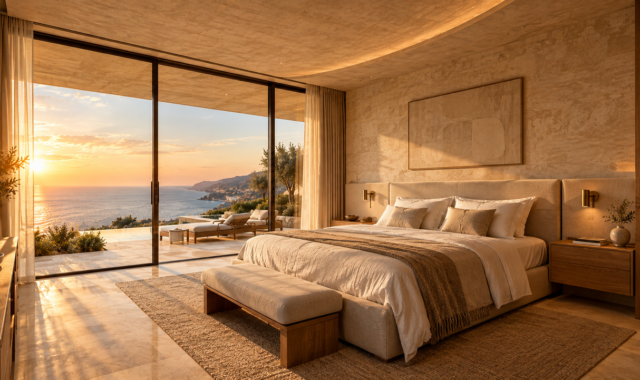
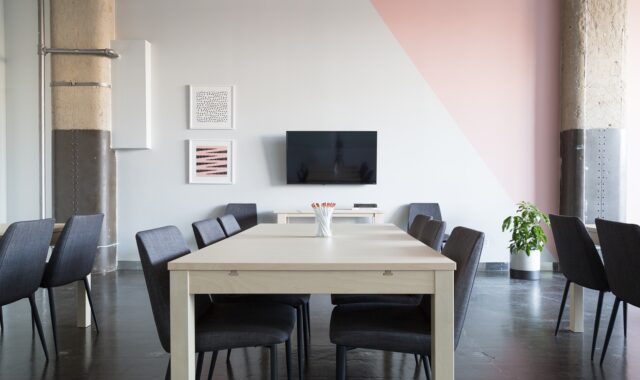
Simple furniture design principles for practical modern homes
a[data-rs-seo-link]{text-decoration:underline!important;color:#1a56db!important;cursor:pointer!important;}a[data-rs-seo-link]{text-decoration:underline!important;color:#1a56db!important;cursor:pointer!important;}
Why simple furniture design matters now
Simple furniture design reduces visual noise while improving daily function. It favors clear shapes, usable proportions, durable materials, and details that make a room easier to live in. For homeowners, renters, and designers, the goal is not to make every room look minimal. It is to choose furniture that works hard without crowding the space. A table at the right height, a sofa with clean arms, a storage bench that hides clutter, and a modular shelf that can move with the household all fit this approach.
The need is practical. Many homes now support work, rest, storage, dining, hobbies, and family routines in the same rooms. Good simple furniture design helps each piece earn its place. It also makes purchasing decisions clearer by shifting attention from decorative novelty to proportion, material, safety, repairability, and long-term adaptability.
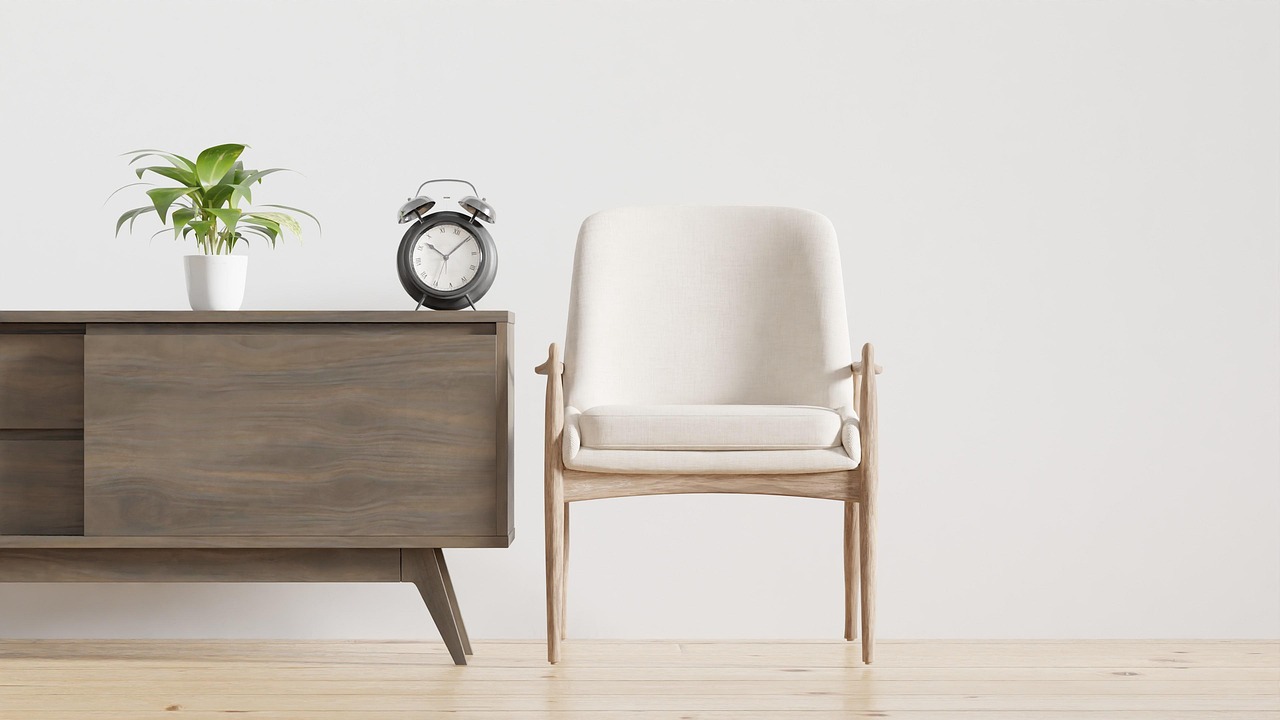
For readers comparing broader design directions, the Furniture Design section offers additional context on how furniture choices shape interior comfort and usability.
What simple furniture design really means
Simple furniture is sometimes confused with cheap, sparse, or purely Scandinavian styling. In practice, simplicity is a design method rather than a single look. A rustic oak table, a compact upholstered chair, a metal-framed desk, and a built-in storage unit can all be simple if the form is clear and the function is direct.
The strongest simple designs usually share four qualities:
- Purpose is obvious. The user can understand what the piece does without hidden mechanisms or excessive parts.
- Proportion is calm. The furniture fits the room and the body, not just a product photo.
- Details are useful. Edges, pulls, legs, shelves, and seams support comfort, cleaning, movement, or maintenance.
- The piece can last. Materials, joinery, and finishes are selected for repeated use, not only for first impressions.
In other words, simple furniture design is less about removing everything and more about removing what does not help. A chair still needs comfort. A cabinet still needs stable storage. A desk still needs enough depth for real work. The test is whether each detail improves daily use or merely adds distraction.
Start with space, circulation and scale
A simple room begins before a purchase. The first question is not which furniture style looks attractive, but how people move through the space. Oversized pieces make even clean-lined interiors feel crowded. Undersized pieces can look temporary and may not support daily routines.
Measure the room, doors, staircases, and elevator access before choosing large furniture. Then map the main paths: entry to sofa, kitchen to dining table, bed to closet, desk to storage. Leave comfortable movement zones where people turn, open drawers, or carry objects. These clearances are not only about appearance; they reduce everyday friction.
Use fewer pieces with clearer jobs
A common mistake is solving every small need with another small item. A side table, basket, narrow cabinet, stool, and tray may each seem useful, but together they can create clutter. A better simple design strategy is to combine compatible functions. A storage ottoman can replace a coffee table in a compact living room. A dining bench can provide seating while reducing visual weight. A wall-mounted shelf can keep the floor area open.
Match visual weight to the room
Visual weight comes from size, color, material thickness, and how close a piece sits to the floor. A dark block-like sofa feels heavier than a sofa on exposed legs, even when the dimensions are similar. Simple furniture design often uses raised legs, slimmer arms, flat fronts, and quiet hardware to make rooms feel more open without sacrificing function.
Choose materials and construction with long-term use in mind
Simplicity should not be an excuse for weak construction. Plain forms can reveal poor materials quickly because there is less ornament to hide defects. For wood furniture, check whether the product uses solid wood, veneer over plywood, medium-density fiberboard, or particleboard. Each can be appropriate depending on budget and application, but the expected use should match the material.
The U.S. Environmental Protection Agency requires many composite wood products sold, supplied, manufactured, or imported in the United States to comply with TSCA Title VI formaldehyde emission standards. This matters because common furniture materials such as hardwood plywood, medium-density fiberboard, and particleboard may fall under the rule when used in finished goods. For consumers, the practical takeaway is to look for clear compliance labeling when buying composite-wood furniture.
Simple furniture also benefits from construction that can be repaired. Screwed or bolted parts are often easier to tighten or replace than permanently glued decorative components. Removable cushion covers, replaceable glides, standard fasteners, and accessible hinges can extend the useful life of a piece.
| Design choice | Why it supports simplicity | What to check before buying |
|---|---|---|
| Plain cabinet fronts | Reduce visual clutter and are easier to clean | Door alignment, hinge quality and handle comfort |
| Exposed-leg seating | Makes small rooms feel lighter | Frame stability and floor protection |
| Modular shelving | Adapts to changing storage needs | Load limits, wall anchoring options and shelf thickness |
| Neutral durable fabric | Works with more color schemes over time | Abrasion rating, cleaning method and cushion support |
| Knock-down construction | Helps with moving, repair and part replacement | Connector strength and availability of spare hardware |
Design for safety, not just appearance
Simple furniture should feel stable and predictable. This is especially important for storage units, children’s rooms, and multipurpose family spaces. The U.S. Consumer Product Safety Commission adopted a mandatory safety standard for clothing storage units under the STURDY law, with an effective date of September 1, 2023. The rule addresses tip-over risks and includes stability tests that consider carpeting, loaded drawers, multiple open drawers, and the simulated weight of children interacting with a unit.
This does not mean every furniture item is covered by the same rule, and it does not replace careful installation. It does show why stability should be part of design evaluation. Dressers, wardrobes, bookcases, and tall cabinets should be selected with a low center of gravity where possible and anchored according to manufacturer instructions when appropriate.
Small details that improve everyday safety
- Rounded or softened edges in tight circulation areas reduce bumps and bruises.
- Anti-tip hardware should be treated as a normal part of installation, not an optional extra.
- Drawers should move smoothly without requiring excessive force.
- Open shelves should not encourage heavy storage above shoulder height.
- Glass, stone, and metal components need secure supports and appropriate edge finishing.
Safety can be visually quiet. A stable base, good hardware, and sensible proportions often make furniture look calmer as well as perform better. See also: Building Materials.
Make storage simple instead of hidden chaos
Storage is where simple furniture design often succeeds or fails. A room can look minimal for a few minutes after cleaning, but if the furniture does not support daily storage, clutter returns quickly. The better question is not how to hide everything, but which items need visible access and which should be stored behind doors or inside drawers.
Use open shelving for objects that are attractive, frequently used, or easy to keep orderly. Use closed storage for cables, paperwork, toys, tools, cleaning supplies, and seasonal items. A balanced storage plan prevents open shelves from becoming visual noise while avoiding a room full of blank boxes.
Design storage around behavior
Furniture should match real habits. If keys, mail, and bags collect near the entry, a slim console with a drawer and a lower shelf may work better than a decorative table. If living room blankets and game controllers scatter daily, a low cabinet or lift-top table may solve the problem more neatly than baskets placed around the room.
Simple storage also uses consistent categories. One shelf for daily shoes, one drawer for charging cables, one cabinet section for board games, and one tray for remote controls will outperform a large undefined cabinet. The furniture is only half the solution; the internal logic matters.
Sustainability is built into longevity
Simple furniture design has a sustainability advantage when it reduces replacement. The EPA’s 2018 municipal solid waste data estimated that furniture and furnishings generated 12.1 million tons of waste in the United States, with the majority landfilled. Because the data counts products at end of life, after primary use and reuse by secondary owners, it highlights the value of furniture that remains useful for longer.
European Commission Joint Research Centre work on green public procurement for furniture has also emphasized design for disassembly and repair, spare part availability, and warranties as circularity-related criteria. These ideas translate well to home furniture: choose pieces that can be cleaned, repaired, moved, reconfigured, and matched with future interiors.
Material sourcing also matters. Wood furniture can be evaluated by species, finish, origin, and certification claims. When certification is used, it should be specific and verifiable, not a vague green label. The most useful sustainability claims explain what is certified, by whom, and for which part of the product.
A practical checklist for simple furniture design
Before buying or specifying furniture, use a short checklist. It keeps the decision grounded in function rather than trend pressure.
- Define the main job. If a piece must support dining, working, and homework, size it for the most demanding task.
- Measure the space twice. Include door swings, drawer pull-out depth, walking paths, and delivery access.
- Limit decorative conflict. Let one or two materials lead the room instead of mixing every trend at once.
- Check comfort in real use. Seat depth, table height, arm height, and back support matter more than photos.
- Look underneath and inside. Frames, joints, hinges, slides, and fasteners reveal more than surface styling.
- Plan maintenance. Choose finishes and fabrics that match the household’s cleaning habits.
- Think about the next room. A simple piece should be able to move from a living room to an office, guest room, or apartment if needs change.
The best simple furniture does not call attention to its cleverness. It quietly supports everyday life, leaves enough space to move, and stays visually flexible as colors, textiles, and routines change.
Frequently asked questions
Is simple furniture design the same as minimalist furniture?
No. Minimalist furniture is usually associated with very reduced forms and sparse interiors. Simple furniture design is broader. It can be warm, traditional, industrial, or contemporary as long as the form is clear, useful, and not overloaded with unnecessary details.
What colors work best with simple furniture?
Neutral colors are common because they adapt easily, but simple design does not require a beige room. Wood tones, black, white, soft gray, muted green, terracotta, and navy can all work if the palette is controlled and repeated thoughtfully.
How can small rooms use simple furniture design?
Small rooms benefit from furniture with exposed legs, compact arms, vertical storage, and multipurpose functions. Avoid filling every wall. Leaving some open floor and wall space often makes the room feel more useful, not less furnished.
What is the biggest mistake to avoid?
The biggest mistake is choosing furniture only because it looks clean in a product image. A simple piece still needs the right dimensions, comfort, stability, material quality, and storage function for the room where it will actually be used.