HDPE patio furniture buying guide for durable, low-maintenance outdoor seating
a[data-rs-seo-link]{text-decoration:underline!important;color:#1a56db!important;cursor:pointer!important;}a[data-rs-seo-link]{text-decoration:underline!important;color:#1a56db!important;cursor:pointer!important;}
What HDPE patio furniture is and why buyers consider it
HDPE patio furniture is outdoor furniture made from high-density polyethylene, a plastic commonly formed into solid boards known as poly lumber or plastic lumber. For patios, decks, pool areas, and coastal homes, the main appeal is straightforward: HDPE resists moisture, does not need paint or stain, and can usually be cleaned with mild soap and water. That does not mean every HDPE chair or table is built to the same standard. A sound buying decision still depends on board thickness, fasteners, UV stabilization, comfort, weight, warranty terms, and whether environmental claims are specific enough to verify.
This guide focuses on practical selection rather than brand ranking. For more home improvement decision guides, visit the Buying Guides section.
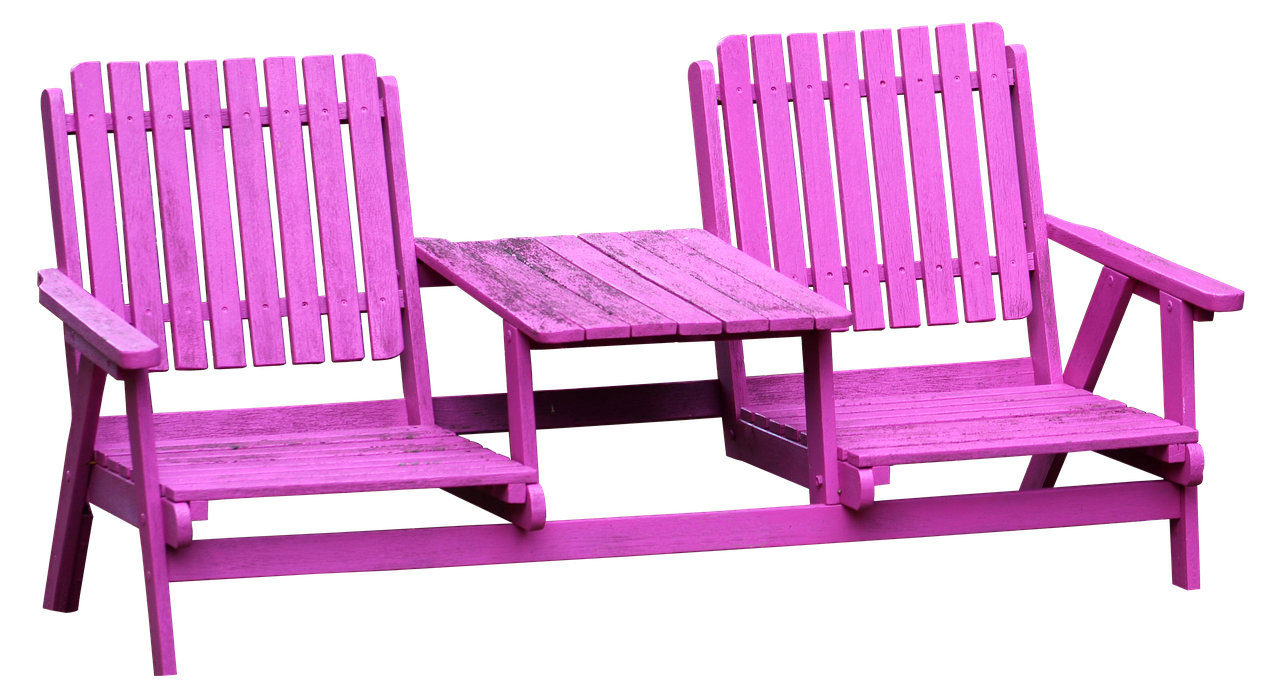
HDPE stands for high-density polyethylene. The U.S. Environmental Protection Agency describes HDPE, also known as resin code #2, as a stiff and strong plastic with chemical resistance. EPA materials also note that recycled HDPE can be used in plastic lumber and other durable goods. In patio furniture, manufacturers typically convert HDPE into dense boards, then cut, route, and fasten those boards into Adirondack chairs, dining sets, benches, chaise lounges, side tables, and deep seating frames.
The important distinction is that HDPE furniture is usually not a thin molded plastic chair. It is typically heavier, thicker, and assembled from board-like profiles. That gives it a more substantial feel, but it also means the hardware, joinery, and ergonomics matter as much as the plastic itself.
HDPE vs other outdoor furniture materials
HDPE is often promoted as a low-maintenance alternative to wood, metal, and woven patio furniture. The comparison is useful, but only when it is specific. A well-built teak chair, powder-coated aluminum set, or high-quality all-weather wicker sofa can also perform well outdoors. The better question is which trade-off fits your climate, budget, and maintenance habits.
| Material | Strengths | Limitations | Best fit |
|---|---|---|---|
| HDPE poly lumber | Moisture resistant, low maintenance, no staining, substantial weight | Can be heavy, may cost more upfront, quality varies by formulation and hardware | Busy households, pool areas, humid climates, coastal-style seating |
| Teak and other outdoor woods | Natural appearance, repairable, premium feel | Needs periodic cleaning; color changes as it weathers; some woods need oil or sealing if a specific look is desired | Buyers who prefer natural materials and accept maintenance |
| Powder-coated aluminum | Lightweight, rust resistant, easy to move | Can blow around in exposed locations; coating damage may expose metal | Dining sets, balconies, users who move furniture often |
| Steel or wrought iron | Heavy, stable, traditional styles | Can rust if coating fails; may need touch-up maintenance | Windy patios where weight is useful |
| All-weather wicker | Comfortable lounge look, broad style range | Quality depends on resin weave and frame; crevices collect dirt | Covered patios and cushioned lounge areas |
| Wood-plastic composite | Wood-like appearance, uses mixed materials | Wood fiber can influence moisture and fungal performance if formulation is weak | Decking-style looks where material specifications are clear |
A useful technical difference is that HDPE poly lumber is usually a plastic material, while wood-plastic composite contains plastic plus wood flour or other cellulose material. U.S. Forest Service research on wood-plastic composite lumber has discussed issues such as moisture, mold, and polymer degradation in some outdoor exposures. That does not mean all composites fail. It does mean buyers should not assume every plastic-looking material behaves the same way outdoors.
What to check before buying HDPE patio furniture
The word HDPE on a product page is a starting point, not a complete specification. Use the following checks to separate durable furniture from products that simply borrow the language of durable materials.
Board thickness and structural design
Look for substantial boards at stress points such as arms, legs, seat rails, and table supports. Thin profiles can flex, especially on wide dining chairs, chaise lounges, and benches. For chairs, check whether the seat support uses multiple cross members and whether the rear legs are braced. For tables, look closely at the span between legs and the support under the tabletop.
ASTM International maintains performance requirements for adult and children plastic chairs for outdoor use under ASTM F1838. The standard addresses performance aspects such as outdoor weathering, impact, static load, and rear leg testing, and it allows recycled plastics as long as performance requirements are met. A consumer product does not have to display this standard to be usable, but the standard is a useful reminder that strength depends on tested performance, not just the material name.
Hardware and fasteners
Fasteners are often the weak link in outdoor furniture. Stainless steel hardware is usually preferable in wet, poolside, or coastal settings because ordinary steel can corrode when coatings wear or salt is present. Check whether screws are exposed, whether bolts can be tightened after seasons of use, and whether replacement hardware is available.
UV stabilization and color quality
HDPE can be made in many colors, but outdoor performance depends on the formulation. Quality poly lumber generally uses pigments and stabilizers mixed into the material before boards are formed. That is different from a surface coating that can peel. Even so, dark colors can absorb more heat in direct sun, and all outdoor materials can show some surface aging over time. If the patio receives intense afternoon sun, ask whether the product includes UV stabilizers and review the warranty language for fading.
Comfort and ergonomics
HDPE is hard and supportive, not springy. Adirondack chairs, dining chairs, and benches should be judged by seat angle, back shape, arm height, and edge finishing. Rounded edges and contoured seats matter because plastic lumber will not naturally soften in the same way as wood worn smooth by use. If cushions are included, confirm that the cushion fabric, fill, and covers are also suitable for outdoor exposure.
Weight and storage
The same weight that makes HDPE feel stable can make it harder to rearrange. A heavy chair may be welcome on a windy patio but frustrating on an upper-floor balcony or during seasonal storage. Folding designs can help, but hinges introduce another hardware point to inspect.
Maintenance expectations and common mistakes
HDPE patio furniture is popular because maintenance is simple. In most household settings, routine care means rinsing off dust, wiping spills, and washing with mild soap and water. A soft brush can help remove grime from textured surfaces and board gaps. Avoid abrasive pads that can dull the surface, and be cautious with harsh chemicals unless the manufacturer specifically allows them.
Because HDPE does not absorb water like unfinished wood, it does not need staining, painting, or sealing for basic moisture protection. That is one reason it works well around pools and in rainy climates. However, low maintenance is not the same as no maintenance. Pollen, sunscreen residue, food spills, mildew on surface dirt, and mineral deposits from sprinklers can still make furniture look neglected if it is never cleaned.
- Rinse furniture after heavy pollen, storms, or salt spray.
- Use mild dish soap and warm water for routine cleaning.
- Clean between boards where leaves and food crumbs collect.
- Check bolts and screws at the start of each outdoor season.
- Use breathable covers if storing outside, especially in areas with falling leaves or heavy soot.
- Avoid placing very hot pans or grills directly on tabletops unless the manufacturer says the surface can handle it.
For winter climates, HDPE itself is usually tolerant of moisture, but furniture still benefits from being cleaned before storage. If pieces are stackable or foldable, do not force them together in a way that stresses arms, hinges, or legs. On decks, lift rather than drag heavy pieces to avoid scratching the walking surface.
How to evaluate sustainability and recycling claims
Many HDPE patio furniture products are marketed as recycled, recyclable, sustainable, eco-friendly, or made from milk jugs. Some claims are meaningful; others are too vague to guide a purchase. The practical approach is to look for specific, qualified claims. See also: Building Materials.
The Federal Trade Commission Green Guides say recycled content claims should apply to materials recovered or diverted from the waste stream, and claims about partial recycled content should be qualified with a percentage. FTC guidance also says recyclable claims should be qualified when appropriate recycling facilities are not available to at least 60 percent of consumers or communities where the product is sold.
For buyers, this means “made with recycled plastic” is less informative than a statement such as “made with 90 percent post-consumer recycled HDPE” if the seller can support it. Likewise, “recyclable” does not necessarily mean your local curbside program will accept a full patio chair. Large assembled furniture, mixed hardware, colorants, and local recycling rules can affect end-of-life options.
Good questions to ask include:
- What percentage of the furniture is post-consumer or post-industrial recycled content?
- Is the HDPE primarily recycled, virgin, or a blend?
- Are metal fasteners removable for repair or end-of-life separation?
- Does the manufacturer or retailer offer a take-back or replacement-part program?
- Are environmental claims limited to the material, or do they imply broader benefits without evidence?
The most defensible sustainability argument for HDPE furniture is not that plastic is automatically green. It is that durable goods made from recovered plastic may reduce replacement frequency and create demand for recycled resin when the product is well designed, repairable, and used for many seasons.
When HDPE is a good choice and when it may not be
HDPE patio furniture is a strong choice when the buyer values low maintenance, moisture resistance, and stable weight. It is especially practical for poolside seating, uncovered patios, rental homes where frequent refinishing is unrealistic, and households that want furniture to stay outdoors through changing weather.
It may be less suitable when a buyer wants a very lightweight set, a fine natural wood grain, thin modern silhouettes, or a low initial price. HDPE boards are often thicker than metal frames, so the design language tends to be casual, coastal, farmhouse, or park-bench inspired. Modern designs exist, but they can be more expensive because they require careful proportions and concealed reinforcement.
Budget also deserves a realistic view. HDPE often costs more than basic molded plastic or entry-level steel furniture. The value case improves when you compare it with furniture that would otherwise need painting, staining, rust repair, or frequent replacement. If you enjoy refinishing wood or changing styles often, the long-service argument may matter less.
Buying checklist for HDPE patio furniture
Before purchasing, compare products using a checklist instead of relying only on photos. Product images can hide scale, board thickness, fastener quality, and comfort.
- Confirm the material. Look for high-density polyethylene, HDPE, or poly lumber, and clarify whether it is solid HDPE or a composite blend.
- Check dimensions. Compare seat height, seat depth, arm height, and table clearance with furniture you already find comfortable.
- Review weight. Make sure pieces are heavy enough for the location but not too heavy to move when needed.
- Inspect hardware details. Prefer corrosion-resistant fasteners, especially near pools or the coast.
- Read fading and structural warranty terms separately. A long structural warranty may not cover cosmetic fading in the same way.
- Look for replacement parts. Slats, hardware, glides, and cushions should be replaceable if the furniture is intended for long use.
- Evaluate assembly requirements. Heavy poly lumber furniture may need two people for safe assembly.
- Ask about recycled content carefully. Specific percentages and clear wording are more useful than broad green language.
- Consider heat and color. Dark colors can become hotter in direct sun, while lighter colors may show grime sooner.
- Match style to the setting. HDPE works best when its thicker profiles look intentional, not like a substitute for a thinner material.
Frequently asked questions
Is HDPE patio furniture better than wood?
It depends on what you value. HDPE is usually easier to maintain because it does not need staining or sealing and resists moisture well. Wood offers a natural look and can be refinished, but it generally requires more care if you want to preserve a specific appearance.
Does HDPE patio furniture fade?
Quality HDPE furniture is commonly made with pigments and UV stabilizers, but no outdoor material is completely immune to sunlight. Check the product warranty for color coverage, and expect darker colors to show heat buildup more than lighter colors.
Can HDPE furniture stay outside all year?
In many climates, yes, but year-round exposure still leaves dirt, pollen, salt, and debris on the surface. Cleaning before winter or long storage periods helps preserve appearance and keeps hardware easier to inspect.
Is HDPE the same as Polywood?
Not exactly. HDPE is the material category. Polywood is a well-known brand name associated with HDPE lumber furniture. Other manufacturers also make patio furniture from HDPE or similar poly lumber materials.
Is recycled HDPE patio furniture recyclable at the end of life?
Sometimes, but not always through local curbside recycling. End-of-life options depend on local facilities, the size of the item, hardware, colorants, and whether the maker or retailer offers a take-back program. Treat recyclable claims as something to verify, not assume.
Bottom line
HDPE patio furniture is worth considering if you want outdoor seating that handles moisture, avoids routine staining, and feels substantial enough for daily use. The material alone does not guarantee quality, so focus on construction, hardware, UV stabilization, comfort, warranty terms, and clear environmental claims. A well-built HDPE set can be a practical long-term choice, but the smartest purchase is the one that fits your climate, maintenance habits, and design expectations.