Soft finishes interior design for comfort, acoustics, and everyday use

a[data-rs-seo-link]{text-decoration:underline!important;color:#1a56db!important;cursor:pointer!important;}a[data-rs-seo-link]{text-decoration:underline!important;color:#1a56db!important;cursor:pointer!important;}
What soft finishes mean in interior design
Soft finishes interior design refers to the fabric-based, flexible, and tactile layers added once the main architectural shell is in place. These finishes include curtains, rugs, upholstery, cushions, throws, bedding, fabric wall panels, textile wallcoverings, and some acoustic treatments. Unlike stone, tile, timber flooring, plaster, or built-in millwork, many soft finishes can be replaced, cleaned, re-covered, or updated with less disruption. Their role is not only decorative. They affect comfort, glare control, sound absorption, perceived warmth, color balance, maintenance, and, in some cases, indoor air considerations.
For homeowners, designers, builders, and fit-out teams, soft finishes are often the point where a space becomes genuinely usable, not just complete. A room with refined hard finishes can still feel loud, cold, or unfinished without textiles. A modest room can feel considered and comfortable when window treatments, upholstery, rugs, and accessories are planned as part of the design rather than added at the end.
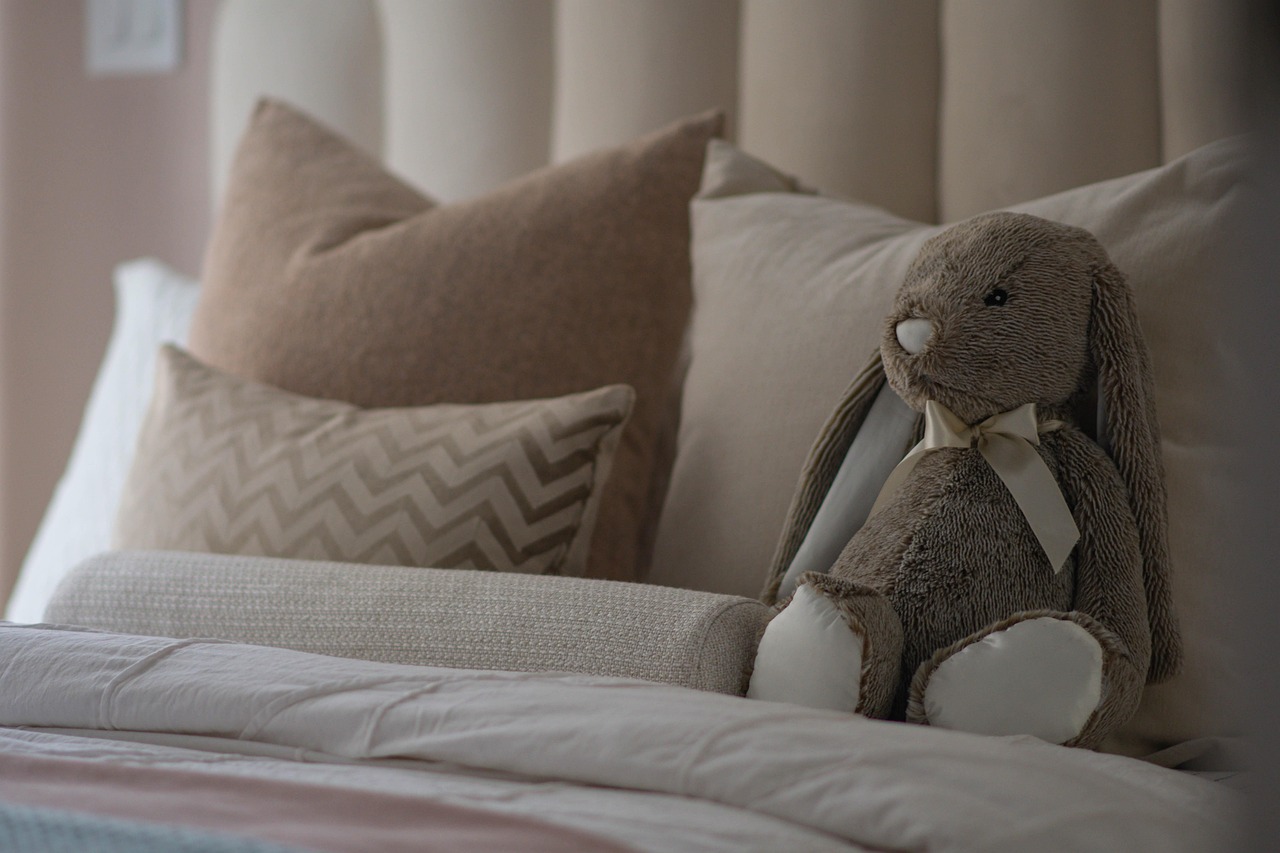
Soft finishes sit within the wider field of interior finishes, but they need a different specification process. Hard finishes are usually assessed for structure, wear, water resistance, installation cost, and sequencing. Soft finishes also require close attention to touch, drape, cleanability, fading, seam placement, acoustic behavior, and how people physically use the surface every day.
Soft finishes vs hard finishes
The simplest distinction is that hard finishes form the durable background of a room, while soft finishes add comfort, visual layering, and adaptability. Flooring, wall tile, countertops, architectural paint, timber panels, and stone surfaces are typically fixed in place and expensive to change. Curtains, loose rugs, cushions, removable upholstery covers, bedding, and decorative textiles are easier to update, although some items, such as fitted carpet or upholstered wall panels, may be semi-permanent.
This difference affects budgeting and scheduling. Hard finishes usually consume more of the construction budget and must be resolved early because they affect trades, substrate preparation, and installation sequence. Soft finishes can sometimes be selected later, but treating them as an afterthought often leads to poor proportions, awkward curtain stack-backs, rugs that are too small, fabrics that cannot withstand use, or colors that conflict with fixed surfaces.
A practical sequence is to resolve the hard-finish envelope first, then specify soft finishes that address the room’s remaining needs. If a room has stone floors, glass doors, and painted plaster walls, textiles can reduce reverberation and soften the visual edge. If the room already has strong timber grain, patterned tile, or colored cabinetry, the soft finishes may need to be quieter, plainer, and more textural rather than heavily patterned.
| Design layer | Typical examples | Main role | Changeability |
|---|---|---|---|
| Hard finishes | Tile, stone, timber, plaster, countertops, fixed panels | Durability, architecture, surface protection | Low to medium |
| Soft finishes | Curtains, rugs, upholstery, cushions, bedding, fabric panels | Comfort, acoustics, color, tactility, seasonal flexibility | Medium to high |
| Hybrid or semi-fixed finishes | Fitted carpet, upholstered wall systems, textile wallcoverings | Comfort, sound control, visual depth | Medium to low |
The main soft finish categories and what they change
Window treatments
Curtains, drapery, sheers, blinds with fabric components, and layered window treatments influence privacy, daylight, glare, thermal comfort, and softness. Full-length curtains can make a room feel taller and more finished, while sheers can reduce harsh daylight without blocking the view entirely. In bedrooms and media rooms, blackout lining or dim-out fabrics may be more important than decorative pattern.
Designers should check track position, fabric fullness, lining, stack-back space, and exposure to sunlight before ordering. A fabric that looks strong in a sample book may fade quickly on a west-facing window with intense afternoon sun. In humid rooms, heavy drapery may also require more careful ventilation and cleaning.
Rugs and carpets
Rugs define zones, reduce the visual coldness of hard floors, and help absorb sound. Size is often more important than pattern. In living rooms, a rug that connects the main seating pieces usually looks more intentional than a small rug floating in the center. In dining areas, the rug should allow chairs to move without catching at the edge. In bedrooms, rugs add underfoot comfort where people step out of bed.
Material choice changes performance. Wool is valued for resilience and natural texture, while synthetic fibers may offer stain resistance or lower cost depending on construction. Flatweaves can work better under furniture, while deep piles feel softer but may trap more dust and require more maintenance.
Upholstery
Upholstery is one of the most demanding soft finish categories because it combines appearance, touch, structure, abrasion resistance, and cleaning. Sofas, lounge chairs, dining chairs, banquettes, headboards, and upholstered benches all receive different levels of wear. A pale, loosely woven fabric may be suitable for a formal sitting room but unsuitable for a family room, café, or rental property.
Selection should account for rub performance, fiber content, backing, stain treatment, seam direction, cushion shape, and whether covers are fixed or removable. Leather, faux leather, velvet, linen blends, bouclé, chenille, and performance textiles all create different visual and tactile effects, but the right choice depends on use rather than trend alone.
Decorative textiles and bedding
Cushions, throws, bed runners, quilts, duvet covers, and decorative textile layers are the easiest way to adjust color and seasonality. Because they are close to the body, they should be chosen for touch and laundering as well as appearance. Bedding, in particular, must balance breathability, durability, care requirements, and the overall palette of the room.
These smaller elements also help connect other finishes. A cushion can repeat the tone of a rug; a throw can soften a leather sofa; a bed cover can bridge wall color and timber furniture. The risk is over-layering. Too many unrelated patterns or novelty textures can make a room feel busy rather than warm.
Fabric wallcoverings and acoustic textiles
Fabric wall panels, textile wallcoverings, stretched fabric systems, and upholstered panels can add depth while helping control sound reflections. They are especially useful in bedrooms, offices, hospitality interiors, meeting rooms, restaurants, and media spaces where hard surfaces can make conversation tiring. The International WELL Building Institute notes that furniture, flooring, and furnishings can be relevant to material health, acoustics, and biophilic design strategies; this is one reason soft finishes are increasingly discussed as performance elements rather than decoration alone. (wellcertified.com)
However, acoustic claims should be verified with product data, not assumed from appearance. A thick-looking fabric is not automatically an acoustic solution. The substrate, air gap, backing, installation method, and tested absorption values all matter.
How soft finishes affect comfort, sound, and visual balance
Soft finishes change how a room feels because they sit between the body and the building. People sit on upholstery, walk on rugs, draw curtains, lean against cushions, and sleep in bedding. These points of contact make textiles central to comfort. Even when the architecture is strong, the absence of soft layers can leave interiors feeling unfinished or physically harsh.
Acoustics are another major consideration. Hard surfaces reflect sound; soft, porous, and layered materials can help absorb or diffuse it. A room with glass walls, polished floors, and minimal furniture may photograph well but become noisy in daily use. Rugs, curtains, upholstered seating, and fabric panels can reduce the sharpness of reflected sound, although they should not be treated as a substitute for technical acoustic design in performance-critical spaces.
Visual balance is equally important. Soft finishes can calm a room or give it more energy. A neutral sofa with textured cushions creates depth without strong contrast. Patterned curtains can become a focal point. A dark rug can ground pale furniture. Repeating color across textiles can make mixed furniture feel intentional. The guiding principle is hierarchy: decide which soft finish should lead, then let the others support it. See also: Building Materials.
- For calm rooms: use a limited palette, varied textures, and low-contrast patterns.
- For expressive rooms: select one dominant pattern or color story, then repeat it in smaller accents.
- For small rooms: avoid too many high-contrast textile blocks that visually chop up the space.
- For open-plan rooms: use rugs, curtains, and upholstery to define zones without building walls.
Material health and maintenance should shape the specification
Soft finishes are frequently close to occupants, so material health and cleanability deserve attention. The U.S. Environmental Protection Agency describes indoor air quality as a set of air characteristics that can affect health, comfort, performance, and productivity, and it identifies building materials and furnishings among possible contributors to indoor air conditions. (epa.gov)
This does not mean every textile is a problem. It means designers and buyers should ask better questions. What is the fiber content? Does the product have a low-emitting certification or relevant test report? Are there stain-resistant treatments, flame-retardant chemistry, adhesives, backings, or composite components? How should the item be ventilated after installation? Can it be cleaned without harsh products? For commercial interiors, these questions often become part of a broader healthy-materials review.
The standards landscape is also moving toward interiors as a health-focused category. On October 14, 2026, the International WELL Building Institute announced WELL Interiors, a designation focused on how interior spaces are designed to support health and well-being, including the physical elements of a space such as furniture specifications and material health. (resources.wellcertified.com)
Maintenance is the other side of sustainability. A fabric that looks good for six months but stains permanently, pills quickly, or cannot be cleaned may be less responsible than a slightly more expensive textile that lasts longer. In family homes, hospitality spaces, workplaces, and rental interiors, maintenance planning should happen before purchase, not after damage occurs.
| Soft finish | Key performance questions | Common risk if ignored |
|---|---|---|
| Curtains | Is lining needed? Will sunlight cause fading? Can the fabric be cleaned? | Premature fading, poor privacy, difficult maintenance |
| Rugs | Is the size correct? Is the pile suitable for traffic and cleaning? | Trip edges, dust retention, visual imbalance |
| Upholstery | Is the fabric suited to abrasion, stains, and daily contact? | Wear marks, pilling, staining, uncomfortable seating |
| Bedding | Is it breathable, washable, and comfortable against skin? | Overheating, difficult laundering, poor sleep comfort |
| Fabric panels | Are acoustic and fire-performance claims documented? | Decorative panels that do not meet project requirements |
A practical selection framework for soft finishes
A strong soft-finish scheme begins with use, not with fabric samples. Before choosing colors and patterns, define how the room must perform. A quiet bedroom, a pet-friendly living room, a boutique hotel lobby, and a home office all call for different textile decisions.
- Map the users. Consider children, pets, older adults, guests, staff, and cleaning teams. Daily behavior is more important than idealized use.
- Identify the fixed finishes. Note floor color, wall finish, cabinetry, metal finishes, stone, tile, and natural light. Soft finishes should respond to these existing elements.
- Set the comfort goals. Decide whether the room needs warmth, quietness, softness, glare control, privacy, durability, or seasonal flexibility.
- Choose the dominant textile. This may be the rug, sofa, curtains, or headboard. Giving one element priority prevents visual competition.
- Check scale and proportion. Large rooms can usually handle larger patterns and heavier fabrics. Small rooms often benefit from quieter textiles and careful edge details.
- Review technical requirements. Confirm cleaning codes, flame standards where applicable, acoustic data if needed, emissions information, and warranty limitations.
- Plan replacement and care. Select items that can be cleaned, repaired, re-covered, or replaced without disrupting the whole room.
This framework is especially useful when trends are shifting. Industry sources such as the American Society of Interior Designers have highlighted wellness, sustainability, inclusivity, and personal expression as important design themes in recent trend reporting. Those themes can guide soft finish choices, but they do not replace project-specific judgment. (asid.org)
Common mistakes to avoid
The most common mistake is choosing soft finishes only by color. Color matters, but it is only one part of performance. A curtain fabric must hang well. A dining chair fabric must resist abrasion and staining. A bedroom rug should feel good underfoot. A cushion insert must support the cover rather than collapse inside it.
Another mistake is under-sizing. Rugs that are too small, curtains that stop awkwardly above the floor, and cushions that are too small for deep seating can make even expensive materials look unresolved. Proportion should be checked on the floor plan before ordering.
Over-matching is also a risk. Using the same fabric on curtains, cushions, and upholstery can make a room feel flat or dated unless handled with great care. A more flexible approach is to repeat tone, texture, or pattern scale rather than duplicating one textile everywhere.
Finally, avoid treating soft finishes as disposable styling props. Because textiles affect comfort, acoustics, cleaning, and indoor experience, they deserve the same level of specification discipline as harder surfaces. A well-chosen textile package can extend the life of a room by allowing small updates without replacing the architectural shell.
Frequently asked questions
What are examples of soft finishes in interior design?
Common examples include curtains, drapery, rugs, upholstery fabrics, cushions, throws, bedding, fabric wall panels, textile wallcoverings, and some acoustic textile systems. Items such as fitted carpet may be considered a soft or hybrid finish depending on how permanently they are installed.
Are soft finishes the same as soft furnishings?
The terms overlap, but they are not always identical. Soft furnishings often refers to movable household textiles such as cushions, throws, curtains, and bedding. Soft finishes is a broader design term that can also include upholstery, textile wall finishes, acoustic fabric panels, and semi-fixed fabric applications.
Why are soft finishes important in modern interiors?
They help interiors feel comfortable, quiet, layered, and adaptable. They also give designers a practical way to adjust color, pattern, privacy, daylight control, and seasonal mood without replacing the main architectural finishes.
How should I choose soft finishes for a high-traffic space?
Start with durability, cleaning, and maintenance. Look for upholstery and rugs suited to the expected level of use, avoid delicate pale fabrics where staining is likely, check care instructions, and confirm any technical requirements before ordering.
Can soft finishes improve acoustics?
They can help reduce harshness and sound reflection, especially when rugs, curtains, upholstered furniture, and fabric panels are used together. For offices, hospitality interiors, studios, or meeting rooms, acoustic claims should be supported by product data and, where necessary, specialist advice.