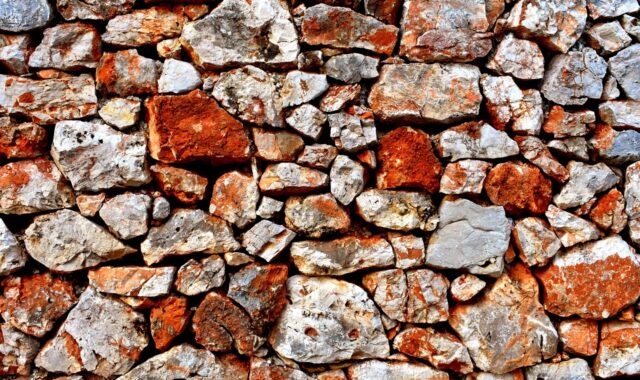
Modern home interior finishes that balance warmth, durability and indoor air quality
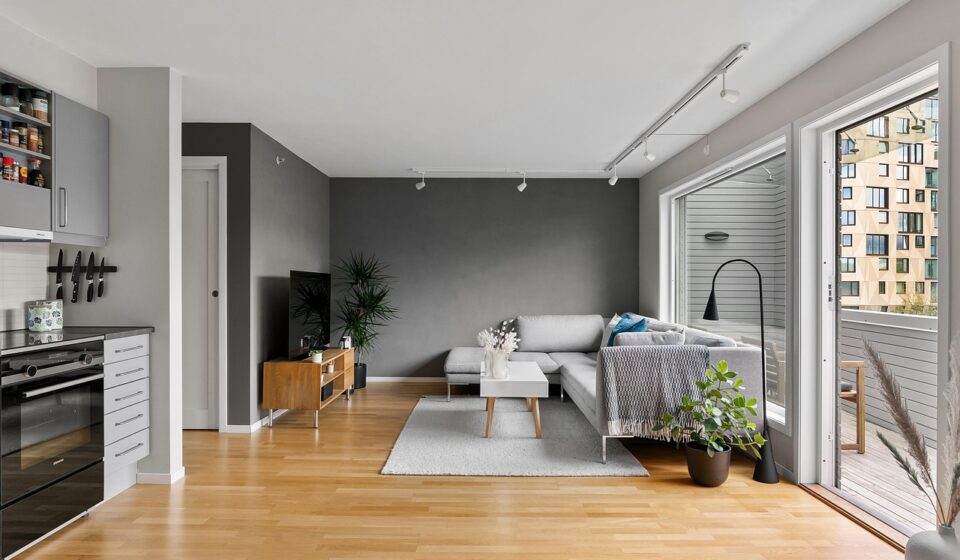
a[data-rs-seo-link]{text-decoration:underline!important;color:#1a56db!important;cursor:pointer!important;}a[data-rs-seo-link]{text-decoration:underline!important;color:#1a56db!important;cursor:pointer!important;}
Why modern finishes are moving beyond surface style
Modern home interior finishes are no longer selected only for color, shine or a clean magazine look. In residential interiors, the stronger direction is a practical mix of warmth, texture, durability, lower emissions and easier care. Wood tones, natural stone looks, matte surfaces, limewash-style walls and large-format tile all fit the current mood, but the better question is how each finish performs in real rooms. A surface that looks attractive on day one can become a problem if it scratches easily, traps moisture, emits unnecessary chemicals or requires maintenance the household will not keep up with.
Recent industry reporting from NKBA, Houzz and ASID points to warmer palettes, natural materials, wellness and layered textures as major themes for 2026 interiors, while EPA guidance continues to emphasize the importance of controlling indoor sources of VOCs and formaldehyde. (nkba.org) For homeowners, builders and specifiers, the takeaway is straightforward: a successful finish palette should look cohesive, feel comfortable and be selected with use, cleaning, ventilation and product documentation in mind.
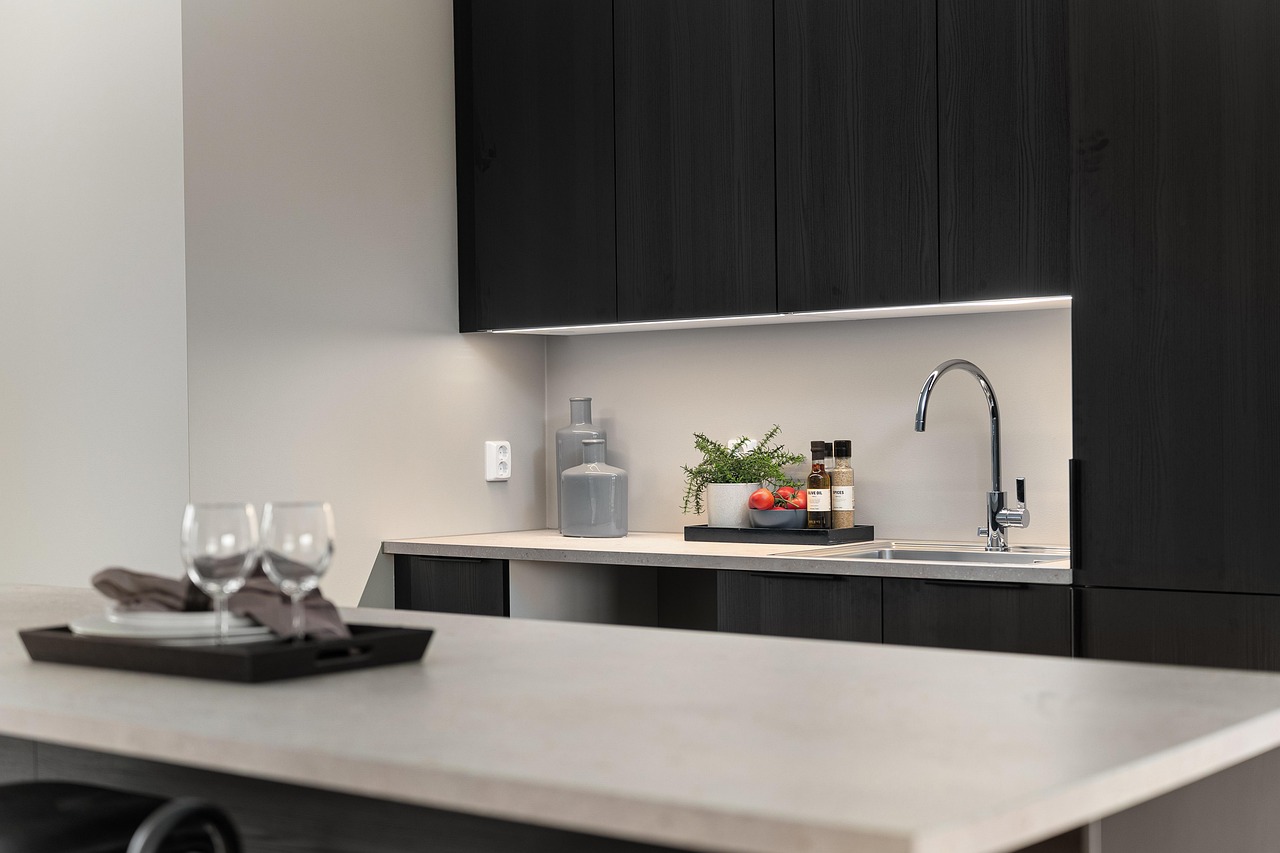
For more material-focused guides, visit the Interior Finishes section.
The finish palette setting the tone in modern homes
The visual shift is clear. Cool gray, glossy white and flat minimalism are giving way to softer neutrals, earth-based color, visible grain, textured walls and warmer metal accents. Houzz reported rising search interest in limewash interior paint, mushroom color, sage, taupe and cream in its 2026 U.S. Emerging Summer Trends Report, while its 2026 design coverage also highlights warm wood tones, textured finishes and natural materials. (blog.houzz.com)
This does not mean every modern interior needs to look rustic or traditional. The more useful approach is restrained layering. A modern room can keep simple forms and clean lines while adding depth through a honed stone surface, a brushed metal fixture, a lightly textured wall coating or a wood floor with a natural matte finish. The palette becomes richer without becoming visually busy.
- Walls: warm white, clay, taupe, sage, mushroom and mineral-inspired finishes.
- Floors: matte wood, engineered wood, porcelain tile, terrazzo-style surfaces and resilient flooring with credible emissions documentation.
- Cabinetry and millwork: walnut, oak, stained ash, painted wood and soft-touch laminates.
- Counters and backsplashes: porcelain slabs, natural stone, solid surface, stainless steel, sintered stone and lower-silica alternatives where available.
- Metals: brushed nickel, aged brass, bronze, blackened steel and lower-sheen stainless finishes.
Walls and ceilings need more than a paint color
Walls are the largest interior finish area in many homes, so they strongly influence both appearance and indoor air quality. Standard paint remains the most flexible option, but modern interiors increasingly use plaster-look coatings, limewash effects, wood slats, acoustic panels, wainscoting and large-format wall tile in selected areas.
Paint selection should start with room use. A flat, mineral-like finish can look refined in a bedroom or lounge, but it may not clean as easily in a hallway, mudroom or child’s room. Bathrooms and kitchens need finishes that can tolerate moisture, splashes and routine wiping. Sheen is part of the performance decision: matte hides surface irregularities, eggshell and satin are easier to clean, and semi-gloss is usually reserved for trim and high-wear details.
Indoor air considerations also matter. EPA guidance identifies paints, lacquers, adhesives, composite wood and other building products as potential indoor sources of volatile organic compounds, and it recommends source control and ventilation during activities such as painting. (epa.gov) For a modern specification, look for low-emitting product documentation rather than relying only on broad marketing language. Labels such as low-VOC are useful starting points, but product data sheets, third-party certifications and installation instructions give a clearer basis for comparison.
Flooring should match traffic, moisture and comfort
Flooring is where aesthetic decisions meet daily wear. A modern finish plan should divide the home into performance zones instead of forcing one material into every room. Entryways, kitchens, baths, laundry rooms and basements face different risks from bedrooms and living areas.
Porcelain tile remains one of the most practical finishes for wet or high-traffic areas. The Tile Council of North America explains that standards define porcelain tile as an impervious tile with water absorption of 0.5% or less, measured by the ASTM C373 test method. (tcnatile.com) That low water absorption helps explain why porcelain is widely used in bathrooms, kitchens, laundry rooms and indoor-outdoor transition areas. Large-format porcelain panels can also provide a modern stone-slab look with fewer grout lines, although installation quality and substrate preparation become more critical as tile size increases.
Wood and engineered wood remain strong choices where warmth and acoustic comfort matter. Engineered wood can be more dimensionally stable than solid wood in some conditions, but it is not a universal moisture solution. The National Wood Flooring Association provides installation and moisture guidance for wood flooring, and its materials reinforce the need to consider subfloor moisture, site conditions and manufacturer instructions before installation. (nwfa.org)
Resilient flooring, including luxury vinyl tile and rigid core products, continues to appear in modern homes because it can offer water resistance, comfort underfoot and realistic wood or stone visuals. The important distinction is documentation. FloorScore, for example, is a third-party certification program for flooring products tested against VOC emissions criteria based on California Section 01350 methods, with audits and annual retesting. (rfci.com) That does not make every certified product perfect for every project, but it gives buyers a more verifiable starting point than appearance alone.
| Room or zone | Finish priorities | Common modern options |
|---|---|---|
| Entry and mudroom | Abrasion resistance, water tolerance, easy cleaning | Porcelain tile, textured stone, terrazzo-look tile |
| Kitchen | Cleanability, stain resistance, slip awareness, comfort | Porcelain, engineered wood, resilient flooring |
| Bathroom | Moisture control, grout maintenance, slip resistance | Porcelain tile, waterproof wall panels, sealed plaster systems |
| Bedroom | Warmth, comfort, acoustics, low emissions | Wood, engineered wood, cork, certified resilient flooring |
| Living area | Visual continuity, repairability, acoustic comfort | Wood, engineered wood, large-format tile, area rugs |
Countertops and slabs require a safety-aware specification
Modern kitchens and baths often use thin profiles, waterfall edges, full-height backsplashes and large slabs. These choices can look clean and architectural, but the material selection should still account for fabrication risk, repairability, heat resistance, stain resistance and long-term maintenance.
Engineered quartz, natural stone, porcelain, sintered stone, stainless steel, solid surface and butcher block all serve different needs. Quartz has been popular for consistency and low routine maintenance, but silica exposure during fabrication has become a serious occupational safety issue. OSHA and NIOSH have identified respirable crystalline silica exposure as a health hazard for workers who manufacture, finish and install natural and engineered stone countertop products. (osha.gov) This is primarily a fabrication and installation worker-safety issue, not a reason to panic about an already installed intact countertop, but it should influence sourcing questions. See also: Building Materials.
A responsible homeowner or designer can ask fabricators about wet cutting, dust controls, respiratory protection, shop practices and compliance with applicable silica rules. In practice, this shifts the modern countertop conversation from color alone to supply-chain and installation quality. Lower-silica surfaces, porcelain slabs and alternative materials may receive more attention where specifiers want the stone look while reducing fabrication concerns.
Low-emitting materials are part of modern quality
Indoor air quality is now part of finish quality, not a separate technical afterthought. EPA information on formaldehyde notes that building materials and household products can be sources of formaldehyde in homes. (epa.gov) Composite wood products, adhesives, sealants, coatings, flooring and furniture can all contribute to the indoor chemical load, especially soon after installation.
Modern finish selection should therefore include a documentation checklist. For composite wood, check whether products comply with EPA TSCA Title VI formaldehyde requirements. For flooring, look for credible emissions certifications where available. For paints, coatings, adhesives and sealants, review VOC content, emissions information and ventilation requirements. For furniture and built-ins, BIFMA describes standards and certification pathways that address low-emitting office furniture and broader sustainability criteria. (bifma.org)
The key is not to chase every green label. Instead, identify the product categories with the largest surface area and closest occupant contact. Flooring, wall coatings, cabinetry, paneling, closets and upholstered furniture deserve more attention than small decorative objects. In a renovation, scheduling also matters: complete high-emission work before occupancy when possible, ventilate during and after installation, and follow curing times recommended by manufacturers.
How to build a finish schedule that will age well
A finish schedule is more than a shopping list. It should connect design intent, performance requirements and installation details. For a modern home, the most durable approach is to create a limited palette and repeat it intelligently. Too many unrelated finishes can make a home look busy; too few can make it feel flat.
- Start with fixed conditions. Consider daylight, ceiling height, existing trim, architectural style and moisture exposure before choosing finishes.
- Choose a base material family. Decide whether the home should lean toward warm wood, stone, plaster, ceramic, metal or a balanced mix.
- Control contrast. Use one or two stronger finish moments, such as a textured wall or veined slab, and let surrounding surfaces stay quieter.
- Test samples in place. View paint, flooring and stone samples in morning, afternoon and evening light.
- Check maintenance honestly. A finish is only practical if the household will clean, seal or protect it as required.
- Document products before ordering. Keep data sheets, certifications, batch information and installation instructions.
The most resilient modern interiors are not the ones that follow every trend. They are the ones that use current ideas—warmth, texture, natural materials and wellness—with enough restraint to survive changing tastes. A limewash-look wall may be compelling in a dining room, but porcelain tile may be the better answer for a wet wall. A dramatic stone-look slab may suit a backsplash, while a quieter counter surface may be easier to live with every day.
Frequently asked questions
What are the most popular modern home interior finishes right now?
Warm wood tones, matte paint, textured wall finishes, porcelain tile, natural stone looks, brushed metals and soft earthy neutrals are among the most visible directions. The strongest current theme is not one material, but the combination of warmth, texture, durability and wellness-aware product selection.
Are matte finishes practical for busy homes?
They can be, but it depends on the product and room. Matte wall paint may scuff more easily than a washable eggshell finish, while matte porcelain tile can be very practical if it has the right surface rating for the location. Always compare cleaning instructions, slip resistance and warranty language.
How many finishes should a modern interior use?
Most homes benefit from a controlled palette of three to five major finishes repeated across rooms. For example, one wood tone, one main wall color, one stone or tile family, one metal finish and one accent texture can create variety without clutter.
Is low-VOC paint enough to make a room healthy?
No single product label can guarantee a healthy room. Low-VOC paint can help reduce one source of emissions, but flooring, adhesives, cabinetry, furniture, ventilation, moisture control and cleaning products also affect indoor air quality.
What finish choice gives the best long-term value?
The best value usually comes from finishes that match the room’s real conditions. Durable flooring in wet zones, washable walls in high-traffic areas, well-documented low-emitting products and timeless base colors often outperform trend-driven choices that require early replacement.