Wooden glass dining table buying guide for size, safety and care
a[data-rs-seo-link]{text-decoration:underline!important;color:#1a56db!important;cursor:pointer!important;}a[data-rs-seo-link]{text-decoration:underline!important;color:#1a56db!important;cursor:pointer!important;}
What to know before buying
A wooden glass dining table combines a wood base, frame or support structure with a glass tabletop, glass insert or protective glass overlay. It is often chosen when a dining area needs the visual lightness of glass but still benefits from the warmer appearance of wood. The right table should fit the room, support the glass securely, use appropriate safety glass and suit the way the household eats, cleans and entertains.
Before comparing colors or styles, check four practical details: tabletop size, glass type, wood construction and edge safety. A table may look impressive in a showroom or product photo, but if it is too wide for the room, difficult to clean, unclear about its glass specification or unstable under daily use, it can become frustrating quickly.
This Buying Guides article focuses on practical selection rather than brand ranking, because the best choice depends on room size, household habits and the construction details of the individual table.
What is a wooden glass dining table?
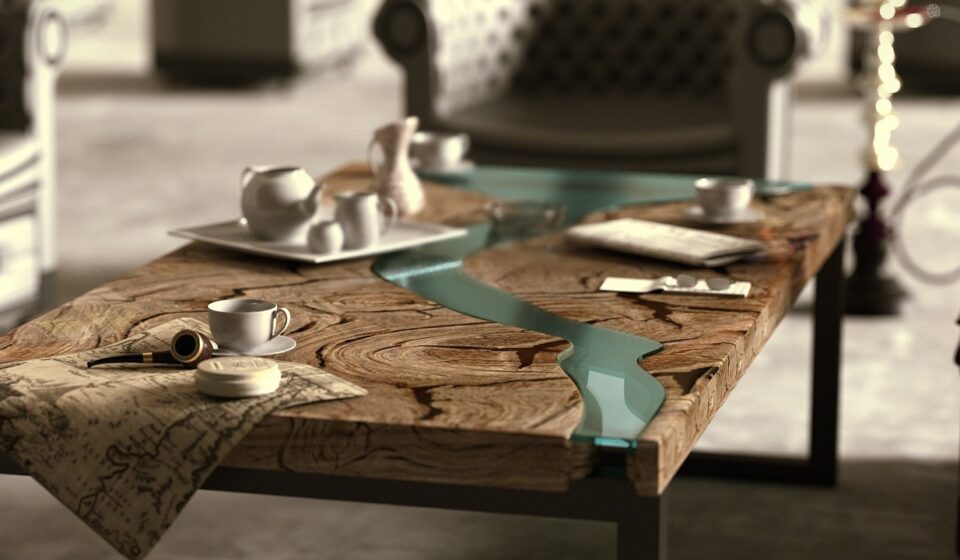
The phrase covers several designs. Some tables have a full glass top resting on a wooden base. Others use a wood tabletop with a glass center panel, a glass protective overlay, or a glass top mounted above a sculptural wood frame. The balance between wood and glass affects not only the look of the table but also cleaning, stability and seating comfort.
A full glass top can make a small dining room feel more open because the floor, chairs and base remain visible. A wood table with a glass insert feels more traditional and may hide fingerprints better around the edges. A glass overlay on top of wood can protect the surface from spills, but it can also trap dust at the edges and may reduce airflow to the wood if it is poorly fitted. For solid wood in particular, trapped moisture and uneven exposure can contribute to movement over time.
For buyers, the question is not simply whether the table is “wood and glass.” The more useful questions are how the glass is supported, how the wood is finished and whether the design is suitable for dining use rather than decorative display only.
Main advantages and tradeoffs
A wooden glass dining table works well in many modern, transitional and compact interiors, but it is not automatically easier to live with than a solid wood table. Its main advantage is visual balance: glass reduces visual bulk, while wood keeps the piece from looking cold or overly minimal. This combination can pair with upholstered chairs, wooden chairs, metal accents or mixed-material lighting.
The tradeoffs are practical. Glass shows fingerprints, water spots and dust more quickly than many wood finishes. Edges can chip if struck by hard objects. Transparent tops also reveal the condition of the base, chair frames and floor underneath. If the table has exposed fasteners, rough supports or poor cable management nearby, the glass will not hide those details.
| Buyer priority | Why wood and glass may help | What to check before buying |
|---|---|---|
| Small dining area | Transparent glass can make the table look less bulky. | Choose a base that does not block chair movement. |
| Warmer modern style | Wood softens the sharp look of glass. | Match the wood tone to floors, cabinets or chairs. |
| Easy surface wiping | Glass does not absorb normal food spills. | Expect frequent cleaning of fingerprints and streaks. |
| Family dining | Rounded glass edges and sturdy wood support can be practical. | Confirm safety glass, edge finishing and base stability. |
| Decorative statement | The wood base remains visible through the top. | Avoid bases that look unfinished from above. |
Choose the right size and shape
Dining table size should start with the room, not with the number of seats listed in a product title. A table needs enough space for chairs to slide back and for people to move around it. As a practical rule, many dining rooms feel more comfortable with roughly 36 inches of clearance around the table, although tight apartments may use less and formal dining rooms often benefit from more.
Shape matters as much as length. Rectangular wooden glass dining tables are the most common option for long rooms and larger households. Round tables work well in square rooms and can improve conversation because everyone faces the center. Oval tables soften traffic flow and reduce sharp corner concerns while still seating more people than many round tables. Square tables can look balanced in compact spaces, but they often become awkward when scaled up for larger groups.
- For two to four people: a round or small rectangular table usually keeps the room flexible.
- For four to six people: a medium rectangular or oval table is often easier to place with standard dining chairs.
- For six or more people: check leg position carefully so the wood base does not interfere with knees or chair placement.
- For narrow rooms: consider an oval or slim rectangular top to preserve walking space.
Do not judge capacity only by tabletop length. A thick pedestal, crossed wood base or angled support may reduce usable seating space even when the glass top is large.
Glass specifications matter more than appearance
Glass type is one of the most important buying details. For a dining table, buyers should look for clear product information stating whether the top is tempered safety glass, laminated safety glass or another construction. ASTM F2813, a commonly referenced specification for glass used as horizontal surfaces in desks and tables, addresses the use of safety glass for certain tabletop applications under 44 inches in height and references performance criteria such as ANSI Z97.1. The practical takeaway is simple: ask for the glass specification instead of relying on vague phrases such as “strong glass” or “premium glass.”
Tempered and laminated glass
Tempered glass is heat-treated or chemically treated to improve strength compared with ordinary annealed glass. When it fails, it is designed to break differently from regular glass, but broken tempered glass can still create a serious mess and potential injury risk. Laminated glass uses an interlayer that can help hold pieces together if the glass cracks. Each type has advantages, and the right choice depends on design, thickness, support and local product requirements.
If a product page does not identify the glass type, thickness, edge finish or support method, treat that as a reason to ask questions before purchase. A dining table is not just a decorative surface; it must handle plates, serving dishes, leaning arms, cleaning pressure and everyday movement.
Thickness, edge finish and support
Thickness alone does not prove safety, but it affects feel and rigidity. Thin glass on widely spaced supports may flex or feel less secure. Very thick glass can be heavy, making delivery, assembly and relocation more difficult. Edges should be polished, beveled or rounded rather than sharp. Corners deserve special attention in homes with children, older adults or tight circulation paths.
Also check how the glass connects to the wood. Rubber pads, recessed supports, metal plates or mechanical fasteners may be used depending on the design. The glass should sit evenly, without rocking. If the top simply rests on small pads, confirm that the pads are positioned securely and that the base is wide enough to resist tipping during normal use.
Evaluate the wood base and frame
The wooden part of the table determines much of its stability, style and long-term durability. Common options include solid wood, wood veneer over engineered panels, plywood, MDF with veneer and mixed wood-metal frames. Solid wood offers natural grain and repair potential, but it expands and contracts with humidity. Veneered engineered panels can be dimensionally stable and cost-effective, but quality depends on the substrate, veneer thickness, edge treatment and finish.
Look at the base from several angles. A sculptural base may look dramatic in photos but limit legroom. A trestle base can feel sturdy but may interfere with chairs at the ends. Four-leg designs are familiar and easy to understand, but the legs must be well joined to the frame. For pedestal designs, the base footprint should be large and heavy enough to support the glass top safely. See also: Building Materials.
Wood movement and finish quality
Wood responds to moisture in the surrounding air. In dry seasons it can shrink; in humid seasons it can expand. This is normal, but poor construction can turn normal movement into cracks, loose joints or warping. A good wooden glass dining table should use construction methods that allow for movement where solid wood is present. The finish should be smooth, even and applied to visible and vulnerable surfaces, especially areas near the glass where condensation or cleaning liquid may collect.
Be cautious with tables that combine a tightly sealed glass overlay and a solid wood top underneath. If the design traps moisture or prevents the wood from responding evenly to the room environment, it may create maintenance issues. This does not mean glass over wood is always wrong; it means the fit, airflow and cleaning method matter.
Safety checklist before purchase
Safety is not only about whether the table looks strong. It is about predictable performance during everyday use. A dining table may be pushed, bumped, cleaned, leaned on and moved. Before buying online or in a showroom, use a checklist that focuses on verifiable details.
- Ask what type of glass is used. Look for tempered or laminated safety glass where appropriate, not vague marketing language.
- Check the edge treatment. Rounded, polished or beveled edges are preferable to sharp exposed edges.
- Confirm the support system. The glass should be supported evenly and should not rock, slide or depend on tiny contact points.
- Review the base footprint. A narrow base under a wide glass top may look elegant but can feel less stable.
- Consider corner placement. Sharp rectangular corners may be a poor fit for narrow walkways or homes with young children.
- Understand assembly requirements. Heavy glass tops often require two or more adults for safe handling.
- Check care instructions. The seller should explain how to clean both the glass and the wood finish without damaging either material.
Public safety organizations such as the U.S. Consumer Product Safety Commission have published consumer guidance related to tempered glass and furniture hazards. While a dining table is different from storage furniture or a shower enclosure, the broader lesson is still relevant: buyers should not assume all glass furniture performs the same way. Product-specific construction details matter.
Style, chairs and room matching
A wooden glass dining table usually works best when it connects at least two elements in the room. The wood tone may echo the flooring, cabinetry, sideboard or chair legs. The glass may coordinate with pendant lights, metal finishes or open shelving. A dark base with a clear top can look grounded without overwhelming the room. A light oak or walnut base can soften minimalist interiors.
Chair selection is especially important because the chairs remain visible through and around the glass. Heavy chairs under a transparent top can make the room feel busier than expected. Slim upholstered chairs, curved wood chairs or mixed-material chairs often work well, provided the seat height and arm height fit under the tabletop. Always check apron or base clearance before choosing armchairs.
Rugs can help define the dining area, but they should be large enough for chairs to remain on the rug when pulled back. Because glass reflects light, consider glare from windows and overhead fixtures. A table that looks elegant in a showroom may reflect ceiling lights directly into seated eye level if placed under a bright fixture.
Cleaning and long-term care
Daily care is straightforward, but it is usually more frequent than with many matte wood surfaces. Use a soft microfiber cloth for glass, avoid abrasive pads, and clean spills before they reach the joint between glass and wood. For the wood base, follow the finish-specific instructions supplied by the seller. A damp cloth may be safe for many sealed finishes, but standing water, harsh solvents and aggressive scrubbing can damage coatings or raise grain.
Protect the table from extreme conditions. Avoid placing it directly against heating vents, radiators or strong sunlight if the wood component is substantial. In climates with large humidity swings, stable indoor conditions reduce the risk of wood movement. Use placemats or trivets under hot serving dishes because glass can tolerate many normal dining conditions but may still be vulnerable to thermal stress, scratches or impact depending on its construction.
Inspect the table periodically. Tighten approved fasteners if the manufacturer recommends it, replace worn pads, and check that the glass still sits level. Small maintenance habits are easier than repairing a chipped edge, scratched finish or unstable base later.
Frequently asked questions
Is a wooden glass dining table good for small spaces?
Yes, it can be a strong choice for small spaces because the glass top reduces visual weight. However, the base shape matters. A bulky or wide wooden base may still make the room feel crowded, so measure chair clearance and walking space before buying.
Does a glass dining table scratch easily?
Glass can scratch, especially when dragged against ceramic dishes, metal objects or abrasive particles. Use placemats, lift items instead of sliding them, and clean grit from the surface before wiping. Tempered or laminated safety glass improves safety performance, but it does not make the surface scratch-proof.
Is tempered glass enough for a dining table?
Tempered glass is commonly used in furniture, but buyers should review the full specification: thickness, edge finish, support method and whether the product references relevant safety standards. Laminated glass may be used in some designs. The safest approach is to ask for written product details rather than relying on appearance.
Which wood color works best with a glass top?
There is no single best color. Walnut and dark stains create contrast and a more formal look. Oak, ash and light finishes feel relaxed and Scandinavian-inspired. Black-stained wood can look architectural, while medium brown tones are easier to pair with many existing chairs and floors.
Should I put a glass top over a wooden dining table?
A glass overlay can protect a wood surface from some spills and scratches, but it should be fitted carefully. Poorly fitted glass can trap debris at the edges, create condensation concerns, or change how the wood surface responds to humidity. If the table is solid wood, ask the seller or maker whether a glass overlay is recommended for that finish and construction.