Types of wall finishes interior projects use and how to choose
a[data-rs-seo-link]{text-decoration:underline!important;color:#1a56db!important;cursor:pointer!important;}a[data-rs-seo-link]{text-decoration:underline!important;color:#1a56db!important;cursor:pointer!important;}
A practical way to compare interior wall finishes
The main types of wall finishes interior projects use include paint over drywall, plaster, wallpaper or wallcovering, wood and engineered panels, tile, stone or brick veneer, concrete-style coatings, fabric or acoustic panels, and specialty hygienic panels. The right choice is usually driven less by trend than by the room conditions: moisture, impact, cleaning frequency, lighting, budget, fire performance and the quality of the underlying wall all matter. A living room may only need decorative paint or wallcovering. A bathroom, commercial corridor or food-service back area may need tile, fiberglass-reinforced panels or another finish designed for water exposure and repeated cleaning.
This guide compares the practical strengths and limits of common interior wall finishes so homeowners, designers and builders can specify surfaces that match the room, the substrate and the maintenance plan.

For more material-focused design topics, visit the Interior Finishes section.
Main types of wall finishes compared
Interior wall finishes can be grouped by how they perform. Some are surface treatments, such as paint, limewash and wallpaper. Others are built-up finish systems, such as plaster, tile, wood paneling and acoustic panels. This distinction matters because the visible face of a wall is only one part of the specification. Substrate condition, primer, adhesive, fasteners, joints and maintenance requirements can all affect the final result.
| Wall finish type | Typical best use | Key advantages | Main limitations |
|---|---|---|---|
| Paint over gypsum board | Bedrooms, living rooms, offices and general interiors | Flexible color choice, easy repainting, relatively low material cost | Shows poor drywall finishing, vulnerable to scuffs unless the coating is selected carefully |
| Plaster or veneer plaster | Premium residential rooms, restoration work, smooth modern interiors | Depth, hardness and a crafted appearance | Requires skilled labor and careful substrate preparation |
| Wallpaper and commercial wallcovering | Feature walls, hospitality, retail and corridors | Pattern, texture and repeatable design quality | Edges and seams can fail if moisture, substrate or adhesive are wrong |
| Wood and engineered panels | Accent walls, offices, lobbies and warm residential interiors | Natural texture, warmth and strong visual rhythm | Needs attention to movement, fire classification and emissions data |
| Ceramic or porcelain tile | Bathrooms, kitchens, laundry rooms and wet zones | Water resistance, cleanability and durability | Heavy, labor intensive and dependent on correct substrate and waterproofing |
| Stone, brick or concrete-style finish | Feature walls, fireplaces, lobbies and luxury interiors | Mass, texture and long service life when detailed well | Weight, porosity, sealing and installation cost |
| FRP, laminate, solid surface or hygienic panels | Healthcare, service spaces, commercial kitchens and utility areas | High cleanability and impact resistance | Less residential character and often more utilitarian appearance |
Smooth painted walls and drywall finish levels
Paint is the most common interior wall finish because it is adaptable, familiar and easy to renew. Even so, a painted wall is only as good as the preparation beneath it. On gypsum board, industry guidance from the Gypsum Association describes finish levels from unfinished board to a Level 5 finish. A typical painted wall often relies on a Level 4 finish. A Level 5 finish adds a skim coat or equivalent treatment across the full surface to reduce visible differences between joint compound and drywall paper.
This becomes important in rooms with dark paint, gloss or semi-gloss coatings, long uninterrupted walls, large windows, or grazing light from ceiling slots and wall washers. Under those conditions, joints, fastener spots and paper texture can become visible even if the wall looked acceptable before painting. A Level 5 finish does not guarantee perfection, but it is a more appropriate specification when the design calls for a very smooth painted surface.
When paint is the right finish
Paint works well when the wall needs color rather than heavy texture, when future remodeling is likely, or when the budget needs to prioritize other building elements. The coating should suit the room. Matte paints can hide minor visual flaws but may be less washable than higher-sheen coatings. Satin and semi-gloss coatings are easier to clean, but they also reveal more surface defects. In high-use interiors, a scrubbable architectural coating may matter more than a fashionable color.
Indoor air and coating selection
Paints, adhesives, sealants and some wall finish products can release volatile organic compounds. The U.S. Environmental Protection Agency advises source control and ventilation during painting and remodeling activities. In practical terms, project teams should choose products with appropriate low-emitting documentation where possible, ventilate during and after installation, and follow the manufacturer’s curing and occupancy guidance rather than assuming a wall is ready as soon as it looks dry.
Plaster, limewash and mineral-look finishes
Plaster finishes are specified for depth, subtle movement and a more handcrafted surface than ordinary painted drywall. Traditional plaster can involve multiple coats over lath or another base. Veneer plaster uses a thin gypsum plaster coat over a suitable gypsum panel. In both cases, the final look depends heavily on craft skill. Plaster can be smooth, softly textured or polished, but it should not be treated as a quick substitute for paint unless the labor and schedule support the work.
Limewash, clay finishes and mineral coatings are often used when designers want a soft, matte, tonal wall instead of a perfectly uniform paint film. These finishes can create attractive variation, but samples are essential. The same product may look different depending on primer, wall absorption, application method and natural light. Maintenance should also be discussed early because touch-ups on a mineral-look wall may be less invisible than touch-ups on standard paint.
For projects with moisture exposure, confirm whether the plaster or mineral finish is decorative only or part of a rated wet-area system. A powder room accent wall is a very different condition from a shower enclosure. Decorative texture should not be used to cover uncertainty about waterproofing.
Wallpaper, wallcovering and decorative panels
Wallpaper and wallcovering remain useful because they can deliver pattern, scale and texture that paint cannot. Residential wallpaper is often selected for bedrooms, dining rooms, powder rooms and feature walls. Commercial wallcovering can add abrasion resistance and cleanability in hospitality, multifamily, office and healthcare-adjacent spaces, depending on the product category and cleaning instructions.
The main risk is usually not the pattern; it is the substrate. Wallpaper can telegraph bumps, seams and previous wall damage. A high-quality installation usually requires a clean, smooth, sealed surface, a compatible primer and careful attention to inside corners, outside corners and vertical plumb lines. In humid rooms, designers should check whether the product and adhesive are suitable and whether the wall assembly can dry. A wallcovering that traps moisture over a vulnerable substrate can create problems even if the face material is washable.
Wood and engineered wall panels
Wood paneling, veneer plywood, slatted systems and engineered decorative panels add warmth and architectural rhythm. They work especially well in studies, bedrooms, lobbies, restaurants and media rooms. Wood can also improve perceived quality because it introduces grain, shadow and depth. The trade-off is technical: panels move with moisture, edges need detailing, and fire performance may matter in commercial or multifamily buildings.
APA and other wood product guidance notes that plywood grades relate to veneer appearance, surface finish and intended use. For interior paneling, the decorative face and finishing plan are important. Structural sheathing is not automatically the right visible finish. If composite wood or veneer panels are used, review formaldehyde and emissions documentation, especially for schools, multifamily projects and tightly sealed buildings.
Fabric and acoustic wall finishes
Fabric-wrapped and acoustic panels are not just decorative. They can reduce sound reflection in conference rooms, restaurants, home theaters and open offices. The surface fabric, backing, core material and mounting method all affect performance. Because these systems add material to the wall face, fire classification and cleaning instructions should be confirmed before specification. In many public interiors, acoustic comfort is a real design requirement, but the panel should be selected as a tested system rather than improvised on site. See also: Building Materials.
Tile, stone and other durable wall finishes
Hard finishes are appropriate where walls face water, impact, heat, grease or frequent cleaning. Ceramic and porcelain tile are common in bathrooms, showers, kitchens, laundry rooms and commercial restrooms. Their durability comes from the complete assembly, not just the tile face. The substrate, waterproofing membrane, mortar, grout, movement joints and penetrations all need to match the exposure.
Tile industry guidance, including TCNA handbook principles, treats wet areas differently from dry decorative walls. Ordinary gypsum board may be acceptable behind some dry-area tile installations, but showers and tub surrounds require approved backer systems and waterproofing details. This is one of the most important distinctions in interior wall finishes: a wall can look tiled and still be poorly detailed for water.
Stone, brick veneer and concrete-look coatings
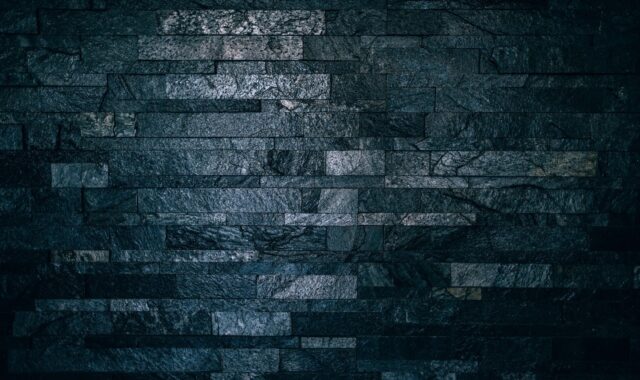
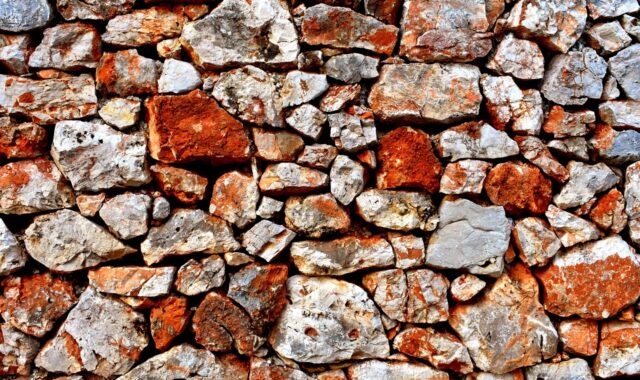
Natural stone, thin brick and concrete-style coatings give walls weight and permanence. They are useful for fireplaces, entry walls, hospitality interiors and focal points. Stone may need sealing depending on porosity and use, while brick and cement-based finishes can shed dust if not properly sealed. Heavy veneers may require structural review, mechanical support or specific substrate preparation. Designers should also consider cleanability. A rough textured wall can be dramatic in a lobby but frustrating behind a stove or vanity.
Hygienic and impact-resistant panels
Fiberglass-reinforced plastic panels, high-pressure laminate, solid surface and similar systems are often chosen for service corridors, kitchens, laboratories, clinics, utility rooms and other high-wear spaces. Their value is practical rather than ornamental: they resist impact, moisture and repeated cleaning better than ordinary painted drywall. The visual result can be utilitarian, but detailing has improved, and some systems offer better colors and textures than older institutional panels.
In commercial projects, the building code may require interior wall and ceiling finishes to meet fire and smoke performance criteria. The International Building Code addresses interior finish materials in Chapter 8, including classifications based on ASTM E84, UL 723 or other recognized tests. Project teams should verify local code requirements, occupancy type and product documentation before treating any decorative panel as interchangeable with paint.
How to choose the right interior wall finish
A good wall finish decision starts with conditions, not style. First, identify the room’s exposure: dry, damp, wet, high-touch, high-impact, food-related, healthcare-related or acoustically sensitive. Second, check the substrate. A finish that looks excellent over new Level 5 drywall may fail visually over patched old plaster. Third, decide how the surface will be cleaned. A matte artisanal finish may be appropriate in a formal dining room but not in a school corridor.
- For low-cost flexibility: choose paint over properly finished gypsum board.
- For a premium smooth surface: consider veneer plaster, high-build preparation or Level 5 drywall finishing before paint.
- For pattern and brand expression: use wallpaper or commercial wallcovering with the right primer and adhesive.
- For warmth and depth: specify wood, veneer or slatted panels with clear fire and emissions documentation.
- For wet areas: prioritize tile or another tested wet-area system over decorative appearance alone.
- For cleaning and abuse resistance: compare FRP, laminate, solid surface and protective wall panels.
Budget should include labor, preparation and lifecycle maintenance, not just material cost. A low-cost wallcovering over a poor substrate can become expensive if seams open. A higher-cost tile assembly can be economical in a wet room if it helps prevent water damage. A painted finish may be the best value in rooms where repainting every few years is acceptable. The best interior wall finish is the one that fits the wall assembly, room exposure and maintenance reality.
Frequently asked questions
What is the most common interior wall finish?
Paint over gypsum board is the most common choice for general interiors because it is flexible, widely available and easy to change. Its final quality depends on drywall finish level, primer, coating sheen and lighting conditions.
Which wall finish is best for bathrooms?
For true wet zones such as showers and tub surrounds, tile or another approved wet-area wall system is usually more appropriate than standard paint or wallpaper. The critical issue is not only the surface material but also the backer board, waterproofing and joint detailing.
Is plaster better than drywall and paint?
Plaster can provide a harder, richer and more crafted surface, but it is not automatically better for every room. Drywall and paint are easier to install, repair and repaint. Plaster makes the most sense when the project values texture, depth and skilled finish work enough to support the extra labor.
Can wood paneling be used as an interior wall finish?
Yes, wood and engineered panels can be effective interior wall finishes, especially for accent walls and warm architectural interiors. Product selection should consider panel grade, finish, movement, fire classification, emissions documentation and how edges and joints will be detailed.
How many wall finishes should one room use?
Most rooms work best with one primary wall finish and, if needed, one accent finish. Too many competing surfaces can make a room feel fragmented. Use contrast where it supports function, such as tile in a wet zone, wood behind a bed, or acoustic panels in a media room.