New furniture design trends shaping homes in 2026
a[data-rs-seo-link]{text-decoration:underline!important;color:#1a56db!important;cursor:pointer!important;}a[data-rs-seo-link]{text-decoration:underline!important;color:#1a56db!important;cursor:pointer!important;}
What new furniture design means in 2026
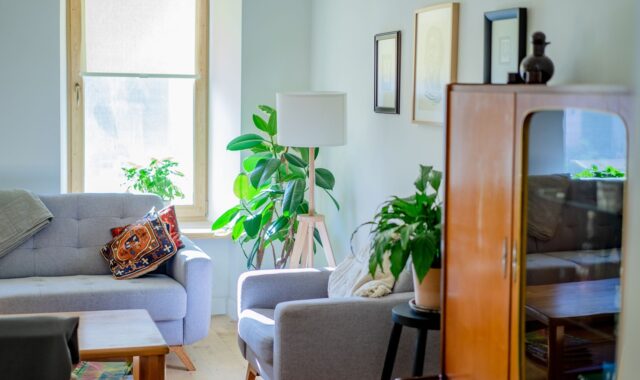
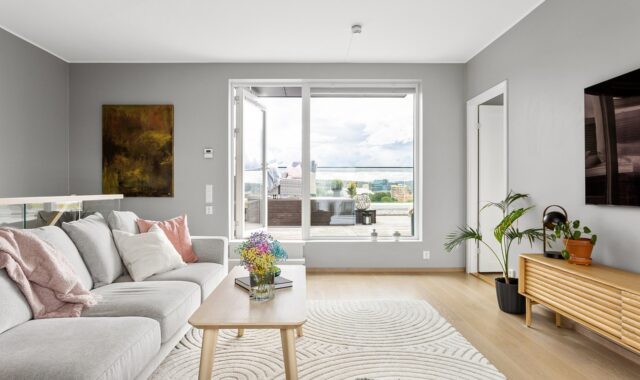
New furniture design in 2026 is being shaped by a practical question: how can a piece look distinctive while doing more work in smaller, more flexible and more wellness-focused homes? The strongest signals are not limited to one color, one finish or one fashionable silhouette. They include modular seating, multifunctional storage, warmer natural materials, rounded forms, tactile fabrics, low-emission choices and built-in technology that solves everyday living problems.
Reports from ASID, Houzz, ICFF, Salone del Mobile coverage and the American Home Furnishings Alliance point in a similar direction. Buyers and specifiers are looking for furniture that feels personal, comfortable and durable, not disposable or overly formal.
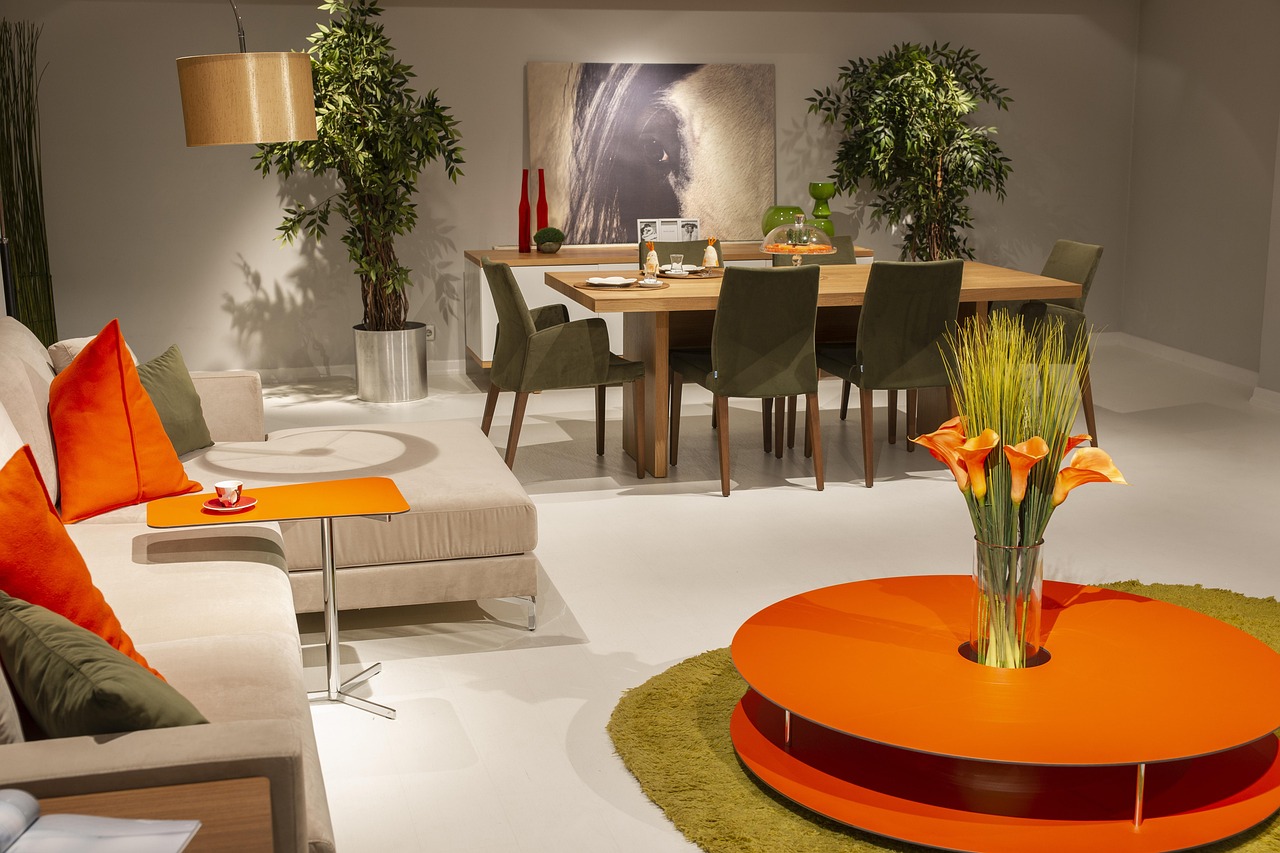
For readers following design updates across materials, interiors and home products, our Furniture Design section tracks related ideas in residential and commercial spaces.
Where the 2026 trend signals come from
Furniture trends can become vague when they rely only on showroom impressions. A clearer picture emerges when several sources are compared. The table below separates reported signals from editorial interpretation, so homeowners, designers and building-material professionals can see which ideas appear broad and which remain more style-specific.
| Source and date | Reported signal | Design implication |
|---|---|---|
| ASID 2025 Trends Outlook, released January 28, 2025 | Wellness, sustainability, neuro-inclusive design, smart home integration, vintage reuse and cultural storytelling are influencing interiors. | Furniture is being judged by comfort, sensory impact, adaptability and material responsibility, not just appearance. |
| Houzz Emerging Summer Trends Report, published May 20, 2026 | U.S. search activity from January to March 2026 showed interest in rounded forms, tactile finishes and nature-inspired textures. | Curves and touchable materials are moving beyond sofas into kitchens, walls and architectural details. |
| ICFF 2026 coverage from the May 17-19 New York fair | New products emphasized ornamentation, tactile materials, expressive forms, weaving, updated classic motifs and biomaterial experimentation. | Contemporary furniture is becoming more decorative and material-led after years of restrained minimalism. |
| American Home Furnishings Alliance High Point Market report, April 24, 2026 | New introductions focused on customization, wellness, warmer wood tones, earthy neutrals, spice colors and flexible upholstery. | Brands are using comfort, personalization and perceived longevity to address cautious consumer spending. |
| Salone del Mobile 2026 trend coverage | Exhibitors highlighted multifunctional furniture, modular systems, concealed storage, layered lighting and power-integrated pieces. | Function is becoming part of the design language rather than a hidden engineering feature. |
Modular and multifunctional furniture is becoming the baseline
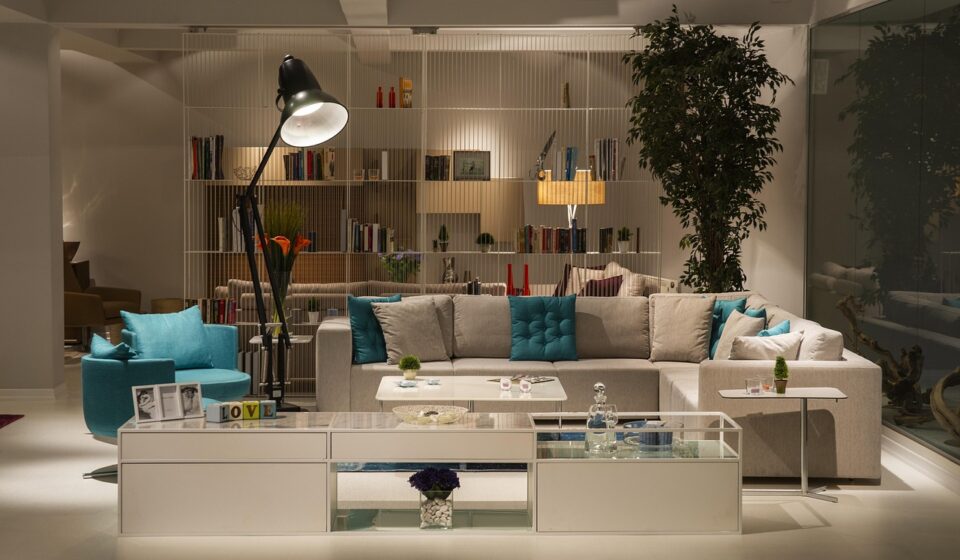
The most important shift in new furniture design is functional flexibility. Modular sectionals, nesting tables, adjustable shelving, sliding-door storage and expandable dining tables are not new inventions, but they are moving from secondary options to core product features. This matters because homes are now expected to support more activities: working, relaxing, exercising, hosting, caregiving and storing personal equipment.
At the 2026 High Point Market, AHFA’s summary of new residential furniture introductions repeatedly connected customization with daily use. Examples included modular sectionals with varied seat widths, motion sofas with tailored profiles, lift chairs, hidden charging and coordinated upholstery programs. The takeaway is not that every home needs powered seating. It is that buyers increasingly expect one product to suit several body types, room plans and routines.
Multifunctional design is also changing how storage is presented. Instead of bulky cabinets that read as purely utilitarian, current storage often hides workstations, media equipment, charging points or pantry-style organization behind cleaner fronts. Salone del Mobile 2026 coverage noted concealed doors and space-maximizing functional zones, which fits a broader move toward furniture that keeps rooms calm while supporting many uses.
Shapes are softer, but not shapeless
Rounded furniture remains a major visual direction in 2026, but the more useful point is that curves are becoming more controlled. Earlier versions of the curved sofa trend often leaned on novelty. The current direction is more refined: softened arms, bullnose table edges, barrel chairs, arched storage profiles, oval dining tables and wave-like details that reduce the severity of boxy rooms.
Houzz reported strong year-over-year search increases for several rounded and wave-related home features in early 2026. Some of those examples relate to architecture rather than standalone furniture, but they help explain why curved sofas, scalloped casegoods and rounded islands feel consistent with the wider home-design market. Furniture is not acting alone; it is part of a softer interior language.
There is also a practical side. Rounded corners can improve circulation in compact rooms and reduce the visual weight of large upholstered pieces. The trend still has limits. Deep curved sofas may waste space in narrow apartments, and circular dining tables need enough clearance around them. A good design choice balances softness with the actual floor plan.
Texture and material honesty are replacing flat minimalism
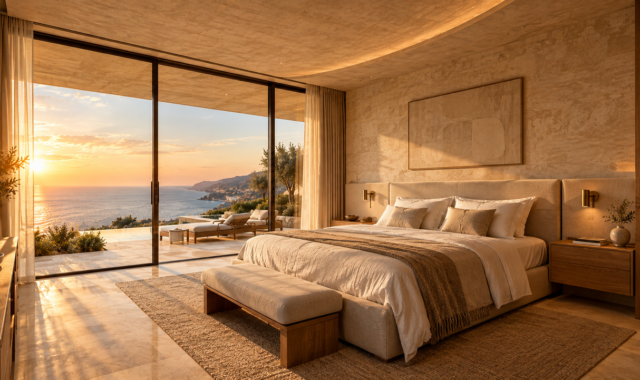
For much of the last decade, many interiors favored smooth white surfaces, pale gray upholstery and simplified silhouettes. In 2026, new furniture design is moving toward richer texture. Woven panels, boucle, chenille, velvet, ribbed wood, visible grain, stone tops, raffia, abaca, leather, wool-like fabrics and plaster-like finishes are appearing across seating, casegoods and accessories.
ICFF 2026 coverage highlighted weaving and tactile materials, including biomaterial applications such as mycelium-based leather alternatives. Houzz’s 2026 summer trend report also pointed to rising interest in touchable surfaces such as sandstone, linen and seagrass finishes. Together, these signals suggest that texture is not only decorative. It is becoming a way to make rooms feel warmer, slower and more human.
Material honesty is another key idea. This does not mean every piece must be expensive solid wood or stone. It means the design should clearly communicate what it is made from and why that material is appropriate. A veneered cabinet with careful grain matching can be more responsible and stable than a poorly designed solid-wood piece. A recycled composite can be valuable if its durability and end-of-life path are clear. The issue is not engineered material; the issue is pretending that a surface is something it is not.
Sustainability is shifting from a claim to a design method
Sustainability in furniture is often used as a broad marketing word, so it helps to break it into verifiable design decisions. The most credible choices usually involve longer life, repairability, responsible sourcing, lower chemical emissions, efficient material use, reuse and clearer documentation. A vintage chair restored with new upholstery can sometimes carry a lower material burden than a brand-new piece, while a new cabinet may be the better option if it meets safety and emissions needs.
ASID’s 2025 outlook connected sustainability with circular approaches, vintage furnishings and long-lasting craft. FSC describes certified furniture wood as a way to support responsible forestry through chain-of-custody systems. UL Solutions describes GREENGUARD certification as a program for products tested for low chemical emissions, including furniture and building materials. These references matter because they move the discussion away from vague green language and toward claims that can be checked.
For buyers, the practical questions are straightforward: Can the upholstery be cleaned or replaced? Are spare parts available? Is the frame designed for long-term use? Does the manufacturer explain wood sourcing, adhesives, finishes or emissions testing? Can the piece be disassembled or repaired? New furniture design that answers these questions is more resilient than furniture that only uses natural colors to look sustainable.
Wellness, safety and accessibility are now part of the brief
The wellness trend is sometimes reduced to soft colors and comfortable sofas, but the more serious design changes are broader. Furniture can affect posture, sleep quality, ease of movement, indoor air quality, visual calm and the ability of different users to share a room. ASID’s outlook emphasized neuro-inclusive design, sensory-friendly spaces and furniture that supports movement, flexibility and comfort.
Safety is also becoming more visible. In the United States, the Consumer Product Safety Commission’s rule for clothing storage units under the STURDY framework applies to covered units manufactured after September 1, 2023. It incorporates ASTM F2057-23 and addresses stability risks for dressers, wardrobes and similar storage furniture. For new furniture design, this means stability, drawer behavior, anchoring guidance and real-world loading conditions cannot be treated as afterthoughts.
Accessibility is another area where design is becoming more thoughtful. Lift chairs, adjustable desks, swivel seating, lighter movable tables and easier-to-grip hardware can help older adults, caregivers and multigenerational households without making a room look institutional. The strongest 2026 products place support inside attractive forms rather than forcing a trade-off between dignity and function.
How to evaluate a new furniture design before choosing it
The best way to use trend information is not to copy every visible feature. Instead, test each idea against the space, the user and the expected life of the product.
| Question to ask | What to check | Why it matters |
|---|---|---|
| Will it adapt? | Modular parts, reversible layouts, adjustable shelves, extension leaves or movable surfaces. | Adaptable furniture stays useful when room layouts and family needs change. |
| Is the material appropriate? | Frame construction, surface durability, cleaning instructions, finish type and repair options. | A trend material only works if it suits daily wear, sunlight, pets, children or commercial use. |
| Does it support wellness? | Seat depth, back angle, arm height, edge comfort, emissions information and acoustic softness. | Comfort and indoor quality affect whether a piece is actually used. |
| Is the technology necessary? | Accessible outlets, charging location, replaceable components and cable management. | Integrated power should solve a problem, not shorten the furniture’s useful life. |
| Is it safe and stable? | Anti-tip features, weight distribution, drawer stops, anchoring instructions and compliance statements where relevant. | Storage furniture and tall pieces need engineering as much as styling. |
For designers and homeowners, the strongest approach is to combine one or two expressive trends with a disciplined specification process. A curved sofa can be a smart investment if its scale works. A textured cabinet can add depth if its surface is durable. A sustainable claim is useful when it is backed by sourcing, emissions or repair information. In other words, newness should make the furniture more livable, not just more noticeable.
Frequently asked questions
What is new furniture design in 2026?
It refers to furniture that reflects current needs in form, function and materials. In 2026, that usually means flexible layouts, rounded silhouettes, tactile surfaces, warmer tones, better storage, wellness-oriented comfort and more attention to sustainability and safety.
Are curved sofas and rounded furniture just a short trend?
Some exaggerated versions may date quickly, but softened edges and rounded forms have practical and visual advantages. They work best when scaled to the room and balanced with simpler pieces, rather than used on every item in a space.
How can I tell whether sustainable furniture claims are meaningful?
Look for specific information rather than broad language. Useful indicators include responsible wood certification, low-emission testing, replaceable parts, repair options, recycled or reclaimed content, durable construction and clear care instructions.
Is smart furniture worth buying?
Smart furniture is worth considering when the technology supports a real habit, such as charging devices, improving ergonomics, managing lighting or reducing clutter. It is less convincing when electronics are difficult to repair or likely to become obsolete before the furniture wears out.
What is the safest way to follow furniture trends?
Use trends as direction, not as a checklist. Choose shapes, materials and features that fit the room, verify safety and durability, and avoid replacing good furniture simply because a new finish or color is circulating online.