Wall finishes for interior design that balance style, durability and indoor air
a[data-rs-seo-link]{text-decoration:underline!important;color:#1a56db!important;cursor:pointer!important;}a[data-rs-seo-link]{text-decoration:underline!important;color:#1a56db!important;cursor:pointer!important;}
Start with performance before choosing a look
Wall finishes for interior design are more than color choices. They are the exposed surface system that protects the wall, controls how light is absorbed or reflected, can influence sound, and affects how often a space needs repair. Paint, plaster, wallpaper, wood panels, tile, stone veneer and acoustic fabric can all be appropriate, but each one responds differently to moisture, traffic, cleaning, substrate quality and code requirements.
A practical wall finishes interior design decision starts with the room’s function, the condition of the wall behind the finish and the expected service life. Only then should the palette be narrowed by texture, sheen and color. For related material topics, see the interior finishes section.
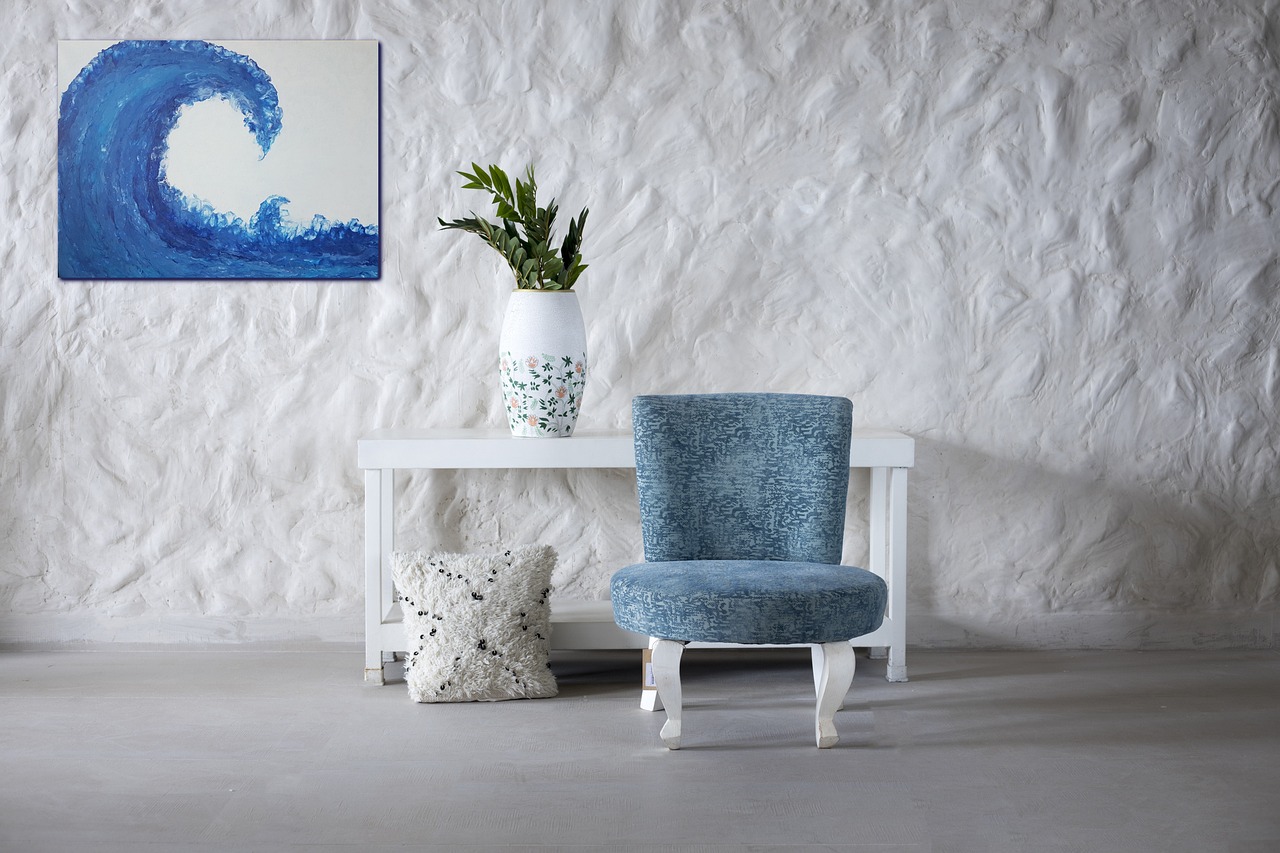
What counts as a wall finish in interior design
A wall finish is the final exposed layer applied to a wall assembly. It may be thin and decorative, such as paint or limewash, or it may be a thicker applied system, such as tile, wood paneling, wall protection panels or acoustic fabric. The finish is separate from the wall structure, but it still affects room performance because it changes cleanability, impact resistance, moisture behavior, reflectance and tactile quality.
Facility guidance hosted by the Whole Building Design Guide describes finish materials as products applied to construction elements to conceal, protect or enhance them. It evaluates those materials by durability, maintenance, service life and environmental qualities rather than appearance alone. That mindset applies to homes as well as commercial interiors: an attractive finish that fails quickly in a bathroom, entry or kitchen is not a sound design decision. (wbdg.org)
The substrate matters. High-gloss paint will not hide wavy drywall. Heavy vinyl wallcovering may telegraph poor seams or trap moisture if it is used in the wrong location. Tile needs a flat, stable and correctly prepared backing. Wood panels need movement gaps and appropriate fastening. The finish cannot be selected in isolation from the wall condition and room environment.
Common wall finishes compared by use case
| Finish type | Design value | Main limitations | Best-fit areas |
|---|---|---|---|
| Interior paint | Flexible color, fast visual change, broad sheen options | Shows dents and substrate defects; wet scrubbing varies by product | Bedrooms, living rooms, ceilings, low- to medium-traffic walls |
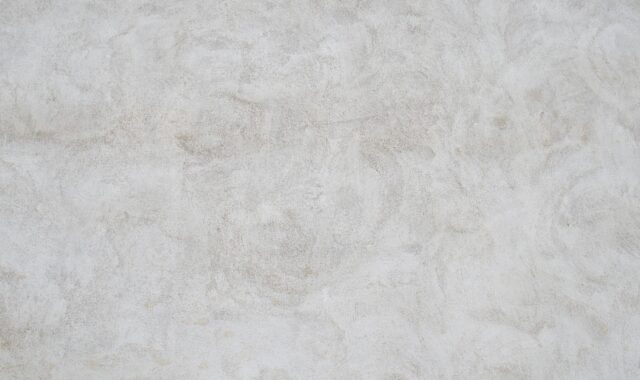
| Mineral or decorative plaster | Depth, hand-applied texture, matte mineral character | Installer skill matters; repairs may be visible; some systems need sealing | Feature walls, dining rooms, boutique hospitality, calm residential spaces |
| Wallpaper or wallcovering | Pattern, scale, branding and texture in one layer | Moisture and seam performance must be checked; removal can be labor-intensive | Powder rooms, bedrooms, corridors, retail and hospitality walls |
| Wood or veneered panels | Warmth, rhythm, acoustic moderation and impact resistance | Cost, fire classification and dimensional movement require attention | Living areas, offices, headboard walls, lobbies, protected corridors |
| Ceramic, porcelain or stone-look tile | Water resistance, cleanability and strong surface protection | Hard sound reflection; grout maintenance; substrate preparation is critical | Bathrooms, kitchens, laundry rooms, backsplashes and splash zones |
| Natural stone or brick veneer | Mass, texture, shadow and architectural character | Weight, sealing, staining and installation complexity | Fireplace surrounds, entries, accent walls and hospitality features |
| Acoustic fabric or felt panels | Noise control, softness and visual zoning | Soiling, fire performance and edge detailing must be specified | Media rooms, offices, restaurants, classrooms and open-plan interiors |
The comparison shows why there is no single “right” wall finish. Paint is easy to revise, tile handles splash, plaster adds depth, panels add protection, and acoustic surfaces solve a problem that color cannot. Strong interiors often use one quiet base finish with one or two purposeful accents instead of applying a different surface to every wall.
Performance criteria that should guide selection
Durability and maintenance
Durability is not only about hardness. A durable wall finish is one that matches the wear it will receive and can be maintained without changing its appearance too much. In a hallway, weak points often include corners, chair backs and hand contact near switches. In a kitchen, the challenge may be grease, steam and frequent wiping. In a child’s room or rental unit, easy touch-up may matter more than a premium texture.
For everyday rooms, washable matte or eggshell paint may offer the best balance between easy repair and visual softness. For commercial corridors, wallcovering, panels or corner protection may reduce repaint cycles. For wet or splash-prone walls, tile or slab surfaces generally make more sense than decorative paint alone. The decision should compare first cost with labor, downtime, cleaning effort and how visible future repairs are likely to be.
Moisture and vapor behavior
Moisture is one of the most common reasons good-looking wall finishes fail. Bathrooms, laundry rooms, below-grade rooms and humid climates need extra caution because finishes can slow drying or hide early signs of condensation. Whole Building Design Guide moisture guidance notes that interior finish selection is especially important in humid climate design and advises limiting vinyl wall covering to locations where moist air is unlikely to infiltrate, such as interior walls, unless positive building pressurization can be ensured. (legacy.wbdg.org)
That does not mean vinyl, washable wallcovering or sealed panels are always wrong. It means they should be treated as part of a moisture strategy. Ventilation, exterior wall insulation, vapor control, substrate preparation and seam detailing all affect whether a finish performs well. Where conditions are uncertain, a more breathable finish and a tested mockup may be safer than a fully sealed decorative layer.
Indoor air quality and VOCs
Paints, coatings, adhesives and some sealers can affect indoor air during and after installation. EPA remodeling guidance notes that most paints give off volatile organic compounds, and EPA indoor air guidance emphasizes source control as an important way to reduce indoor pollutants. For finish selection, this means checking product data sheets, choosing interior-rated products, planning ventilation during installation and allowing cure time before heavy occupancy. (epa.gov)
Low-odor does not automatically mean low-emitting, and “natural” does not always mean suitable for every occupant or substrate. Designers and owners should look for documented emissions information where health sensitivity, schools, healthcare spaces or tight homes are involved. Adhesives, primers and sealers should be reviewed along with the visible finish because the complete system determines the exposure.
Fire classification and code context
In regulated buildings, interior wall and ceiling finishes may need documented fire performance. The 2021 International Building Code classifies interior wall and ceiling finish materials using ASTM E84 or UL 723, with Class A, B or C ratings based on flame spread and smoke-developed characteristics. ASTM describes E84 as a comparative test for surface flame spread and smoke density under specified fire exposure conditions, so the rating should be read in context and verified for the exact product and installation method. (codes.iccsafe.org)
Residential projects also benefit from this discipline, especially when adding wood slats, fabric, foam-backed panels or decorative coverings over large areas. Do not assume that a coating, stain or topcoat makes an untested decorative assembly code-compliant. For multifamily, hospitality, office and public interiors, the authority having jurisdiction and the project design professional should confirm requirements before procurement.
Substrate, fire resistance and wall assembly
The finish is only the surface. Gypsum board, commonly known as drywall, remains widely used for interior walls, ceilings and partitions, and the Gypsum Association describes it as having inherent fire resistance. However, a rated wall is an assembly, not a decorative finish by itself. Penetrations, joints, layers, framing and approved details matter. A beautiful finish should not compromise a required wall assembly or make future inspection and repair difficult. (gypsum.org) See also: Building Materials.
How wall finishes change the feeling of a room
After performance is addressed, design can do its work. Wall finishes influence a room through color, sheen, texture, pattern scale and shadow. A smooth matte wall reduces visual noise and supports furniture, art and daylight. A glossy lacquered or polished surface can make a compact room feel more animated, but it also reveals imperfections and glare. A textured plaster or woven wallcovering can soften the perception of sound and make plain walls feel more layered.
Pattern scale should relate to viewing distance. Small repeats work well in compact powder rooms and bedrooms because the viewer is close. Larger murals, stone formats or panel grids need more distance so the pattern reads as a composed surface. Vertical battens can make a ceiling feel taller, while horizontal boards can stretch a wall visually. Darker finishes can add intimacy, but they need good lighting to avoid a flat or heavy effect.
Material contrast works best when it has a clear purpose. Tile behind a sink protects against water. Wood around a seating niche adds warmth where people touch the wall. Acoustic panels behind a media wall help control reverberation. A plaster feature wall can create depth behind a bed without adding furniture. When the reason for the finish is clear, the interior feels designed rather than merely decorated.
A practical workflow for choosing wall finishes
- Define the room zone. Separate dry walls, splash walls, high-touch areas and impact zones before looking at samples.
- Inspect the substrate. Note cracks, uneven drywall, old coatings, moisture stains, glossy paint, tile removal damage and corner wear.
- Set the performance minimums. Decide what must be washable, impact resistant, breathable, fire-classified or acoustically useful.
- Choose a base finish. Most rooms need one durable background surface before they need an accent.
- Add accents only where they solve a problem. Use tile, panels, wallpaper, plaster or fabric where the added cost improves function or spatial character.
- Review the full system. Primer, adhesive, grout, sealer, backing board and trim details matter as much as the visible material.
- Mock up the finish. View samples under daytime and nighttime lighting and test cleanability before committing to a full room.
Older buildings need one more step before sanding, scraping or demolition. EPA guidance says homes built before 1978 are more likely to have lead-based paint, and renovation or painting work in pre-1978 housing may require lead-safe practices. This is especially relevant when changing wall finishes because surface preparation can disturb old coatings. (epa.gov)
Cost and lifecycle tradeoffs
Wall finish budgets should include material, labor, substrate repair, waste, protection of adjacent surfaces and future maintenance. Paint usually has a lower initial cost and is easier to refresh, but it may need more frequent touch-ups in busy areas. Wallpaper can deliver pattern faster than hand painting, yet removal and seam repair should be considered. Tile has higher installation effort but performs well in wet zones. Wood panels and acoustic systems can cost more upfront but may solve durability, sound or spatial identity issues that paint cannot.
The most economical finish is often the one that fits the room’s risk profile. Washable paint in a quiet bedroom is sensible. The same paint behind a commercial reception desk may look worn quickly. Premium plaster in a bathroom without proper ventilation is vulnerable. A porcelain tile wall in a bedroom may be unnecessarily hard and reflective. Good specification is the process of matching material behavior to daily use.
Frequently asked questions
What is the most versatile wall finish for interiors?
Interior paint is usually the most versatile because it offers broad color choice, fast installation and relatively easy repair. It is not always the most durable or moisture-resistant choice, so higher-risk areas may need tile, panels, wallcovering or specialty coatings.
Which wall finish is best for bathrooms?
For direct splash areas, ceramic tile, porcelain tile or other water-resistant surfacing is usually more reliable than decorative paint or wallpaper. In non-splash bathroom areas, moisture-resistant paint or properly specified wallcovering can work if ventilation, substrate and seams are handled correctly.
Are textured wall finishes hard to maintain?
They can be. Heavy texture collects dust and can be harder to patch invisibly. Fine plaster, subtle limewash effects or lightly textured wallcovering may offer depth with fewer maintenance challenges, but the finish should be tested for cleaning before use in high-touch areas.
Can different wall finishes be mixed in one room?
Yes, but the room should still have hierarchy. Use one base finish for most walls and one accent finish where it supports function or composition. Too many competing surfaces can make a room feel smaller and harder to furnish.
What wall finish hides imperfections best?
Lower-sheen paint, fine texture, certain wallpapers and panel systems can reduce the visibility of minor wall defects. High-gloss paint, thin metallic finishes and strong directional lighting make imperfections more obvious, so substrate repair should come before those finishes.