Furniture cleaning care and maintenance guide for wood, fabric, leather and metal
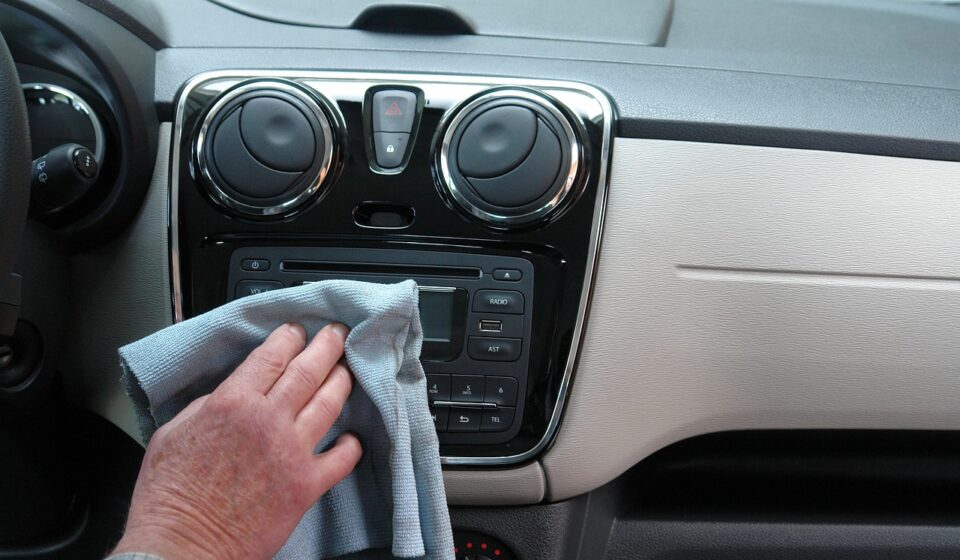
a[data-rs-seo-link]{text-decoration:underline!important;color:#1a56db!important;cursor:pointer!important;}a[data-rs-seo-link]{text-decoration:underline!important;color:#1a56db!important;cursor:pointer!important;}
A practical approach to routine furniture care
Furniture cleaning care and maintenance starts with a simple rule: clean for the material, not just for the stain. Wood, fabric, leather, metal, glass and stone react differently to water, heat, solvents, sunlight and abrasion. A reliable routine combines light weekly cleaning, quick spill response, careful product selection and periodic checks for loose hardware, unstable furniture and environmental damage.
Public guidance from organizations such as the U.S. Environmental Protection Agency, the U.S. Consumer Product Safety Commission, the Canadian Conservation Institute and the National Park Service points in the same practical direction: gentle, consistent care usually prevents more damage than aggressive deep cleaning after a problem has set in.
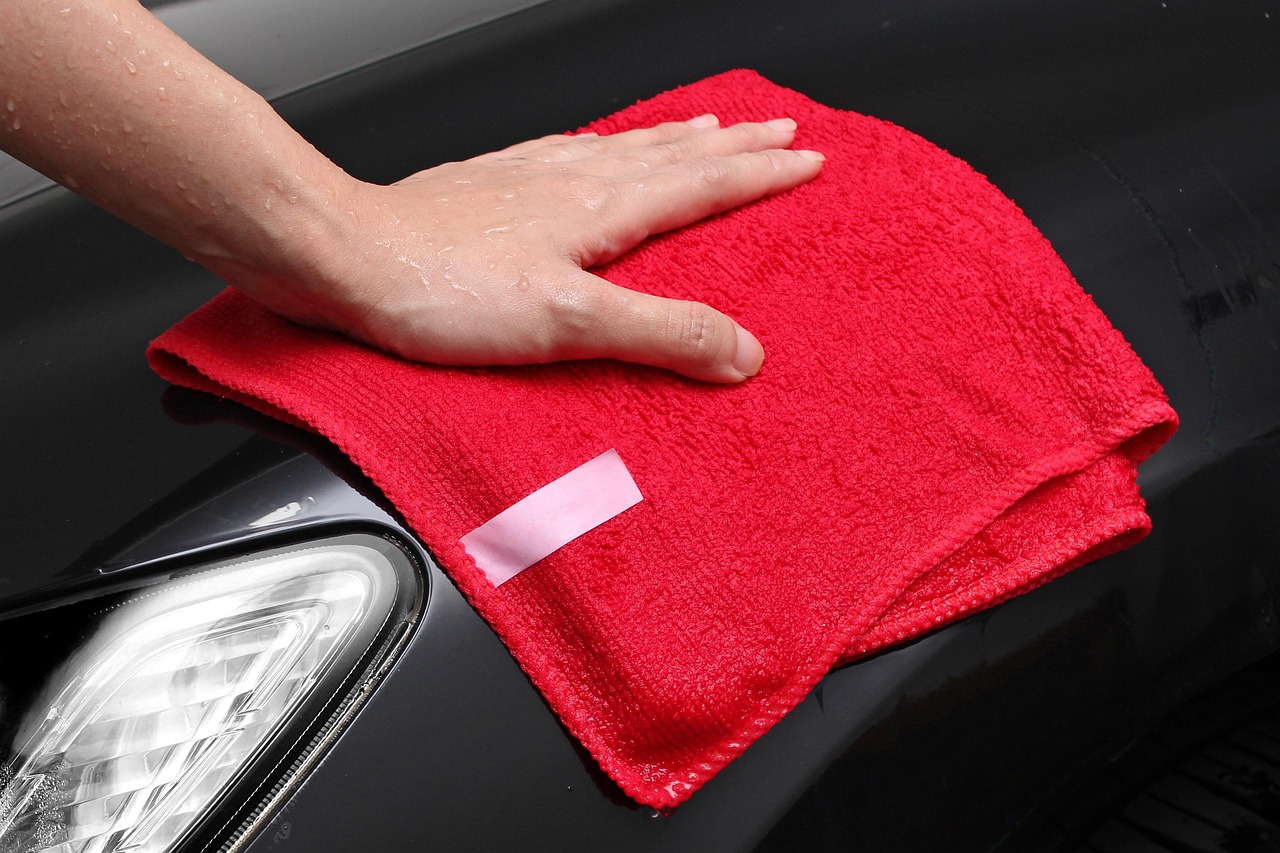
For more household upkeep topics, visit the Care and Maintenance section.
Start with the label, finish and use case
Before choosing a cleaner, identify three things: the visible material, the surface finish and how the furniture is used. A sealed wood dining table can usually tolerate a lightly damp microfiber cloth better than an unfinished antique surface. A removable cushion cover may still be spot-clean only if the fabric, lining or zipper construction is not designed for machine washing. Leather upholstery also needs a different approach from coated faux leather, even when the two look similar.
Manufacturer care labels should come first because they reflect the tested fabric, coating, dye and construction. For upholstered furniture, many labels use cleaning codes. W usually indicates water-based cleaning, S indicates solvent-based cleaning, WS or SW indicates that either water-based or solvent-based cleaning may be acceptable, and X generally means vacuuming or professional care rather than wet cleaning. These codes are useful, but they do not mean the furniture can be soaked. Age, sun fading, previous cleaners, cushion fill and dye stability can all change how a textile reacts.
For wood furniture, the finish matters as much as the species. Varnish, lacquer, shellac, oil and wax finishes behave differently. If the finish is unknown, start with dry dusting, then test any slightly damp cleaning method in a hidden area. For valuable, antique or sentimental pieces, conservative care is usually safer than experimenting with oils, silicone sprays or household stain removers.
Care by material
The table below gives a practical starting point for everyday furniture. It is not a replacement for a product label, but it helps avoid the most common maintenance errors: too much water, too much cleaner, too much friction and too much trust in universal cleaning shortcuts.
| Material | Main risk | Routine care | Avoid |
|---|---|---|---|
| Finished wood and veneer | Water rings, finish dulling, cracking from dry air | Dust with a soft cloth; use a barely damp cloth when needed; dry immediately | Standing water, abrasive pads, frequent oiling, silicone-heavy sprays |
| Unfinished, antique or delicate wood | Staining, finish loss, structural damage | Dry dusting and careful handling; consult a conservator for serious cleaning | DIY stripping, steam, strong detergents, unknown polishes |
| Fabric upholstery | Water marks, dye bleed, residue, shrinkage | Vacuum with an upholstery attachment; follow W, S, WS or X label guidance | Over-wetting, scrubbing, bleach, untested carpet cleaners |
| Leather | Drying, cracking, color transfer, surface abrasion | Dust regularly; blot spills; use leather cleaner only if appropriate for the leather type | Ammonia, harsh solvents, saddle soap on upholstery, direct heat |
| Metal frames and hardware | Corrosion, scratched coatings, loose fasteners | Wipe with a soft dry or slightly damp cloth; dry seams and joints | Acidic cleaners on unknown finishes, steel wool, prolonged moisture |
| Glass, stone and ceramic inserts | Scratches, etching, trapped moisture at edges | Use material-appropriate cleaners; lift inserts carefully and keep edges dry | Abrasives, acidic cleaners on calcareous stone, wet seams |
Build a cleaning routine that prevents damage
Weekly light cleaning
Dust is not harmless. On hard furniture, it can mix with skin oils and airborne particles to create a dull film. On upholstery, dust settles into fibers and can become abrasive when people sit, move or shift cushions. Weekly dusting or vacuuming is one of the lowest-risk maintenance tasks for most furniture.
Use a soft microfiber cloth on hard surfaces and a vacuum upholstery attachment on fabric. On wood, move with the grain when possible and avoid dragging grit across the surface. For carved details, use a soft brush instead of forcing a wet cloth into crevices. If a surface needs moisture, lightly dampen the cloth rather than spraying the furniture directly, then dry the area immediately.
Monthly inspection
Once a month, look beyond visible dirt. Check chair joints, table legs, drawer glides, cabinet hinges, sofa legs, shelf supports and wall anchors. Tighten loose hardware carefully, but do not over-tighten screws in particleboard, veneer or older wood. Inspect felt pads under legs and replace pads that have collected grit or compressed unevenly.
For households with children, the U.S. Consumer Product Safety Commission advises anchoring top-heavy furniture, dressers, bookcases and televisions to reduce tip-over hazards. Cleaning day is a useful time to confirm that anchors remain attached, drawers are not overloaded and tempting climbable objects are not stored on top of tall furniture.
Seasonal maintenance
Seasonal changes can be harder on furniture than routine use. The Canadian Conservation Institute explains that wood absorbs moisture when humidity rises and releases moisture when air becomes dry. That movement can contribute to swelling, shrinking, cracking, veneer problems and finish stress. Direct sunlight can also discolor wood and weaken finishes over time.
At the start of each season, move furniture away from heat vents, radiators, fireplaces and prolonged direct sun where practical. Rotate cushions, check for fading, clean under furniture and inspect hidden areas for pests or moisture. If a room is unusually dry in winter or humid in summer, indoor humidity control may do more for furniture longevity than adding another polish to the shelf.
Respond to spills without making the stain larger
Fast action helps, but aggressive action causes many permanent marks. The safest first response is to blot, not rub. Use a clean white cloth or undyed paper towel so dye does not transfer to the surface. Work from the outside of the spill toward the center to limit spreading.
For finished wood, lift moisture quickly and dry the surface. Do not leave wet towels, plant pots, hot mugs or cleaning bottles sitting on the finish. For fabric upholstery, check the cleaning code before adding liquid. If the code allows water-based cleaning, use minimal moisture and blot repeatedly. If the code is S or X, avoid improvising with water because water rings and backing stains may be harder to remove than the original spill.
For leather, blot liquid spills gently and let the surface air dry away from direct heat. Do not use a hair dryer, space heater or strong sunlight to speed drying. Heat can drive moisture unevenly through leather and worsen stiffness or cracking. For oily stains, ink, dye transfer or unknown marks, professional help is usually safer than repeated household treatments. See also: Building Materials.
Choose cleaning products with safety and residue in mind
A furniture cleaner should be selected for the surface, not for the strongest claim on the bottle. The EPA’s Safer Choice program encourages attention to product ingredients and safer chemical profiles, while EPA cleaning guidance also warns against mixing cleaning products. In particular, bleach should not be mixed with ammonia or other cleaning chemicals because hazardous gases can form.
For routine home furniture care, mild methods are often enough. A dry cloth, vacuum, soft brush and small amount of label-approved cleaner can solve many problems without leaving sticky residues. Residue matters because leftover cleaner can attract more soil, make fabric feel stiff, dull a finish or interact with the next product used on the surface.
Be careful with popular home mixtures. Vinegar, baking soda, dish soap, alcohol and hydrogen peroxide are not universally safe just because they are familiar. Vinegar can damage certain stone surfaces and may affect some finishes. Alcohol can remove dyes or coatings. Dish soap can leave residue if overused. Baking soda can be abrasive when rubbed on delicate finishes. Test first, use less than you think you need and stop if color transfers to the cloth.
Protect furniture from light, heat, humidity and poor handling
Cleaning is only one part of maintenance. A large share of furniture damage comes from the room environment and the way pieces are moved. Light exposure is cumulative for many organic materials, including wood, leather and natural fibers. Curtains, blinds, UV-filtering window film and careful furniture placement can reduce fading and finish stress.
Heat and airflow also matter. Placing furniture directly over vents or beside radiators can dry wood and leather unevenly. Basements, garages and attics may expose furniture to humidity swings, pests, dust and temperature extremes. If furniture must be stored, clean it first, keep it off damp floors, allow air circulation and avoid wrapping it tightly in plastic where condensation can become trapped.
Handle furniture by its strongest structural points. Lift tables rather than dragging them. Remove drawers before moving heavy case goods. Do not lift chairs by arms or backs if the joinery is weak. Protect surfaces with coasters, placemats, desk pads and felt pads under decorative objects. These small habits prevent many scratches, rings and pressure marks that no cleaner can truly erase.
When to call a professional
Some problems should not be treated as weekend cleaning projects. Call a qualified furniture repair specialist, upholsterer, conservator or professional cleaner when you see active mold, deep pet contamination, structural looseness, lifting veneer, flaking finish, severe water damage, valuable antiques, smoke damage or stains that have already reacted badly to home treatment.
Professional care is also sensible when the label is missing and the material is uncertain. A cleaner who can test fabric stability, choose low-moisture methods and extract residue may reduce risk compared with repeated spot treatments. For heirloom or historic wood furniture, conservation-minded advice is especially important because refinishing can reduce historical and material value.
Frequently asked questions
How often should furniture be cleaned?
Most furniture benefits from weekly dusting or vacuuming, monthly hardware and surface checks, and seasonal inspection for sunlight, humidity, pests and wear. High-use dining chairs, sofas and entryway benches may need more frequent attention than display cabinets or guest-room furniture.
Can one all-purpose cleaner be used on every piece of furniture?
No. All-purpose cleaners may be useful on some sealed, nonporous surfaces, but they are not automatically safe for wood finishes, upholstery, leather, stone or aged coatings. Always check the label, test in a hidden area and avoid soaking the surface.
Is furniture polish necessary for wood care?
Not always. Conservation guidance commonly emphasizes stable conditions and regular dusting over frequent polishing. Some polishes can leave residue or build-up. If a polish or wax is appropriate, use it sparingly and only on finishes that can tolerate it.
What should I do if a fabric sofa has no cleaning code?
Start with vacuuming only. Do not guess with water or solvent cleaners, especially on older, sun-faded or delicate upholstery. If the stain matters or the sofa is valuable, ask a professional cleaner or upholsterer to identify the fabric and test for dye stability.
What is the biggest mistake in furniture maintenance?
The most common mistake is using too much moisture or too strong a product too soon. Blotting, dusting, testing and following material-specific guidance may feel slow, but they usually protect furniture better than scrubbing or applying several cleaners in a row.