Leather furniture care and maintenance for everyday homes

a[data-rs-seo-link]{text-decoration:underline!important;color:#1a56db!important;cursor:pointer!important;}a[data-rs-seo-link]{text-decoration:underline!important;color:#1a56db!important;cursor:pointer!important;}
What leather furniture care should focus on first
Leather furniture care and maintenance is not about making a sofa look artificially new. The priority is to protect the surface finish, limit dryness, and remove dust and soil before they become abrasive. A safe routine starts with regular dusting, fast spill response, gentle cleaning only when needed, and sensible placement away from direct sun and heat. Care guides from furniture and leather suppliers consistently warn against harsh cleaners, high-pH products, furniture polish, prolonged sunlight, and nearby heat sources because these can dry leather, dull the finish, or cause uneven fading. (vitra.com)
The right method depends on the leather type. A protected leather family sofa can usually handle more routine wiping than an aniline, nubuck, or waxed leather piece. Before using any cleaner or conditioner, check the furniture label, the brand’s care sheet, or the retailer’s product-care instructions. If that information is not available, test any product in a hidden area first. Stop if the cloth picks up color, the surface darkens unevenly, or the finish feels sticky.
Identify the leather before you clean it
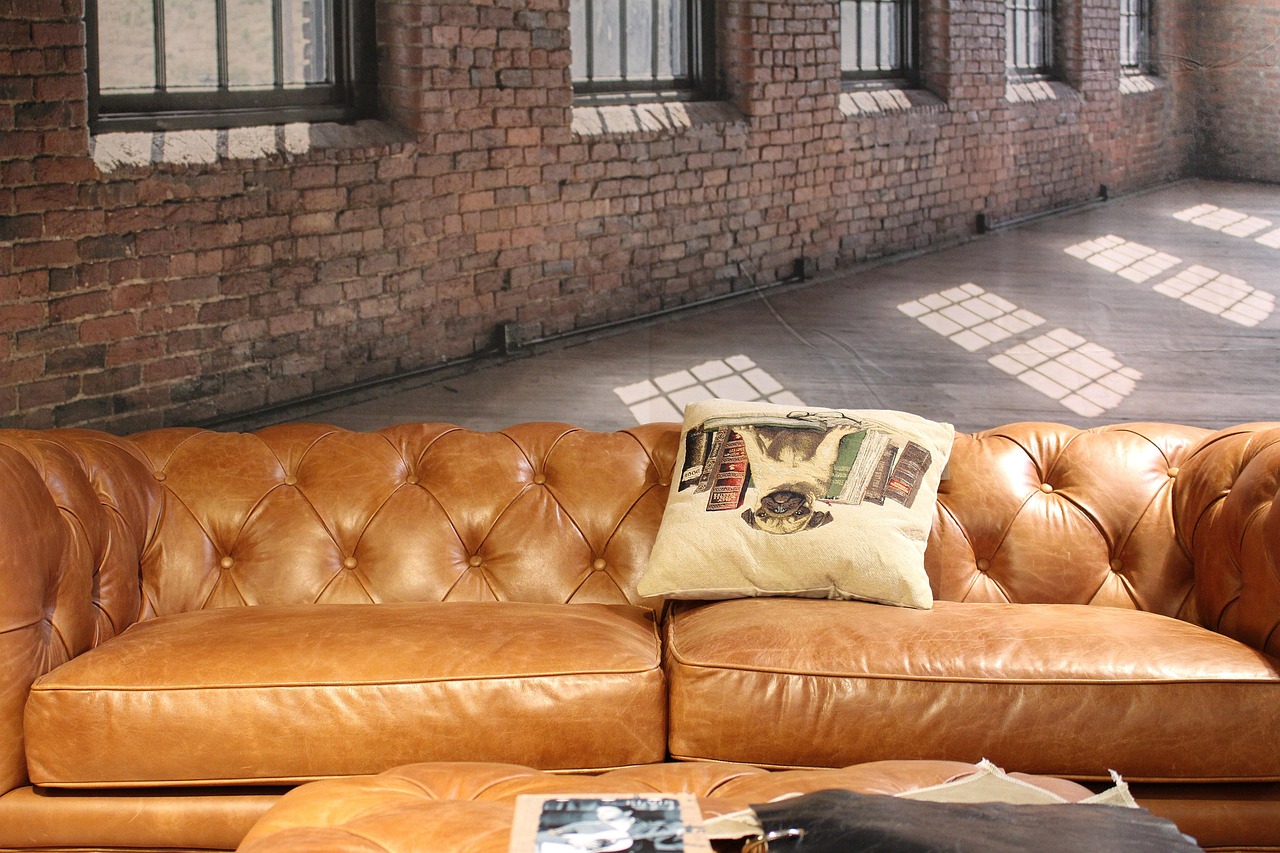
The most common mistake in leather care is treating all leather upholstery the same way. Furniture leather may be finished, semi-aniline, aniline, nubuck, oiled, waxed, corrected grain, top grain, or synthetic leather. Some pieces have a protective coating that improves spill resistance. Others are more absorbent and show marks, body oils, and sunlight exposure more quickly. Room & Board, for example, separates product-care guidance by leather category, including top grain, nubuck, and synthetic materials. BoConcept notes that aniline leather generally has lower color fastness than corrected leather and needs stronger protection from sunlight. (roomandboard.com)
Use the guide below as a starting point, not as a replacement for the manufacturer’s instructions:
| Leather type | Typical behavior | Care implication |
|---|---|---|
| Protected or pigmented leather | Has a more durable surface finish and is often easier to wipe | Use a soft cloth and a mild approved cleaner; avoid soaking seams |
| Semi-aniline leather | Shows more natural grain while retaining some surface protection | Clean gently and test products carefully before broad use |
| Aniline leather | Absorbent, natural-looking, and more likely to show stains or fading | Avoid aggressive spot cleaning; professional help may be safer for stains |
| Nubuck or suede-like leather | Has a raised nap and can darken or flatten with liquid | Use products specifically made for nubuck; avoid ordinary leather creams |
| Waxed or oiled leather | Develops patina and may mark more visibly | Follow the maker’s guidance because standard cleaners can change the finish |
| Synthetic or bonded leather | Not maintained like full leather hide | Avoid leather oils and conditioners unless the care label allows them |
If you are unsure what type of leather you have, dampen a white cloth with distilled water and touch a hidden area lightly. Rapid darkening or color transfer suggests the material is absorbent or unstable, so broad cleaning should wait until the leather is identified.
Build a simple weekly maintenance routine
A steady routine helps prevent two common causes of visible wear: abrasive dust and absorbed body oils. Dust particles act like fine grit when people sit, shift, and slide across the furniture. Body oils build up most often on headrests, armrests, seat fronts, and favorite seating spots. The goal is to remove that buildup before it bonds with the finish.
- Dust weekly with a soft, dry microfiber cloth. Use light pressure. Do not scrub shiny patches or worn areas.
- Vacuum seams and crevices with a soft brush attachment. Crumbs and grit trapped between cushions can scratch leather as the furniture flexes.
- Wipe high-contact areas when needed. If the care label allows damp wiping, use a barely damp cloth and follow with a dry cloth.
- Rotate removable cushions if the design allows it. This helps distribute wear, compression, and light exposure.
- Keep throws and blankets clean. Dye transfer from dark textiles can be difficult to remove from pale leather.
Townsend Leather’s care guidance emphasizes keeping leather free of dust and avoiding high-pH cleaners. Design Within Reach also warns against dust-cleaning products intended for wood furniture because they can stain or damage leather. (townsendleather.com)
For more home material upkeep topics, visit the Care and Maintenance section.
How to clean leather furniture safely
Routine leather cleaning should be conservative. More cleaner does not mean better care. In many homes, dry dusting and occasional light wiping are enough between deeper cleanings. When a cleaner is needed, choose one made for furniture leather and compatible with the specific leather type. Several furniture care guides recommend pH-balanced or leather-specific cleaners rather than general household products. (crateandbarrel.com)
Use the test-clean-dry method
- Read the label first. Look for the upholstery code, care booklet, or online product-care sheet.
- Remove loose soil. Dust and vacuum before applying liquid so grit is not rubbed into the finish.
- Test in a hidden spot. Wait until the test area is fully dry before judging the result.
- Apply cleaner to the cloth, not directly to the sofa. This reduces the risk of rings, spotting, and soaked seams.
- Work in small sections. Use gentle circular motions or straight strokes as directed by the product.
- Remove residue if instructed. Some cleaners require a second wipe with a lightly damp cloth.
- Dry naturally. Do not use a hair dryer, heat gun, radiator, or direct sun to speed drying.
What not to use on leather upholstery
Avoid bleach, ammonia, alcohol-heavy cleaners, abrasive powders, saddle soap unless the furniture maker specifically recommends it, silicone furniture polish, wood polish, wax not intended for the finish, and strong alkaline cleaners. Townsend Leather specifically warns against high-pH cleaners and furniture polish, and multiple furniture-care sources recommend keeping leather away from direct heat and extended sunlight. (townsendleather.com)
Also avoid soaking leather. Water that penetrates seams, stitching, cushion edges, or unfinished backs can create rings, stiffness, or hidden moisture problems. If a sofa has deep tufting or tight channel seams, use less liquid and allow more drying time.
Handle spills and stains by type
Spills need quick attention, but quick does not mean aggressive. Blotting is usually safer than rubbing because rubbing spreads liquid and can abrade the finish. Use a clean white cloth so dye from the cloth does not transfer to the leather.
Water-based spills
For water, coffee, tea, or similar liquids, blot from the outside of the spill toward the center. If the leather is protected and the care label allows damp cleaning, lightly wipe the surrounding panel so the cleaned area dries evenly. Do not leave a wet outline. Follow with a dry cloth and let the piece air dry away from heat.
Grease and body oil
Grease stains are more difficult because oils can migrate into leather. Blot fresh grease without pressing it deeper. Do not add water immediately unless the care instructions call for it. For absorbent leather, it is often safer to ask a leather-care professional before trying household remedies. Powder, solvents, and strong degreasers can create a larger mark than the original stain.
Ink, dye transfer, and pet accidents
Ink and dye transfer require extra caution. Many online tips recommend alcohol, but alcohol can strip or disturb leather finishes. Pet urine is also difficult because it can affect odor, color, and internal padding. For these problems, the lowest-risk approach is to blot, document the issue, and contact the furniture maker or a leather repair specialist.
Control sunlight, heat, and humidity
Placement is part of maintenance. A sofa under a sunny window or beside a fireplace can age faster than the same sofa in a more stable room. Vitra advises keeping leather furniture away from direct sunlight and heat sources because leather can dry out and become rigid. La-Z-Boy advises avoiding direct sun and keeping leather furniture at least 12 inches from radiators and other heat sources. (vitra.com)
Good placement practices include: See also: Building Materials.
- Use curtains, shades, or UV-filtering window treatments where strong sun hits the furniture.
- Leave space between leather furniture and radiators, fireplaces, heating vents, or sunny glass doors.
- Avoid storing leather furniture in garages, damp basements, or unconditioned rooms.
- Keep indoor conditions reasonably stable rather than swinging between very dry and very humid.
- Move decorative pillows occasionally so light and pressure marks do not form in one outline.
Humidity matters because leather is a natural material that reacts to its environment. Very dry indoor air can encourage stiffness and cracking over time, while excessive moisture can create other problems, especially for natural or unfinished leathers. Design Within Reach recommends maintaining consistent humidity in the home to reduce excessive expansion and contraction in furniture components. (dwr.com)
Condition leather without overdoing it
Conditioning can help some leather finishes feel supple, but it is not a universal cure. The wrong conditioner can darken absorbent leather, leave sticky residue, attract dust, or interfere with factory finishes. Finished leather, aniline leather, nubuck, waxed leather, and synthetic leather do not respond the same way.
If the manufacturer recommends conditioning, use a conditioner formulated for furniture leather and apply it only to clean, dry leather. Crate & Barrel recommends conditioning leather twice a year, while also emphasizing pH-balanced cleaning, prompt spill care, and protection from heat and direct sunlight. (crateandbarrel.com)
A careful conditioning process looks like this:
- Clean dust and surface soil first.
- Test the conditioner in a hidden area and let it dry completely.
- Apply a very thin, even layer with a soft cloth.
- Buff away excess product according to the instructions.
- Wait before sitting on the furniture so product does not transfer to clothing.
Do not use cooking oil, olive oil, petroleum jelly, shoe polish, automotive products, or random “leather restorers” on furniture upholstery. These may temporarily darken or shine the surface, but they can also leave long-term residue or uneven color.
A practical maintenance calendar
A calendar helps homeowners care for leather without turning maintenance into guesswork. Adjust the schedule for pets, children, heavy use, dry climates, bright windows, and light-colored upholstery.
| Frequency | Task | Why it matters |
|---|---|---|
| Daily or as needed | Blot spills immediately and remove crumbs | Prevents staining and abrasive grit |
| Weekly | Dust with microfiber and vacuum seams with a soft brush | Reduces surface wear from dust and debris |
| Monthly | Inspect headrests, armrests, cushion fronts, and sun-exposed areas | Finds oil buildup, fading, or dryness early |
| Every 3 to 6 months | Lightly clean high-contact areas if the care label allows it | Removes body oils before they become stubborn |
| Twice a year if recommended | Condition compatible leather with an approved product | Supports suppleness without unnecessary product buildup |
| As needed | Call a professional for ink, dye transfer, deep grease, cracking, or pet damage | Reduces the risk of making damage worse |
This schedule is intentionally moderate. Over-cleaning can be just as harmful as neglect, especially on delicate or absorbent leather. The best routine is the least aggressive one that keeps the furniture clean, dry, and protected from avoidable stress.
Frequently asked questions
Can I clean leather furniture with soap and water?
Only if the furniture maker allows it, and even then the cloth should be lightly damp rather than wet. Some care guides allow neutral soap in limited situations, but leather type and finish matter. Always test in a hidden area first and dry the surface naturally.
How often should I condition a leather sofa?
Condition only when the manufacturer recommends it and when the product is compatible with the leather. Some finished leathers may benefit from periodic conditioning, while nubuck, waxed, oiled, or synthetic materials may need different care. Twice yearly is a common retailer recommendation for compatible leather, but the care label should take priority.
Why is my leather sofa cracking?
Cracking can come from age, dryness, heat, sun exposure, worn finish, lack of maintenance, or earlier use of harsh cleaners. Once leather is cracked, ordinary conditioner may improve feel but will not truly rebuild the damaged grain. A leather repair professional can advise whether recoloring, filler, panel replacement, or reupholstery is realistic.
Is sunlight really that bad for leather furniture?
Yes. Prolonged direct sunlight can contribute to fading, drying, and uneven aging. The risk is higher near large windows, glass doors, skylights, and sunrooms. Window coverings and better placement are often more effective than trying to correct fading after it happens.
Can I use household disinfecting wipes on leather?
It is safer not to use them unless the furniture manufacturer specifically approves them. Many wipes contain alcohol, solvents, fragrances, or other ingredients that may affect leather finishes. For hygiene concerns, use a leather-compatible cleaner and follow the maker’s contact-time and drying instructions if provided.
The bottom line
Good leather furniture care is simple but specific: know the leather, dust often, clean gently, avoid harsh chemistry, manage spills quickly, protect the furniture from sun and heat, and condition only when appropriate. The safest maintenance plan respects the original finish instead of forcing every sofa, chair, or sectional into the same cleaning routine. When in doubt, choose the least aggressive method and verify the manufacturer’s guidance before applying any product across a visible surface.