Bed design ideas for modern bedrooms in 2026
a[data-rs-seo-link]{text-decoration:underline!important;color:#1a56db!important;cursor:pointer!important;}a[data-rs-seo-link]{text-decoration:underline!important;color:#1a56db!important;cursor:pointer!important;}
What makes a strong bed design now
Bed design in 2026 is less about selecting a fashionable frame and more about solving the room’s main planning problem. A good bed starts with the basics: mattress fit, walking clearance, storage needs, headboard comfort, lighting access, safety, and the overall mood of the bedroom. Current industry signals point to softer silhouettes, tactile upholstery, warm wood, earthy color, wellness-focused rooms, and flexible furniture for compact spaces. Those signals are useful, but the most durable choice is still the one that works in daily use. A low platform bed can calm a small room. A storage bed can reduce the need for extra case goods. An upholstered headboard can make reading or sitting up in bed more comfortable. For more furniture planning ideas, explore the Furniture Design section.
Trend signals worth using carefully
Several 2026 design reports help explain why bed design is moving toward comfort, texture, and adaptability. The American Society of Interior Designers released its 2026 Trends Outlook on January 27, 2026, describing a market shaped by wellness, lifestyle change, sustainability, technology, economic pressure, and the search for long-term value. For bedrooms, the implication is practical: homeowners are more likely to ask whether the bed supports rest, flexibility, and daily routines, not just whether it looks current.
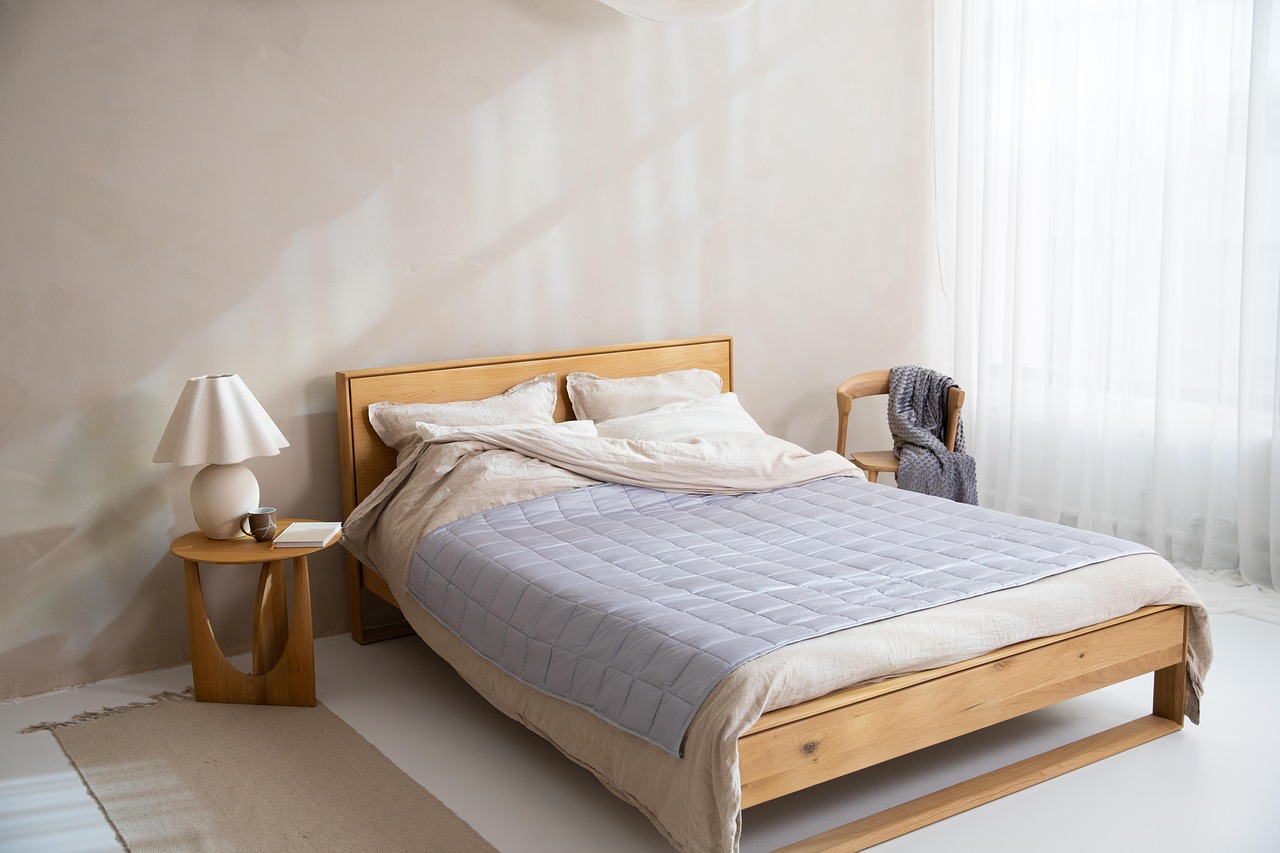
Houzz’s 2026 U.S. Emerging Summer Trends Report, released on May 20, 2026, reported year-over-year growth in searches for terms such as “wellness room,” “calming,” and “biophilic design” during January to March 2026 compared with the same period in 2025. The same report highlighted interest in curves, tactile surfaces, warm earthy colors, and sensory-rich interiors. These are broad home-design signals rather than rules for every bedroom, but they help explain why curved beds, soft headboards, layered bedding, wood texture, and calmer palettes are showing up more often.
Bedroom-specific Houzz roundups published on April 8 and July 20, 2026, point to similar themes in most-saved bedroom photos: layered bedding, wall treatments behind the bed, wood beams and wood frames, curved upholstered beds, tall linen headboards, warm neutrals, and small-space solutions such as Murphy beds with built-in storage. The useful takeaway is not to copy a photo exactly. It is to translate the pattern: make the bed a comfortable focal point, then reduce visual noise around it.
Start with size, circulation, and mattress fit
The most attractive bed design can fail if the frame is too large, the mattress overhangs, drawers cannot open, or nightstands are forced into unusable gaps. In February 2026, ISO published ISO 24975:2026, a standard covering measurement methods and recommended tolerances for adult-size mattresses, bed frames, divans, and bed bases. For buyers, designers, and retailers, the practical lesson is straightforward: confirm actual dimensions, not only size names.
The International Sleep Products Association’s mattress size reference gives common U.S. mattress dimensions with allowable variances. Frame dimensions may be larger, especially for upholstered beds, storage beds, sleigh beds, canopy beds, or wide platform bases.
| Mattress type | ISPA reference size | Design note |
|---|---|---|
| Twin | 38 in x 74.5 in | Useful for kids’ rooms, guest rooms, and daybed-style layouts. |
| Twin XL | 38 in x 79.5 in | Better for taller sleepers and compact adult spaces. |
| Full or double | 53 in x 74.5 in | Works for one adult, but can feel tight for two sleepers. |
| Queen | 60 in x 79.5 in | The most common planning size for many primary and guest bedrooms. |
| King | 76 in x 79.5 in | Comfortable for couples, but needs generous circulation. |
| California king | 72 in x 83.5 in | Longer and slightly narrower than a standard king. |
Before ordering, measure the room, the mattress, the total frame footprint, and the swing or pull-out area of drawers. If the bed has a thick upholstered rail, a winged headboard, an extended platform, or an integrated bench, add those inches to the layout plan. A useful design rule is to preserve comfortable walking paths on the sides people actually use, even if one side must be narrower in a small room.
Choose the bed type by the room problem
A bed is both furniture and architecture. It sets the visual center of the room, the height line, the storage strategy, and the relationship between the sleeper and nearby surfaces. Instead of starting with style labels, start with the room problem.
Platform beds for low visual weight
Platform beds work well when the room needs a calmer, lower profile. They pair naturally with contemporary, Japandi, warm modern, and minimalist interiors. A platform can make ceilings feel taller and reduce the need for a box spring, but it may not suit users who prefer a higher sitting surface. Check slat spacing and mattress support requirements before purchasing.
Upholstered beds for softness and reading comfort
Upholstered beds continue to fit the 2026 move toward tactile, comfortable rooms. Linen-look fabrics, bouclé-style textures, velvet, performance fabrics, and channel tufting can make the bed feel more inviting. The trade-off is maintenance. Upholstery collects dust and may show wear in homes with pets, children, or strong sunlight. Removable or stain-resistant textiles are worth considering where the bed will see heavy use.
Storage beds for smaller homes
Storage beds are most useful when the bedroom lacks closets, dressers, or seasonal storage. Drawers are convenient if side clearance is available. Lift-up hydraulic storage can hold bulky items, but users should check mechanism quality, weight limits, ventilation, and ease of access. Storage should not turn the bed into a hard-to-clean dust trap.
Canopy and poster beds for height and structure
Canopy and poster beds add vertical structure and can make a large bedroom feel more complete. They are less successful in low-ceiling rooms or tight layouts. Choose slimmer posts for transitional rooms, and reserve heavier wood posts for rooms with enough scale to support them.
Murphy beds and wall beds for flexible rooms
Murphy beds are increasingly relevant as bedrooms double as offices, guest rooms, or studio living spaces. The strongest designs integrate side cabinets, lighting, and a simple bedside surface. Safety, installation quality, wall anchoring, and daily ease of use matter more than the novelty of the mechanism.
Materials, headboards, and colors that age well
The bed’s material strongly affects how the whole bedroom reads. Wood frames bring warmth and durability, especially in oak, walnut, ash, teak-look finishes, and lightly stained tones. Upholstered beds add acoustic softness and visual comfort. Metal frames can be elegant and space-efficient, although thin metal may feel less substantial unless the design is well made.
Headboards deserve special attention because they form the bedroom’s main vertical surface. In 2026, the strongest headboard ideas include tall upholstered panels, curved or rounded tops, fluted or slatted wood, integrated bedside shelves, wall-mounted padded panels, and headboards that continue into a larger wall treatment. A tall headboard can balance high ceilings. A low horizontal headboard can make a narrow room feel wider. A winged headboard adds privacy and hotel-like comfort, but it also needs more width. See also: Building Materials.
Color is moving warmer, but that does not mean every bedroom should become brown or beige. Houzz’s 2026 summer trend data showed increased search interest in earthy tones such as rust, chocolate brown, mushroom, sage, taupe, and cream. In bed design, these colors often work best as layered neutrals: a warm wood frame, cream bedding, a textured rug, muted green accents, or a chocolate nightstand. The goal is depth, not heaviness.
Storage, lighting, and safety details
The difference between a good-looking bed and a good bed design often appears in the details around it. Bedside lighting should be reachable from the pillow, not just centered for symmetry. Wall sconces save nightstand space, but their height and projection should be checked so users do not hit them when sitting up. Pendant lights can look elegant beside a bed, but they require careful placement and switching.
Storage should be planned around behavior. If the user changes bedding often, under-bed drawers may be more practical than deep lift-up storage. If the room is narrow, a storage bench at the foot of the bed may block circulation. If a nightstand is too small, a headboard shelf or built-in niche may work better.
Safety is especially important for bunk beds and loft beds. Current U.S. Consumer Product Safety Commission guidance distinguishes children’s bunk bed requirements from adult bunk bed requirements and focuses on reducing entrapment and fall risks. Federal rules require upper bunk guardrails to remain at least 5 inches above the top of the mattress when the specified mattress is used. Bunk bed instructions must also state proper mattress size and thickness and include warnings such as not allowing children under 6 years old to use the upper bunk, using guardrails on both sides, and using the ladder for entry and exit.
A practical decision matrix for bed design
Use the table below to narrow options before comparing finishes or prices. It turns trend research into a room-by-room planning checklist.
| Design goal | Bed design to consider | Check before buying |
|---|---|---|
| Calm modern bedroom | Low platform bed, soft upholstered bed, warm wood frame | Final sleep height, mattress support, dust clearance. |
| More hidden storage | Drawer storage bed or lift-up storage bed | Side clearance, mechanism quality, ventilation, weight limit. |
| Reading or lounging in bed | Padded headboard, angled headboard, wall-mounted cushion panels | Headboard height, fabric durability, pillow arrangement. |
| Small guest room | Daybed, Murphy bed, compact platform, twin XL | Open-floor clearance, wall anchoring, bedding storage. |
| Large primary bedroom | Canopy bed, tall upholstered bed, extended headboard wall | Ceiling height, nightstand scale, visual balance. |
| Shared children’s room | Bunk bed or loft bed from a compliant manufacturer | Guardrails, ladder, mattress thickness, age restrictions. |
For most homes, the safest design sequence is to choose the mattress size, verify the frame footprint, map circulation, decide whether storage is needed, select a headboard height, and then choose materials and color. That order helps prevent a common mistake: falling in love with an image that does not fit the room, the sleeper, or the budget.
Frequently asked questions
What bed design is most practical for a small bedroom?
A storage platform, compact upholstered bed, daybed, or Murphy bed is usually more practical than a bulky sleigh or canopy bed. The right choice depends on whether the room needs floor space, drawer storage, or a guest-sleeping function. Measure the full frame, not only the mattress.
Are low platform beds still in style in 2026?
Yes. Low platform beds still fit many modern bedrooms, especially where the goal is a calm, grounded look. They are not ideal for everyone, though. Users with knee, hip, or mobility concerns may prefer a higher bed that is easier to sit on and stand from.
Is an upholstered bed a good long-term choice?
An upholstered bed can be a strong long-term choice when the fabric suits the household. Performance textiles, tighter weaves, removable covers, and medium-tone colors usually age better than delicate light fabrics in high-use rooms.
How should I choose between a queen and king bed?
Choose a queen if the room needs better circulation, larger nightstands, or additional storage furniture. Choose a king if two sleepers need more width and the room can still support comfortable movement. ISPA survey data from 2022 found queen mattresses were the most common among U.S. adults, followed by king and California king sizes.
What should I check before buying a bunk bed?
Check that the bunk bed is designed for the intended user group, includes proper labeling and instructions, specifies mattress size and thickness, has guardrails on both sides of the upper bunk, and follows current safety requirements. Children under 6 should not use the upper bunk.