Building construction materials and how to choose them for code, cost and carbon
a[data-rs-seo-link]{text-decoration:underline!important;color:#1a56db!important;cursor:pointer!important;}a[data-rs-seo-link]{text-decoration:underline!important;color:#1a56db!important;cursor:pointer!important;}
What building construction materials include
Building construction materials are the structural, enclosure, interior and auxiliary products that allow a project to stand, perform and last. In practice, the choice is rarely just concrete versus steel, or wood versus masonry. A sound material decision weighs code compliance, structural capacity, fire performance, moisture exposure, service life, procurement risk, labor familiarity, repairability and embodied carbon.
For contractors, owners and specifiers, the useful question is not which material is better in general. It is which material fits the building type, local hazards, budget, schedule and long-term performance target. This guide covers the main material families used in buildings and the checks that should be completed before a product is written into a specification or purchased. For related industry coverage, see our building materials section.
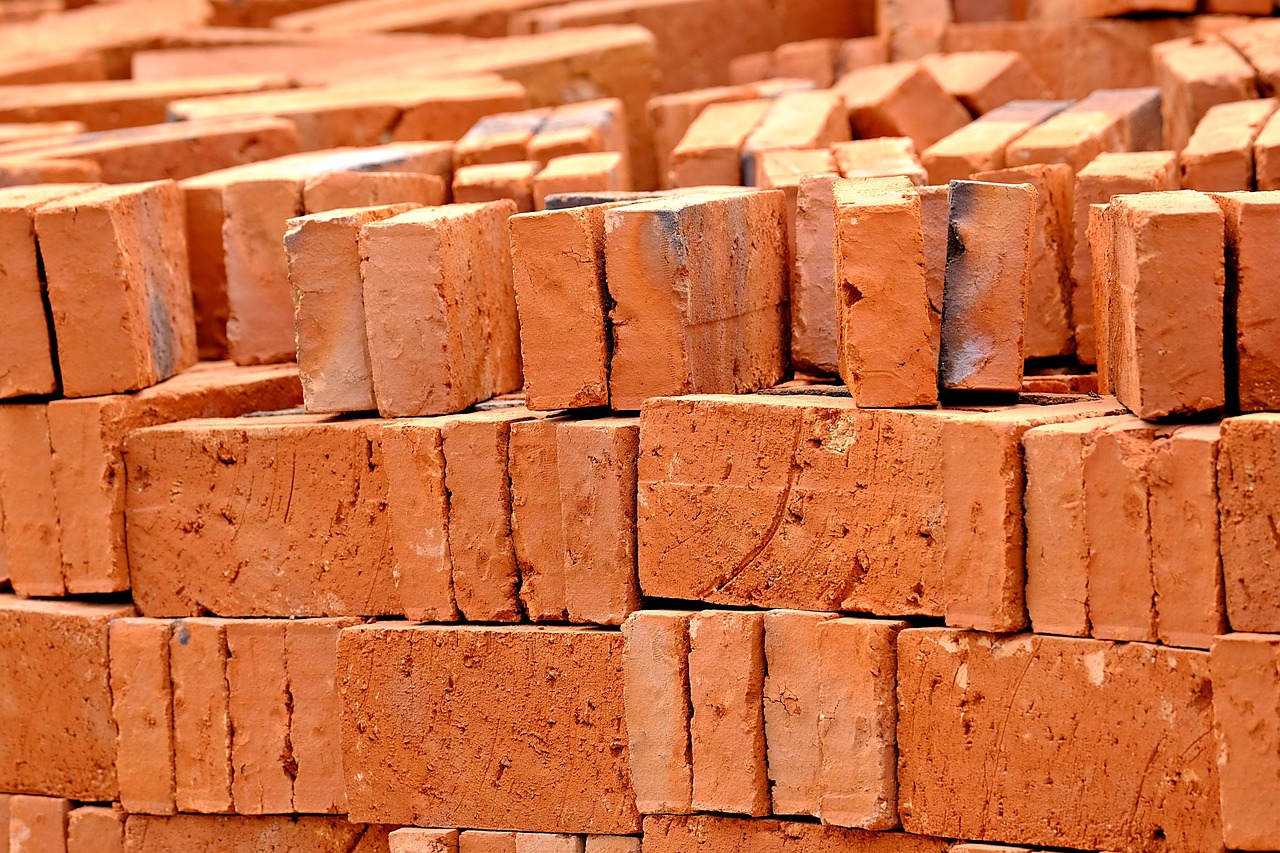
The main material families in modern construction
Most buildings rely on a system of materials rather than one dominant product. Even a simple low-rise structure may combine concrete foundations, wood or steel framing, gypsum interiors, insulation, membranes, roofing, coatings, fasteners and sealants. The table below gives a practical view of common material families and the decisions they usually trigger.
| Material family | Typical uses | Main decision checks |
|---|---|---|
| Concrete and cement-based products | Foundations, slabs, walls, columns, precast units, masonry mortar | Strength, exposure class, curing, cement content, reinforcement, availability, embodied carbon |
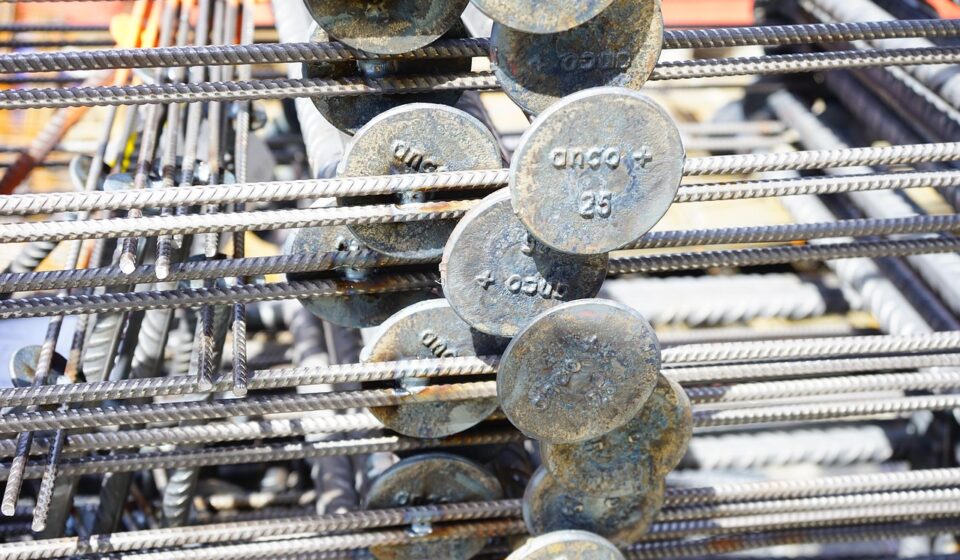
| Steel | Structural frames, rebar, metal deck, cold-formed framing, connectors | Load path, fire protection, corrosion control, recycled content, fabrication lead time |
| Wood and engineered wood | Light framing, sheathing, floor systems, beams, mass timber panels | Moisture protection, fire detailing, structural grade, sourcing, dimensional stability |
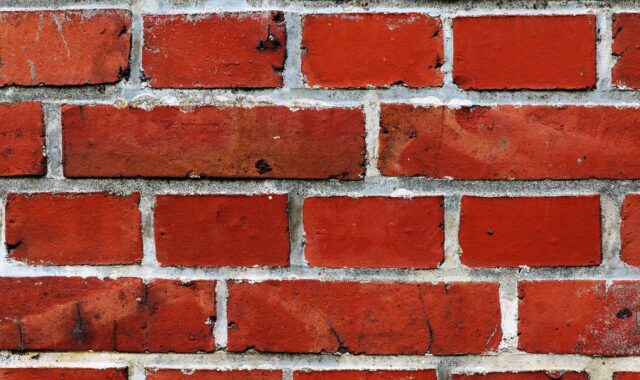
| Masonry | Load-bearing walls, veneers, partitions, fire-rated assemblies | Compressive strength, reinforcement, mortar type, water management, seismic detailing |
| Glass and aluminum | Windows, curtain walls, storefronts, doors, skylights | Thermal performance, wind load, water penetration, condensation risk, maintenance access |
| Insulation and air-control materials | Walls, roofs, foundations, mechanical spaces | R-value, fire classification, vapor profile, air sealing, moisture tolerance, installation quality |
| Gypsum and interior boards | Partitions, ceilings, shaft walls, fire-rated assemblies | Fire rating, impact resistance, moisture exposure, acoustic performance, finish level |
| Roofing and waterproofing | Roofs, below-grade walls, balconies, wet areas | Climate exposure, drainage, UV resistance, compatibility, maintenance cycle |
Start with code and performance, not the catalog
Material selection should begin with the applicable building code and the required performance of the assembly. In U.S.-style practice, model codes such as the International Building Code and International Residential Code set the framework, but local adoption, amendments and authority-having-jurisdiction decisions can change what is acceptable. A product that works for one occupancy, height or climate zone may be restricted, or may require different detailing, in another.
The 2024 International Building Code organizes construction types around fire-resistance and combustibility requirements. Type I and Type II buildings are generally built around noncombustible construction, with specific permitted exceptions, while Type V construction allows structural elements and walls made of materials permitted by the code. For residential work, the 2024 International Residential Code describes wall construction categories including wood framed, cold-formed steel framed, masonry, concrete and structural insulated panel systems. These categories show why material choice is tied to occupancy, height, fire separation, wall assembly and load path.
- Structural capacity: Confirm gravity, lateral, wind, seismic and serviceability requirements before comparing materials.
- Fire performance: Review fire-resistance ratings, flame spread, smoke development and protection requirements for the full assembly, not only the product.
- Moisture and flood exposure: Match materials to rain, vapor drive, ground contact, wet rooms and potential flooding.
- Energy performance: Consider insulation continuity, thermal bridging, air leakage and condensation control.
- Indoor environment: Check emissions, dust, mold resistance, acoustics and cleaning requirements where relevant.
- Constructability: A high-performance material can still fail if the project lacks the labor, sequencing or weather protection needed to install it correctly.
Durability and service life shape real value
Lowest first cost is not the same as lowest project cost. A cheaper cladding, membrane or flooring system can become expensive if it shortens the maintenance cycle, increases water intrusion risk or requires early replacement. Durability is also not a generic property. It depends on exposure, detailing, installation, maintenance and compatibility with adjacent materials.
Moisture exposure
Moisture remains one of the main drivers of material failure. Wood can perform well for decades when kept dry and ventilated, but it needs protection from repeated wetting. Steel needs corrosion control where humidity, salts or chemicals are present. Concrete and masonry require attention to cracking, drainage, freeze-thaw exposure and reinforcement protection. Insulation performance can also change if water enters the assembly or if vapor is trapped in the wrong layer.
Flood and hazard conditions
Hazard exposure can narrow the acceptable material list. FEMA updated its flood-damage-resistant materials guidance in Technical Bulletin 2 in January 2025, reinforcing the point that materials below flood design levels must be selected for exposure, cleanability and damage tolerance. In wildfire, hurricane, seismic or coastal zones, the material decision should be reviewed against the governing code, local hazard maps and the project engineer’s requirements rather than treated as a standard catalog substitution.
Maintenance and replacement
A material with a higher initial price may deliver better value if it reduces repainting, sealing, corrosion repair, water damage, cleaning or replacement. The most useful comparison includes the service life of the assembly, not only the unit cost of a board, panel, roll or cubic yard. This is especially important for roofs, façades, windows, below-grade waterproofing and high-traffic interiors, where access and disruption often cost more than the material itself.
Cost and availability are moving targets
Construction material cost is affected by energy prices, freight, labor, regional demand, plant capacity, imports, tariffs and seasonal construction cycles. Public data can show direction, but project teams still need current supplier quotes and lead-time checks. The U.S. Geological Survey reported in its 2026 Mineral Commodity Summaries that U.S. portland and blended cement production decreased to an estimated 82 million tons in 2025 from an estimated 83 million tons in 2024, while masonry cement production decreased to an estimated 2.1 million tons. The same USGS summary noted that tariffs imposed in 2025 directly and indirectly affected construction materials markets.
Those figures do not tell an individual project what concrete, block or mortar will cost next month. They do show why material selection should include procurement risk. A technically attractive material can create schedule problems if it depends on a single supplier, special fabrication, long-distance freight or unfamiliar installation crews.
- Request lead times at schematic design, design development and preconstruction rather than waiting until purchase orders are ready.
- Identify acceptable alternates early, including performance criteria and approval procedures.
- Check whether substitutions change fire ratings, structural calculations, warranties or environmental documentation.
- Separate commodity risk from specialty risk. Rebar, cement, gypsum board and insulation move differently from custom curtain wall, specialty coatings or imported stone.
- Do not assume recycled, bio-based or low-carbon products are automatically scarce or automatically available. Verify by region and project scale.
Embodied carbon is becoming a specification issue
Embodied carbon is the greenhouse gas impact associated with extracting, manufacturing, transporting, installing, maintaining and eventually replacing building materials. It does not replace structural safety, durability or code compliance, but it is increasingly part of procurement decisions. The 2025–2026 Global Status Report for Buildings and Construction, prepared through the Global Alliance for Buildings and Construction with UN Environment Programme participation, cited IEA estimates that cement, steel and aluminum used in construction represented a meaningful share of total building-sector emissions in 2024. That is why heavy materials such as cement, steel and aluminum receive close attention in low-carbon building discussions. See also: Buying Guides.
In the United States, federal activity has also pushed the market toward disclosure. The Inflation Reduction Act of 2022 provided funding for EPA work on lower embodied carbon construction materials, including data quality, reporting, verification and labeling efforts. EPA technical documents released in 2024 and 2025 placed emphasis on environmental product declarations, product category rules and more consistent measurement across material categories.
How EPDs fit into procurement
An environmental product declaration, or EPD, is not a simple green label. It is a standardized disclosure based on life cycle assessment rules for a product category. EPA and ASTM materials both point to the role of product category rules in making Type III EPDs more comparable. In procurement, EPDs should be compared within the same product category, declared unit and boundary conditions. A concrete mix EPD should not be treated as directly comparable to a steel EPD or a timber EPD without a full system-level analysis.
Practical low-carbon choices
Common reduction strategies include optimizing structural design to avoid unnecessary material, using supplementary cementitious materials where allowed, selecting efficient steel sections, considering high-recycled-content steel where documented, reducing waste, designing for longer service life and choosing assemblies that can be repaired rather than removed. Wood and mass timber may reduce embodied carbon in some applications, but they still require attention to sourcing, fire design, moisture protection, acoustics and local code acceptance. The right approach is performance-based comparison, not material loyalty.
How to compare alternatives without oversimplifying
Material comparisons often fail when they isolate one metric. A wall system may look affordable on material price but require more labor. A façade may show lower embodied carbon but perform poorly in a coastal environment. A structural system may reduce steel tonnage but increase floor depth, façade area or mechanical coordination issues. The better comparison is assembly against assembly, using the same project assumptions.
| If the priority is | Compare these factors | Avoid this shortcut |
|---|---|---|
| Lower initial cost | Installed cost, labor productivity, waste, equipment, schedule impact | Choosing only by unit price |
| Code compliance | Occupancy, height, fire rating, structural design, local amendments | Assuming a product approval applies everywhere |
| Durability | Exposure, maintenance access, replacement cycle, detailing quality | Relying on generic service-life claims |
| Lower carbon | EPDs, quantity takeoff, design efficiency, replacement frequency | Comparing unrelated products by one number |
| Schedule certainty | Lead time, supplier depth, installer experience, weather sensitivity | Approving unfamiliar alternates too late |
A practical checklist before specifying or buying
- Define the function: Structural frame, enclosure, thermal layer, fire barrier, finish, sealant or accessory.
- Confirm the code path: Identify the adopted code edition, local amendments, occupancy, construction type and required ratings.
- Set measurable performance: Strength, R-value, vapor profile, acoustic rating, impact resistance, slip resistance or chemical resistance as needed.
- Review exposure: Moisture, freeze-thaw, UV, salts, termites, flood potential, chemicals, heat and maintenance access.
- Check compatibility: Sealants, coatings, fasteners, membranes and metals can interact in ways that affect corrosion, adhesion or warranty.
- Ask for documentation: Test reports, code evaluation reports, safety data sheets, EPDs, warranties and installation instructions should match the exact product.
- Verify supply and labor: Confirm lead time, minimum order quantities, installer qualifications and storage requirements.
- Evaluate whole-system impact: Include waste, rework risk, replacement cycle, embodied carbon and effect on adjacent assemblies.
- Record approved alternates: A clear substitution list protects schedule while keeping performance requirements intact.
Frequently asked questions
What are the most common building construction materials?
The most common families include concrete, steel, wood, masonry, glass, aluminum, insulation, gypsum board, roofing membranes, waterproofing, coatings, adhesives and fasteners. Most buildings combine several of these materials into structural, enclosure and interior assemblies.
Is concrete or steel more sustainable?
Neither is automatically more sustainable in every project. Concrete, steel and aluminum are carbon-intensive at global scale, but the answer depends on quantity, structural efficiency, recycled content, cement mix design, transport, durability, replacement and the availability of verified EPDs. A fair comparison evaluates the whole building system.
Should every project require EPDs?
EPDs are most useful where material quantities are large or where owners have embodied carbon targets. They are especially relevant for concrete, steel, aluminum, insulation, glass and gypsum products. Smaller projects may start by requesting EPDs for major materials first, then expand as suppliers and designers become more familiar with the data.
What is the first step in choosing a material?
Start with the function and code requirements. Decide what the material must do, what hazards it will face, what ratings are required and how it connects to adjacent assemblies. Only then compare brands, prices, carbon data and availability.
How often should material choices be reviewed?
Material choices should be reviewed at each major design stage and again before procurement. Codes, local interpretations, lead times, prices, product data and environmental documentation can change between early design and construction, so a late verification step reduces substitution and delay risk.