Bedroom furniture design ideas for smaller, calmer and more flexible rooms
a[data-rs-seo-link]{text-decoration:underline!important;color:#1a56db!important;cursor:pointer!important;}a[data-rs-seo-link]{text-decoration:underline!important;color:#1a56db!important;cursor:pointer!important;}
What good bedroom furniture design needs to solve now
Bedroom furniture design is no longer simply about selecting a bed frame, two nightstands and a matching dresser. A useful bedroom plan has to balance rest, storage, safety, circulation, materials and, in many homes, a compact work or dressing function. The best starting point is the room itself: where doors swing, how drawers open, where natural light falls and which items need daily access. Once those constraints are clear, furniture can support a calmer sleep zone instead of just filling the floor plan.
This guide treats bedroom furniture as a system. It connects layout, storage, finishes and safety details so each piece has a clear role. For more related ideas across interiors and materials, visit the Furniture Design section.
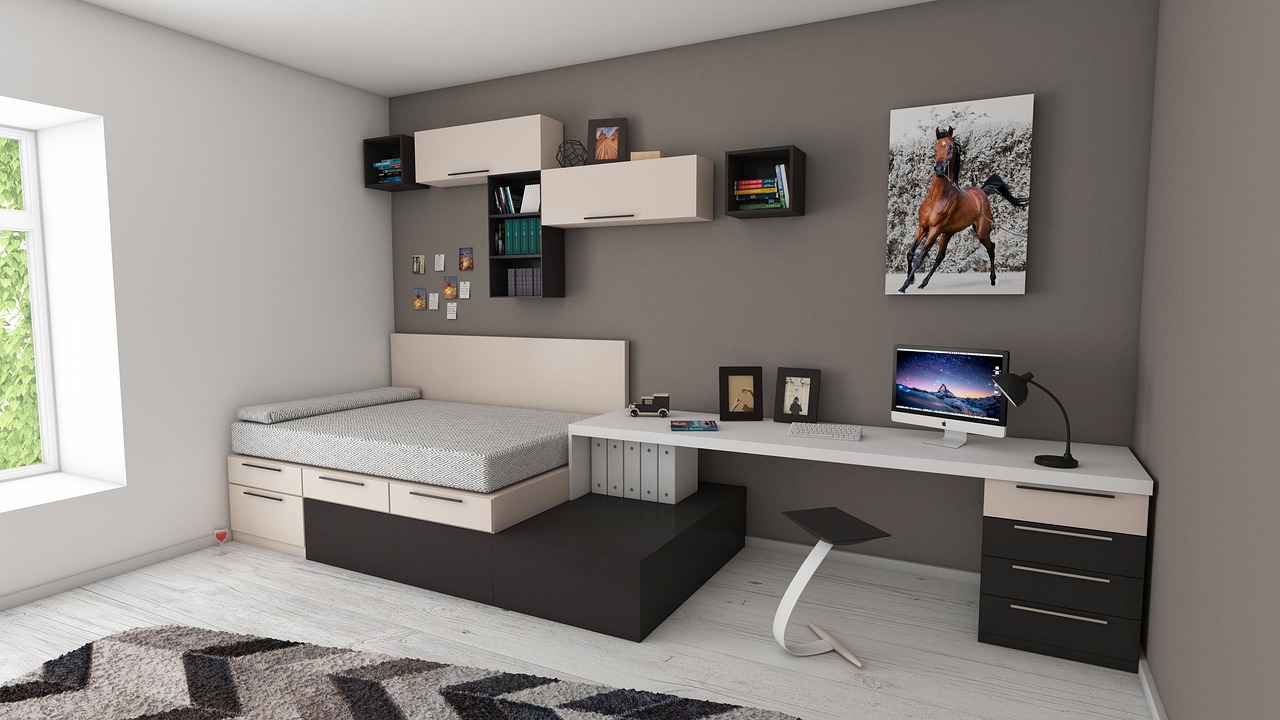
Why bedrooms are being designed to work harder
Smaller and more expensive homes are changing how bedrooms are furnished. The National Association of Home Builders reported that the median new-home size fell from 2,200 square feet in 2023 to 2,150 square feet in 2024, the lowest level in 15 years. That figure does not mean every bedroom is shrinking, but it does show why furniture is expected to provide more function per square foot. (nahb.org)
The bedroom is also becoming more mixed-use. It remains a sleep space first, but it often has to absorb clothing storage, personal care, reading, charging, occasional work and seasonal items. The design challenge is to support those activities without turning the room into a utility zone. A successful plan hides visual noise, keeps the bed as the focal point and makes storage feel intentional rather than improvised.
For furniture buyers, the best-looking option is not always the best-designed option. A slim dresser that cannot hold daily clothing may create clutter elsewhere. A large upholstered bed may look generous but block circulation. A floating shelf may save floor space but leave every object on display. Bedroom furniture design works when appearance and daily use are considered together.
Start with the layout before choosing individual pieces
The bed usually controls the room, so its position should be resolved before case goods are selected. In most bedrooms, the clearest layout places the headboard against a solid wall, keeps the entry view calm and allows drawers or wardrobe doors to open without conflict. If the room is narrow, a lower bed frame or thinner headboard can reduce visual bulk while preserving comfort.
Circulation matters more than perfect symmetry. Matching nightstands on both sides of the bed can look balanced, but they are not always necessary. In a tight room, one full nightstand with drawers and one smaller wall shelf may work better than two undersized tables. The same logic applies to benches and accent chairs. A bench at the foot of the bed is useful only if it does not become an obstacle or a permanent drop zone for laundry.
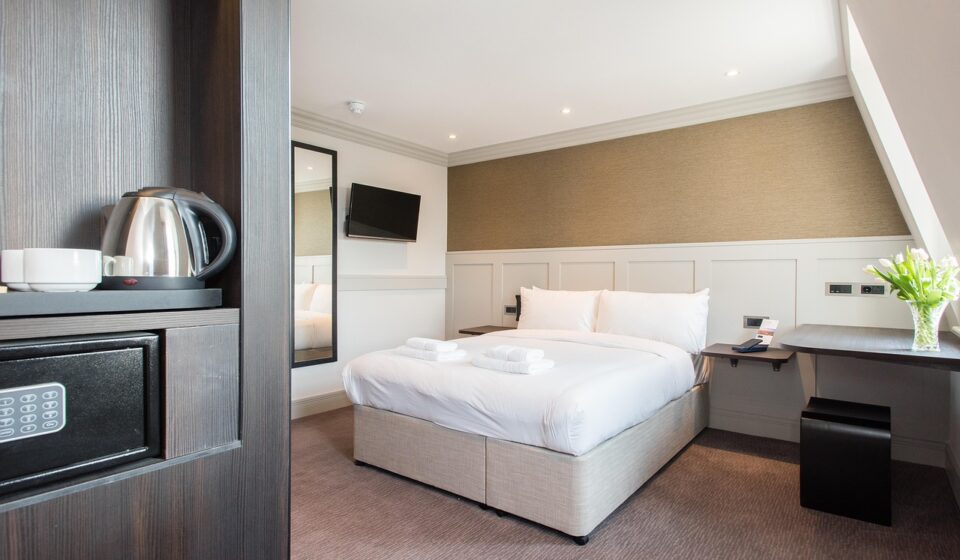
Good layout planning also separates active and quiet zones. Drawers, wardrobes and vanities should sit where morning routines naturally happen. Reading lamps, soft surfaces and minimal visual clutter belong near the bed. When a desk must be included, it should be visually contained. A compact writing table, a wall-mounted unit or a vanity-desk hybrid can keep work materials from taking over the sleep area.
Make storage look built in, even when it is freestanding
Storage is the core design issue in most bedrooms. The aim is not simply to add more compartments, but to place the right type of storage where it reduces friction. Deep drawers are useful for folded clothing, shallow drawers help with accessories, closed cabinets hide visual clutter and open shelving should be used sparingly for items that remain attractive when displayed.
Choose bed storage based on access, not only capacity
Platform beds, lift-up beds and under-bed drawers can be valuable in smaller rooms, but they solve different problems. Side drawers need enough clearance to open fully, so they are not ideal when the bed sits close to a wall. Lift-up storage can hold bulky seasonal items, but it is less convenient for daily use. Open space under a raised bed may make cleaning easier, while a fully enclosed base can create a cleaner visual line.
Use wardrobes and dressers as architecture
A tall wardrobe can act like a wall if it is aligned with the room’s geometry and finished in a quiet color. A low dresser can work as a visual anchor below art, a mirror or a television. The mistake is treating every storage piece as separate furniture. Repeating one finish, aligning top edges or choosing integrated pulls can make freestanding pieces feel more permanent and less cluttered.
Design nightstands for real habits
Nightstands are small pieces with a large effect on daily comfort. A useful nightstand needs enough surface area for a lamp, book, water glass and charging device. It should also provide closed storage for the objects that make a bedroom look busy. Drawers, cable openings and softly rounded corners are often more valuable than decorative detailing.
Materials and finishes should support a healthier room
Because people spend long periods sleeping in the bedroom, material choices deserve more attention than they often receive. Solid wood, wood veneer, metal, upholstery, rattan and composite panels each have different strengths. Solid wood can be durable and repairable, veneer can provide a refined surface with less material weight, metal can work for slim frames and composite boards can make storage more affordable and dimensionally stable.
For furniture made with hardwood plywood, medium-density fiberboard or particleboard in the United States, formaldehyde rules are especially relevant. The U.S. Environmental Protection Agency explains that composite wood products and finished goods containing those products must meet TSCA Title VI requirements, and after March 22, 2019, regulated composite wood products must be labeled as TSCA Title VI compliant. (epa.gov)
That does not mean composite wood should be avoided automatically. It means buyers and specifiers should look for clear compliance labeling, reliable construction and suitable use. For a bedroom, low-odor finishes, wipeable surfaces and durable edges are practical priorities. Upholstered beds should be judged by fabric cleanability, seam quality and how easily dust collects around the base. Highly glossy finishes may show fingerprints and scratches quickly, while heavily textured surfaces can be harder to clean.
Color also affects how furniture performs visually. Pale woods, warm whites and muted earth tones can help large storage pieces recede. Dark finishes can add depth but may feel heavy in small rooms unless balanced with light bedding, wall color or elevated legs. The most flexible bedroom palettes usually combine one dominant wood or painted finish with one secondary accent, rather than mixing many unrelated surfaces.
Safety and durability are part of the design
Bedroom furniture is handled every day, so safety cannot be treated as an afterthought. Dressers, wardrobes and other clothing storage units must resist tipping, especially in homes with children. The U.S. Consumer Product Safety Commission describes clothing storage units as furniture with drawers or hinged doors intended for clothing storage and typical of bedroom furniture, with the STURDY rule addressing stability requirements for qualifying freestanding units. (cpsc.gov) See also: Building Materials.
For design purposes, this has several practical implications. Wider and lower storage pieces are generally easier to stabilize than tall, narrow ones. Anti-tip hardware should be considered part of the installation, not an optional accessory left in the packaging. Interlocks that limit how many drawers can open at once, drawer stops, stable legs and proper wall anchoring all affect whether a piece is suitable for a bedroom.
Durability also shows up in quieter details. Drawers should glide smoothly when loaded, not just when empty. Bed frames should support the mattress evenly and avoid squeaks at connection points. Nightstands should not wobble when a drawer is pulled. Hardware should be easy to grip, especially in designs intended for aging-in-place or universal use. A bedroom may look soft, but its furniture has to perform like everyday infrastructure.
Style directions worth applying with restraint
Recent design trend reporting points toward bedrooms that feel calmer, more personal and less dominated by decorative excess. NKBA research presented for 2026 described broader home themes including personalization, wellness, smarter functionality, seamless design, purposeful technology and universal design. While NKBA’s primary reports focus on kitchen and bath spaces, those themes translate clearly to bedrooms through better storage, softer lighting, easier access and less visual clutter. (nkba.org)
Another useful direction is the move toward lower, quieter furniture profiles. Low headboards, tonal bedding and reduced contrast can make the room feel wider and more restful. This does not require a minimalist room. It means the strongest decorative elements should be intentional: one textured headboard, one substantial dresser, one well-scaled rug or one crafted wood finish can do more than several competing accent pieces.
Technology should be purposeful rather than visible everywhere. Built-in charging inside drawers, discreet cable routing and dimmable lamps are useful. Bright screens, exposed power strips and overloaded bedside surfaces work against the purpose of the room. If a desk or vanity is needed, it should be able to close down visually at night through drawers, doors or a simple storage tray that clears the surface.
A practical bedroom furniture design checklist
| Furniture element | Design role | Key check before buying | Best use case |
|---|---|---|---|
| Bed frame | Sets scale, comfort and focal point | Check walkway, headboard height and mattress support | Every bedroom |
| Nightstand | Controls bedside clutter | Confirm surface area, drawer storage and outlet access | Primary bedrooms and guest rooms |
| Dresser | Stores folded clothing and anchors a wall | Check drawer depth, stability and anti-tip installation | Rooms without built-in closets |
| Wardrobe | Adds vertical storage | Measure door swing, ceiling height and delivery path | Small homes, rentals and closet-light rooms |
| Bench | Adds seating and softens the bed area | Confirm it does not block circulation | Larger bedrooms or rooms with clear foot-of-bed space |
| Desk or vanity | Supports work, grooming or dressing | Plan cable control and nighttime visual closure | Multi-use bedrooms |
Common mistakes that make a bedroom feel crowded
The first mistake is buying the largest bed the room can technically hold. A bed should leave enough space for movement, cleaning and storage access. If upgrading from queen to king removes useful circulation, the room may feel less comfortable even if the mattress is larger.
The second mistake is relying on a full matching set. Matching furniture can be appropriate, but it can also make the room feel heavy and showroom-like. A more flexible approach is to coordinate scale, tone and hardware while varying one element, such as pairing a wood bed with painted nightstands or a simple upholstered headboard with a vintage dresser.
The third mistake is ignoring drawer and door movement. A wardrobe that fits on paper may fail in daily use if its doors hit the bed. A dresser may look slim until its drawers extend into the only walkway. Measuring closed dimensions is not enough; furniture has to be measured in use.
The fourth mistake is using too much open storage. Open shelves photograph well when perfectly styled, but bedrooms need places to hide chargers, skincare, books, documents and everyday clothing. Closed storage is not less stylish. In many bedrooms, it is the reason the style can remain calm.
Frequently asked questions
What is the most important piece in bedroom furniture design?
The bed is usually the most important piece because it determines scale, circulation and the visual center of the room. However, storage often determines whether the design works day to day. A beautiful bed paired with inadequate storage can still produce a cluttered room.
How can a small bedroom include enough furniture without feeling cramped?
Use fewer pieces with better function. Choose a bed with appropriate storage, one substantial nightstand instead of two tiny tables if needed, and vertical wardrobes that align with the wall. Keep finishes quiet and avoid furniture that blocks drawer access or natural movement paths.
Are built-in wardrobes always better than freestanding furniture?
No. Built-ins can maximize difficult spaces and create a clean architectural look, but freestanding wardrobes are more flexible for rentals, changing layouts and phased budgets. The better choice depends on the room, ownership situation and storage needs.
What materials are best for bedroom furniture?
There is no single best material. Solid wood is valued for durability and repairability, veneer can offer a refined look, metal can create slimmer structures and compliant composite wood can be practical for case goods. The key is to check construction quality, finish durability and relevant compliance labeling.
How do you make bedroom furniture feel cohesive without buying a set?
Repeat two or three design cues: a similar wood tone, consistent hardware finish, aligned proportions or a shared color temperature. Cohesion comes from relationships between pieces, not from making every item identical.