How to care for a leather and fabric sofa without damaging it
a[data-rs-seo-link]{text-decoration:underline!important;color:#1a56db!important;cursor:pointer!important;}a[data-rs-seo-link]{text-decoration:underline!important;color:#1a56db!important;cursor:pointer!important;}
Why a leather and fabric sofa needs a split care routine
A leather and fabric sofa brings two different surfaces into one piece of furniture, so it should not be cleaned as if it were all leather or all upholstery fabric. Leather can dry out, fade, crack, or darken when exposed to harsh cleaners or excess water. Fabric can shrink, stain, pill, hold odors, or develop water rings if the wrong method is used. The safer approach is simple: identify each material, test any cleaner in a hidden area, remove dust regularly, and deal with spills quickly without soaking the surface.
This guide focuses on practical care for mixed-material sofas, including leather arms with fabric cushions, fabric frames with leather accents, and modular sofas that combine both materials. For more home care topics, visit our Care and Maintenance section.
Identify the materials before cleaning
The most common mistake with a leather and fabric sofa is assuming that one product can safely clean the entire piece. Before cleaning, check the manufacturer’s tag, product manual, warranty notes, or any cleaning code under the cushions. If the sofa is new, keep those documents. The care instructions may be needed later if you make a warranty claim.
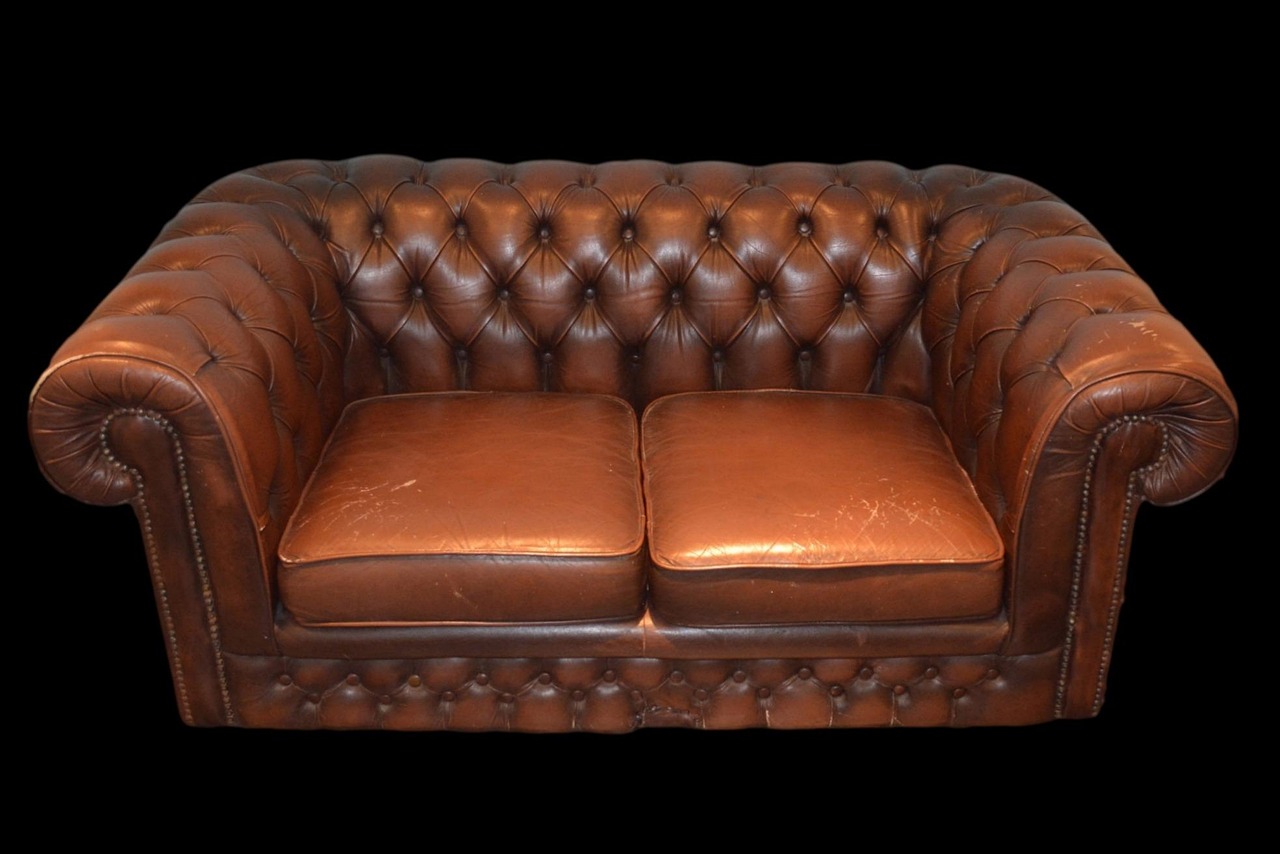
Leather used on sofas may be protected leather, semi-aniline leather, aniline leather, bonded leather, or faux leather. Protected leather is usually more forgiving because it has a surface finish. Aniline leather absorbs liquids more easily and can stain quickly. Bonded leather and some coated synthetic leathers may peel or crack if they are scrubbed, overheated, or treated with oily products intended for genuine leather.
Fabric upholstery also varies widely. Cotton, linen blends, polyester, microfiber, velvet, chenille, and performance fabrics all respond differently to moisture, friction, and brushing. Many upholstered products use cleaning codes such as W for water-based cleaner, S for solvent-based cleaner, W/S for either method depending on the stain, and X for vacuum-only care. These codes are useful, but they do not override the sofa maker’s own instructions.
| Surface | Main risk | Safer first step |
|---|---|---|
| Protected leather | Dryness, dull finish, cleaner residue | Dust, wipe with a barely damp cloth, dry immediately |
| Aniline or unfinished leather | Absorption, dark spots, water marks | Use only manufacturer-approved products or professional cleaning |
| Microfiber or synthetic fabric | Water rings, crushed nap, residue | Vacuum first, spot test, clean lightly according to the care code |
| Natural fabric blends | Shrinkage, fading, staining | Blot spills quickly and avoid soaking the fibers |
Set up a simple weekly maintenance routine
Regular light care is more effective than occasional aggressive cleaning. Dust, body oils, pet hair, crumbs, and grit can wear down leather finishes and work into woven fabrics. A weekly routine helps keep soil from becoming embedded dirt.
Vacuum fabric sections carefully
Use a soft upholstery attachment with low to medium suction. Remove loose cushions if the design allows, then vacuum seams, creases, and the gap between the seat and back. Avoid rotating brush heads on delicate upholstery, as they can pull threads or roughen the surface.
If the fabric has a nap, such as velvet or some chenille, vacuum in the direction recommended by the maker or use a soft brush to restore the pile. If the sofa has removable cushion covers, do not assume they are machine washable. Many removable covers are designed for easier professional cleaning, not household laundering.
Dust leather sections gently
For leather areas, start with a clean, dry microfiber cloth. If dust or light soil remains, use a cloth barely dampened with clean water, then follow immediately with a dry cloth. Leather should not be left wet. Moisture can settle into seams, weaken finishes, or create uneven dark patches on absorbent leather.
Rotate cushions if the design permits
Seat cushions often receive uneven pressure. Rotating and flipping reversible cushions can help reduce sagging, fabric distortion, and color differences. If the sofa has fixed cushions, smooth the fabric gently and plump any loose back pillows by hand. Avoid heavy beating, especially around leather panels, piping, and decorative stitching.
Handle spills by material, not by panic
Quick action helps, but rough treatment can make a stain worse. The first rule is to blot, not rub. Rubbing can push liquid deeper into fabric, remove a leather finish, spread dye, or distort the surface texture.
For fabric spills
Start with a clean white cloth or plain paper towel. Blot from the outside of the spill toward the center to limit spreading. If the care code allows water-based cleaning, apply a small amount of water or mild upholstery cleaner to the cloth, not directly to the sofa. Work lightly, then blot again with a dry cloth.
For oil, ink, nail polish, strong dye, or large spills, do not experiment with multiple cleaners. Solvents, alcohol, bleach, and stain removers can damage upholstery dyes or leave a visible ring. A professional upholstery cleaner is usually safer for difficult stains, especially on natural fabrics or pale colors.
For leather spills
On protected leather, blot the spill immediately with a dry cloth. If needed, wipe lightly with a damp cloth and dry the area at once. Do not use dish soap, laundry detergent, ammonia, bleach, glass cleaner, or abrasive pads unless the sofa maker specifically allows them.
On aniline or unfinished leather, even clean water can leave a mark. For these surfaces, blot gently and consult the care instructions or a leather specialist. Trying to remove a stain with household products may permanently change the color or sheen.
For mixed seams and edges
Mixed-material sofas are most vulnerable where leather, fabric, piping, and seams meet. Avoid flooding these transition areas. Liquid can travel along stitching, create hidden stains, or weaken adhesive layers. When cleaning near a seam, apply moisture to the cloth rather than the sofa and use small, controlled movements.
Choose cleaners and conditioners with caution
Care products should match the exact material. A cleaner that is safe for polyester fabric may be wrong for leather, and a leather conditioner may stain fabric if it spreads across a seam.
Leather conditioner is not for every leather-like surface
Conditioner can help some genuine leather stay supple, but it is not a universal treatment. It may darken absorbent leather, leave residue on protected leather, or damage coated and bonded materials. If conditioning is recommended, apply a small amount to a hidden area first and wait until it dries before judging the result.
More conditioner is not better. Heavy application can attract dust, transfer to clothing, or leave the surface feeling sticky. A light application at the interval recommended by the manufacturer is safer than frequent, heavy treatment. See also: Building Materials.
Fabric protectors require testing
Spray-on fabric protectors can change the feel, color, or breathability of certain upholstery fabrics. They may also be unsuitable for some performance fabrics that already have a factory-applied finish. If you use a protector, ventilate the room, follow the label directions, protect nearby leather panels, and test a hidden area first.
Avoid mixing household chemicals
Household safety guidance commonly warns against mixing cleaning products, especially products containing bleach, ammonia, or strong solvents. For sofa care, the practical rule is straightforward: use one suitable method, rinse or blot as directed, and allow the area to dry before trying anything else. If a stain remains after a cautious first attempt, stop and seek professional advice.
Control sunlight, humidity, heat, and everyday wear
Cleaning is only one part of maintenance. The room environment also affects how a leather and fabric sofa ages. Direct sunlight can fade fabrics and dry leather finishes. Heat sources can speed up cracking or stiffening. High humidity can encourage odors or mildew in fabric, while very dry indoor air may make leather feel less supple.
- Place the sofa away from strong sun. If the room receives direct afternoon light, use curtains, blinds, or UV-filtering window treatments to reduce fading.
- Keep distance from radiators and vents. Heat and moving air can dry leather and may affect cushion foam over time.
- Manage indoor humidity. A stable, comfortable indoor range is better for both upholstery and people than frequent extremes.
- Use throws strategically. Washable throws can protect high-contact fabric seats, but avoid trapping moisture against leather for long periods.
- Trim pet nails and use pet blankets. Claws can scratch leather and pull fabric threads. A dedicated washable layer is easier to clean than the sofa itself.
Color affects maintenance as well. Dark leather may show dust, scratches, and body-oil sheen. Light fabric may show dye transfer from denim, food stains, and general soil. When leather and fabric colors contrast strongly, small changes are easier to notice, so prevention matters more.
Deep cleaning and professional care
Deep cleaning should be occasional and controlled. For fabric sections, deep cleaning may involve extraction, foam, dry cleaning, or low-moisture methods, depending on the fiber and cleaning code. For leather sections, deeper care may involve cleaning, conditioning, color repair, or finish restoration. These are not the same service, so ask whether the cleaner has experience with both upholstery fabric and leather.
Before booking a professional, provide the sofa’s care label, photos of stains, and any available material information. Ask what method will be used on the fabric, how the leather will be protected, and whether the cleaner will test an inconspicuous area. This is especially important for sofas with decorative trims, contrast stitching, pale fabric, unfinished leather, or older bonded materials.
Professional help is usually the safer choice when the stain is large, old, oily, caused by ink or dye, or located across both materials. It is also wise if the sofa is expensive, antique, under warranty, or made from an absorbent leather type. Do-it-yourself cleaning can be effective for routine soil, but it has limits.
Common mistakes that shorten sofa life
Most damage comes from repeated habits rather than one major accident. Avoid these common mistakes:
- Using one cleaner on the whole sofa. Mixed materials need separate methods.
- Spraying cleaner directly onto the surface. Apply product to a cloth first to control moisture.
- Scrubbing stains. Blotting is usually safer than rubbing.
- Using too much water. Excess moisture can cause fabric rings and leather damage.
- Ignoring the care code. The label is the first source of guidance, not a formality.
- Conditioning too often. Over-conditioning can leave leather sticky or uneven.
- Letting spills dry before action. Fresh spills are usually easier to manage than set stains.
- Placing the sofa in harsh sunlight. Fading and drying are easier to prevent than reverse.
A sensible care plan does not need to be complicated. Dust and vacuum weekly, treat spills immediately, keep the sofa away from damaging environmental conditions, and save stronger products or professional work for situations that justify them.
Frequently asked questions
Can I use leather cleaner on the whole sofa?
No. Leather cleaner is made for leather surfaces and may stain, stiffen, or leave residue on fabric. Clean the leather and fabric areas separately according to their care instructions.
How often should I condition the leather parts?
Follow the manufacturer’s recommendation. If no schedule is provided, condition only when the leather type allows it and the surface appears dry or dull after normal cleaning. Always test first because some leathers and coated materials should not be conditioned.
Can removable fabric cushion covers go in the washing machine?
Not automatically. Some removable covers are not designed for machine washing and may shrink, fade, or lose their shape. Check the care label before washing, drying, or ironing any cover.
What should I do if a spill touches both leather and fabric?
Blot both areas immediately with a clean dry cloth, working gently at the seam. Do not soak the transition area. After surface moisture is removed, treat each material separately based on its care guidance.
Is steam cleaning safe for a leather and fabric sofa?
Steam is risky for leather and may not be suitable for every fabric. Heat and moisture can affect finishes, adhesives, and cushion materials. Use steam only if the sofa maker specifically allows it, or hire a professional who can protect the leather sections.
Final care checklist
A leather and fabric sofa can age well when each material receives the care it needs. Keep the routine simple: identify the materials, vacuum fabric, dust leather, blot spills quickly, test products before use, and control sunlight and heat. When a stain is severe or the material is uncertain, restraint is safer than an aggressive cleaning attempt.
- Check the care label before using any cleaner.
- Vacuum fabric areas weekly with an upholstery attachment.
- Wipe leather with a dry or barely damp microfiber cloth.
- Keep water, oils, solvents, and conditioners away from the wrong surface.
- Protect the sofa from direct sun, heat vents, pets, and sharp objects.
- Use professional cleaning for difficult stains or delicate materials.