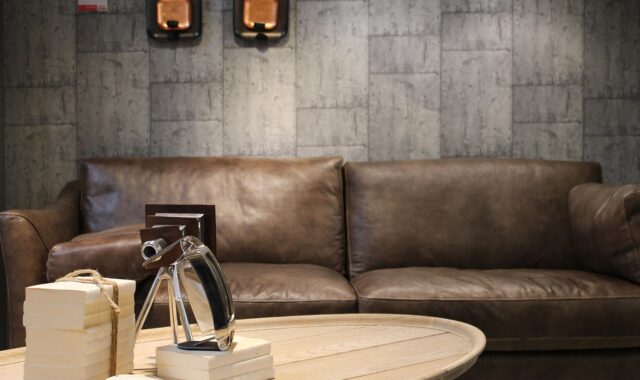
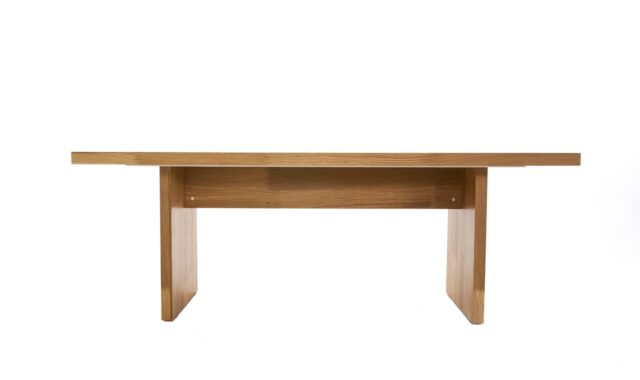
Care and maintenance of furniture for wood, fabric and leather

a[data-rs-seo-link]{text-decoration:underline!important;color:#1a56db!important;cursor:pointer!important;}a[data-rs-seo-link]{text-decoration:underline!important;color:#1a56db!important;cursor:pointer!important;}
A practical maintenance plan starts with material, moisture and use
The care and maintenance of furniture should not be treated as one standard cleaning routine. A solid wood dining table, a fabric sofa, a leather chair and a glass-topped cabinet all respond differently to dust, water, sunlight, heat and daily wear. The safest starting point is to identify the material and finish, use the least aggressive cleaning method that works, control indoor moisture, and deal with small structural issues before they turn into larger failures. Guidance from conservation bodies such as the Canadian Conservation Institute and the National Park Service consistently emphasizes prevention: careful handling, stable indoor conditions, gentle dust removal, and caution with oils, waxes, water and solvents.
In a home or managed property, that translates into a simple working routine: inspect furniture while cleaning, vacuum or dust before applying any liquid, keep pieces away from strong sunlight and direct heat, follow fabric cleaning codes, and call a qualified professional when stains, loose joints or finish damage are beyond routine care.

A routine furniture care schedule for most homes
Furniture usually lasts longer when maintenance is regular rather than reactive. Dust and grit are abrasive. Body oils attract more soil. Spills become harder to remove as they dry. Loose screws, worn glides or unstable anchors can create both damage and safety risks. The schedule below is a practical baseline for normal residential use. High-use homes, rental properties, children’s rooms, pet areas and commercial lounges typically need shorter intervals.
| Frequency | What to do | Why it matters |
|---|---|---|
| Weekly | Dust hard surfaces with a soft microfiber cloth. Vacuum upholstery with a suitable attachment. Remove crumbs from seams and under cushions. | Dry soil removal reduces abrasion and helps prevent grime from being pushed deeper into fabric or finish pores. |
| Monthly | Check loose legs, handles, hinges, drawer slides, chair stretchers and anti-tip straps. Rotate removable cushions where the design allows. | Small movement at joints often develops into cracked frames, sagging seats or unstable storage furniture. |
| Seasonally | Review furniture placement near windows, heaters, vents and damp walls. Check indoor humidity and look for mold, mildew, swelling, fading or leather dryness. | Many furniture problems are caused by the room environment rather than by the furniture itself. |
| Every 12 to 24 months | Consider professional upholstery cleaning for pieces with overall soiling, heavy use or uncertain fabric content. | Industry cleaning guidance separates routine maintenance from more thorough professional cleaning when soil is widespread. |
| As needed | Blot spills immediately, test cleaners in an inconspicuous area, and stop if color transfers, the finish softens, or the fabric texture changes. | Early, cautious action helps prevent permanent rings, dye bleed marks and finish failures. |
This schedule should never override the manufacturer’s care label. If a piece has a product manual, upholstery tag or finish recommendation, treat that as the first source of care instructions. If a valuable antique, inherited piece or designer item has no clear care record, use dry methods only until a qualified furniture restorer, textile cleaner or conservator can assess it.
How to care for wood furniture and finishes
Wood furniture care starts with an important distinction: in most cases, you are cleaning the finish, not bare wood. Modern tables, cabinets and chairs may be coated with lacquer, varnish, polyurethane, oil, wax, paint or laminate. Each finish responds differently to moisture and cleaning products. A damp cloth that is safe on a durable factory coating may leave a mark on shellac, lift grime unevenly from wax, or raise fibers on unfinished wood.
For routine care, begin with dry dusting. Use a clean microfiber cloth or a soft brush for carvings, joints and textured areas. If a sealed surface needs more cleaning, use a slightly damp cloth, then dry it immediately with a second clean cloth. Do not soak the surface, spray cleaner directly onto it, or allow liquid to sit around veneer edges, inlays, seams or hardware. Water can migrate under a finish or veneer and cause swelling, cloudy marks or adhesive failure.
Conservation guidance is cautious about repeated use of oils and heavy polishes. The Canadian Conservation Institute notes that no oil can stop wood from drying if indoor humidity is too low. Oils and silicone-containing polishes can also build up, attract dirt, darken surfaces or make future refinishing more difficult. Wax may be appropriate for some finishes, but it should not be applied automatically. On historic or uncertain finishes, frequent waxing or aggressive buffing can remove fragile coatings and patina.
Practical steps for wood surfaces
- Use coasters, placemats and trivets to reduce heat rings, water marks and finish abrasion.
- Lift objects instead of sliding them across tabletops.
- Keep plant pots on waterproof trays that allow airflow underneath.
- Wipe spills promptly, especially alcohol, coffee, oil, perfume, ink and household chemicals.
- Check drawer runners and hinges for friction before forcing them.
- Place felt pads under lamps, ceramics and decorative objects.
Do not sand, oil, bleach or refinish a valuable piece as a first response. Once an original finish is removed, it cannot be recovered. For white rings, veneer bubbles, lifted lacquer, deep scratches or loose joints, repair is usually safer than repeated cleaning.
How to clean fabric upholstery without over-wetting
Fabric furniture needs dry soil removal before any spot cleaning. Vacuuming with an upholstery tool removes dust, pet hair, skin flakes and grit that could otherwise turn into muddy residue when a liquid cleaner is applied. Pay particular attention to arms, headrests, front cushion edges and seam lines, where body oils and fine soil build up quickly.
Before using any cleaner, look for the upholstery cleaning code, usually under a cushion or on the furniture platform. The American Home Furnishings Alliance’s Joint Industry Fabric Standards and Guidelines describe common codes used by the furniture industry. W generally points to water-based spot cleaning, S to water-free solvent cleaning, WS to either an upholstery shampoo or a furniture dry-cleaning solvent, and X to vacuuming or light brushing only. These codes are useful, but they are not permission to soak the furniture or ignore fabric construction.
| Code | General meaning | Care implication |
|---|---|---|
| W | Water-based cleaner may be suitable | Use minimal moisture, blot rather than scrub, and dry quickly. |
| S | Solvent-based cleaning only | Avoid water. Professional cleaning is often safer for visible stains. |
| WS or W-S | Water-based or solvent-based spot cleaning may be suitable | Test first and avoid hot water extraction unless the manufacturer allows it. |
| X | Vacuuming or light brushing only | Do not apply water or solvent cleaners. Seek professional advice for stains. |
For spills, blot from the outside toward the center with a clean white cloth. Avoid aggressive rubbing, which can distort pile, push staining deeper, or abrade fibers. If a water-safe fabric needs spot cleaning, apply a small amount of cleaner to the cloth rather than pouring it onto the furniture. Where practical, clean from seam to seam, because treating only the center of a stain can leave a visible ring. Use fans and ventilation to speed drying, but avoid high heat that may shrink, harden or distort some materials.
Over-wetting is one of the most common upholstery mistakes. Moisture can carry soil into the cushion, create brownish wicking marks as it dries, rust metal buttons or fasteners, and increase odor or mold risk if foam stays damp. Removable cushion covers are not automatically machine washable; zippers often exist for upholstery assembly, not laundering. Wash only when the care label clearly allows it.
How to care for leather and mixed-material furniture
Leather furniture is durable, but it is still sensitive to light, heat, body oils, perspiration and harsh cleaners. Most residential leather upholstery has a protective finish, so routine care is usually limited to gentle dusting and wiping with a lightly damp cloth, followed by drying with a soft cloth. Avoid alcohol, ammonia, bleach, abrasive pads, strong degreasers and all-purpose sprays unless the furniture maker specifically approves them.
Placement is a major part of leather maintenance. Direct sun can fade color and dry surfaces. Heat from radiators, fireplaces and supply vents can accelerate drying and cracking. Very damp conditions can support mildew, while very dry rooms can make leather and stitching less resilient. For finished leather, use conditioners only when the manufacturer recommends them and only after testing in a hidden area. Too much conditioner can leave a sticky surface, darken absorbent leather or attract more soil.
Mixed-material pieces need the most cautious routine because one cleaner rarely suits every component. A dining chair may combine a lacquered wood frame, fabric seat, metal nailheads and plastic glides. A media cabinet may include veneer, glass, powder-coated metal and soft-close hardware. Clean each material separately. Spray glass cleaner onto a cloth, not near wood seams. Keep metal polishes away from fabric and unfinished wood. Check that protective pads under metal or ceramic accessories have not hardened, stained or trapped moisture.
Placement, humidity, safety and repair decisions
Room conditions are often the hidden cause of furniture damage. The U.S. Environmental Protection Agency recommends reducing indoor humidity to about 30% to 60% to help control mold growth and drying wet furnishings within 24 to 48 hours after water exposure. Museum-focused guidance is stricter for wooden objects: the National Park Service Museum Handbook describes about 50% relative humidity, plus or minus 5%, as ideal for many wood objects, while recognizing that dry climates and coastal climates may require different acceptable ranges. Homes do not need museum controls, but they do benefit from avoiding extremes and rapid swings.
Keep wood, veneer, leather and upholstery away from damp exterior walls where condensation can form. Leave some airflow behind large cabinets and sofas. Avoid placing sensitive pieces over heat registers or beside fireplaces. Use curtains, shades or UV-filtering window film where strong sun hits the same surface every day. Rotate decorative objects on tabletops so covered and exposed areas do not age at visibly different rates.
Maintenance should also include safety. The U.S. Consumer Product Safety Commission’s Anchor It campaign advises securing top-heavy furniture and TVs to reduce tip-over hazards, especially in homes with children. New dressers and similar storage furniture may be supplied with anti-tip devices; install them according to the manufacturer’s instructions rather than leaving them in the hardware bag. During seasonal checks, confirm that anchors, brackets and wall fasteners remain tight and that loaded drawers still open smoothly.
When cleaning is not enough
Stop routine cleaning and seek professional help when a stain spreads, dye transfers to a cloth, a finish becomes sticky, veneer lifts, joints move, leather cracks deeply, mold appears, or upholstery remains damp or odorous after drying. Also get help for smoke, flood or sewage exposure. These situations involve material identification, sanitation, structural repair or finish work that ordinary household cleaning cannot reliably solve.
A useful rule is to choose the least permanent action first. Dust before washing. Blot before scrubbing. Tighten before gluing. Stabilize humidity before oiling. Test before cleaning a visible area. Repair a loose joint before adding more weight. That sequence protects both everyday furniture and pieces with long-term value.
For more home material care topics, visit Zunbeng.
Frequently asked questions
How often should furniture be cleaned?
Most furniture benefits from weekly dusting or vacuuming, monthly hardware and stability checks, and a seasonal review of placement and humidity. Upholstery with overall soiling may need professional cleaning every one to two years, depending on use, fabric type, pets, children and indoor air quality.
Is vinegar safe for cleaning furniture?
Vinegar is not universally safe. Its acidity may affect stone, some finishes, metals and dyes. On upholstery, the cleaning code and fiber content matter more than a general household recipe. If the manufacturer does not approve vinegar, test carefully in a hidden area or use a cleaner designed for the specific material.
What indoor humidity is good for furniture?
For general homes, avoiding extremes is more practical than chasing one perfect number. EPA mold guidance supports keeping indoor humidity under 60%, ideally in the 30% to 50% range where possible. Wood conservation references often prefer a stable range around the middle of that scale. Rapid swings, damp rooms and very dry heated spaces are the main concerns.
Should wood furniture be oiled regularly?
Not automatically. Many wood furniture pieces are sealed with a finish, and oil applied on top of that finish may only leave residue. Conservation sources caution that oil does not correct low humidity. Use oil only when it matches the actual finish and the maker’s instructions.
When should furniture be repaired instead of cleaned?
Repair is the better choice when the problem is structural or finish-related: loose joints, lifted veneer, cracked frames, broken springs, peeling leather, deep scratches, unstable legs or recurring drawers that bind. More cleaning can make these problems worse if the underlying material has already failed.