Wood veneer care and maintenance for interior panels and furniture
a[data-rs-seo-link]{text-decoration:underline!important;color:#1a56db!important;cursor:pointer!important;}a[data-rs-seo-link]{text-decoration:underline!important;color:#1a56db!important;cursor:pointer!important;}
What wood veneer care and maintenance means
Wood veneer care and maintenance is about protecting three connected layers: the thin natural wood face, the finish on top of it, and the substrate below. Finished veneer should be cleaned gently, kept away from standing water, protected from strong sunlight and high heat, and used in a stable indoor environment. Because wood exchanges moisture with surrounding air, sudden humidity changes can still affect veneered panels, doors, cabinets and furniture even after the surface has been finished. The U.S. Forest Products Laboratory explains that wood moisture behavior depends on relative humidity and temperature, while architectural woodwork guidance commonly treats controlled indoor relative humidity as a key protection measure for finished woodwork. (research.fs.usda.gov)
This guide covers practical, non-specialist care for finished interior veneer. It does not replace the finish manufacturer’s instructions, especially for high-gloss lacquer, oil, polyurethane, UV-cured coating, fire-rated panels or factory-finished architectural millwork. For more home material guidance, visit Zunbeng.
Understand the surface before you clean it
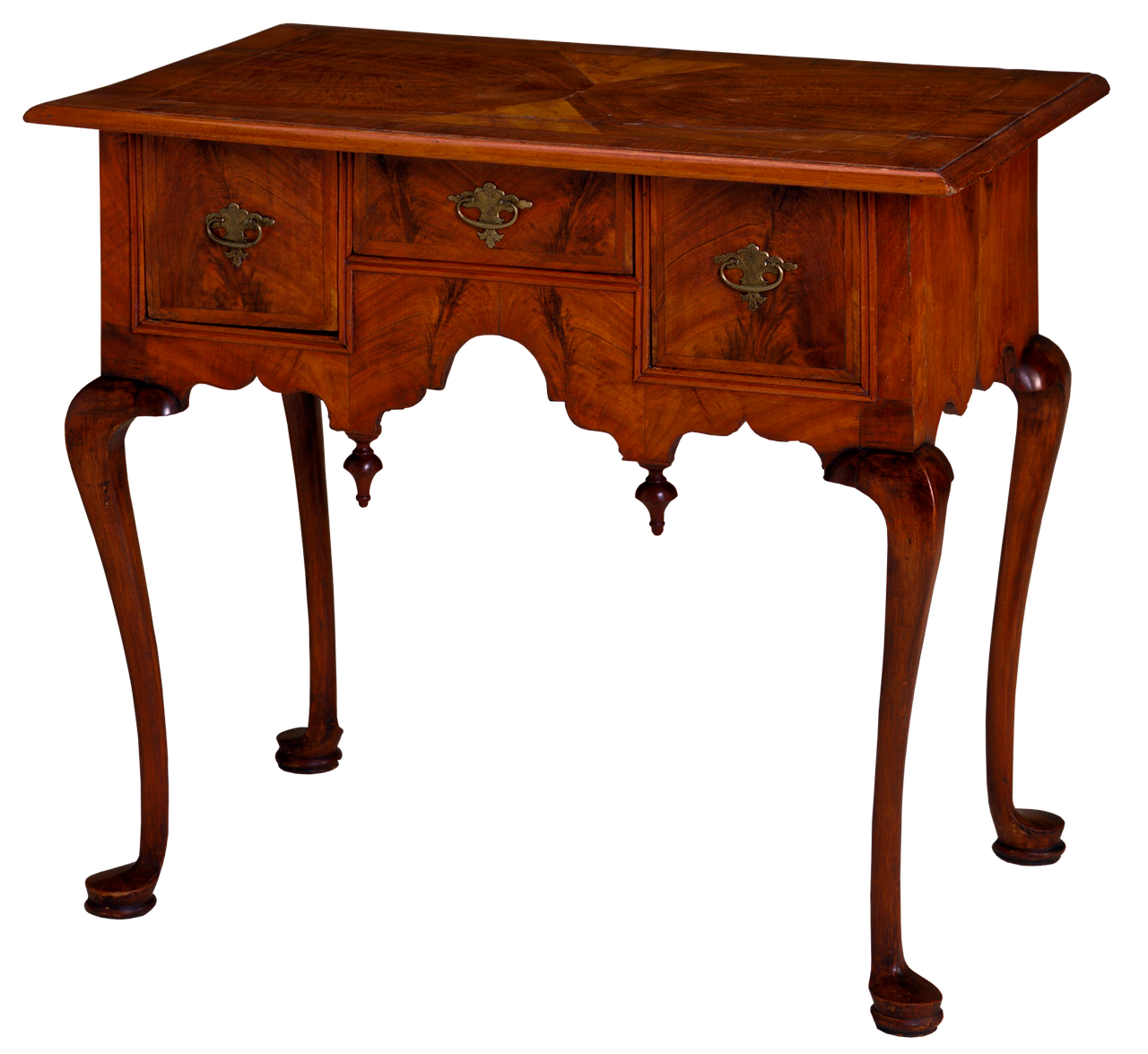
Wood veneer is not a printed imitation layer. It is a thin slice of real wood bonded to a core such as MDF, plywood, particleboard or another engineered substrate. This structure gives veneer its design value: it can show natural grain, figure, color variation and matching patterns while using less solid timber than thick solid wood construction. It also explains why care has to be controlled. If water reaches an edge, joint, scratch or failed finish, it may affect the adhesive line or substrate before obvious surface damage appears.
The key care question is not only which wood species was used, but which finish protects it. A walnut veneer with a catalyzed lacquer finish may tolerate a different cleaning routine than an oak veneer finished with oil or wax. A commercial wall panel may have a tougher factory coating than a vintage veneered cabinet. When the finish is known, follow the manufacturer’s care sheet. When it is unknown, start with the least aggressive method: dry dusting, then a barely damp cloth, and only then a small amount of mild soap if needed.
Daily and weekly cleaning routine
Routine cleaning should remove dust and light soil without abrading the finish or pushing moisture into seams. Architectural Woodwork Institute material guidance describes routine cleaning with a soft, lint-free cloth that is lightly dampened, and furniture-care guidance from HON similarly recommends a clean lint-free microfiber cloth with a small amount of warm water for veneer surfaces. (awinet.org)
Dust first
Dust may look harmless, but fine particles can act like a mild abrasive when rubbed across a glossy or satin finish. Use a clean microfiber cloth, soft cotton cloth, or a duster that does not shed. Wipe with the grain when the grain direction is visible. Avoid stiff brushes, scouring pads, magic-eraser type abrasives and powdered cleaners.
Use minimal moisture
For fingerprints or light smudges, dampen a cloth with clean water and wring it out until it is only slightly moist. Wipe the area, then immediately follow with a dry cloth. The surface should not remain wet. Do not spray water directly onto veneer, because overspray can collect at edges, hardware holes, reveals, seams and end grain. On vertical wall panels, apply moisture to the cloth rather than to the panel.
Add mild soap only when necessary
If water alone does not remove oily fingerprints or kitchen film, use a small amount of mild, non-abrasive soap diluted in water. Wipe gently, remove residue with a second cloth lightly dampened with clean water, and dry the surface immediately. Avoid ammonia, bleach, strong alkaline cleaners, acetone, alcohol-heavy cleaners and citrus solvents unless the finish manufacturer specifically approves them. Many failures that look like veneer problems are actually finish damage caused by incompatible cleaning chemistry.
Control moisture, humidity, heat and sunlight
Veneer usually fails gradually rather than suddenly. Repeated small stresses from steam, direct sunlight, standing water or heat can cause discoloration, checking, edge swelling, lifting or finish breakdown. The Timber Veneer Association of Australia warns that high humidity, steam and excessive water in contact with coatings may cause cracking or white marking, and also advises avoiding direct sunlight on internal veneered surfaces because fading, bleaching or color change may occur. (timberveneer.asn.au)
Humidity range matters
Finished interior woodwork performs best in a controlled indoor climate. The Architectural Woodwork Standards state that, after woodwork is painted or finished, maintaining relative humidity within practical limits of about 25% to 55% is usually satisfactory for the referenced moisture-content range. (woodworkinstitute.com) That range should not be treated as a guarantee for every veneer product, but it is a useful benchmark for building owners, designers and facility managers. The bigger risk is often rapid fluctuation: a room that swings from very dry winter heating to humid summer conditions can stress joints, panels and finishes.
Keep veneer away from standing water
Wipe spills quickly, especially around table edges, cabinet doors, drawer fronts, seams and cutouts. Use coasters under drinks, trays under planters, mats under coffee machines, and protective pads under objects that may trap condensation. In bathrooms, kitchens, hotel rooms and office pantries, the edge condition is often more vulnerable than the face of the panel. If an edge is chipped or an open joint is visible, do not allow cleaning water to run into it.
Reduce heat and ultraviolet exposure
Do not place hot pans, mugs, appliances or desk equipment directly on veneer. Heat can soften some finishes, print the shape of an object into the coating, or accelerate drying and discoloration. Use trivets, desk pads and appliance mats where needed. Strong sunlight can change wood color and finish appearance unevenly, especially when part of a surface is covered by books, decorations or electronics. Curtains, blinds, UV-filtering film and periodic repositioning of objects can reduce uneven exposure.
Products and methods to avoid
Many veneer maintenance problems begin with products marketed as quick shine restorers. The safer rule is straightforward: do not add a film-forming polish, wax, oil or silicone product unless it is compatible with the existing finish and future repair plan. Silicone polishes can make later refinishing or touch-up more difficult because they may contaminate the coating surface. Wax can build up in grain and corners. Oils may darken an open or damaged finish, and they cannot repair a failed clear coat.
- Abrasive pads: They can dull satin and gloss coatings and may cut through thin finish layers.
- Steam cleaners: Heat and moisture are a risky combination for veneer, edges and adhesives.
- Strong solvents: Acetone, lacquer thinner and aggressive degreasers can dissolve or haze many finishes.
- Direct spray cleaners: Liquid can enter seams, hardware holes and panel joints.
- Heavy oiling: Oil is not a universal veneer treatment and can stain or soften certain finishes.
- Over-polishing: Frequent polishing may create uneven sheen or residue rather than real protection.
If a surface needs more than gentle cleaning, treat that as a sign to identify the finish before proceeding. A cabinetmaker, millwork contractor, furniture restorer or finish supplier can often recommend a safer approach after seeing the coating type and damage pattern.
Maintenance schedule for veneer surfaces
A simple schedule helps prevent both over-cleaning and under-protection. Veneer does not need constant treatment; it needs consistent, low-impact habits.
| Frequency | Task | Purpose |
|---|---|---|
| Daily or as needed | Wipe spills immediately and remove loose dust with a soft cloth. | Prevents water marks, staining and abrasive dirt buildup. |
| Weekly | Clean fingerprints with a slightly damp microfiber cloth, then dry. | Removes light soil without soaking the surface. |
| Monthly | Check edges, seams, hardware areas and high-touch corners. | Finds early lifting, swelling, chips or finish wear before they spread. |
| Seasonally | Review room humidity, sun exposure and furniture placement. | Reduces stress from dry heating seasons, humid periods and uneven fading. |
| When damage appears | Stop wet cleaning near the damaged area and seek finish-specific advice. | Prevents a small veneer or finish defect from becoming a larger repair. |
How to handle common veneer problems
Water rings or white marks
White marks often indicate moisture trapped in or under a finish rather than damage to the wood itself. Do not scrub. First, dry the area and allow time for moisture to dissipate. If the mark remains, consult the finish manufacturer or a furniture repair professional. Home remedies involving heat, oil, alcohol or abrasives can make the problem worse if the finish type is unknown.
Raised grain or rough patches
Raised texture may come from finish wear, water exposure or abrasive cleaning. Avoid sanding unless you know the veneer thickness and finish system. Veneer faces can be very thin, and sanding through the face can expose the substrate or create a permanent color mismatch. For architectural panels, a light touch-up by a qualified finisher is safer than broad sanding by an untrained user.
Loose or lifting veneer
Lifting veneer is not a cleaning issue. It may indicate failed adhesive, moisture intrusion, heat damage or movement in the substrate. Keep the area dry, avoid pressing moisture into the opening, and protect it from further mechanical stress. Small furniture repairs may be possible with professional clamping and adhesive work, but large panels, doors and built-in millwork often require assessment of the cause before repair.
Scratches and dents
Fine surface scratches may be in the coating rather than the veneer. Deep scratches that cross grain lines or reveal a lighter core need more careful repair. Touch-up markers, burn-in sticks and fillers can help in skilled hands, but poor color matching often makes the repair more noticeable. For valuable furniture or visible commercial panels, professional repair is usually more reliable than trial-and-error kits.
Care differences by location
Veneer in a living room, office lobby, hotel corridor and kitchen does not face the same risks. A dining table sees heat, spills and abrasion. Wall panels see sunlight, cleaning carts, hand contact and impact. Cabinet doors near sinks face water and steam. Desktops face electronics, rubber feet, writing pressure and coffee cups. Good maintenance adapts to the risk profile rather than applying the same routine everywhere.
- Kitchen and pantry areas: Use trays below appliances and wipe steam condensation quickly.
- Bathrooms and powder rooms: Improve ventilation and avoid veneer where repeated wetting is likely.
- Offices: Use desk pads under laptops, monitor arms, phones and writing zones.
- Retail and hospitality interiors: Train cleaning teams to use damp cloths rather than spray bottles on panels.
- Sunny rooms: Manage UV exposure and move decorative objects occasionally to reduce shadow fading.
Frequently asked questions
Can wood veneer be cleaned with water?
Yes, but only with minimal moisture. Use a cloth that is lightly damp, not wet, and dry the surface immediately. Never leave water sitting on veneer, and avoid letting moisture collect at edges, joints or damaged finish areas.
Should veneer be oiled regularly?
Not unless the finish manufacturer recommends it. Many veneered surfaces have lacquer, polyurethane, UV-cured or other sealed finishes that do not benefit from oil. Unapproved oil can darken damaged areas, leave residue or interfere with later refinishing.
Is veneer less durable than solid wood?
It depends on the construction, finish, use and maintenance. A well-made veneered panel with a durable finish can perform very well indoors. However, veneer has less sanding margin than solid wood and is especially sensitive to edge damage, water intrusion and aggressive repair attempts.
Can scratched veneer be sanded and refinished?
Sometimes, but it is risky without knowing the veneer thickness. Light finish abrasion may be repairable, while sanding through the veneer face can permanently expose the substrate. Test areas and professional assessment are recommended for visible or valuable surfaces.
What is the most important habit for long-term veneer care?
The most important habit is prompt, gentle control: remove spills quickly, clean with a soft cloth, avoid harsh chemicals, and keep the room environment stable. Preventing moisture and heat damage is usually easier than repairing it later.
Key takeaways for long-lasting veneer
Good veneer care is not complicated, but it does require discipline. Use soft cloths, minimal water and mild cleaning only when needed. Keep surfaces dry, shaded from harsh direct sun, and away from concentrated heat. Maintain a stable indoor environment rather than allowing large humidity swings. Most importantly, respect the finish: the correct maintenance method for one veneered surface may be wrong for another. When the coating type, damage cause or repair method is uncertain, stop aggressive cleaning and get finish-specific advice before the problem becomes permanent.