Outdoor furniture teak wood guide for patios, decks, and gardens
a[data-rs-seo-link]{text-decoration:underline!important;color:#1a56db!important;cursor:pointer!important;}a[data-rs-seo-link]{text-decoration:underline!important;color:#1a56db!important;cursor:pointer!important;}
Why teak works outdoors and where it has limits
If you are comparing outdoor furniture teak wood options, the main reason teak stands out is its heartwood. Teak heartwood is naturally durable, dimensionally stable, and well suited to repeated wet-dry cycles. The USDA Forest Products Laboratory has long listed teak among woods used for furniture, boatbuilding, durable outdoor structural work, doors, windows, and other moisture-exposed applications. It also notes that plantation-grown teak can show excellent weathering characteristics with limited warping and checking. Even so, not every teak chair or table performs the same way. Sapwood is less durable than heartwood, plantation material can vary, and poor joinery can shorten the service life of otherwise good wood. (govinfo.gov)
For homeowners, designers, builders, and trade buyers, a strong teak purchase is not simply the heaviest or most expensive set. It is the piece that combines genuine teak heartwood, sound construction, suitable hardware, credible sourcing, and a care plan that matches the intended appearance.
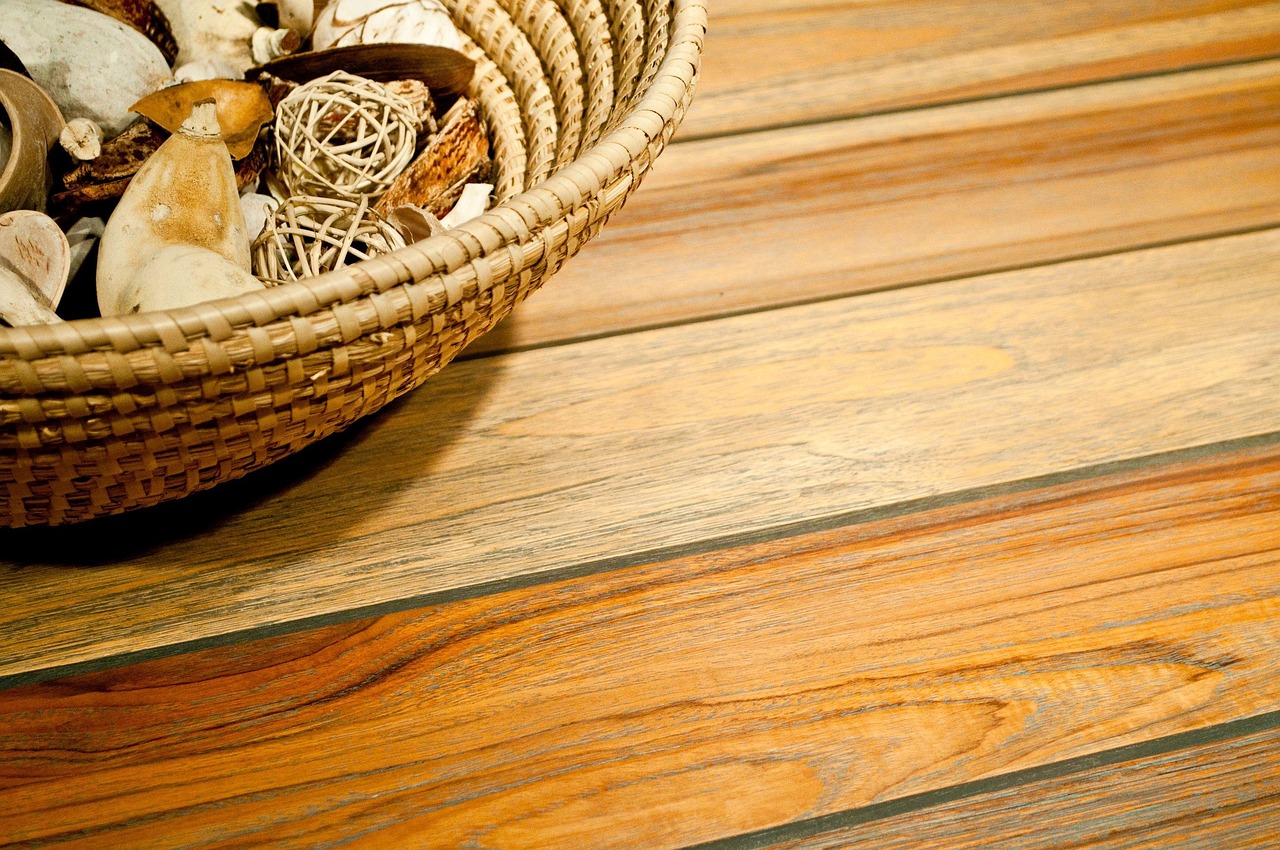
What to check before buying teak outdoor furniture
Teak is often sold with broad claims such as “premium,” “solid,” or “weather resistant.” Those terms are not enough on their own. Before treating a patio set as a long-term investment, inspect the wood, frame, finish, hardware, and supporting documentation.
Heartwood, sapwood, and color variation
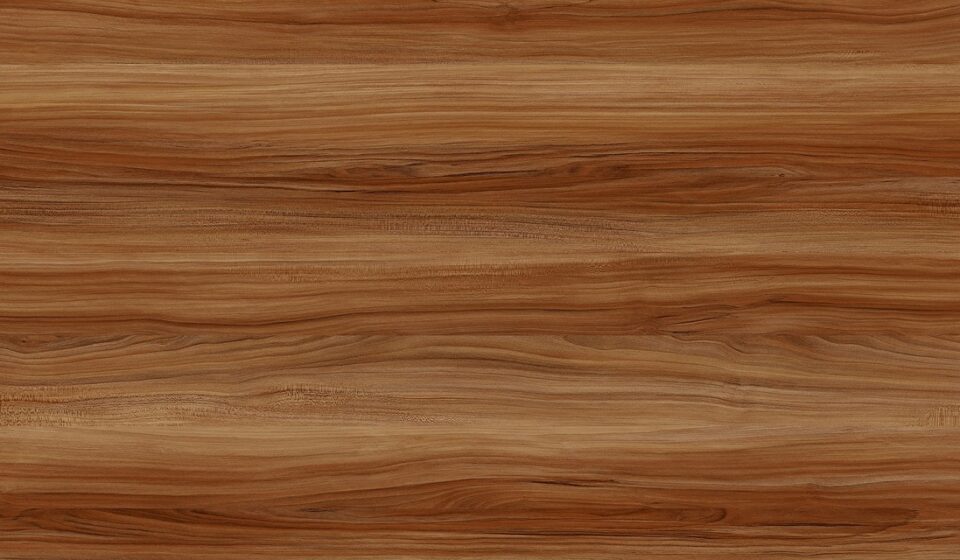
Teak heartwood is the portion most associated with outdoor durability. Fresh heartwood usually ranges from golden brown to medium brown, although color alone is not a reliable test because age, sanding, sunlight, and finishing products can all change the surface. Sapwood is lighter and less durable; the USDA handbook specifically identifies teak sapwood as not durable and more vulnerable to insects than heartwood. A few lighter streaks may be normal in plantation material, but large pale sections on load-bearing rails, legs, and arms should be treated as a warning sign. (govinfo.gov)
Ask whether the product is made from solid teak rather than teak veneer over another substrate. Veneers and composite cores may be suitable for some indoor furniture, but they are risky on fully exposed patios unless the manufacturer clearly rates the product for exterior use. If an item contains plywood, MDF, or particleboard, remember that U.S. EPA formaldehyde rules specifically address certain composite wood products used in furniture and other goods. That is separate from solid teak durability, but it matters when evaluating mixed-material outdoor furniture. (epa.gov)
Construction, joinery, and hardware
Good teak furniture should feel rigid without relying on thick surface coatings to disguise weak construction. Look for tight mortise-and-tenon or dowel joinery, smooth transitions at arms and legs, and no open gaps where water can sit. Screws should be cleanly countersunk, and hardware should be stainless steel, brass, or another corrosion-resistant material suitable for outdoor exposure. If a chair rocks on a flat surface before it is used, weather will not correct the problem.
For dining tables, inspect the underside as carefully as the top. Cross braces, aprons, extension mechanisms, and leg attachments often show whether a piece is built for repeated seasonal movement. For benches and loungers, check slat spacing and support rails. Thin slats can be comfortable when properly supported, but wide unsupported spans may flex over time.
Comfort and practical sizing
Outdoor furniture can be a poor purchase even when the material is good if it does not fit daily use. Measure the patio, deck, or garden area, not just the product. Allow clearance to pull out dining chairs, open doors, walk around a sectional, and store cushions. For dining sets, arm height matters because thick teak arms may not slide under some tables. For loungers, test back positions and wheel quality if possible.
Teak is a dense hardwood, so large pieces are harder to move than aluminum or resin furniture. That weight can help in windy locations, but it matters if the layout changes often or if the furniture is stored indoors each winter.
Responsible sourcing should be part of the buying decision
Teak sourcing deserves more attention than many furniture listings provide. The Forest Stewardship Council explains that chain of custody certification is used to track FSC-certified materials through processing, manufacturing, and distribution. It also states that the FSC label on a finished product signals that chain of custody requirements have been met along the supply chain. FSC distinguishes FSC 100%, FSC Mix, and FSC Recycled labels, so buyers should not treat every FSC claim as identical. (fsc.org)
A practical sourcing check should answer four questions: What is the species name? What is the country of harvest? Is the furniture FSC certified or made from documented reclaimed teak? Does the seller provide a chain-of-custody certificate number or other traceable documentation rather than a vague sustainability statement? For teak, the botanical name buyers most often expect is Tectona grandis. Terms such as “teak-like” or “teak finish” may describe appearance, not species.
U.S. buyers and importers should also understand why Burmese teak has become a higher-risk sourcing topic. A January 26, 2024 U.S. government advisory warned that businesses dealing in high-value timber commodities such as teak and ironwood should conduct due diligence where Burmese products may be mislabeled through neighboring countries. The advisory also stated that U.S. persons are prohibited from engaging in transactions with Myanma Timber Enterprise, which was designated in April 2021. (ustr.gov)
Enforcement is not theoretical. In 2026, the U.S. Department of Justice announced guilty pleas by luxury yacht companies for Lacey Act violations involving illegally obtained Burmese teak imported into the United States. The case concerned yacht components, not patio furniture, but it shows why timber provenance matters when teak moves through complex supply chains. (justice.gov)
Teak compared with other outdoor furniture materials
Teak is not the only practical outdoor furniture material. It is best viewed as a premium natural wood option with a strong balance of appearance, outdoor durability, repairability, and weight. The right comparison depends on climate, budget, maintenance tolerance, and design goals.
| Material | Strengths | Limitations | Best fit |
|---|---|---|---|
| Teak | Natural hardwood look, strong weathering performance, repairable by cleaning and sanding | Higher cost, sourcing documentation matters, color changes outdoors | Patios where long service life and natural wood appearance are priorities |
| Acacia or eucalyptus | Often lower cost, warm wood appearance | Usually needs more finish maintenance and careful protection from standing water | Covered patios, seasonal use, budget-conscious wood buyers |
| Aluminum | Lightweight, corrosion-resistant when well finished, low maintenance | Can feel less substantial and may heat in direct sun | Modern patios, movable seating, coastal-style layouts |
| Steel or iron | Strong, stable, often decorative | Coatings must resist rust; heavy to move | Traditional garden seating and windy sites |
| HDPE or recycled plastic lumber | Low maintenance, color-through material options, no wood sourcing issue | Different feel from natural wood, style varies by brand | Wet climates, rental properties, low-maintenance outdoor areas |
For specifiers and retail buyers, teak makes the most sense when real wood appearance, long service life, and repairability justify the higher price and documentation work. If the main goal is lowest maintenance, aluminum or HDPE may be easier to manage. If the main goal is lowest initial cost, other hardwoods may be attractive, but finish maintenance and protection from standing water should be considered before purchase.
Care choices depend on the look you want
Teak maintenance is often misunderstood because two different goals are mixed together: preserving the wood and preserving the original golden color. Unfinished teak can weather to a silver-gray surface outdoors while still remaining serviceable, provided the structure is sound and the furniture is kept clean. Keeping the fresh golden tone is a cosmetic choice that usually requires more frequent cleaning and application of a teak protector or compatible finish.
Letting teak weather naturally
If you prefer a silver-gray patina, maintenance can be relatively simple. Wash the furniture periodically with mild soap, water, and a soft brush. Rinse well and let it dry fully before replacing cushions or covers. Remove leaves, soil, and food residue promptly because trapped organic matter can encourage staining or mildew on the surface.
Do not confuse gray teak with rotten teak. Graying is caused by surface oxidation and UV exposure. Rot usually appears as soft, punky, or crumbling wood, often where water has been trapped. Joints, feet, and horizontal surfaces need the closest attention.
Keeping a warmer golden tone
If you prefer a golden brown look, expect more upkeep. Clean the wood first, allow it to dry, and then use a product specifically intended for exterior teak. Read the manufacturer’s directions, test in an inconspicuous area, and avoid applying finish over dirt or mildew. Heavy oiling can darken the surface and may attract grime if the product is not suited to outdoor teak furniture.
Sanding can restore color, but it removes material. Use it sparingly and evenly, especially on edges and curved arms. A light refinishing cycle is usually more forgiving than aggressive sanding after years of neglect.
Covers, cushions, and storage
Covers can help keep furniture cleaner, but they should be breathable and correctly sized. A cover that traps moisture against the wood can create staining problems. Cushions should be dried before storage and should not be left compressed against damp furniture. In freeze-thaw climates, lifting furniture feet off wet ground or placing sets on a well-drained surface can reduce moisture stress at the base.
A buyer’s checklist for teak patio furniture
Before ordering a teak dining set, bench, sofa frame, or lounger, use a checklist that goes beyond surface polish. Strong listings and showrooms should make these points easy to verify.
- Confirm the species, ideally Tectona grandis, rather than only “teak finish” or “teak color.”
- Ask whether the visible and structural parts are solid teak, and whether any non-teak materials are used.
- Inspect for excessive sapwood in legs, rails, and other load-bearing areas.
- Check joinery, underside supports, slat thickness, and whether the piece feels stable on a flat surface.
- Look for outdoor-suitable hardware such as stainless steel or brass.
- Ask for FSC chain-of-custody information, reclaimed teak documentation, or other credible provenance records.
- Be cautious with vague claims such as “eco teak,” “Burmese style,” or “plantation sourced” when no documents are available.
- Match the maintenance plan to your preferred appearance: natural gray patina or maintained golden tone.
- Measure clearance for chairs, covers, doors, and walkways before buying a full set.
Importers and commercial buyers may have additional obligations. USDA APHIS notes that a wide range of imported products, including furniture, may require Lacey Act declarations, and it defines protected products in relation to CITES listings, endangered species protections, and other plant protection laws. That does not turn every retail patio buyer into a compliance specialist, but it reinforces the value of transparent supply chains. (aphis.usda.gov)
For more material-focused buying guides and home improvement coverage, visit Zunbeng.
Frequently asked questions
Does teak outdoor furniture need to be sealed?
Not always. Teak can be left unfinished if you accept the natural silver-gray patina. Sealer or protector is mainly used when you want to slow color change and maintain a warmer brown appearance. The wood should be clean and dry before any finish is applied.
Why does teak turn gray outside?
Sunlight, oxygen, rain, and surface weathering gradually change the color of exposed teak. This gray layer is usually a surface change, not a sign that the furniture has failed. Cleaning can remove dirt and mildew, while sanding or refinishing can bring back a warmer tone when done carefully.
Is plantation teak good for outdoor furniture?
Plantation teak can be suitable for outdoor furniture, but quality varies with age, heartwood content, drying, and construction. The safest approach is to inspect the piece, avoid excessive sapwood in structural areas, and ask for credible sourcing documentation rather than relying on the word “plantation” alone.
Can teak furniture stay outside all year?
In many climates, well-built teak furniture can remain outdoors, but it should not sit in standing water or under moisture-trapping covers. In harsh winters or very wet locations, cleaning, breathable covers, and better drainage can reduce staining and joint stress.
What is the most important thing to ask before buying teak?
Ask for proof of what the wood is and where it came from. A strong teak listing should identify the species, construction, and sourcing basis. For higher-value purchases, FSC chain-of-custody information or documented reclaimed teak is more useful than broad sustainability language.