HDPE Adirondack chairs buying guide for patios, decks, and coastal homes
a[data-rs-seo-link]{text-decoration:underline!important;color:#1a56db!important;cursor:pointer!important;}a[data-rs-seo-link]{text-decoration:underline!important;color:#1a56db!important;cursor:pointer!important;}
Quick answer for buyers
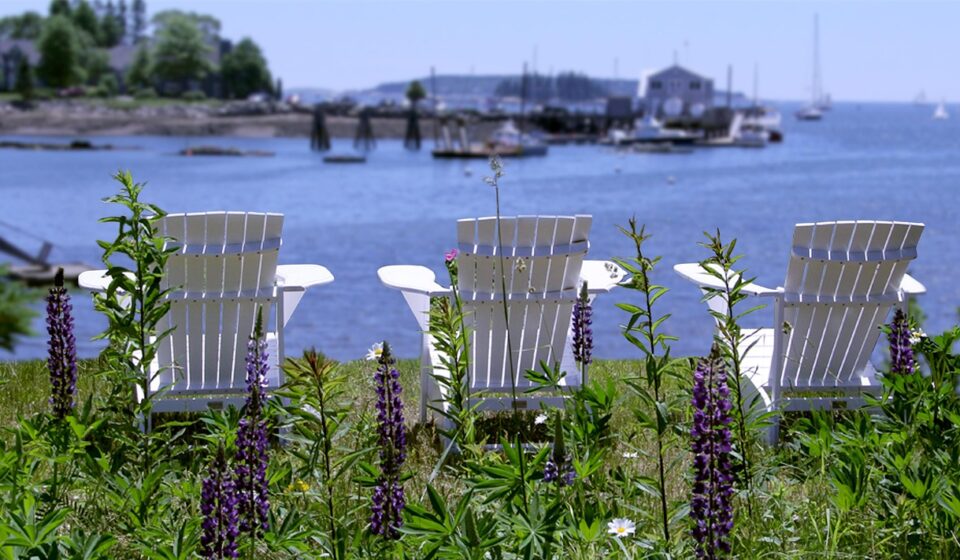
HDPE Adirondack chairs are a strong fit for patios, decks, pool areas, fire pit zones, and coastal homes when buyers want low-maintenance outdoor seating rather than the natural aging and finishing cycle of wood. HDPE, or high-density polyethylene, is commonly made into plastic lumber boards that can be cut and assembled into the familiar Adirondack form: wide arms, a sloped seat, and a reclined back.
The main advantages are practical. HDPE does not require annual staining or sealing, and better chairs often use color-through boards, UV-stabilized resin, and stainless or coated hardware. The tradeoffs should also be clear before buying: HDPE chairs usually cost more than thin molded plastic chairs, weigh more, can expand and contract as temperatures change, and still need occasional cleaning and hardware checks.
For more practical material comparisons, visit our Buying Guides.
What HDPE means in Adirondack chairs
In outdoor furniture, HDPE usually means high-density polyethylene formed into thick boards, sheets, or profiles. Many brands describe it as poly lumber, recycled plastic lumber, or all-weather lumber. It is different from lightweight molded resin furniture because the chair is usually built from separate boards fastened together, closer in construction to a wood chair than to a one-piece plastic shell.
The material matters, but the finished chair is more than the material name. Board thickness, internal composition, UV additives, pigment quality, fastener grade, bracing, seat angle, and assembly accuracy all affect outdoor performance. ASTM D6662, a standard for polyolefin-based plastic lumber decking boards, identifies performance areas such as flexural properties, dimensional stability, weatherability, fire properties, and slip resistance. Decking is not the same as a chair, but those categories are useful reminders that plastic lumber should be evaluated as an engineered material, not simply as “plastic.” (store.astm.org)
There is also a chair-specific safety angle. ASTM maintains F1838 for adult and children’s plastic chairs for outdoor use, which indicates that load, stability, and performance requirements are relevant when comparing outdoor plastic seating. For buyers, declared weight capacity, bracing layout, and access to hardware are not just marketing details. (astm.org)
Why buyers choose HDPE instead of wood, resin, or metal
Most buyers searching for hdpe adirondack chairs are not looking for the cheapest outdoor chair. The need is usually more specific: a substantial Adirondack profile that can remain outdoors and avoid the maintenance cycle of painted or stained wood. That is where HDPE performs well.
| Material choice | What buyers usually gain | What to watch |
|---|---|---|
| HDPE poly lumber | Low routine maintenance, moisture resistance, no paint or stain cycle, substantial feel | Higher upfront cost, heavier weight, quality varies by resin, UV package, and hardware |
| Natural wood | Authentic grain, traditional appearance, repairable surface | Needs finishing, can splinter, crack, rot, or weather unevenly if neglected |
| Thin molded resin | Low price, light weight, easy to stack in some designs | Often less rigid, may flex, fade, or crack sooner depending on resin and exposure |
| Metal | Slim profiles, high structural strength, modern styling | Can heat up in sun, may corrode if coating or hardware fails, often needs cushions for comfort |
HDPE delivers the most value where moisture, salt air, sprinkler overspray, pool use, and seasonal weather make wood maintenance inconvenient. It is not the right answer for every setting. If chairs need to be moved every day, a lighter aluminum or folding resin option may be easier to manage. If the buyer wants natural patina, teak, cedar, or painted wood may be more visually satisfying.
The specifications that matter before you buy
Board quality and construction
Look for clear language such as HDPE, poly lumber, or high-density polyethylene rather than vague phrases like “plastic-like,” “synthetic,” or “weather-style material.” If recycled content is important, check whether the brand identifies post-consumer, post-industrial, or blended recycled content. Also review board thickness, visible bracing, and whether load-bearing areas use full-length boards rather than thin decorative pieces.
UV stabilization and color-through pigment
Outdoor HDPE can still be affected by sunlight and heat. A NIST-published study on HDPE under accelerated ultraviolet exposure found that tensile elongation at failure decreased over time, with faster degradation under higher UV intensity and temperature. This does not mean every HDPE chair will fail quickly. It does mean UV stabilization and pigment quality are meaningful specifications, especially in hot, high-sun locations. (nist.gov)
Color-through construction is another useful indicator. When pigment runs through the board instead of sitting as a surface paint, small scuffs are less likely to reveal a different color underneath. Some manufacturers also describe UV additives and color-stability testing. Loll Designs, for example, states that its HDPE includes a UV additive and notes that accelerated UV chamber testing is predictive rather than a direct one-to-one match for real outdoor years. (lolldesigns.com)
Hardware and fastener access
The frame may be HDPE, but the chair still depends on screws, bolts, and connectors. Stainless steel, marine-grade stainless, or coated hardware is especially important near salt air and pools. Check whether replacement hardware is available and whether bolts can be tightened after assembly. Thermal expansion and contraction can gradually loosen fasteners, so a chair that allows simple inspection is easier to maintain over time.
Comfort dimensions and chair style
Adirondack chairs are known for a sloped seat, reclined back, and wide arms. That shape is comfortable for lounging, but it can be harder to get out of than an upright dining chair. Before buying, compare seat height, seat depth, back angle, arm height, and overall width. Taller users may prefer a higher seat and longer back. Buyers with knee or hip concerns may want a modern upright Adirondack, a balcony-height version with a footrest, or a design with a less aggressive recline.
Weight, folding, and storage
HDPE chairs often feel reassuringly solid, but that weight matters when furniture must be moved for storms, cleaning, or seasonal layout changes. Folding models can help, but not every “folding” design folds quickly or compactly. Some require partial disassembly. If storage is important, confirm the folded dimensions, total weight, and whether the locking mechanism is designed for repeated use.
How HDPE behaves outdoors
A well-made HDPE Adirondack chair can stay outdoors through rain and snow more comfortably than untreated wood, but “all-weather” should not be read as “no limits.” Heat can make dark surfaces warmer to the touch. Freeze-thaw cycles can expose weak joints. Salt air can affect hardware even when the lumber itself is not absorbing moisture. Pool chlorine is usually less of a problem for HDPE than for many natural materials, but rinsing residue and keeping hardware clean are still sensible habits.
Fire pit placement needs care. Adirondack chairs are often bought for fire pit seating, but HDPE is still plastic. It should not be placed where embers, direct flame, or intense radiant heat can contact the chair. Leave generous clearance, follow the fire pit manufacturer’s distance guidance, and avoid using plastic furniture as a windbreak near flame. See also: Building Materials.
Color choice affects both comfort and appearance. Dark colors can look modern and hide dirt, but they absorb more heat in direct sun. White and light gray can stay visually cooler, though they tend to show pollen, soil, mildew staining, and water spots sooner. Textured surfaces may hide scratches, but they can also trap grime and usually need brushing rather than rinsing alone.
Maintenance and cleaning routine
HDPE is low maintenance, not zero maintenance. A practical routine is straightforward: rinse loose debris, wash with mild dish soap and water, scrub textured areas with a soft-bristle brush, and rinse thoroughly. Trex Outdoor Furniture’s product care guidance describes cleaning with soap, water, and a soft-bristle brush; it also gives a deeper-cleaning option using a pressure washer rated no higher than 1,500 psi with a 40-degree fan tip. (trexfurniture.com)
- Monthly during outdoor season: rinse pollen, dust, leaves, and salt spray before buildup becomes embedded.
- After storms: check for debris around joints and under the seat where moisture and dirt collect.
- Seasonally: inspect bolts and screws, especially on folding chairs, rockers, and balcony-height models.
- For stains: start with soap and water before using stronger cleaners, and test any cleaner on a hidden area.
- For winter: covers are helpful if the furniture sits under trees or near dirty runoff, but trapped moisture should be avoided.
Avoid harsh abrasives, wire brushes, and unnecessary high pressure. Scratching the surface can make textured boards harder to clean later. Cushions, if used, need their own care routine and should not be pressure washed unless the fabric manufacturer allows it.
Sustainability claims to read carefully
Many HDPE Adirondack chairs are marketed as recycled or recyclable, and those claims need to be read closely. HDPE is associated with resin identification code #2 and is used in products such as bottles as well as some durable goods. EPA’s national plastics data, based on 2018 municipal solid waste figures, reported 35.7 million tons of plastics generated in the United States, an 8.7 percent overall plastics recycling rate, and a 29.3 percent recycling rate for HDPE natural bottles. (epa.gov)
That data supports two balanced conclusions. First, using recycled HDPE in durable furniture can create demand for material that might otherwise have limited higher-value applications. Second, a resin code or broad “recyclable” statement does not guarantee that a bulky chair will be accepted in curbside recycling. Some manufacturers run take-back or material reutilization programs, while others expect consumers to find local specialty recycling options.
Environmental marketing should also be specific. The FTC’s Green Guides summary says recyclable claims should be qualified when recycling facilities are not available to at least 60 percent of consumers or communities where a product is sold. For a buyer, the useful question is not simply “Is this HDPE?” but “What recycled content is claimed, can the company document it, and what end-of-life path is realistically available?” (ftc.gov)
A practical buyer checklist
| Question to ask | Why it matters |
|---|---|
| Is the chair made from HDPE poly lumber or thin molded plastic? | The construction method affects rigidity, weight, repairability, and long-term feel. |
| Are UV stabilizers and color-through pigments specified? | Sun exposure is one of the main reasons outdoor plastics fade or become brittle. |
| What hardware is used? | Stainless or coated hardware matters in wet, coastal, and poolside settings. |
| Can the fasteners be tightened or replaced? | Serviceable connections extend useful life and make seasonal maintenance easier. |
| What is the seat height and recline angle? | Classic Adirondack comfort may not suit every body type or mobility need. |
| How heavy is each chair? | Weight helps wind resistance but makes moving and storage harder. |
| What does the warranty actually exclude? | Color shift, hardware corrosion, commercial use, misuse, and fire damage may be treated differently. |
| Is there a realistic end-of-life route? | Bulky HDPE furniture may not be accepted through ordinary curbside recycling. |
The strongest purchase is usually the chair that matches the site, not the one with the longest claim list. A pool deck needs suitable hardware and tolerance for chlorine residue. A windy lakefront needs weight and stable geometry. A sunny desert patio needs credible UV protection and a color that remains comfortable to touch. A small balcony needs workable folded dimensions more than oversized arms.
Frequently asked questions
Are HDPE Adirondack chairs better than wood chairs?
They are better for buyers who want lower routine maintenance, moisture resistance, and no annual painting or staining. Wood may be better for buyers who value natural grain, traditional refinishing, and a warmer organic appearance. The right choice depends on climate, maintenance habits, and design preference.
Do HDPE Adirondack chairs fade?
They can fade or change surface appearance over time, especially under strong UV exposure. Quality chairs reduce this risk with UV stabilizers and color-through pigments, but no outdoor material is completely immune to sunlight.
Can HDPE chairs stay outside in winter?
Many HDPE chairs are designed for year-round outdoor use, but winter exposure can still leave dirt, ice, leaves, and runoff on surfaces and joints. Cleaning before storage, using breathable covers, and checking hardware in spring are sensible steps.
Are recycled HDPE chairs recyclable?
The material may be recyclable in industrial or specialty streams, but a bulky assembled chair is not the same as a household HDPE bottle. Check the manufacturer’s end-of-life instructions and local recycling rules before assuming curbside acceptance.
What is the biggest mistake when buying HDPE Adirondack chairs?
The biggest mistake is shopping only by material name. HDPE is important, but real performance comes from the full package: board quality, UV stabilization, hardware, bracing, comfort dimensions, warranty terms, and whether the chair suits the location where it will be used.