Kitchen cupboard wood guide for cabinets, doors, and finishes
a[data-rs-seo-link]{text-decoration:underline!important;color:#1a56db!important;cursor:pointer!important;}a[data-rs-seo-link]{text-decoration:underline!important;color:#1a56db!important;cursor:pointer!important;}
What kitchen cupboard wood really means
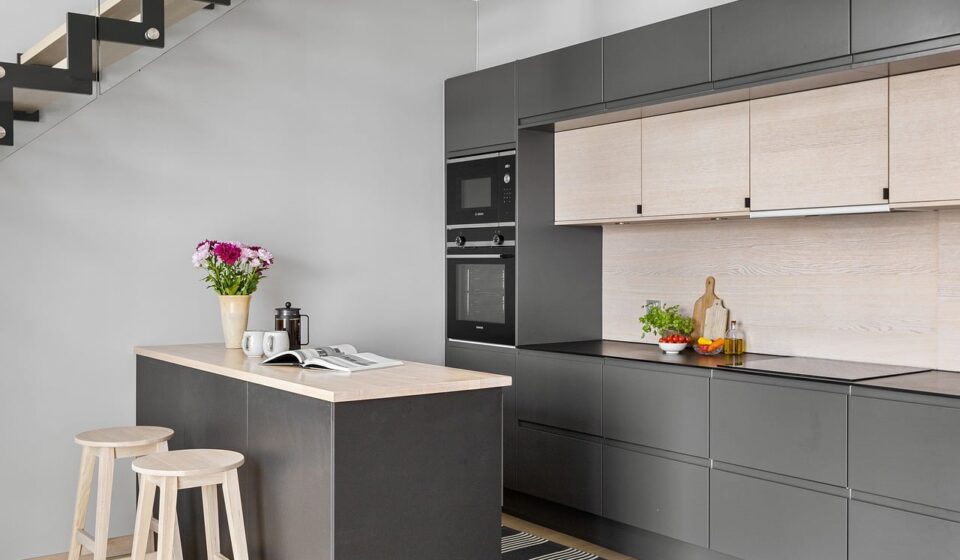
When buyers compare kitchen cupboard wood, they are often comparing several materials at the same time: the visible door species, the cabinet box panel, the drawer material, the face frame, and the finish system. A durable kitchen cabinet does not need to be made entirely from solid hardwood. Many well-built cupboards use hardwood for frames, edges, and decorative details; plywood or engineered panels for large flat parts; and a finish system that helps protect the surface from moisture, cooking residue, and routine cleaning.
The practical question is not simply which wood is best. It is which wood, panel, or veneer belongs in each part of the cupboard.
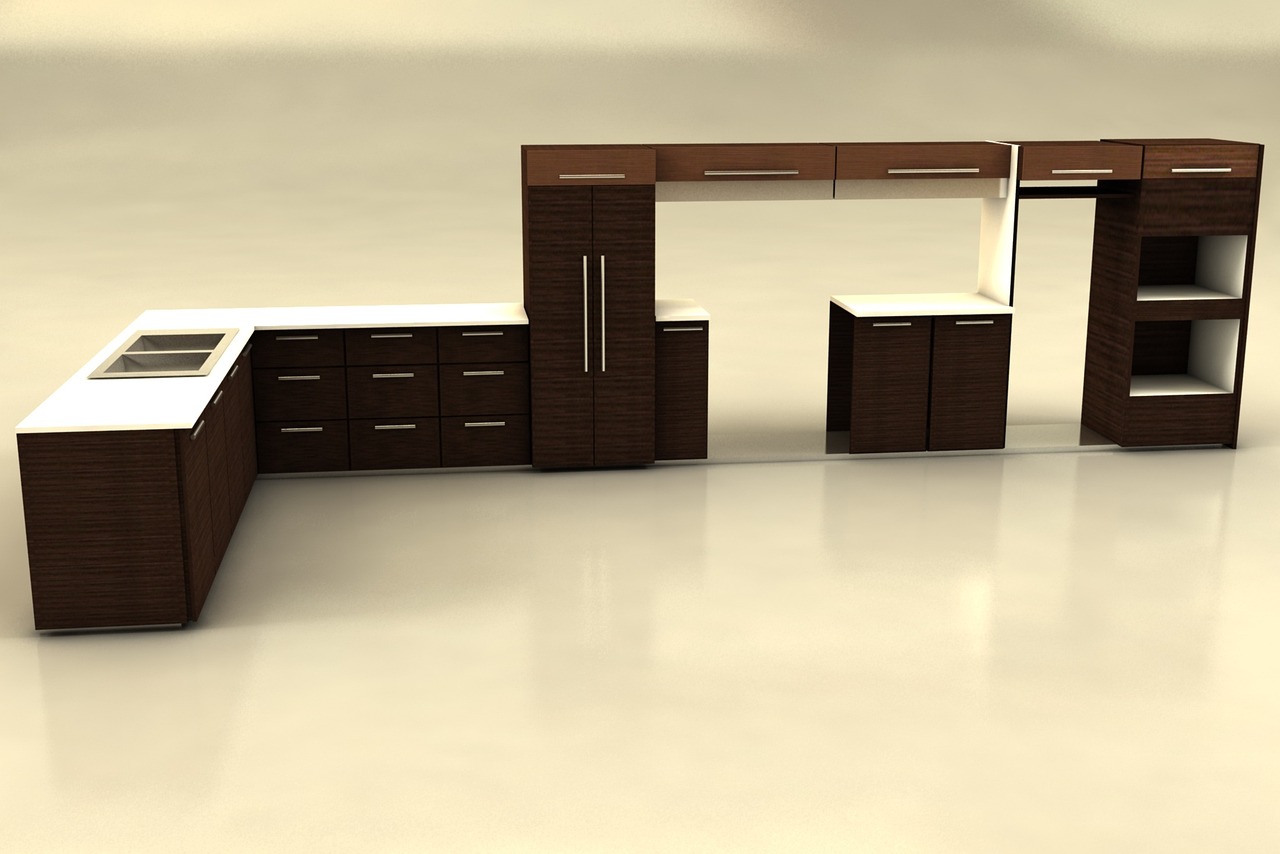
That distinction matters because kitchen cupboards face repeated humidity changes, heat near cooking zones, water around sinks, and constant door and drawer movement. Solid wood offers natural grain and repairability. Engineered panels can provide flatter surfaces and more consistent performance in wide cabinet parts. A sound specification balances appearance, wood movement, fastener holding, emissions compliance, budget, and maintenance.
Solid wood, plywood, MDF, and particleboard compared
Most kitchen cupboards combine solid wood with wood-based panels. Knowing where each material performs best helps buyers avoid paying for visible upgrades while overlooking hidden construction details.
| Material | Where it is commonly used | Main strengths | Watch-outs |
|---|---|---|---|
| Solid hardwood | Door frames, face frames, rails, stiles, edges, decorative parts | Natural grain, strong edges, can often be refinished or repaired | Moves with humidity, can warp in wide slabs, costs more in premium species |
| Cabinet-grade plywood | Cabinet boxes, shelves, side panels, drawer boxes, veneered doors | Layered construction improves stability compared with wide solid boards | Exposed edges need banding; quality varies by core, veneer, and glue line |
| MDF | Painted doors, center panels, smooth slab fronts, some box components | Smooth paint surface, uniform density, less visible grain telegraphing | Heavy; damaged edges and water swelling can be difficult to repair |
| Particleboard or furniture board | Laminate cabinet boxes, budget and mid-range frameless cabinets, shelves | Flat, economical, commonly used under melamine or veneer | Needs sealed edges and good hardware attachment; poor moisture exposure can cause swelling |
| Wood veneer over a panel core | Slab doors, exposed end panels, premium-looking flat surfaces | Real wood appearance with a stable panel substrate | Veneer thickness, edge treatment, and core quality strongly affect durability |
The U.S. Forest Service Wood Handbook explains that wood tends to reach equilibrium with the relative humidity around it. This is one reason wide solid boards are less predictable in kitchen doors than narrow rails and stiles. APA, the Engineered Wood Association, describes plywood as cross-laminated veneer layers with alternating grain directions, a structure that improves dimensional stability and reduces shrinkage and swelling compared with solid wood boards of similar size.
Choose the wood species by finish and wear
Wood species choice is mostly a visible-surface decision. For cabinet boxes, panel quality and construction usually matter more than whether the face veneer is maple, birch, oak, or another species. For doors and drawer fronts, the species affects grain pattern, color, dent resistance, stain behavior, and the overall style of the kitchen.
Maple and birch for clean painted or light kitchens
Hard maple is commonly used for painted or lightly stained cabinetry because it has a fine, tight grain and a clean appearance. Birch can offer a similar light-toned look, often at a different price point depending on market and grade. Both can suit contemporary kitchens where the design calls for smooth lines and restrained grain.
The main caution is staining. Dense, tight-grained woods can absorb stain unevenly unless the finishing process is carefully controlled.
Oak for visible grain and everyday toughness
Red oak and white oak remain familiar choices for kitchen cupboards because they offer strong grain character and good wear resistance. White oak is often specified for modern, transitional, and natural-look kitchens because its grain can appear calmer and more linear when rift-sawn or quarter-sawn.
Oak is not the best option if the goal is a perfectly smooth painted door with no visible grain. It is more suitable when the design intentionally uses texture and grain as part of the look.
Cherry and walnut for warmer decorative fronts
Cherry and walnut are often chosen for premium-looking visible surfaces. Cherry develops a warmer, deeper tone as it ages, while walnut brings a darker brown color and distinctive figure. These woods are usually selected for appearance rather than maximum dent resistance. They can work well for doors, drawer fronts, islands, and feature areas, but buyers should expect natural variation from board to board.
Alder, poplar, and softer hardwoods
Alder and poplar can be useful for painted cabinetry, secondary parts, or designs where a softer, more workable hardwood is acceptable. They may show dents more readily than harder species, so they are not always ideal for high-impact door edges in busy households. With a suitable finish and realistic expectations, they can still be appropriate for budget-conscious or style-specific projects.
Moisture, movement, and construction details matter more than labels
Material labels can be vague. A cabinet described as wood may contain solid hardwood, hardwood veneer, plywood, MDF, particleboard, or a mix of these materials. Instead of relying on one label, inspect how the cupboard is built.
- Door construction: Five-piece doors usually use rails, stiles, and a center panel. A floating center panel allows seasonal movement, while a painted MDF center panel can reduce visible expansion lines.
- Box thickness and support: Look for stable side panels, properly supported shelves, and strong hanging rails. Material quality should match the cabinet size and expected load.
- Edges: Plywood, MDF, and particleboard need edge banding or applied edges where they are exposed. Unsealed edges near sinks and dishwashers are a common weak point.
- Hardware attachment: Hinges, drawer slides, and pull-outs place stress on screw connections. Dense panels, proper pilot holes, inserts, or reinforced mounting areas can matter as much as the panel name.
- Finish coverage: A good finish should cover faces, edges, and vulnerable end grain. It should resist routine cleaning, but no wood finish should be treated as waterproof.
Moisture planning is especially important for sink bases, dishwasher sides, trash pull-outs, and toe-kick areas. Plywood can tolerate incidental moisture better than many unprotected composite panels, but any wood-based material can fail if water sits at seams, screw holes, or raw edges. In wet zones, sealed edges, removable mats, leak detection, and prompt cleanup matter more than marketing terms.
Safety and certification checks before buying
For U.S. buyers, composite wood products used in cabinets should be reviewed against formaldehyde rules. The U.S. Environmental Protection Agency regulates hardwood plywood, MDF, and particleboard under TSCA Title VI. The federal emission standards took effect on June 1, 2018, and EPA guidance also notes a March 22, 2024 compliance date for certain laminated products that are treated as hardwood plywood unless exempt. In practical buying terms, ask whether cabinet components containing regulated composite wood products are TSCA Title VI compliant. See also: Building Materials.
Certification should not be confused with material choice. The ANSI/KCMA A161.1-2022 standard from the Kitchen Cabinet Manufacturers Association is a voluntary performance and construction standard for kitchen and vanity cabinets. It evaluates how a cabinet can be expected to perform when properly installed, used, and maintained; it does not require one specific wood species or panel type. A cabinet made with engineered panels can perform well if it is properly designed, finished, and assembled. A poorly built solid wood cabinet can still move, crack, or fail.
Before ordering, ask for clear written specifications rather than broad descriptions. Useful details include door species, box material, panel thickness, drawer box construction, finish type, hinge and slide grade, edge treatment, and applicable compliance language. For more practical selection checklists, see our Buying Guides.
A practical selection method for different projects
The right kitchen cupboard wood depends on the project goal. Use the following approach to match material to use, rather than choosing by reputation alone.
- Start with the finish. If the cabinets will be painted, prioritize smoothness, joint stability, and a compatible substrate. Maple frames with MDF center panels are common because they reduce visible grain and panel movement. If the cabinets will be stained or clear-coated, choose the visible species for grain, tone, and natural variation.
- Separate doors from boxes. Door fronts carry most of the visual value. Cabinet boxes carry loads, hardware, shelves, and installation stress. A high-quality plywood or well-made furniture board box may matter more than an expensive door species hidden behind paint.
- Plan for moisture zones. Under-sink cupboards, dishwasher returns, and base cabinets near exterior doors need careful edge sealing and water management. Ask how raw panel edges are protected.
- Check large slab doors carefully. A full solid wood slab can move more than a framed door or a veneered panel. For modern flat doors, a veneer over a stable core is often more predictable than one wide board.
- Match hardness to household use. Families with children, pets, or heavy kitchen traffic may prefer harder species or more forgiving finishes. Softer decorative woods can still work, but dents and patina should be expected.
- Review the warranty and maintenance language. Wood movement, color change, and small finish variations may be excluded from coverage. A realistic warranty can reveal as much about the product as a sample door.
Common mistakes when comparing kitchen cupboard wood
A common mistake is assuming that solid wood is always superior. Solid hardwood is valuable for many visible and structural parts, but it is not automatically the best choice for every wide panel in a kitchen. Another mistake is treating all plywood as equal. Plywood quality depends on veneer grade, core construction, voids, glue performance, thickness consistency, and edge treatment.
Buyers also sometimes confuse real wood veneer with fake wood. A veneer is real wood sliced thin and bonded to a substrate. It can be an efficient way to achieve a consistent walnut, oak, or maple appearance on large doors. The weakness is not the veneer itself, but poor bonding, thin wear layers, weak cores, or exposed edges.
Finally, do not judge cabinets only by a showroom door. Open drawers, inspect the back, look under shelves, and ask how the cabinet will be installed. Many failures begin at joints, hang rails, edges, and hardware points rather than in the visible face wood.
Frequently asked questions
Is solid wood better than plywood for kitchen cupboards?
Not always. Solid wood is excellent for frames, edges, and visible details, but plywood is often better for broad cabinet sides, shelves, and boxes because its layered construction is more dimensionally stable. A high-quality kitchen often uses both materials where each performs best.
What wood is good for painted kitchen cupboard doors?
Maple is a common painted-cabinet choice because of its fine grain and clean surface. MDF is also widely used for painted center panels or slab doors because it is smooth and uniform. The best result depends on finish preparation, door design, and how well edges are sealed.
Are MDF and particleboard bad for kitchen cabinets?
No material is automatically bad. MDF can be excellent for smooth painted surfaces, and particleboard can perform well under melamine, laminate, or veneer when it is properly specified and protected. The main concerns are moisture exposure, weak edges, poor fastener support, and low-grade construction.
What should I ask before buying wood kitchen cupboards?
Ask what the doors, boxes, drawer boxes, shelves, and exposed end panels are made from. Also ask about TSCA Title VI compliance for regulated composite wood products, finish type, edge banding, hardware specifications, and whether the cabinet line has voluntary performance certification such as ANSI/KCMA A161.1.
Which kitchen cupboard wood is easiest to maintain?
Maintenance depends more on the finish and construction than on species alone. A durable factory-applied finish on maple, oak, plywood, MDF, or veneer can be easier to live with than an expensive wood surface with weak sealing. For everyday care, avoid standing water, harsh abrasives, and repeated soaking at doors and seams.