Brick finishes for interior walls, fireplaces and floors
a[data-rs-seo-link]{text-decoration:underline!important;color:#1a56db!important;cursor:pointer!important;}a[data-rs-seo-link]{text-decoration:underline!important;color:#1a56db!important;cursor:pointer!important;}
What interior brick finishes are best suited for modern spaces?
Interior brick finish projects usually come down to two decisions: whether to expose existing masonry or add a brick surface, and whether that surface should stay natural, be painted, be washed or be sealed. For many renovations, thin brick veneer offers the best balance of real brick texture, lower thickness and simpler installation compared with full brick. Existing exposed brick can also be a strong design feature, but it should be checked for moisture, mortar condition and surface stability before cleaning or coating.
Painted and limewashed brick can soften a room or give uneven masonry a more unified look. Sealed brick is often more practical in kitchens, entries, hospitality interiors and light-use floors. The right specification depends less on trend and more on location, load, cleanability, moisture exposure and code requirements around fireplaces. For related material choices across walls, floors and surfaces, see the Interior Finishes section.
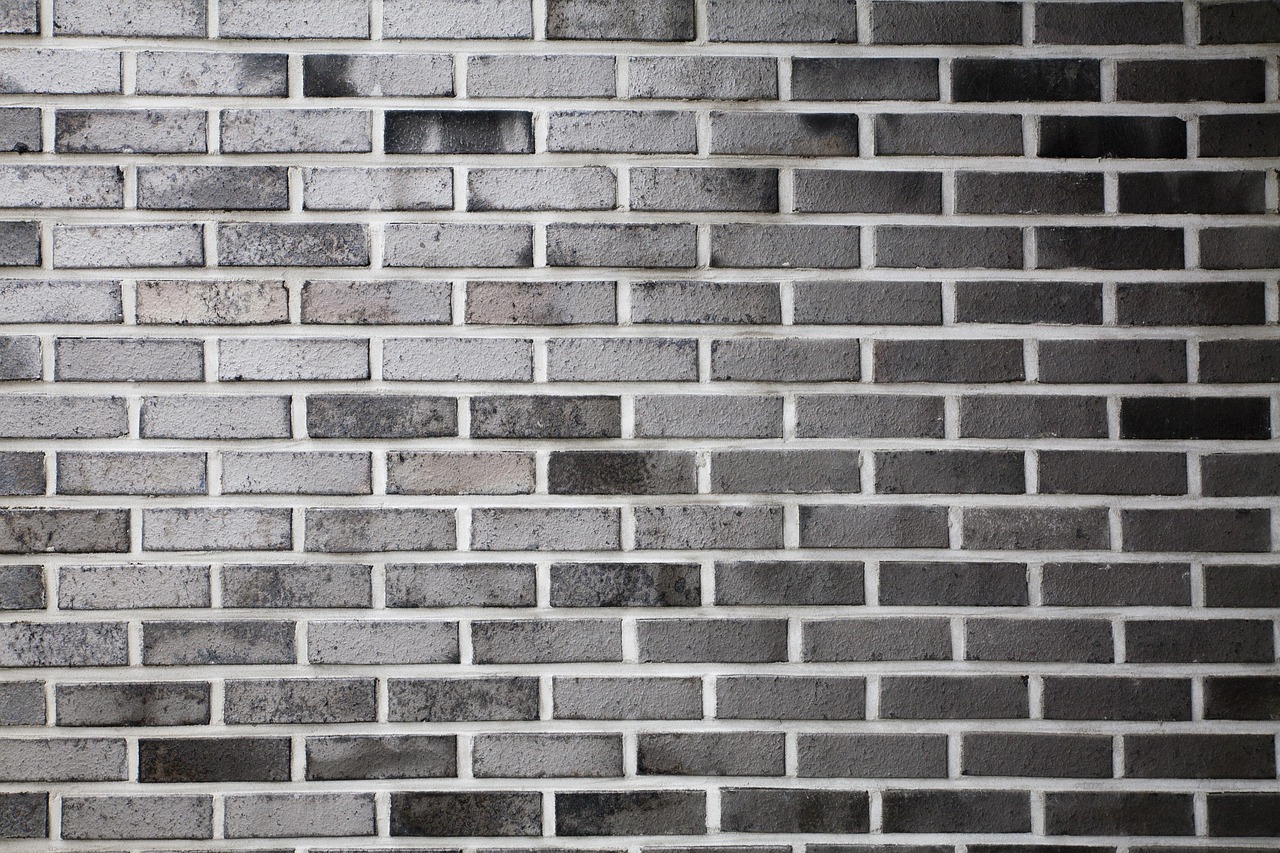
Main types of interior brick finishes
Interior brick can be structural, decorative or a combination of both. That distinction matters because not every brick-look surface performs like full masonry.
Exposed existing brick
Exposed brick is the original masonry wall revealed by removing plaster, drywall or other coverings. It is valued for age, irregular color and real texture, especially in lofts, brownstones and older commercial conversions. The limitation is that older interior brick was not always laid to be seen. Mortar joints may be soft, units may be uneven, and previous coatings may hide moisture or salt staining.
Before making exposed brick the final finish, inspect the wall for loose units, powdering mortar, efflorescence, active dampness, old paint and adhesive residue. Repointing may be needed before cleaning. Aggressive grinding, hard brushing or indoor pressure washing can damage softer brick faces and create dust problems.
Full brick interior masonry
Full brick provides the deepest shadow lines and the strongest sense of material authenticity, but it is heavy and thick. It is normally used where the structure is designed to support it, such as masonry partitions, hearths, arches or new construction details with proper bearing. As a cosmetic retrofit, full brick is rarely the easiest option because it can reduce usable floor area, add dead load and complicate transitions at doors, baseboards and cabinetry.
Thin brick veneer
Thin brick veneer, also called brick slips, is made to provide a clay brick face with less depth and weight. Industry guidance from the Brick Industry Association describes thin brick as fired clay units made from similar materials and processes as conventional brick, but thinner and lighter. It also identifies common installation approaches, including thick-set mortar, thin-set mortar, modular panels and prefabricated panels.
For interior accent walls, backsplashes, fireplace surrounds and some floors, thin brick is often the most flexible option. The key detail is the complete assembly, not just the brick face. Substrate, mortar or adhesive, movement accommodation, grout or mortar joints and any sealer all affect the final performance.
Brick-look panels and porcelain alternatives
Not every brick effect needs to be clay brick. Lightweight panels, concrete products and brick-look porcelain can be useful where speed, low thickness or easy cleaning matters more than masonry authenticity. Porcelain, for example, can be easier to wipe down in wet or greasy areas. The trade-off is that many substitutes lack the surface depth, edge variation and fired character of real clay brick.
Finish options and how they change the room
The same brick surface can feel rustic, industrial, traditional or minimal depending on how it is finished. The choice should respond to light levels, room size, adjacent materials and maintenance expectations.
Natural and uncoated brick
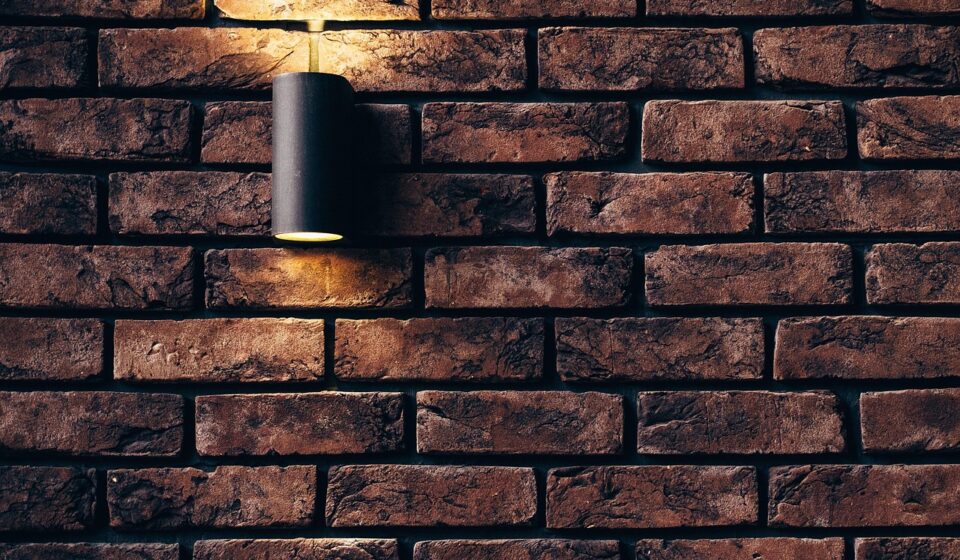
Natural brick keeps the color variation, fired surface and original texture visible. It works well when the brick is attractive and the space has enough light. Dark red and brown brick can make a small room feel heavier, but they can also add warmth when paired with pale plaster, light oak, concrete or matte metal details.
The main maintenance issues are dust and absorbency. Rough brick faces and recessed mortar joints collect particles more readily than painted drywall or tile. In low-touch rooms, that may be acceptable. In kitchens, entries and children’s areas, a natural surface may need a compatible breathable sealer.
Whitewashed and limewashed brick
Whitewash and limewash reduce color contrast while keeping texture visible. They are useful when the existing brick color is too strong but the design still calls for a mineral, aged or handmade look. Limewash is typically more matte and mineral-looking than paint, while whitewash can range from a thin translucent veil to a denser cloudy layer.
These finishes do not behave the same way on every wall. Absorption rate, existing sealers, soot, old paint and mortar repairs can all affect the result. A test area is essential, especially on historic masonry or walls with mixed-age repairs.
Painted brick
Painted brick gives the most predictable color control. White, warm gray, black and deep green are common choices because they can tie irregular masonry to trim, cabinetry or metalwork. The drawback is reversibility. Once paint enters the pores and mortar joints, returning to bare brick can be labor-intensive and may damage the brick face.
Interior paint systems also change how the surface handles moisture. In dry rooms, that may be manageable. In basements, bathrooms or walls with uncertain moisture movement, non-breathable coatings can make hidden dampness harder to diagnose. Paint should not be used to disguise an active water problem.
Mortar wash, German smear and overgrout
Mortar wash and German smear techniques use mortar to soften the brick face and visually bridge the joints between units. They can make new thin brick appear older and can tone down strong color variation. The result depends heavily on workmanship: too little mortar can look patchy, while too much can flatten the texture that made the brick desirable in the first place.
Sealed brick
Sealers are often specified for kitchens, mudrooms, hospitality interiors and floors because they improve stain resistance and cleanability. The main decision is whether the sealer should be penetrating, film-forming, matte, satin or gloss. A glossy coating can make brick look darker and less natural, while a matte penetrating product is usually less visually intrusive. In moisture-sensitive conditions, vapor permeability matters, so the sealer should be selected for the actual substrate and exposure.
Where each brick finish works best
A finish that works on a living room feature wall may be wrong behind a cooktop or inside a shower. Location should drive the specification.
| Interior location | Suitable brick finish | Main caution |
|---|---|---|
| Living room feature wall | Exposed brick, thin brick veneer, limewash, mortar wash | Check wall condition, dusting mortar and lighting before committing. |
| Kitchen backsplash | Thin brick with compatible sealer, glazed brick, brick-look porcelain | Grease and food splashes require cleanable surfaces and well-filled joints. |
| Bathroom or laundry | Sealed thin brick outside direct wet zones, porcelain alternative in wetter areas | Do not treat decorative brick as waterproofing; manage ventilation and substrate protection. |
| Fireplace surround | Full brick, fire-rated masonry systems, approved thin brick assemblies | Follow local code and appliance manufacturer clearances to combustibles. |
| Interior floor | Floor-rated thin brick or pavers with appropriate mortar bed and sealer | Confirm traffic level, substrate stiffness, thickness transitions and maintenance. |
| Basement wall | Breathable exposed brick or carefully specified veneer | Investigate moisture and salts before sealing or painting. |
Installation and performance details that affect the finish
The visible brick is only the final layer. Long-term performance depends on what happens behind and between the units. See also: Building Materials.
Substrate and movement
Thin brick needs a stable, suitable substrate. Cement board, masonry, concrete and properly prepared panels may be used in different systems, but manufacturer instructions and applicable tile or masonry standards should govern the assembly. Cracked plaster, damp drywall, flexible wood panels and dusty old paint are poor foundations unless they are corrected first.
Walls and floors move over time. Buildings expand, shrink, settle and vibrate, while different materials respond differently to temperature and moisture. Large areas of brick veneer should not bridge structural cracks without a movement strategy. At changes in plane, long runs, corners and transitions to dissimilar materials, the detailing should allow movement rather than lock every edge rigidly.
Mortar joint color and profile
Mortar color can change the perceived color of the brick as much as the brick itself. Light mortar increases contrast with dark red brick. Dark mortar makes the wall feel more graphic and contemporary. Buff or warm gray mortar often softens the overall effect.
Joint profile matters too. A concave or tooled joint usually reads cleaner and sheds dust better than a rough recessed joint. Overgrout creates a softer historic look, but it also increases surface texture and can make cleaning more difficult in kitchens and commercial interiors.
Cleaning after installation
New brickwork often has mortar haze or residue. Cleaning should start with the least aggressive method that works. Acid cleaners, abrasive pads and high-pressure water can permanently change brick color or surface texture if used incorrectly. On interior work, dust containment and ventilation are also part of responsible cleaning, especially in occupied buildings.
Special considerations for fireplaces and floors
Fireplaces and floors need a stricter approach than decorative walls because heat, impact and wear introduce performance requirements.
Fireplace surrounds
Brick is noncombustible, but a brick finish does not automatically make the entire wall assembly safe. Combustible framing, sheathing, mantels, trim and nearby finishes still need required clearances. The 2024 International Building Code includes clearance requirements for masonry fireplaces, including minimum distances from masonry fireplace faces and backs to combustible materials, with separate rules and exceptions for listed assemblies. In practical terms, the fireplace type, appliance listing, local code and manufacturer installation instructions should be verified before adding brick, wood trim, shelves or television framing around it.
This is especially important when thin brick is installed over a framed wall. The thin brick face may tolerate heat, but the wall behind it may not be designed as a heat shield. For wood stoves, gas fireplaces and inserts, the appliance manual and local authority having jurisdiction should guide the work.
Interior brick floors
Brick floors offer texture and character, but they are less forgiving than smooth tile. The Brick Industry Association’s interior thin brick flooring guidance, based on TCNA requirements and ASTM C1935 practice, frames thin brick flooring for residential and light commercial areas with limited pedestrian traffic, limited water exposure and no concentrated loads from hard-wheeled carts or dollies. That limitation matters for restaurants, retail entries, offices and utility spaces where rolling loads or frequent wet cleaning are expected.
For homes, brick flooring can work in entries, sunrooms, kitchens or mudrooms when the substrate is stiff, the units are floor-rated, joints are properly filled, and the surface is sealed for the intended cleaning routine. Expect texture underfoot, some color variation and a more tactile surface than porcelain or polished concrete.
How to choose the right interior brick finish
A simple decision sequence can prevent expensive mistakes.
- Identify the purpose. Is the brick mainly decorative, protective, heat-related or floor-bearing?
- Check the existing conditions. Look for moisture, cracks, loose mortar, old coatings, dusting surfaces and structural limitations.
- Choose the brick format. Use existing exposed brick where it is sound, full brick where the structure supports it, and thin brick veneer where space and weight matter.
- Select the surface finish. Keep it natural for authenticity, wash it for softness, paint it for color control or seal it for cleanability.
- Confirm the system. Match substrate, mortar, adhesive, grout, sealer and movement joints to the location.
- Test before scaling up. Mock up at least a small area with the actual brick, mortar color and coating under project lighting.
In practice, the most resilient choice is often not the most dramatic image online. It is the finish that fits how the room will be used. A rough unsealed wall may be excellent behind a sofa and frustrating behind a range. A dark painted fireplace may anchor a living room but make a narrow hallway feel smaller. A brick floor may be memorable in an entry but unsuitable for a space with hard rolling loads.
Frequently asked questions
Is thin brick real brick?
Thin brick can be real clay brick manufactured in a thinner profile, although the market also includes concrete, porcelain and panel-based brick-look products. If material authenticity matters, confirm whether the units are fired clay and check the manufacturer’s installation guidance.
Should interior brick be sealed?
Not always. Low-touch feature walls can often remain unsealed if they are clean and stable. Kitchens, mudrooms, floors and hospitality spaces usually benefit from a compatible sealer because stain resistance and cleaning are more important. Always test first because sealers can darken brick or change sheen.
Can brick be used in bathrooms?
Brick can be used in bathroom areas that are properly detailed and not treated as direct waterproofing. In wet zones such as showers, a tested waterproof tile or panel system is usually more appropriate unless a complete brick assembly is specifically designed for that exposure.
Is painting interior brick a bad idea?
Painting brick is not automatically wrong, but it is a long-term decision. It can modernize a room and unify mixed masonry, yet it reduces reversibility and may hide moisture problems. Paint only after the wall is dry, sound and suitable for coating.
What is the safest brick finish near a fireplace?
The safest finish is one that is part of an approved fireplace or hearth assembly and respects clearances to combustible materials. Brick itself is noncombustible, but thin brick over combustible framing is not a substitute for code-compliant fireplace construction.