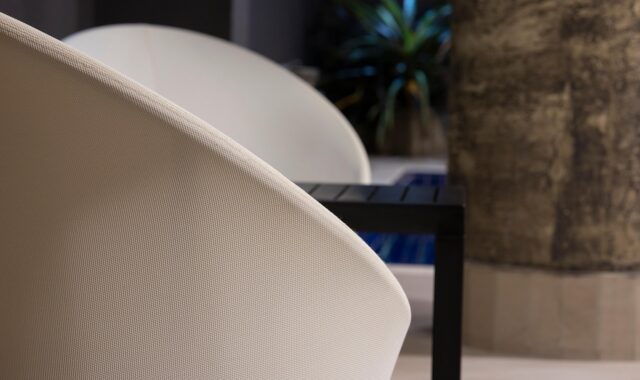
Couch fabric material guide for durability, cleaning and daily comfort
a[data-rs-seo-link]{text-decoration:underline!important;color:#1a56db!important;cursor:pointer!important;}a[data-rs-seo-link]{text-decoration:underline!important;color:#1a56db!important;cursor:pointer!important;}
Start with how the couch will be used
The right couch fabric material depends on three practical questions: who will use the couch, how often it will be used, and how much maintenance the household can realistically manage. A formal sitting room may work with a more delicate linen blend or light-colored velvet. A family room with children, pets, snacks and daily lounging usually needs a tighter weave, a darker or heathered color, clear cleaning instructions and stronger abrasion performance.
Before choosing by color alone, compare fiber content, weave, stain treatment, cleaning code and whether the retailer provides a real fabric specification rather than only a marketing name. If you are comparing sofas, sectionals and upholstery options, this Buying Guides section is a useful place to keep researching material choices, construction details and practical home-improvement decisions.
Common couch fabric materials compared
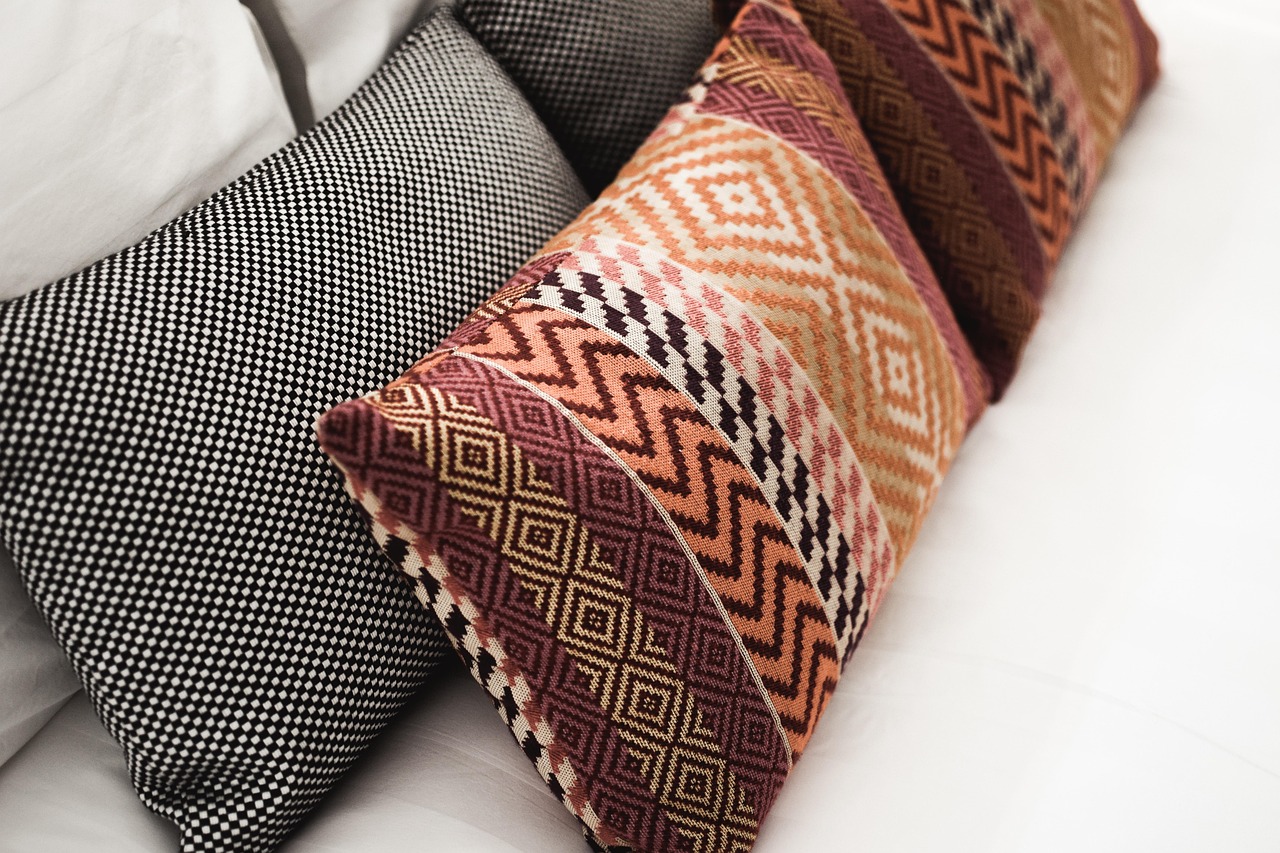
Many shoppers start with hand feel, but upholstery performance comes from a combination of fiber, yarn, weave, backing, finish and cushion design. A polyester fabric can perform very differently depending on whether it is a dense microfiber, a loose bouclé or a velvet pile. Cotton can feel casual and breathable, but pure cotton upholstery usually needs more care than a cotton-polyester blend. Leather is not fabric, but it is often compared with fabric sofas, so it belongs in the same buying discussion.
| Material or fabric type | Where it works well | Main limitations | What to check before buying |
|---|---|---|---|
| Polyester and polyester blends | Daily family rooms, apartments and budget-conscious upholstery | Quality varies widely; some versions can pill, hold static or look less natural | Weave density, abrasion test result, cleaning code and whether it is solution-dyed or surface-treated |
| Microfiber | Homes with children, casual lounging and frequent spills | Can show oily marks, pressure shading or nap direction | Whether it has a W or W-S cleaning code and whether the surface feels too warm for your climate |
| Cotton and cotton blends | Relaxed rooms, slipcovered sofas and breathable seating | Can wrinkle, absorb stains and fade if untreated | Blend percentage, removable covers, preshrinking guidance and stain protection details |
| Linen and linen blends | Light, natural interiors and low-traffic seating | Wrinkles easily and can stain or abrade in heavy-use rooms | Whether it is blended with synthetic fiber for strength and whether professional cleaning is recommended |
| Velvet | Decorative seating, rich color and soft hand feel | Pile can crush, shade or show marks; performance depends heavily on fiber and construction | Fiber content, pile recovery, cleaning code and whether sample fabric shows pressure marks |
| Bouclé | Textured accent furniture and low-to-moderate use rooms | Looped yarns can snag, especially with pets or sharp objects | Loop tightness, backing stability and whether household pets may pull the yarns |
| Leather | Long-term use, wipeable surfaces and rooms where patina is acceptable | Can scratch, feel cool or warm depending on conditions, and varies by finish | Whether it is full grain, top grain, corrected grain, split leather, bonded leather or imitation leather |
| Faux leather, vinyl and polyurethane-coated fabrics | Wipe-clean seating, rentals and some commercial-style interiors | Can crack, peel or feel less breathable over time | Disclosure that it is not leather, coating quality and resistance to heat, sunlight and cleaners |
Durability is more than a high rub count
Durability claims can be hard to compare because retailers often reduce them to one number. In the United States, upholstery abrasion is commonly discussed with Wyzenbeek double rubs, associated with ASTM D4157. Some brands and international suppliers also reference Martindale abrasion results. These tests are useful, but they are not a perfect forecast of how long a couch will last in a real home. The Association for Contract Textiles has warned that abrasion results can vary and should not be treated as the only indicator of service life.
Use abrasion data as one checkpoint, not as the whole decision. A higher number may help in a busy household, but weave stability, seam quality, cushion support, colorfastness, pilling resistance and cleaning compatibility also matter. A fabric that resists abrasion but stains easily may still be a poor choice for a living room next to the kitchen. A fabric with moderate abrasion performance but removable washable slipcovers may be more practical for a household with young children.
When a seller lists a couch fabric as performance upholstery, ask what the term means. It may refer to fiber type, stain-resistant finish, solution-dyed yarn, water repellency, commercial-style testing or simply a retailer category. Reliable specifications should name the fiber content, cleaning code and performance tests instead of relying only on broad words such as durable, family-friendly or easy-care.
Match the fabric to pets, kids, sunlight and climate
For pets
Pet-friendly fabric is usually tight, low-pile and easy to vacuum. Microfiber, tightly woven polyester blends and some performance fabrics often work better than loose weaves or looped textures. Bouclé and open-weave chenille can snag when claws catch the yarn. Leather and faux leather are easier to wipe, but they can show scratches, so they suit households that accept visible wear or patina.
For children and frequent spills
For snacks, drinks and everyday mess, prioritize a W or W-S cleaning code, medium-to-dark colors, subtle patterns and removable covers where possible. A white linen sofa can look good in photos, but it usually requires more careful use. Heathered weaves, tweeds and small patterns are forgiving because they visually break up crumbs, lint and minor marks.
For sunny rooms
Sunlight can fade many textiles. If a couch will sit near large windows, ask about colorfastness, UV exposure and whether the fabric is suitable for high-light areas. Outdoor-grade solution-dyed acrylic or olefin fabrics are sometimes used indoors because the color is built into the fiber rather than only applied to the surface. They can be useful in sunrooms, but sample the fabric first because some outdoor-style textiles feel stiffer than standard indoor upholstery.
For warm or humid climates
Breathability affects daily comfort. Linen, cotton and some wool blends can feel cooler than coated fabrics, while vinyl and some faux leathers may feel sticky in humid rooms. Dense microfiber can feel soft and cozy but warmer than a loose natural-fiber weave. If possible, sit on a showroom sample for several minutes rather than judging only by touching a swatch with your hand.
Understand cleaning codes before choosing color
Cleaning instructions should be part of the purchase decision, not an afterthought. Upholstery labels and manufacturer specifications often use letter codes. W generally means water-based cleaning agents may be used. S generally means solvent-based cleaning is recommended and water should be avoided. W-S or WS means either water-based or solvent-based cleaning may be acceptable. X means vacuuming or brushing only, with professional advice for stains.
These codes do not guarantee that every stain will come out. They are manufacturer guidance for the face fabric and should be followed with spot testing in an inconspicuous area. Over-wetting can damage upholstery, leave water rings, affect backing materials or push stains deeper into cushions. If a couch will be used in a high-spill area, an S-only or X-code fabric may not be practical even if the color and texture are appealing.
Also check whether cushion covers are removable and whether they are actually washable. A zipper does not automatically mean the cover should go into a washing machine. Some removable covers are designed only for professional cleaning, and washing them may cause shrinkage, color change or seam distortion. See also: Building Materials.
Labels, certifications and claims worth checking
Upholstery marketing often uses terms that sound similar but mean different things. The Federal Trade Commission Leather Guides address misrepresentation of leather and imitation leather products. If a material looks like leather but is not leather, sellers should clearly disclose that it is imitation, simulated, vinyl, plastic or another non-leather material. For buyers, the practical lesson is simple: do not assume leather-look upholstery is leather unless the specification clearly says so.
For U.S. upholstered furniture, the Consumer Product Safety Commission identifies 16 CFR Part 1640 as the federal flammability standard, incorporating California TB 117-2013 requirements. This does not tell you which couch fabric will feel best, but it is a reminder to read required furniture labels and ask questions about flame retardant claims if they matter to your household.
Textile and indoor-air certifications can also be useful, but they cover different things. OEKO-TEX STANDARD 100 focuses on testing textiles for harmful substances. UL GREENGUARD certification addresses chemical emissions from products used indoors. CertiPUR-US applies to flexible polyurethane foam, including foam used in upholstered furniture, rather than the outer couch fabric itself. A sofa can contain certified foam while the upholstery fabric has a different certification or no certification at all.
A practical buying checklist
Before ordering a sofa online or committing to a custom fabric, request a swatch and review the specification sheet. A small sample cannot show every long-term issue, but it can reveal texture, lint attraction, transparency, backing stiffness and how the color changes under your room lighting.
- Confirm the exact fiber content instead of relying only on a fabric name.
- Ask for the cleaning code and decide whether it matches your lifestyle.
- Check the abrasion test method, not just the number.
- Look for pilling, snagging and colorfastness information when available.
- Rub the swatch with a light and dark cloth to see whether lint or dye transfer is obvious.
- View the swatch in daylight and at night under your usual bulbs.
- Ask whether stain resistance comes from fiber construction, solution dyeing or a surface treatment.
- Clarify whether cushion covers are removable, washable or professional-clean only.
- For leather-look materials, confirm whether the material is real leather, coated leather, bonded leather or imitation leather.
Frequently asked questions
What is the most durable couch fabric material?
There is no single most durable material for every home. Tightly woven polyester blends, microfiber and some performance fabrics are strong choices for daily use, but durability also depends on weave, backing, seams, cushion construction, cleaning habits and sunlight exposure.
Is polyester a good couch fabric?
Polyester can be a good couch fabric when the weave is dense, the hand feel is comfortable and the cleaning code suits your household. It is often used in performance upholstery, but low-quality polyester can still pill, snag or look shiny, so specifications and swatches matter.
Is velvet practical for a sofa?
Velvet can be practical in the right construction, especially when made from durable synthetic fibers, but it can show nap direction, pressure marks and pile crushing. Test a swatch and avoid assuming that all velvet performs the same way.
Which couch fabric is easiest to clean?
For many households, microfiber, some polyester performance fabrics and certain washable slipcovers are easier to maintain than delicate linen or S-only fabrics. Always follow the manufacturer cleaning code because the wrong cleaner can permanently mark upholstery.
Should I choose leather or fabric for a family sofa?
Choose leather if you want a wipeable surface and are comfortable with scratches and patina. Choose fabric if you want more color, texture and softness options. For families, the best choice is usually the material whose maintenance limits you can realistically live with every week.